Category: Minimalism

Articles from section Minimalism

  • Embracing Minimalist Aesthetics in Contemporary Art Spaces

    Embracing Minimalist Aesthetics in Contemporary Art Spaces

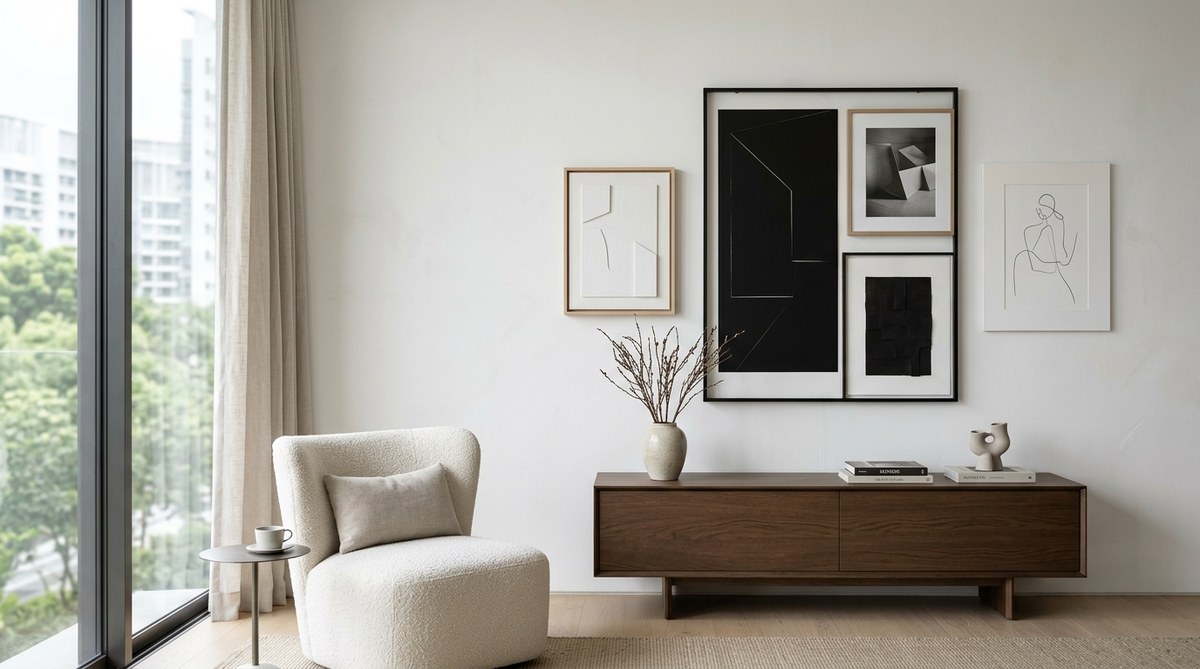
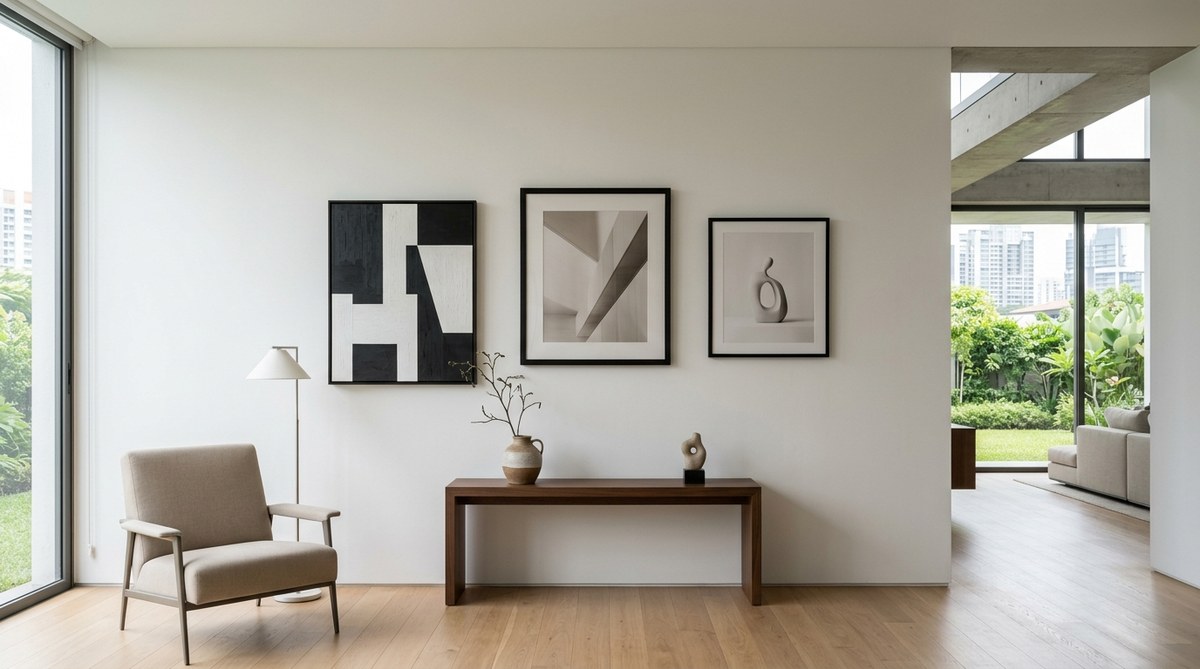
    Transforming a space into a minimalist contemporary art environment can elevate your interior to new levels of elegance and calm. By focusing on clean lines, restrained palettes, and thoughtful use of space, you create a serene backdrop that highlights the artwork itself. Whether you are an art enthusiast, interior designer, or modern art lover, understanding how to craft these spaces allows you to showcase art in a way that feels natural, balanced, and visually impactful.

    Key Takeaway

    Minimalist contemporary art spaces emphasize simplicity and balance, using clean design, negative space, and quality materials to let artworks shine and create a peaceful environment that invites reflection and appreciation.

    Understanding Minimalist Contemporary Art Spaces

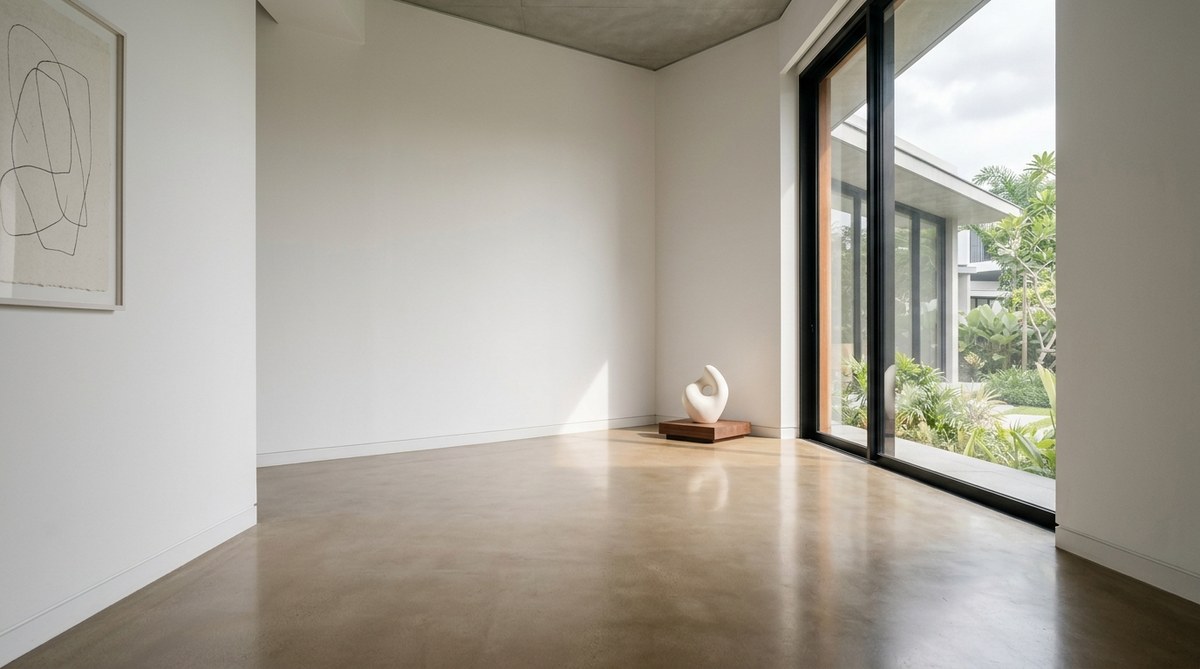
    Creating an effective minimalist art space begins with a clear understanding of what defines this aesthetic. These environments prioritize simplicity, functionality, and a sense of calm. They avoid clutter and unnecessary embellishments, allowing the art to be the focal point.

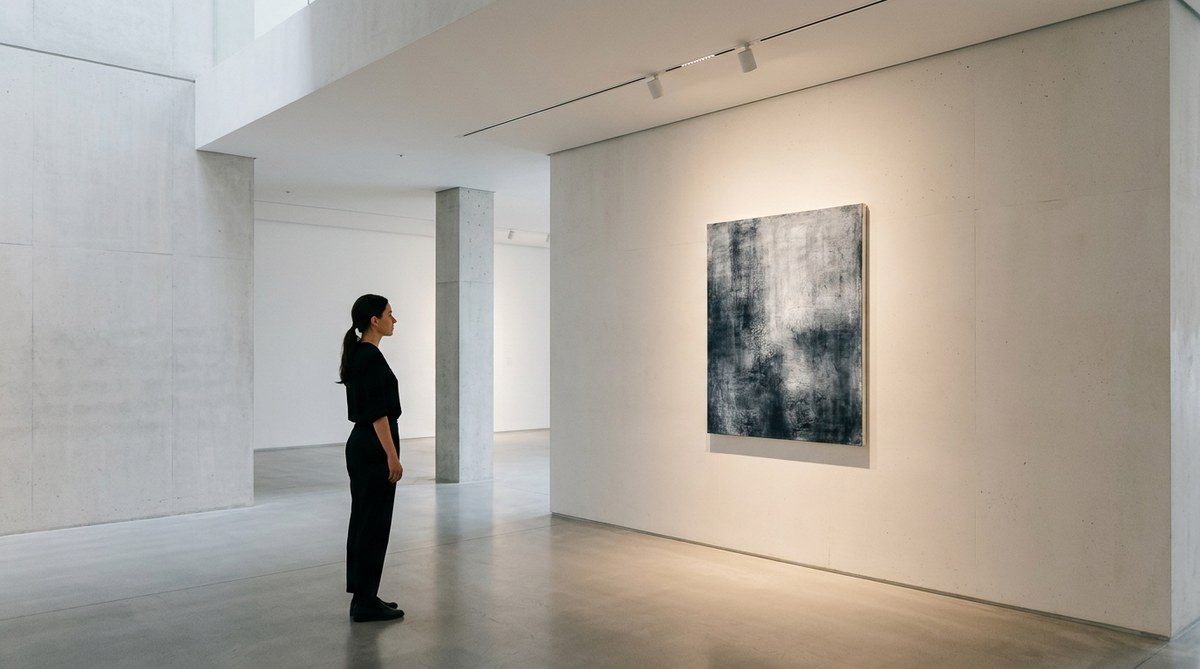
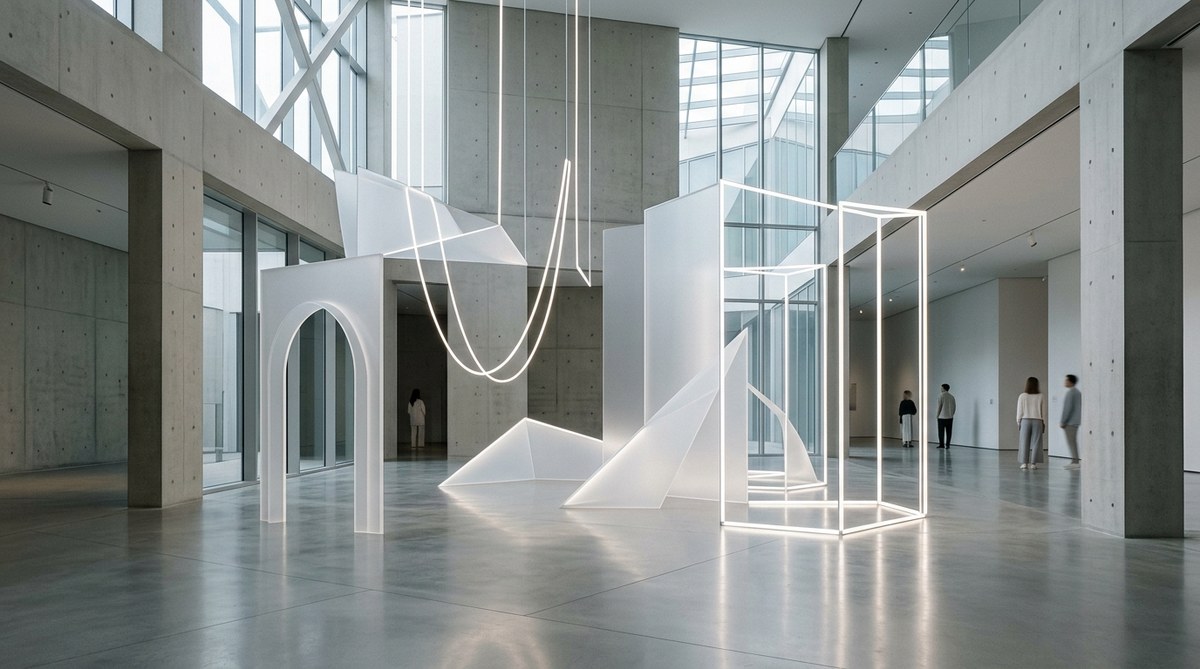
    Minimalist contemporary art spaces are characterized by open layouts, neutral color schemes, and strategic use of negative space. This approach not only enhances the visual appeal but also encourages viewers to engage deeply with each piece. The goal is to foster a sense of harmony where every element has a purpose.

    Designing with Intention: Key Elements of Minimalist Art Spaces

    1. Choosing the Right Color Palette

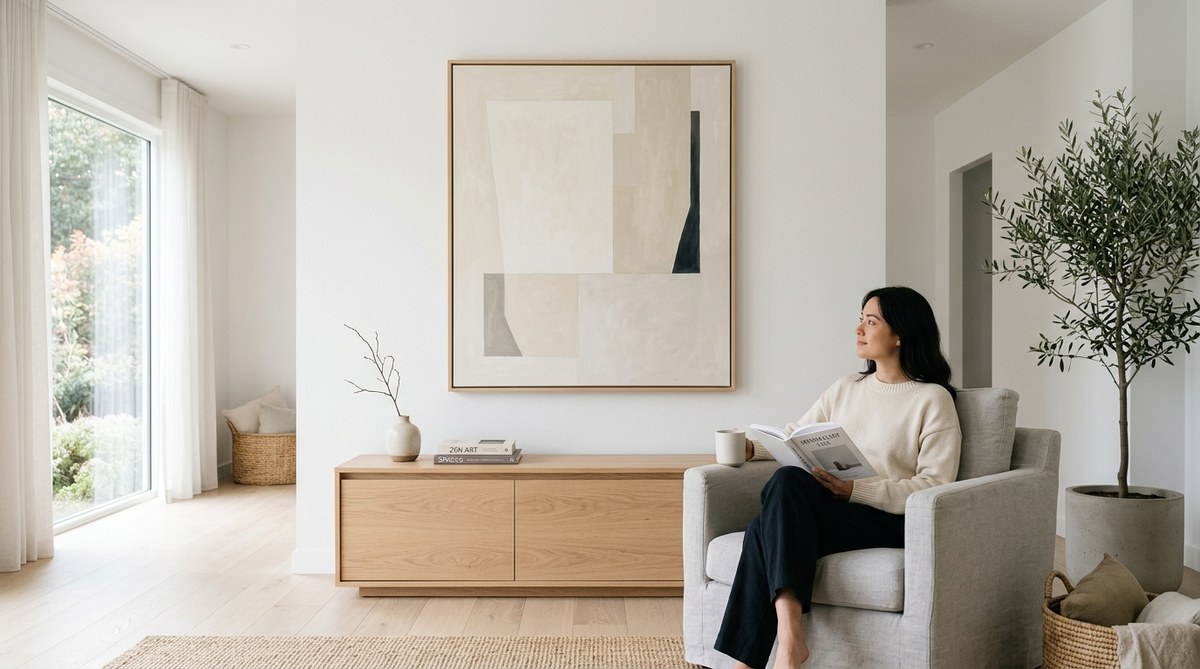
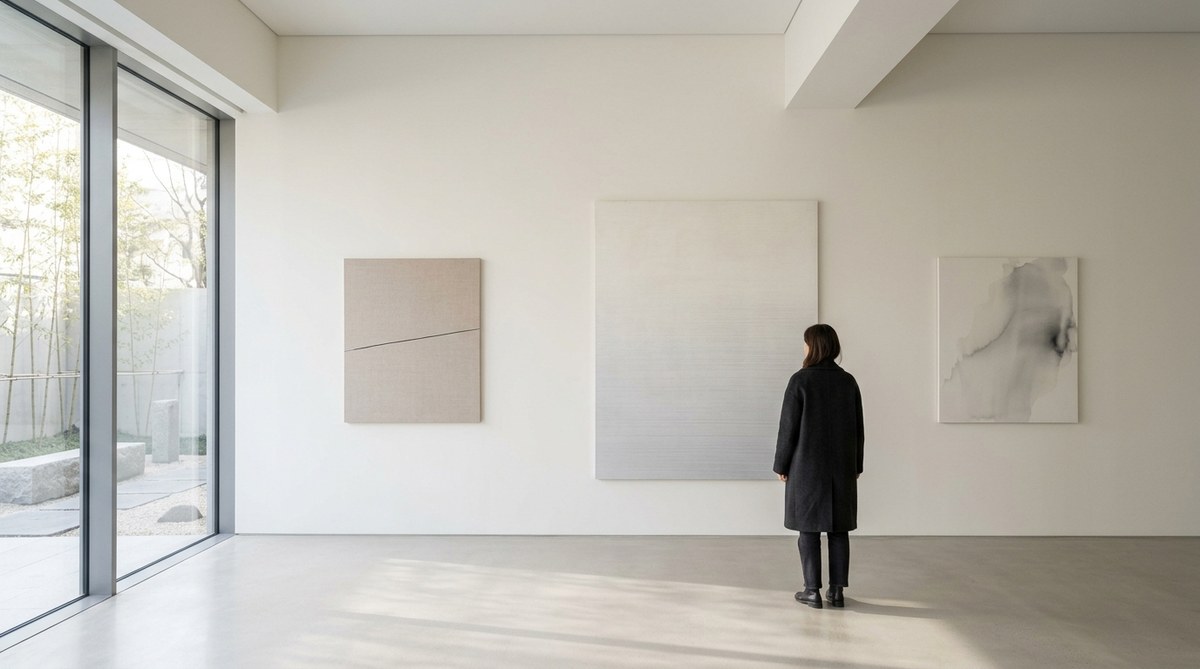
    Neutral tones dominate minimalist environments. Whites, beiges, soft grays, and blacks serve as perfect backdrops. These colors help to reduce visual noise and make artworks stand out.

    • Tip: Use tonal variations to add depth without disrupting the minimalist vibe. Incorporate natural materials or subtle textures to create visual interest.

    2. Prioritizing Negative Space

    Negative space, or the empty areas around artwork, is vital. It directs attention and creates breathing room.

    “Negative space is not empty, but a vital part of composition that guides the eye and conveys balance.” — Art expert

    • Tip: Resist the urge to fill every wall. Sometimes, less truly is more.

    3. Selecting Artwork Thoughtfully

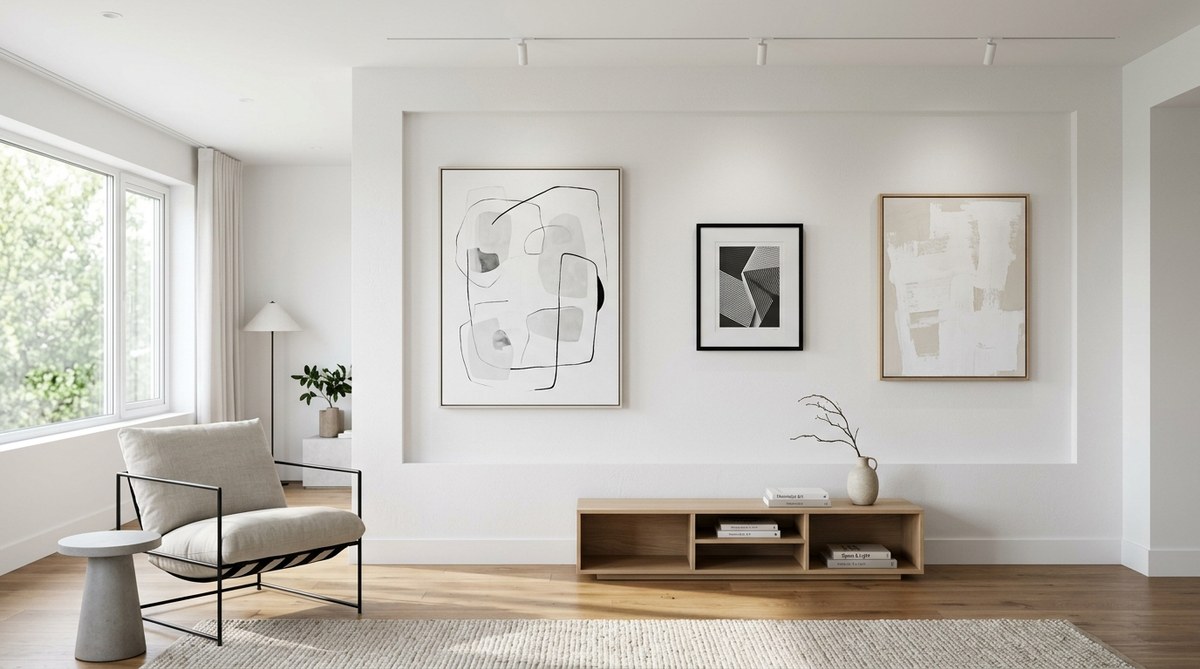
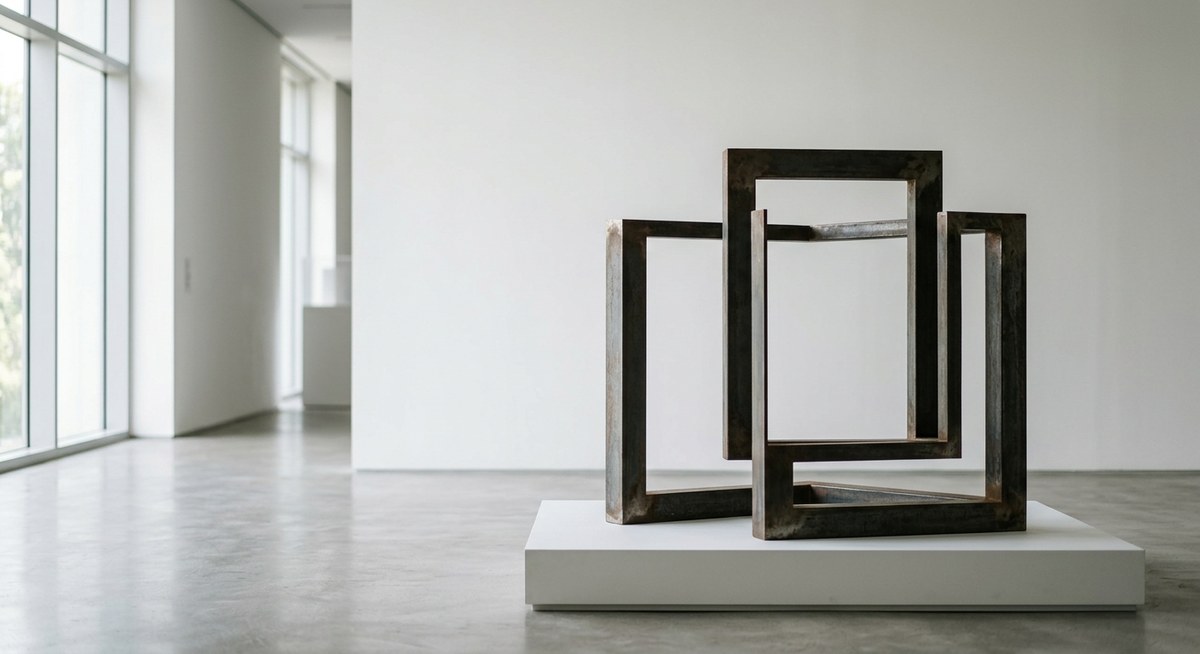
    Opt for pieces with clean lines, geometric forms, or monochromatic schemes. Large-scale works can serve as statement pieces, while smaller works should be spaced carefully to maintain harmony.

    4. Focusing on Materials and Textures

    High-quality materials like polished wood, concrete, glass, and matte finishes complement minimalism. Textures should be subtle but add richness.

    5. Lighting for Impact

    Lighting enhances the simplicity. Use natural light whenever possible. Supplement with adjustable spotlights or track lighting to highlight key artworks without overpowering the space.

    Technique Mistake to Avoid
    Using overly bright or colored lighting Creating glare or distracting color casts
    Overcrowding walls with art Cluttering the space and losing focus
    Ignoring scale in artwork placement Disproportionate pieces that disrupt harmony

    Practical Steps to Build Your Minimalist Art Space

    1. Assess your space: Note the size, natural light sources, and existing features.
    2. Define your color scheme: Stick to a neutral palette for walls and floors.
    3. Select artwork carefully: Choose pieces that resonate with your aesthetic.
    4. Plan the layout: Use a grid or gridless approach to position art thoughtfully.
    5. Incorporate quality furnishings: Opt for sleek, functional furniture that doesn’t distract.
    6. Manage lighting: Maximize natural light and add subtle artificial lighting accents.
    7. Maintain simplicity: Regularly declutter to preserve the minimalist ethos.

    Common mistakes to avoid

    • Overaccessorizing or adding unnecessary decor
    • Using mismatched or low-quality materials
    • Ignoring scale and proportion in artwork placement
    • Cluttering surfaces with objects or furniture

    Techniques and Mistakes in Minimalist Design

    Technique Mistake to Avoid
    Emphasizing symmetry Creating a static, dull environment
    Using only monochrome Making the space look flat or uninviting
    Incorporating natural materials Overusing or mismatching textures
    Keeping walls clean and bare Neglecting opportunities for subtle art displays

    Curating Your Art Collection for Minimalist Spaces

    • Focus on quality over quantity.
    • Select pieces with simple forms, subtle colors, or impactful negative space.
    • Rotate artworks periodically to refresh the environment.
    • Use framing that complements the artwork without overwhelming it.

    Final Touches for a Cohesive Look

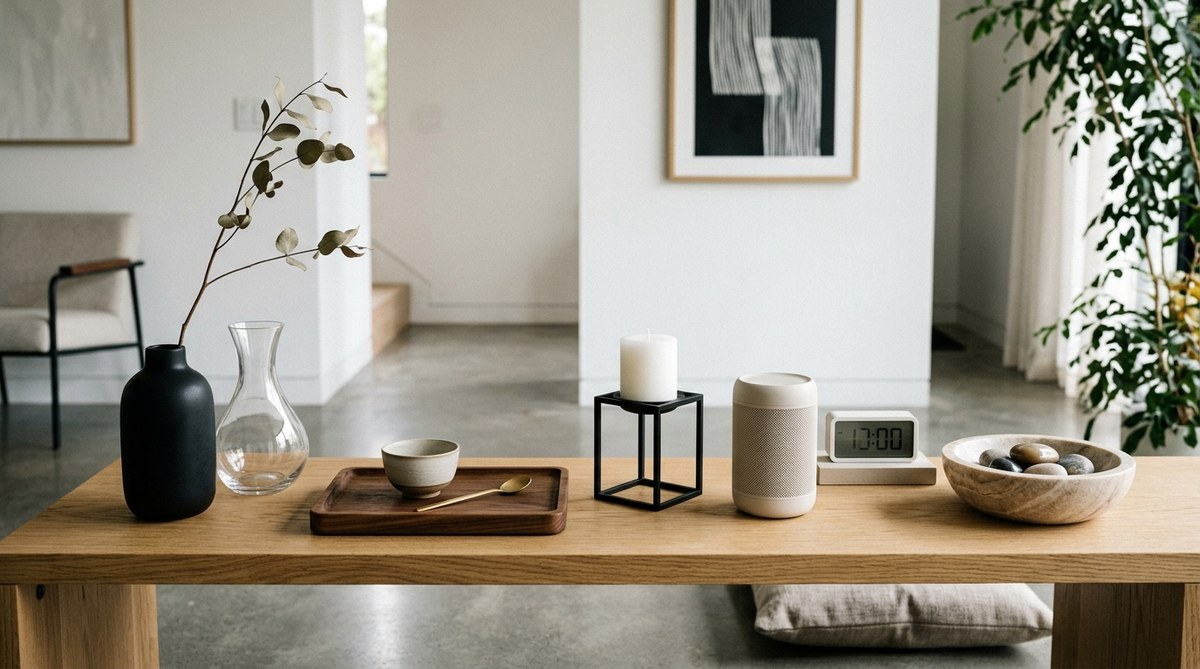
    • Keep surfaces clear and free of clutter.
    • Use minimalist furniture with sleek lines.
    • Add plants or natural elements sparingly to soften the environment.
    • Maintain a consistent style and color scheme throughout.

    Bringing Minimalism to Life in Your Space

    Designing a minimalist contemporary art space is about more than just removing clutter. It’s about creating an environment where every element has purpose. The beauty of minimalism lies in its ability to highlight the art itself and foster a peaceful, reflective atmosphere.

    Regularly assess your space. Remove anything unnecessary. Pay attention to lighting and scale. Let your space breathe and grow organically around your collection. With patience and intention, your environment can become a true sanctuary for artistic appreciation.

    Final Thought: Cultivating Calm and Creativity

    Transforming your interior into a minimalist contemporary art space invites calmness and clarity. It allows your artworks to speak freely and your environment to feel balanced. Start small, be deliberate, and let the space evolve naturally. In the end, a thoughtfully curated minimalist space becomes more than just a display area; it becomes a reflection of your appreciation for simplicity and beauty.