
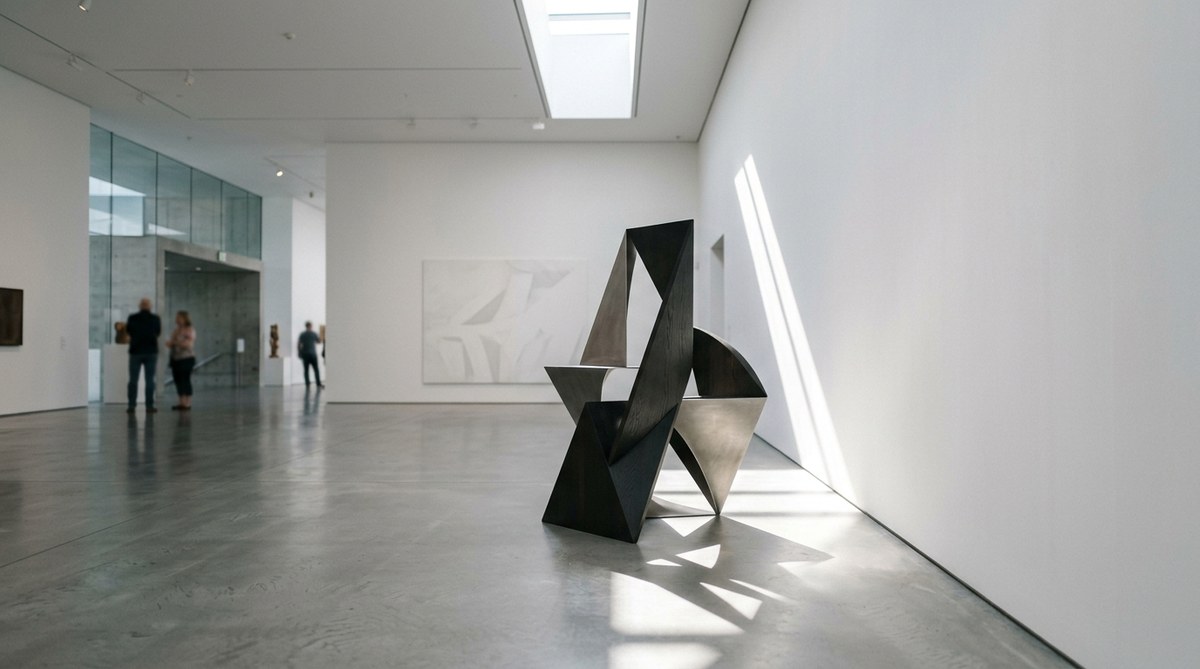
Art spaces today are more than just repositories for artwork. They are carefully crafted environments where light and object design work together to shape perception. In contemporary settings, the way light interacts with objects can transform a space from ordinary to extraordinary. This synergy is fundamental to modern art spaces, influencing how visitors experience art and architecture. Let’s explore the fascinating intersection of light and object design and how it breathes life into modern art environments.
Light and object design in modern art spaces create immersive environments that influence perception, evoke emotion, and emphasize minimalism. Thoughtful integration enhances aesthetic appeal and viewer engagement, making spaces feel alive and dynamic.
The significance of light in modern art spaces
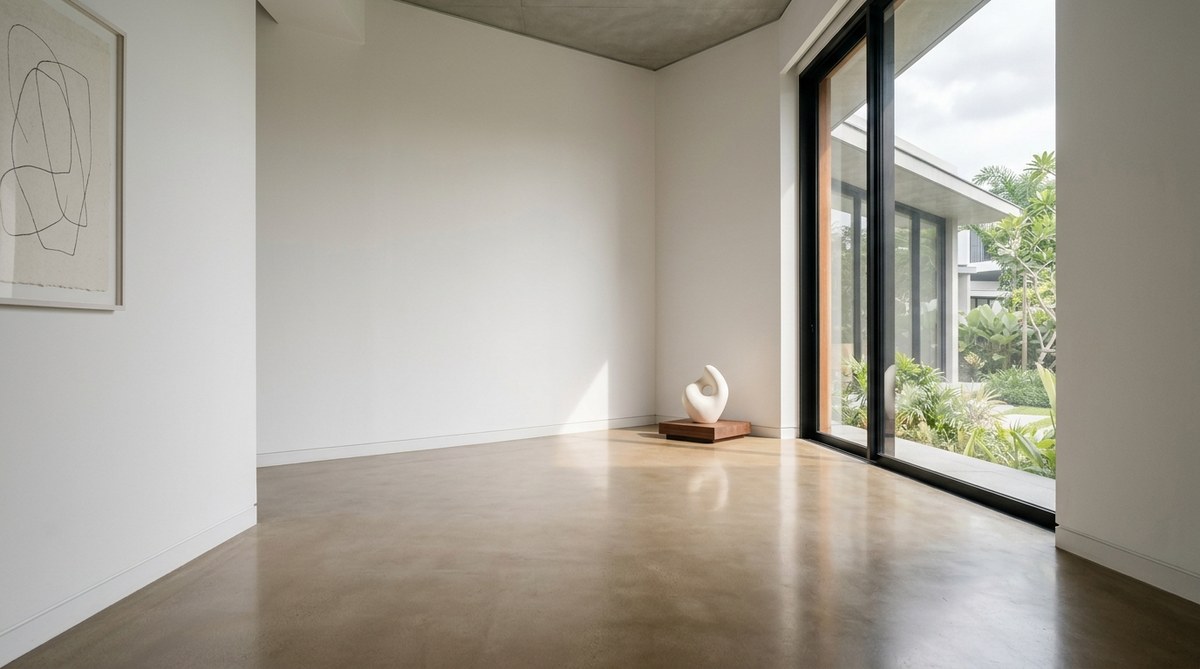
Light is more than illumination in art spaces. It becomes a dynamic component that shapes how objects are perceived. In contemporary settings, designers harness natural and artificial lighting to craft atmospheres that enhance or alter the viewer’s experience. The play of shadows, the quality of light, and its movement can all influence the emotional tone of a space.
For instance, natural light can highlight textures and forms, revealing subtle details that might otherwise go unnoticed. Conversely, controlled artificial lighting can create dramatic contrasts or soft glows that evoke serenity or mystery. In modern art environments, strategic lighting design guides visitors’ focus, emphasizing specific artworks or architectural features.
How light interacts with objects in modern art environments
The interaction between light and objects is central to the aesthetic language of modern spaces. When light hits a surface, it produces reflections, shadows, and color shifts that can alter the viewer’s perception. This interaction emphasizes minimalism by allowing simple forms to become expressive through lighting.
Designers often experiment with different techniques:
- Using directional lighting to cast long shadows that add depth.
- Employing diffused light to create a uniform glow that softens harsh edges.
- Integrating colored lighting to evoke mood or highlight specific elements.
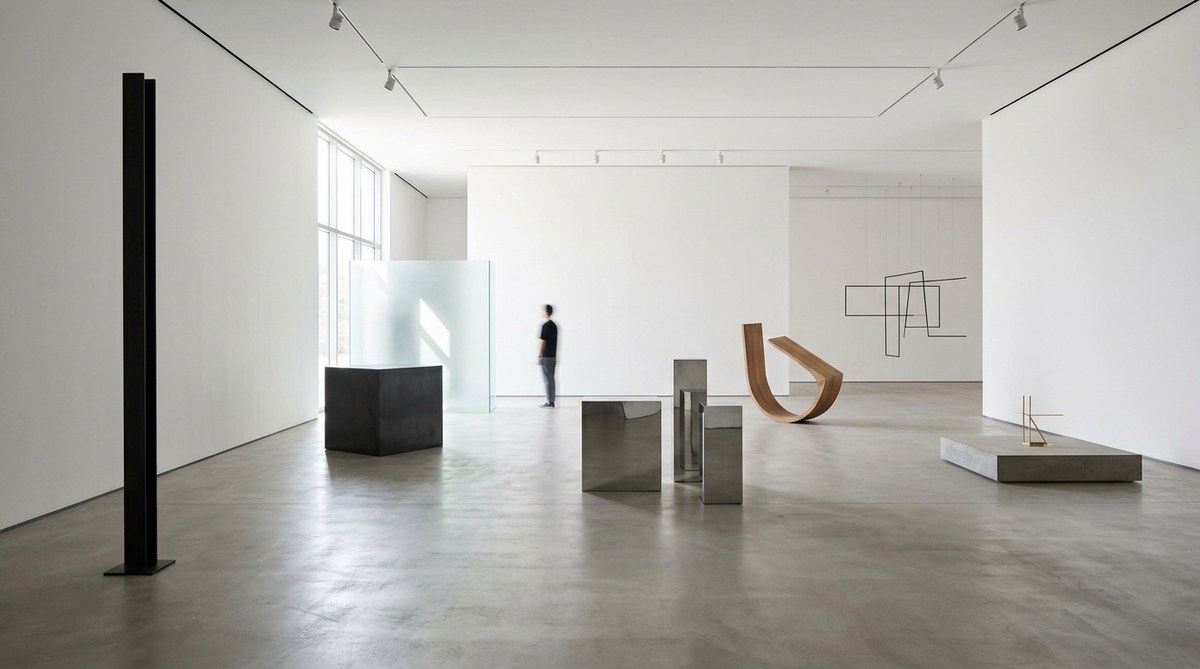
- Incorporating reflective or translucent objects that manipulate light in intriguing ways.
These approaches demonstrate that light does not merely illuminate but actively shapes the perception of form and space.
The role of object design in creating compelling environments
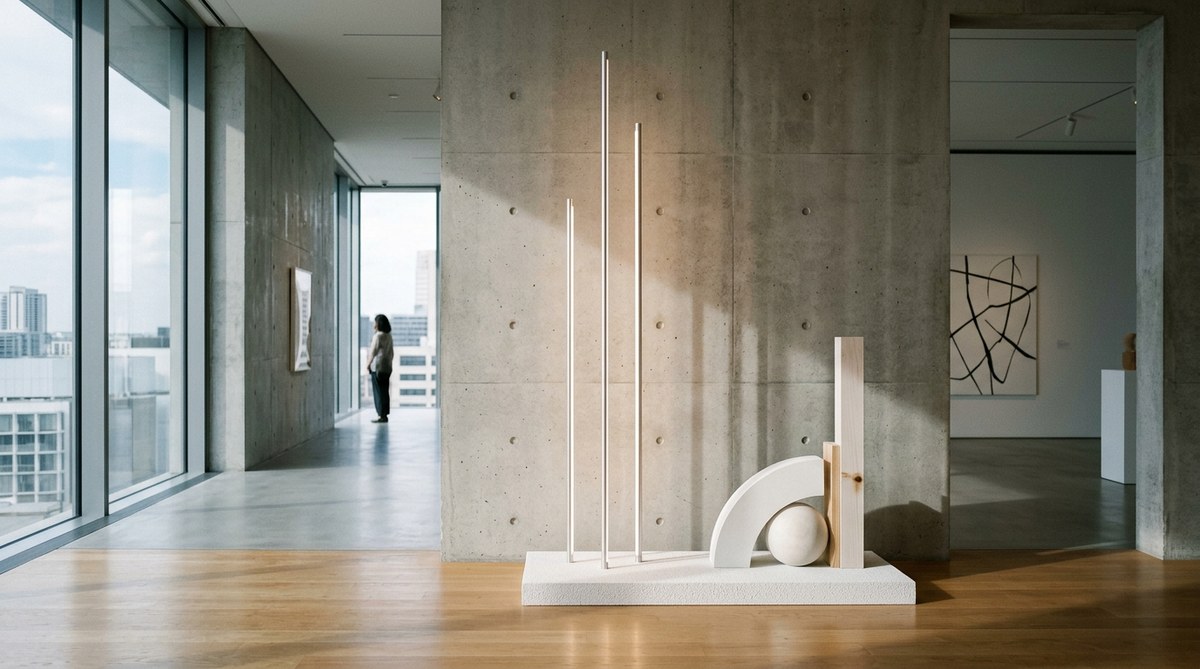
Objects in modern art spaces are carefully chosen and designed to complement lighting strategies. Minimalist objects—clean, simple forms—serve as perfect canvases for light to play upon. The materiality of objects influences how they interact with light, with matte surfaces absorbing, shiny surfaces reflecting, and translucent materials diffusing light.
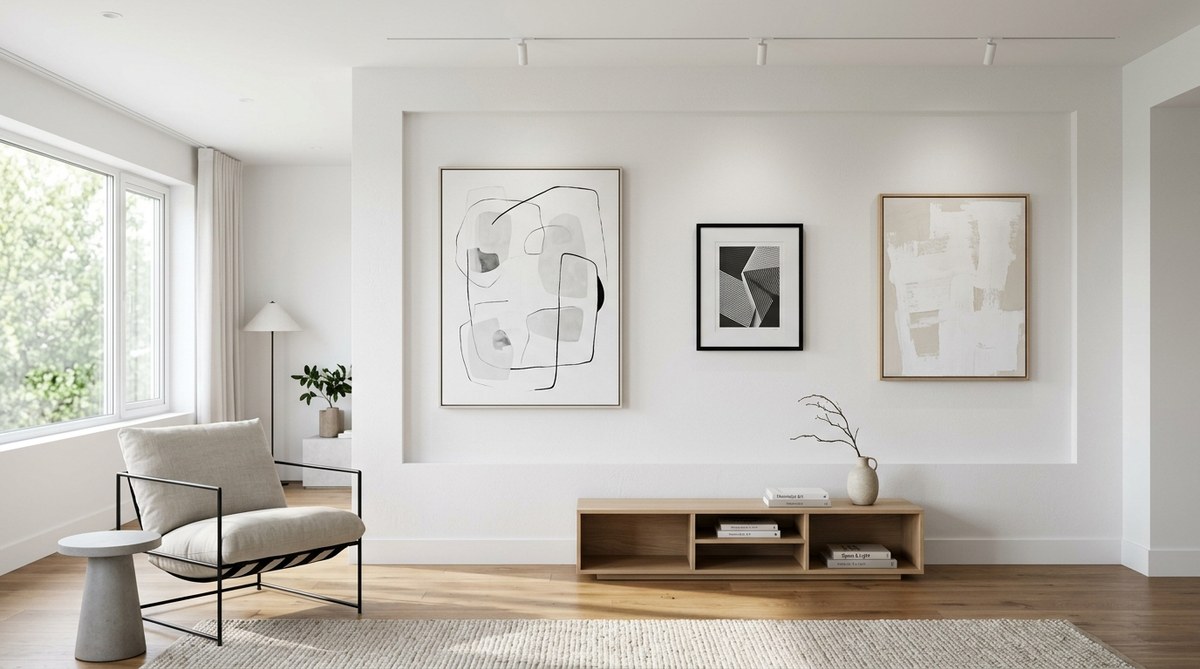
Through deliberate object placement and design, architects and artists craft environments that feel balanced, harmonious, and engaging. Sculptural elements may serve as focal points, their form accentuated through lighting. Subtle details in objects can be brought to life by shadows and highlights, enhancing their visual impact.
Practical steps to integrate light and object design in modern art spaces
Creating an immersive environment involves a thoughtful process. Here are five steps to guide your design:
-
Analyze the space and its purpose
Understand the space’s scale, natural light sources, and intended mood. Determine which objects will be focal points. -
Select appropriate lighting techniques
Decide whether natural, artificial, or a combination best suits your goals. Use adjustable fixtures for flexibility. -
Design objects with light in mind
Choose materials and forms that respond well to lighting strategies. Incorporate surfaces that reflect or diffuse light as needed. -
Experiment with light-object interactions
Use mockups or digital models to visualize how light interacts with objects at different times of day and under various conditions. -
Refine and balance the environment
Adjust lighting angles, intensities, and object placement until the desired atmosphere and visual harmony are achieved.
Techniques and pitfalls in light and object design
| Techniques | Mistakes to Avoid |
|---|---|
| Using layered lighting for depth | Overlighting, which can cause glare or wash out details |
| Choosing materials that respond well to lighting | Ignoring the importance of shadow play in perception |
| Incorporating natural light for authenticity | Relying solely on artificial light, losing the organic feel |
| Balancing light intensity with object materiality | Overemphasizing either light or object, leading to imbalance |
“The key to successful light and object design is understanding that both elements are in constant dialogue,” advises interior designer Lisa Chen. “When they work in harmony, the space becomes a living, breathing artwork.”
Techniques to enhance or hinder the visual harmony
- Enhance: Use directional spotlights to highlight textures, or employ translucent objects that glow softly when lit from behind.
- Hinder: Avoid placing objects in poorly lit areas or using harsh, unmodulated light that creates unwanted glare and shadows.
How minimalism complements light and object design
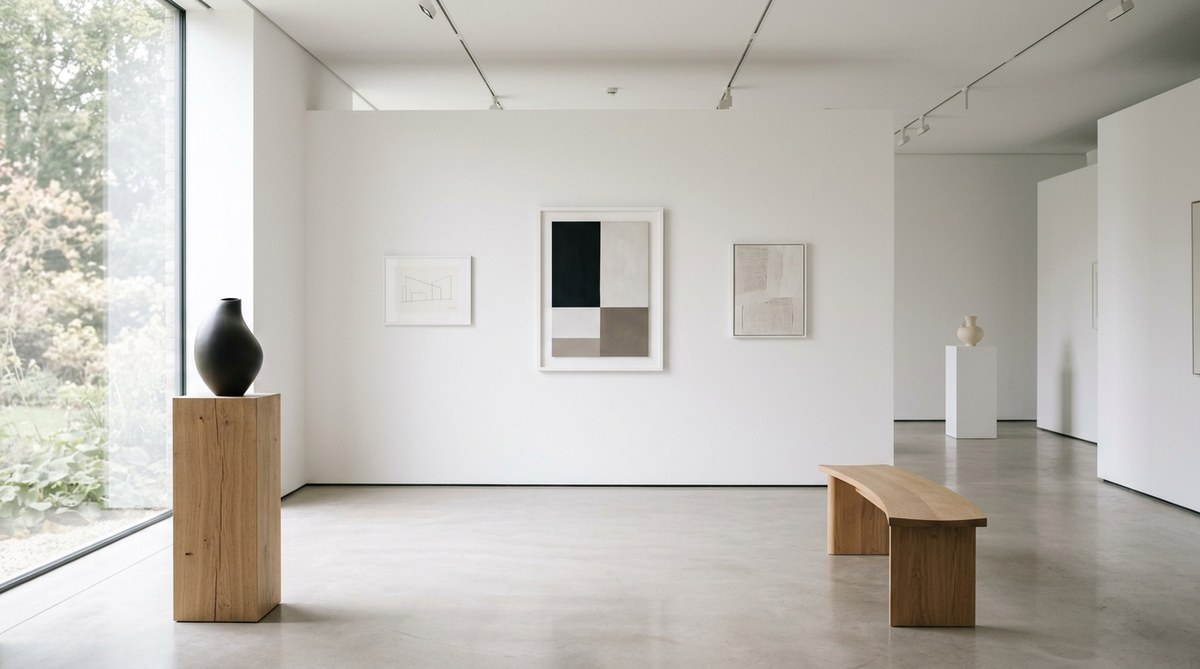
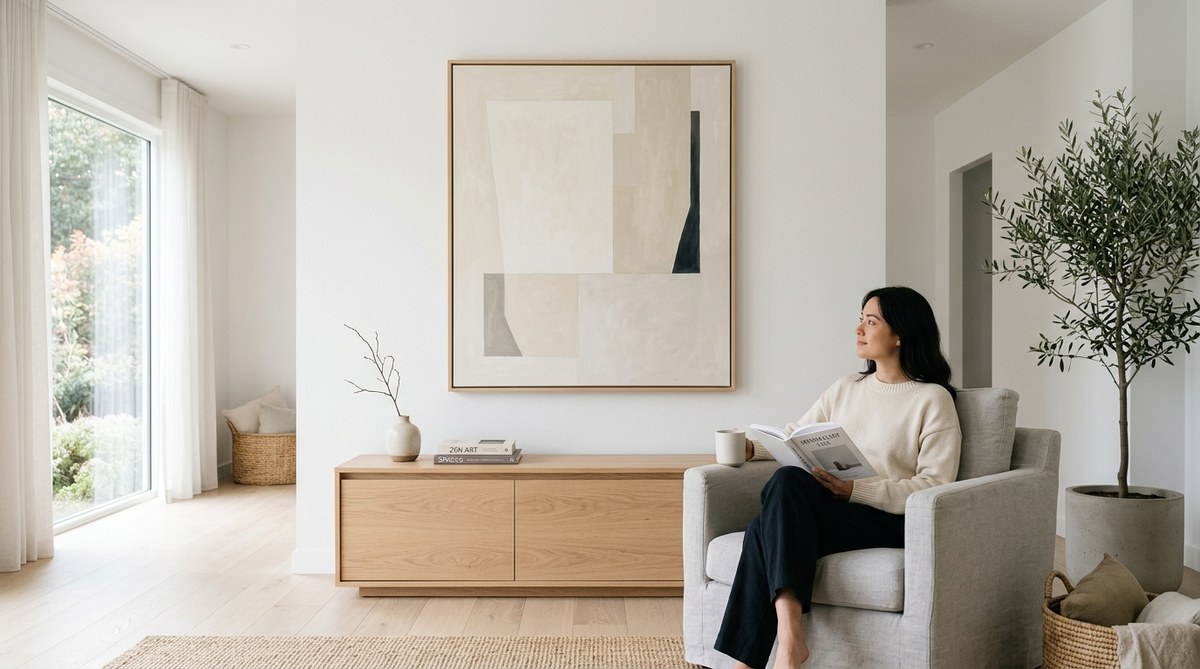
Minimalist aesthetics thrive on simplicity and clarity. When combined with thoughtful lighting, minimalist spaces can evoke serenity and focus. The absence of clutter allows light to become a sculptural element, shaping space and form with clarity.
In embracing minimalism, consider how each object and light fixture contributes to the environment. Subtle variations in material or lighting can significantly influence the overall mood, making every element purposeful.
Final thoughts: crafting spaces that breathe with light and form
Designing modern art spaces that harness the power of light and object interaction is both an art and a science. It requires understanding materials, lighting techniques, and spatial dynamics. When executed well, the environment transforms into an immersive experience where viewers feel connected and inspired.
Remember, the goal is to create environments that evoke emotion and invite contemplation. By paying attention to how light interacts with carefully curated objects, you can craft spaces that are truly alive.
Bringing light and object design to life in your space
Applying these principles doesn’t mean overhauling your environment. Start small by experimenting with natural light and simple objects. Observe how shadows and reflections change throughout the day. Over time, refine your approach, embracing minimalism and harmony.
Lighting and object design are powerful tools in shaping perception. When combined thoughtfully, they create environments that inspire and engage. Whether for an art gallery, a creative studio, or a personal space, these elements provide endless possibilities for expression and connection.

Leave a Reply