
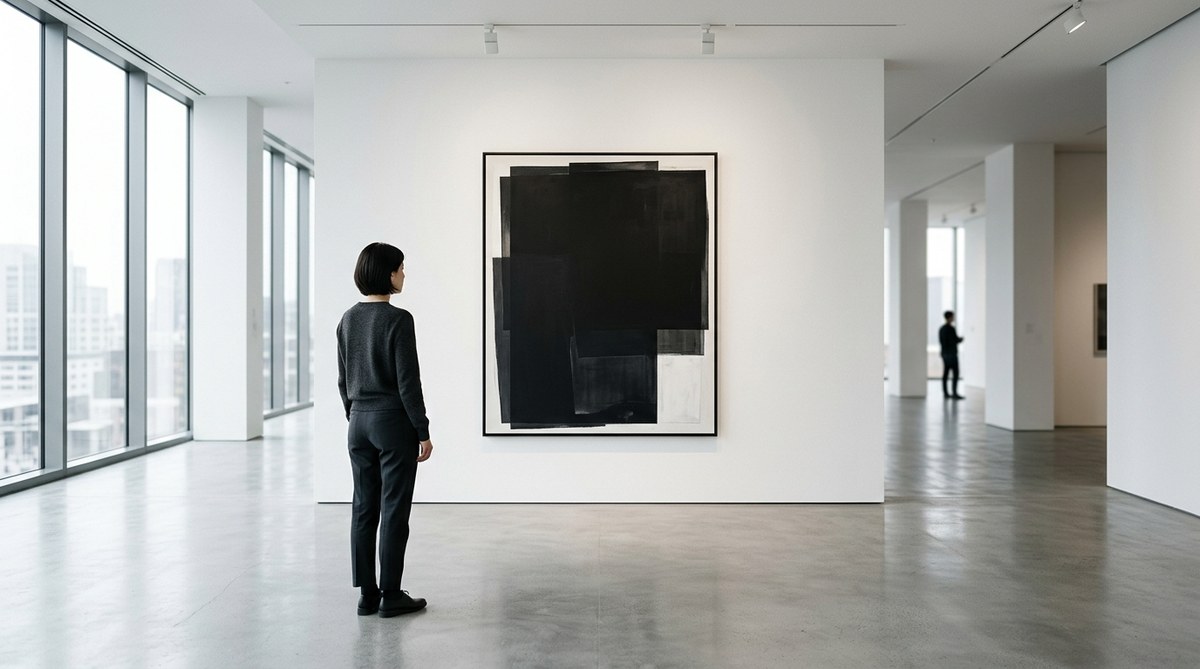
Art enthusiasts and visitors to galleries often find themselves drawn to minimalist art exhibits in contemporary spaces. These displays, characterized by their simplicity and focus on essential elements, have a unique ability to evoke calm, clarity, and deep reflection. Whether you are visiting a modern museum or contemplating how to curate your own space, understanding what makes minimalist art compelling can enrich your experience and appreciation.
Minimalist art exhibits in contemporary spaces emphasize simplicity, using clean lines, geometric shapes, and subtle textures to evoke calm and focus. They reshape how viewers engage with art and space, offering a quiet yet powerful experience that celebrates clarity and purpose.
Understanding the essence of minimalist art in contemporary displays
Minimalist art in modern settings is more than just an aesthetic choice; it reflects a philosophy of stripping down to essentials. These exhibits often feature pared-down compositions that emphasize form, space, and materiality. They encourage viewers to slow down and notice the subtle details that might otherwise be overlooked in more elaborate works.
In contemporary spaces, minimalist exhibits serve as a counterbalance to the busy, cluttered environment. They offer a sense of calm amid chaos and invite viewers to pause and reflect. This approach aligns with current trends in design and lifestyle that favor simplicity and intentionality.
Characteristics that define minimalist art exhibits
Minimalist exhibits share several key features that distinguish them from other art forms. These traits contribute to their power and appeal in contemporary settings.
Simplicity and clarity
Minimalist works focus on basic shapes, limited color palettes, and straightforward compositions. This clarity allows viewers to engage with the piece without distraction.
Use of geometric forms
Squares, rectangles, circles, and lines dominate minimalist art. These shapes create a sense of order and balance that resonates with viewers.
Focus on materials
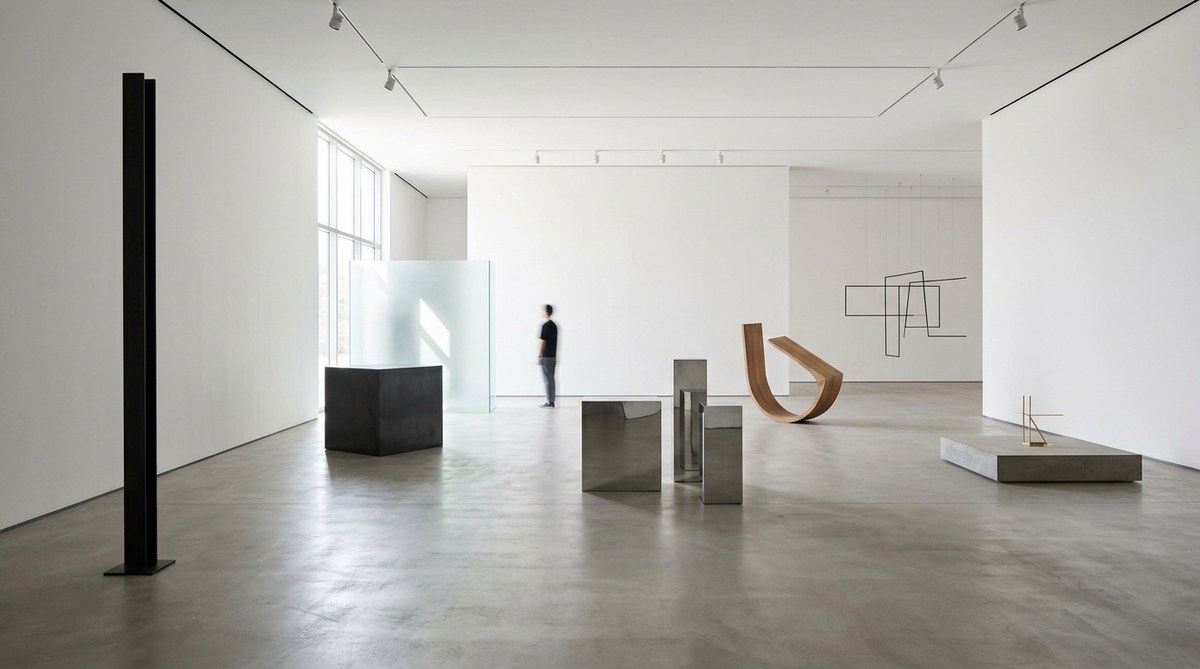
Artists often highlight the natural textures and qualities of the materials used, such as wood, metal, or concrete. This authenticity adds depth and tactile interest.
Emphasis on space
Negative space is just as important as the art itself. It provides breathing room and enhances the visual impact of the work.
Repetition and rhythm
Repeated shapes or patterns generate a sense of harmony and stability within the exhibit.
How minimalist exhibits influence modern spaces
In galleries, minimalist exhibits shift the focus from ornate decoration to the pure experience of art. They challenge visitors to see beyond the surface and appreciate the subtle interplay of form and space. This impact extends beyond galleries into interior design, architecture, and even fashion.
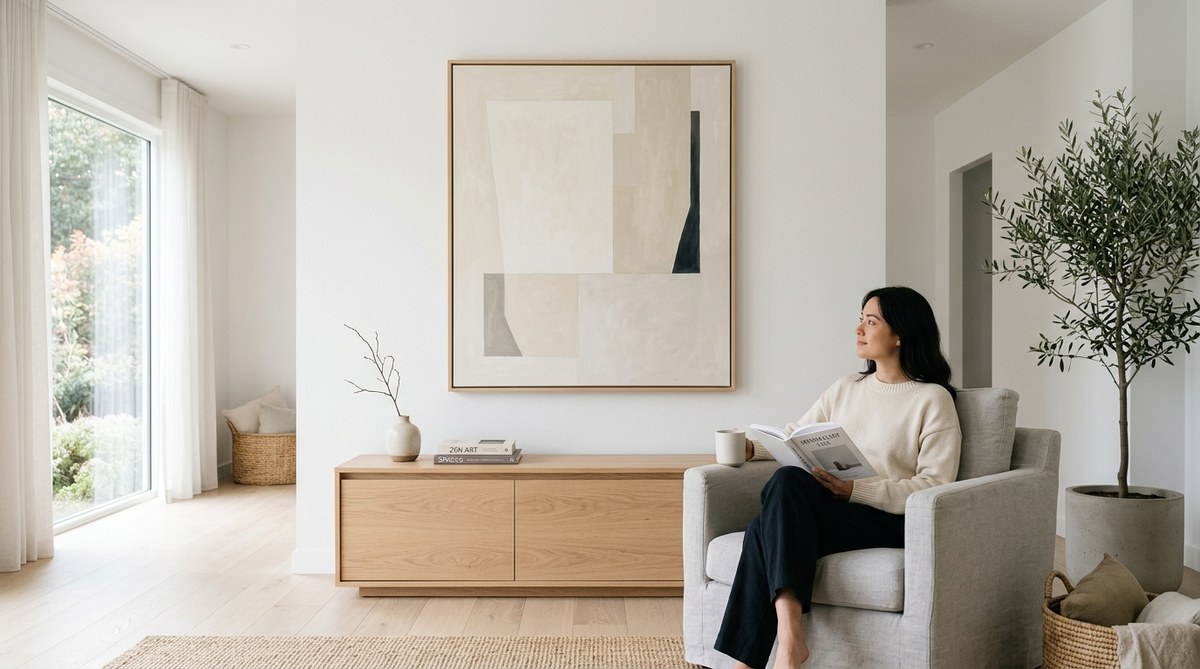
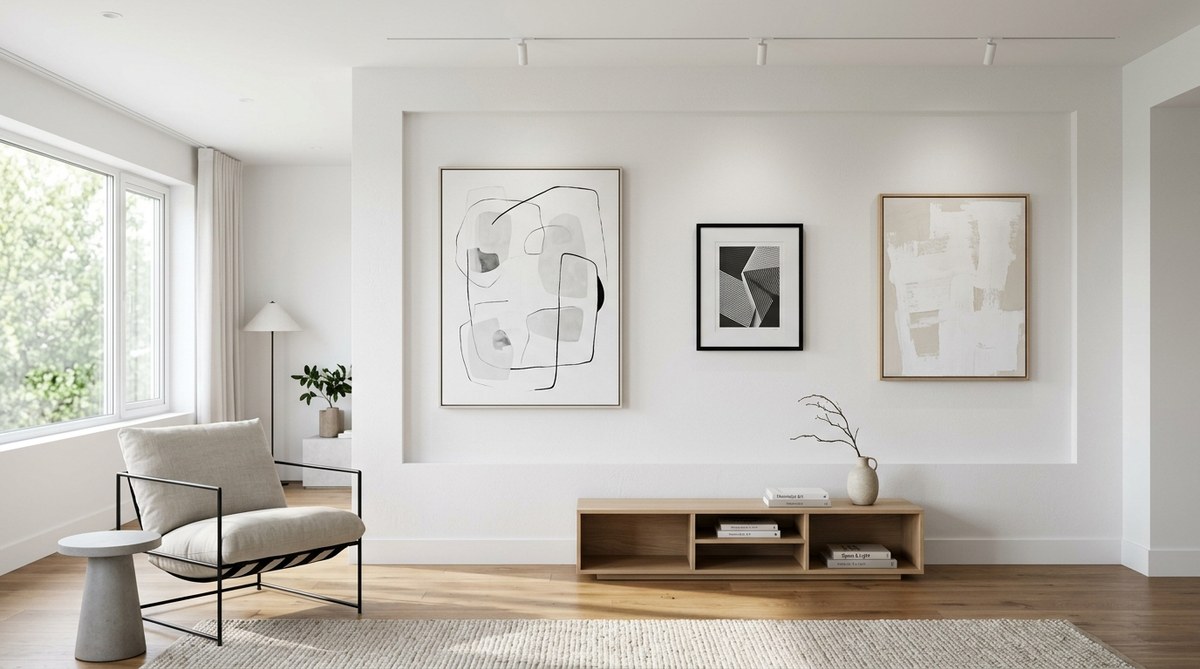
In contemporary interiors, minimalist art can create a sense of openness and tranquility. It complements sleek furniture, neutral palettes, and uncluttered layouts. When curated thoughtfully, these exhibits can define a space without overwhelming it.
Practical steps to incorporate minimalist art in your environment
Whether you are curating a gallery or designing your living room, adding minimalist elements can elevate the space. Here is a simple process to guide your journey:
- Identify your core aesthetic: Decide what kind of simplicity appeals to you. Is it monochrome, geometric, or organic minimalism?
- Select key pieces: Focus on artworks with clean lines, subtle textures, and restrained color schemes. Look for pieces that evoke calm and clarity.
- Create negative space: Arrange your artworks with ample space around them. Avoid overcrowding to maintain a sense of openness.
- Use natural materials: Incorporate pieces that highlight raw textures and authentic finishes to deepen the minimalist effect.
- Maintain consistency: Keep the aesthetic cohesive across your space by using complementary colors and shapes.
Tips for viewing minimalist exhibits
- Approach each piece with patience. Let your eyes rest on the simple forms.
- Pay attention to textures and materials. They often tell a deeper story.
- Notice how the space influences your mood and perception.
- Read contextual information, if available, to understand the artist’s intent.
Common challenges and how to avoid them
| Technique | Mistake | Solution |
|---|---|---|
| Simplification | Removing too many elements | Keep meaningful elements and maintain balance |
| Use of space | Overcrowding works | Allow breathing room between pieces |
| Color palette | Using too many colors | Stick to a limited, harmonious palette |
| Material selection | Clashing textures | Choose materials that complement each other |
Expert advice on minimalist art displays
“Minimalist art thrives on the power of restraint. Less clutter allows the viewer to connect more deeply with the essence of each piece.” — Lisa Chen, contemporary art curator
Inserting minimalist art into a space is an exercise in intentionality. It invites viewers to focus on what truly matters and creates an environment of calm and clarity.
Connecting with minimalist art in contemporary spaces
The appeal of minimalist exhibits lies in their ability to communicate complex ideas through simplicity. They challenge us to see beauty in the essential and to find harmony in restraint. For galleries and collectors alike, these pieces provide a timeless elegance that transcends trends.
If you want to experience minimalist art at its best, consider visiting established contemporary spaces that showcase these works. Many galleries feature dedicated sections or rotating exhibits that highlight minimalist artists and themes.
How to start your own minimalist collection or display
Building a minimalist art collection does not require a large budget. Focus on quality over quantity. Look for pieces that resonate with your personal aesthetic and evoke a sense of calm.
- Begin with small, versatile works that can fit into various spaces.
- Prioritize authenticity and craftsmanship.
- Curate a selection that maintains balance and harmony.
For those interested in creating a dedicated minimalist exhibit at home or in a gallery, consider the principles of repetition, space, and material authenticity. These elements will help craft an environment that feels intentional and serene.
Making minimalist art a part of your daily life
Incorporating minimalist principles extends beyond the gallery or the living room. It influences how you approach daily routines, workspaces, and even relationships. Embracing simplicity helps reduce distraction and promotes focus.
Whether through art, design, or lifestyle choices, understanding the power of minimalist exhibits in contemporary spaces can inspire you to craft environments that nurture calm and clarity.
A space for quiet beauty
In a landscape filled with complexity, minimalist art offers a breath of fresh air. It reminds us that sometimes, less truly is more. By appreciating and integrating these exhibits into our spaces, we can cultivate environments that foster mindfulness and aesthetic pleasure.
Remember, the journey toward embracing minimalism is personal. Take time to select pieces that speak to you and arrange your space thoughtfully. The quiet elegance of minimalist art can become a daily source of inspiration and peace.
Whether you are a seasoned collector or a curious visitor, exploring minimalist art exhibits in contemporary spaces opens doors to deeper understanding and appreciation. Let the simplicity and clarity of these works guide you toward a more intentional and peaceful aesthetic experience.

Leave a Reply