
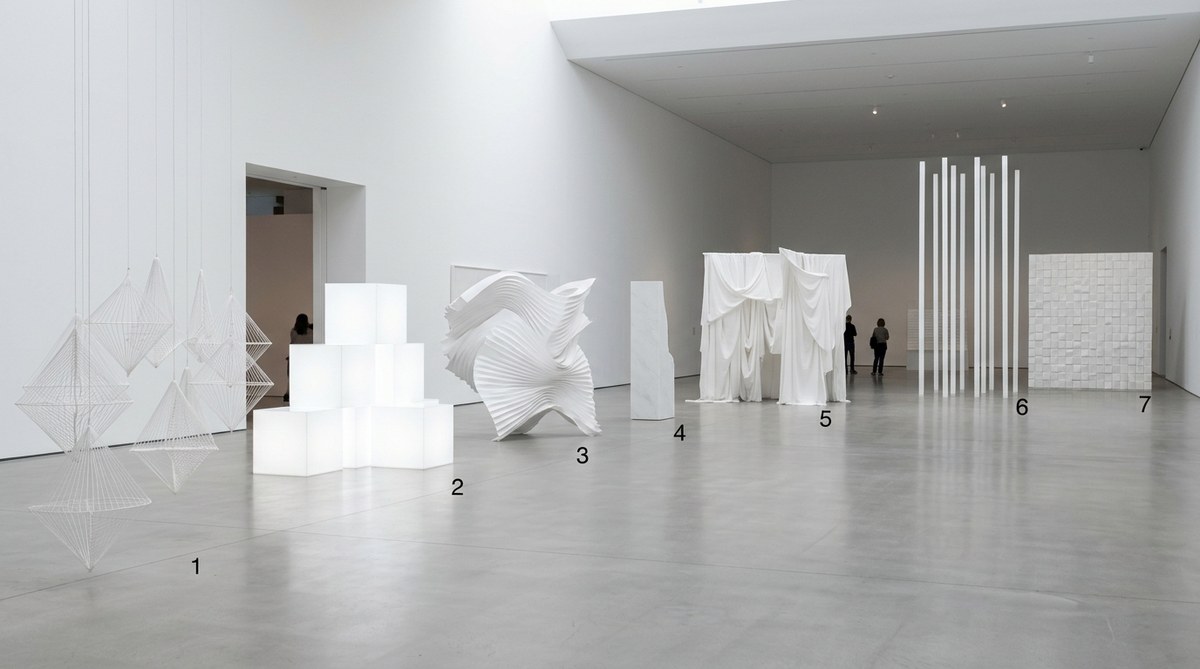
White is not empty. In the right hands, a single shade becomes a full sensory experience. For decades, artists have stripped their palettes down to one color, forcing viewers to notice texture, shadow, and the subtle shifts of natural light. These single-color art installations white spaces do not lack color. They amplify what is already there. They ask you to slow down, to look closer, and to feel the room around you.
Single-color art installations white use a restricted palette to heighten awareness of form, light, and space. By removing chromatic distraction, these works turn galleries into meditative environments. Whether you are curating a show or studying color theory, understanding how white functions as an active material will change how you see minimalism.
Why White Demands a Second Look
Most people think of white as a background. A blank wall. A waiting room. But in the world of single-color art installations white, the color becomes the protagonist. Artists like Robert Ryman and Kazimir Malevich understood that white is not a void. It is a surface that catches every change in the atmosphere.
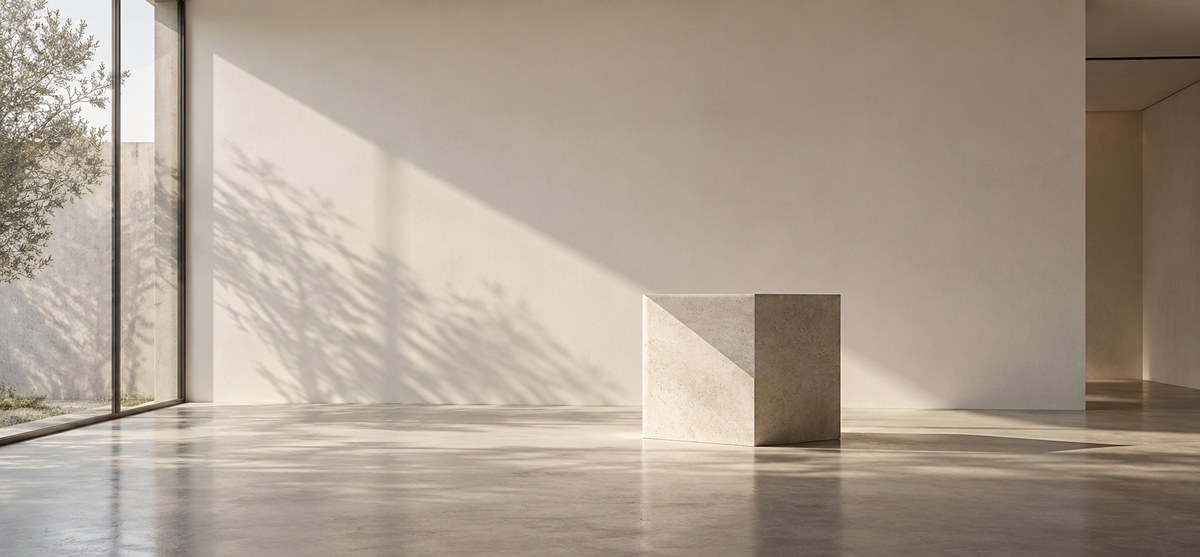
When you walk into a room painted entirely in one shade, your eyes adjust. You start to see the grain of the plaster, the angle of the light, the way your own shadow falls on the floor. That is the point. These installations are not about the object. They are about your relationship to the space.
The Mechanics of a Monochrome Space
Creating a successful single-color installation takes more than buying a bucket of paint. Artists and curators must control every variable. Here is a breakdown of the essential elements that make these spaces work.
- Surface texture. A smooth wall reflects light evenly. A rough one creates tiny shadows that shift throughout the day.
- Lighting temperature. Warm light (around 2700K) makes white feel soft and inviting. Cool light (5000K) makes it feel clinical and sharp.
- Viewing distance. Up close, you see brushstrokes and imperfections. From across the room, the surface becomes a flat field of color.
- Time of day. Natural light changes the hue of white from blue to gold. The best installations account for this cycle.
These four factors turn a simple room into a living artwork. If you are planning your own installation, start by testing your lighting at different hours. A space that looks perfect at noon may feel flat at dusk.
Common Mistakes and How to Fix Them
Even experienced curators slip up when working with white. The table below outlines the most frequent errors and their solutions.
| Mistake | Why It Happens | How to Fix It |
|---|---|---|
| The space feels flat | Using only one paint finish | Mix matte and gloss surfaces to create depth |
| The color reads as dirty | Mixed lighting sources (warm + cool) | Standardize all bulbs to the same Kelvin rating |
| The room feels small | Walls are too close to the viewer | Add a reflective element like a mirror or polished floor |
| Shadows look harsh | Single overhead light | Diffuse light with fabric or frosted panels |
| Visitors rush through | No focal point or visual anchor | Place a single textured object at eye level |
“The mistake people make is thinking white is easy. It is the hardest color to control because it reveals everything. Every mistake, every dust particle, every uneven seam. That honesty is what makes it powerful.” – Curator interview, Art in America, 2025.
How to Curate a White Installation
If you are a design student or a curator planning a show, follow this process to build a cohesive single-color experience.
- Choose your white. Not all whites are the same. Titanium white has a cool blue undertone. Zinc white is warmer. Mix your own to match the mood.
- Control the entry. Let visitors transition from a colorful space into the white room. The contrast resets their perception.
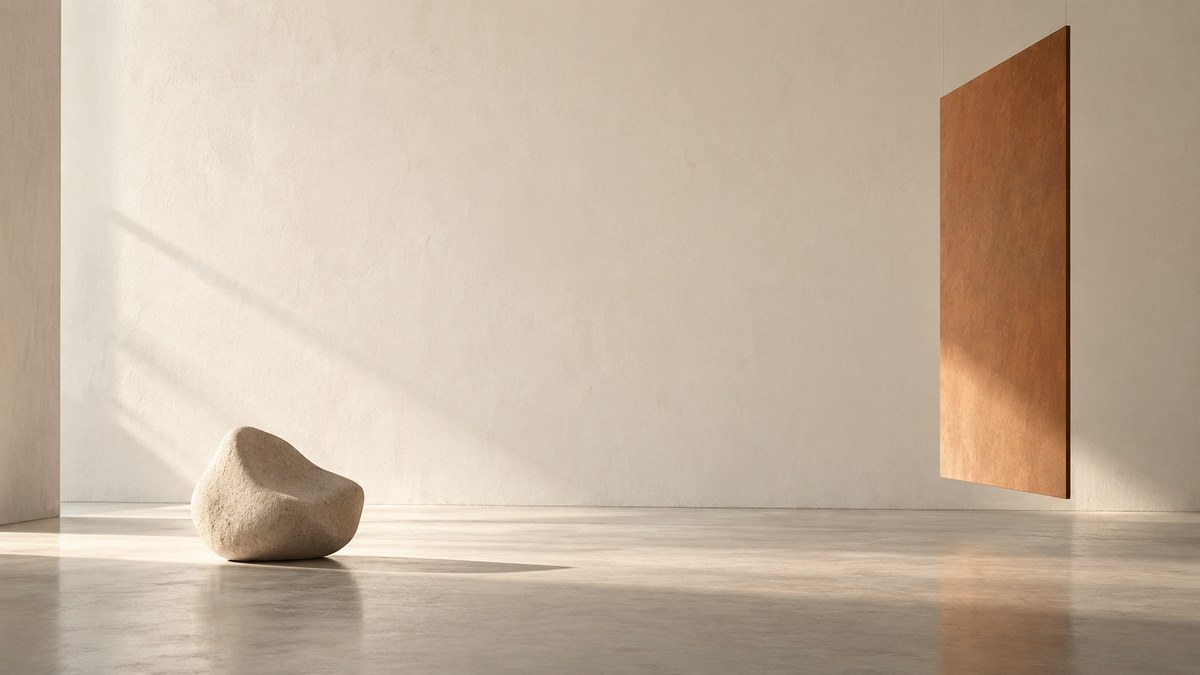
- Limit the objects. A single chair, a strip of light, a pile of salt. One element is enough.
- Let the room breathe. Leave empty space around each object. Crowding kills the effect.
- Document the light. Photograph the installation at three different times of day. You will notice changes you missed in person.
These steps apply whether you are working in a massive gallery or a small studio. The principles scale down beautifully. In fact, many of the best single-color art installations white started as small experiments in borrowed rooms.
The Artists Who Changed the Game
Some names come up again and again when discussing single-color work. Their approaches vary, but the goal is the same: to make you see white as a living substance.
Robert Ryman spent his entire career exploring white paint. He used different supports: canvas, aluminum, fiberglass. Each surface changed how the white behaved. His work is a masterclass in texture.
James Turrell creates rooms of pure light. His “Ganzfeld” installations flood a space with colored light until the walls disappear. When he works in white, the effect is like standing inside a cloud. There is no horizon, no edge. Just light.
Kazimir Malevich painted “White on White” in 1918. It was a square tilted against a slightly warmer square. At first glance, it looks like nothing. But stare long enough, and the subtle difference between the two whites becomes a chasm.
These artists prove that single-color art installations white are not about simplicity. They are about precision. Every brushstroke, every lumen, every degree of angle matters.
How Light and Space Work Together
You cannot talk about white installations without talking about light. The two are inseparable. A white surface is a sponge for light. It absorbs, reflects, and transforms depending on the source.
Natural light is the most dynamic partner. It shifts from cool blue in the morning to warm gold in the afternoon. A white room that faces east will look completely different at sunset than it did at dawn.
Artificial light gives you control. With dimmers and color-tunable LEDs, you can create a range of moods. Low, warm light makes a space feel intimate. Bright, cool light feels expansive and calm.
For a deeper look at how illumination shapes minimalist environments, read our guide on the art of light and space in minimalist interior design. It covers the technical side of lighting for galleries and homes.
Why White Installations Work in Any Space
You do not need a white cube gallery to try this at home. A single-color installation can transform a hallway, a bedroom corner, or a studio. The key is commitment. You cannot half-step into white.
If you paint one wall white and leave the rest colorful, you get an accent wall. That is not an installation. To create the real effect, you need to envelop the viewer. Paint all four walls. Paint the ceiling. Paint the floor if you can. Use the same finish throughout.
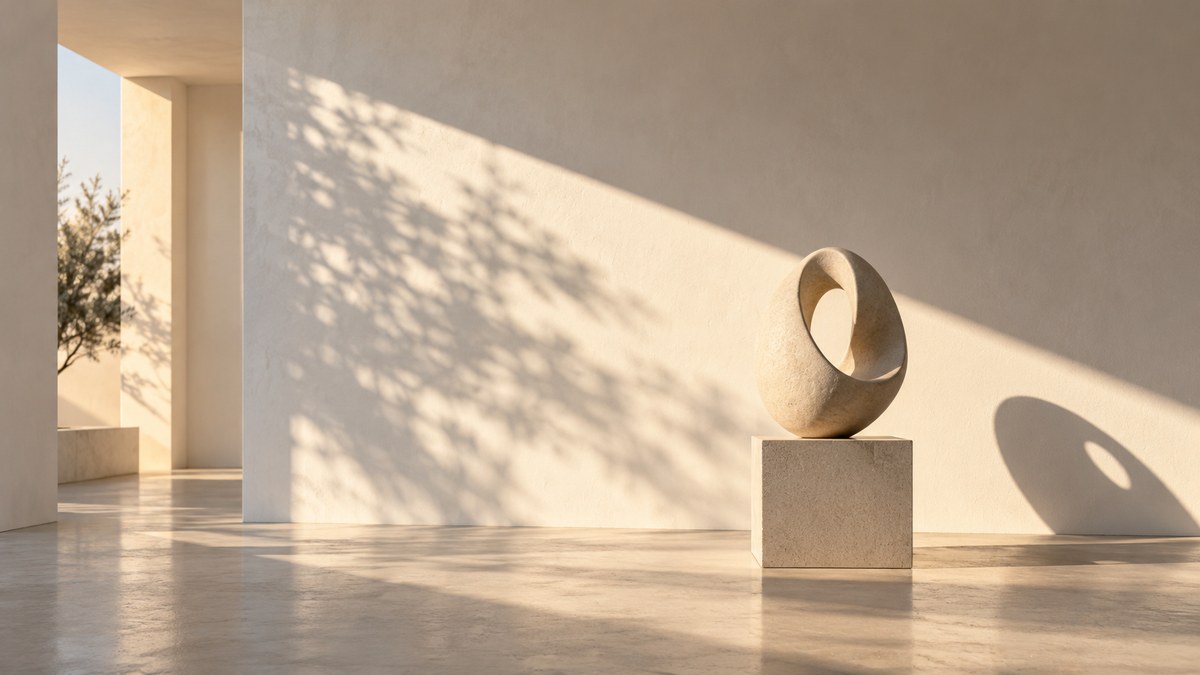
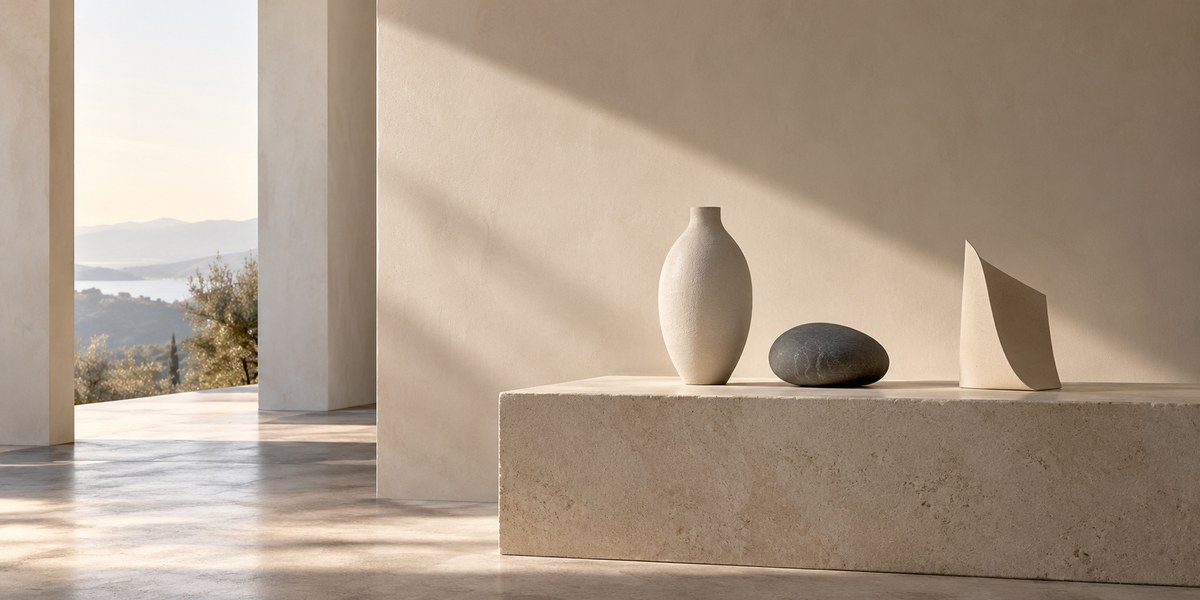
Then add one element. A single white sculpture. A beam of light. A pile of white sand. The contrast between the uniform space and the object creates tension. That tension is what makes the installation memorable.
The Emotional Impact of a White Room
White is often described as peaceful, sterile, or cold. But in the context of single-color art installations white, the emotion depends on the execution.
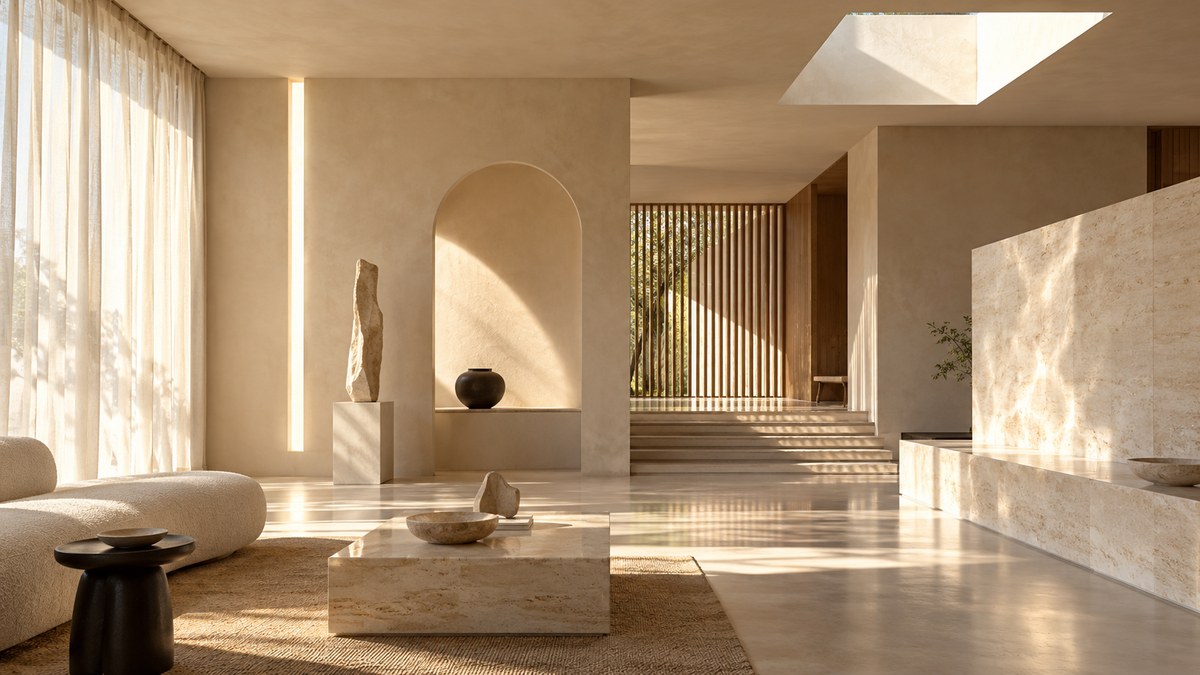
A room with soft, warm light and textured walls feels like a sanctuary. Visitors speak in whispers. They stay longer. They breathe deeper.
A room with harsh light and glossy surfaces feels like a lab. It is unsettling. That is also valid. Some artists use that discomfort to make a point about surveillance, cleanliness, or control.
As a curator, you get to choose the emotional tone. Your lighting, your materials, your objects. They all send a message.
The Future of White Installations in 2026
This year, we are seeing a shift toward sustainable materials. Artists are using recycled plaster, natural limewash, and biodegradable pigments. The white is no longer just a color. It is a statement about material honesty.
There is also a rise in participatory installations. Viewers are invited to touch the surfaces, leave marks, or add their own white objects. The installation becomes a living record of human presence.
If you are interested in the broader trends shaping this field, check out our article on 8 minimalist art installations redefining spatial design in 2026. It covers new works that push the boundaries of color and form.
A Simple Framework for Your Next Visit
When you encounter a single-color installation, use this mental checklist to get the most out of the experience.
- Walk to the center of the room. Stop. Look around for thirty seconds without moving.
- Notice the edges. Where does the wall meet the floor? Is the line sharp or soft?
- Look at the light source. Is it natural, artificial, or both? How does it change the color?
- Find the imperfection. A crack, a drip, a fingerprint. That is where the artist’s hand lives.
- Stay for five minutes. Your perception will shift after the first minute.
This practice turns a passive viewing into an active conversation with the space.
Finding Your Own White
Single-color art installations white are not a trend. They are a tool for seeing the world differently. By removing color, we remove distraction. What remains is form, light, and presence.
Whether you are a curator planning a show, a student studying color theory, or a designer looking for inspiration, start with one color. Start with white. Let it teach you what it means to look.
For more on how minimalism shapes the way we build and inhabit spaces, read about creating harmonious art spaces with minimalist design principles. It pairs well with the ideas in this article.
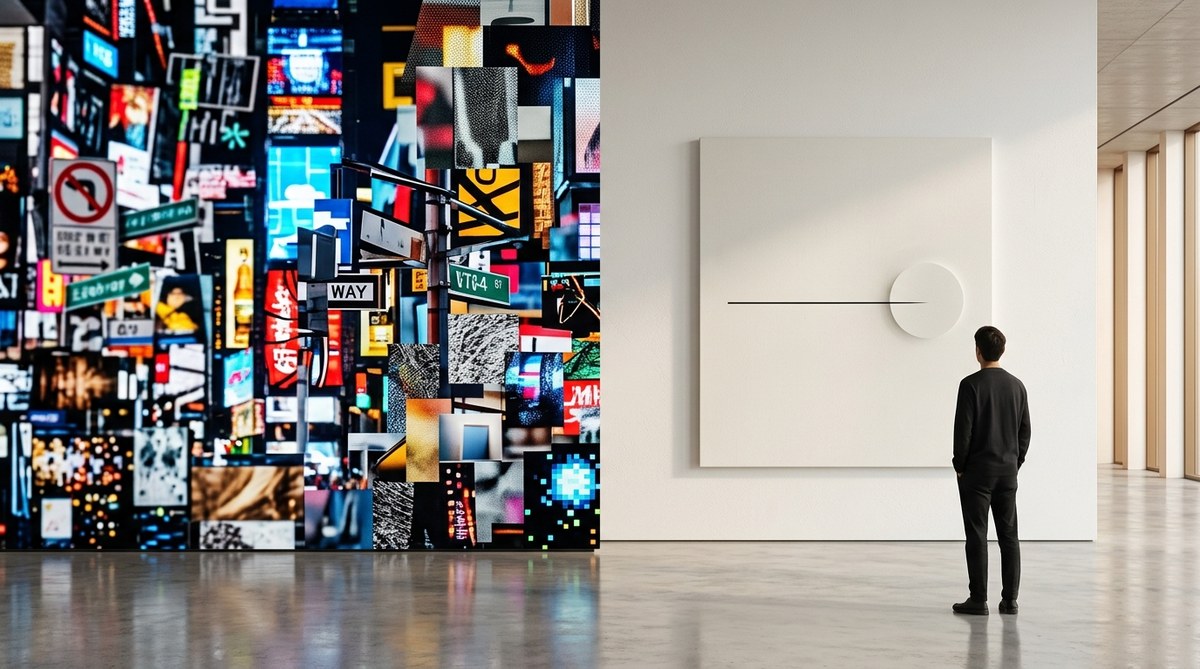
The next time you walk into a white room, do not look at the walls. Look at the air. Look at the light. Look at yourself standing in it. That is the installation.

Leave a Reply