
“`
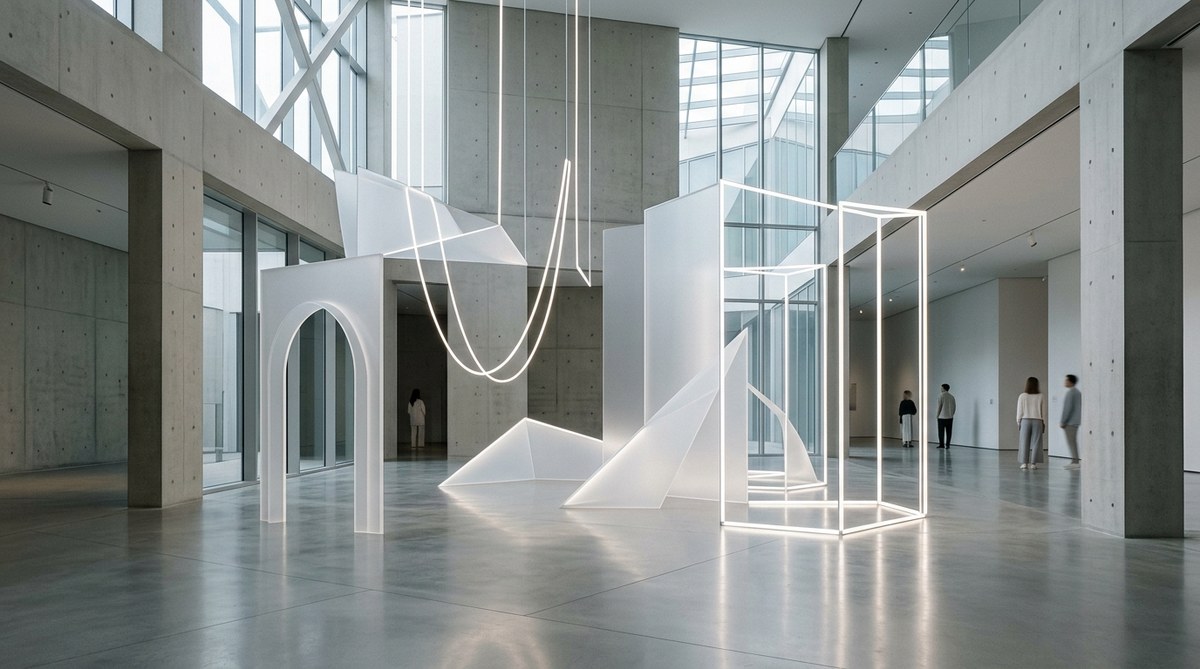
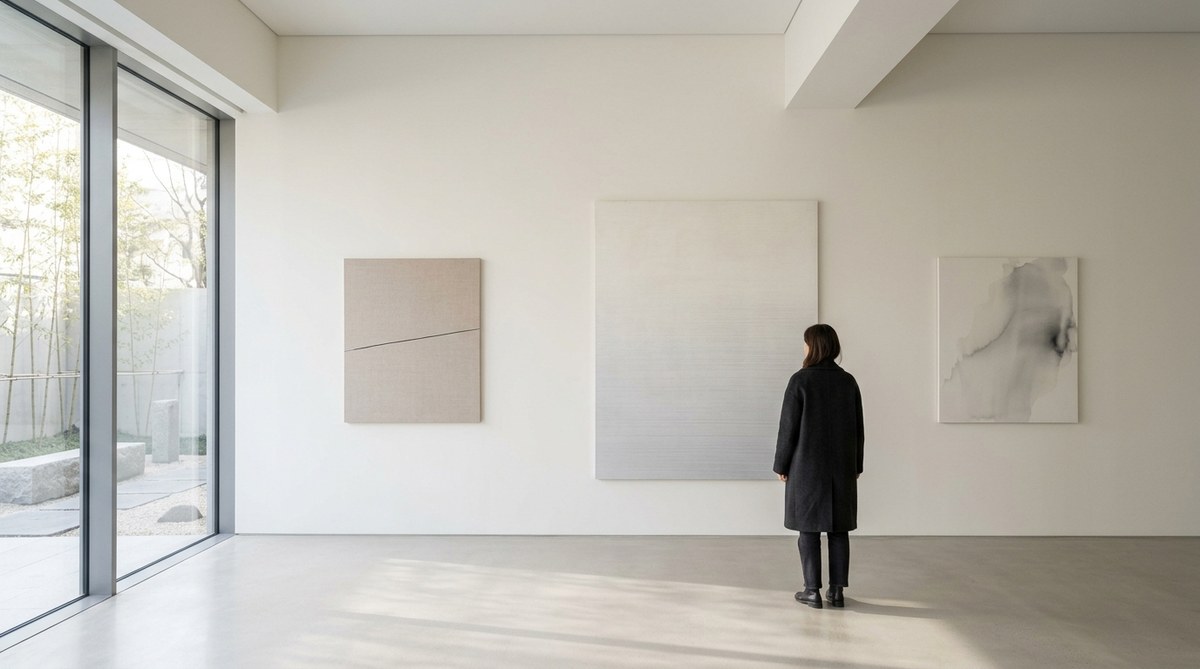
In 2026, the boundary between art and architecture has never been softer. Walk into a gallery or a thoughtfully designed home, and you might find a single polished concrete block, a suspended filament of light, or a reflective basin that seems to hold the sky. These are not empty gestures. They are minimalist art installations that actively shape the way we move through and feel about a room. For interior designers, architects, and art enthusiasts, the shift is profound. Space is no longer a backdrop. It becomes part of the artwork itself.
Minimalist art installations in 2026 prioritize spatial experience over visual clutter. They use pure geometry, natural materials, and intentional light to define zones without walls. Designers can adopt similar principles by focusing on negative space, choosing a single focal object, and using subtle transitions. The result is a calm, fluid environment that feels both expansive and grounded.
The Shift Toward Spatial Minimalism in 2026
A decade ago, minimalist design often meant white walls and sparse furniture. Today, it means something richer. The installations featured in this year’s most talked about exhibitions do not just sit in a space. They create space. They carve out volumes, guide sightlines, and transform a square footage into a journey.
One reason for this evolution is the growing influence of artists who work directly with architects. Think of a long, low bench that stretches across a gallery floor. It is not a seat. It is a line that divides the room into two distinct zones. The material is matte plaster with a subtle texture. The light hits it differently at each hour. That bench becomes the organizing principle of the whole room. This kind of thinking is now moving from galleries into residential and commercial interiors.
For a deeper look at how these aesthetics are being applied in real world projects, check out our article on embracing minimalist aesthetics in contemporary art spaces.
Eight Installations That Are Changing the Game
Every installation on this list does something unexpected with its constraints. None of them shout. They whisper, but the whisper carries.
1. The Levitating Slab by Mira Kudo
A three ton basalt slab appears to float three inches above the ground. The illusion comes from a thin channel of LED light around its base. The slab anchors the room while the light dissolves the connection to the floor.
2. Curtain of Air by Studio Olafur
Hundreds of nearly invisible nylon filaments hang from ceiling to floor. They move with the slightest air current. Walking through them changes your sense of boundary. The installation turns a corridor into a breathing membrane.
3. The Water Line by Elena Voss
A shallow trough of black water runs the length of a 60 foot room. A film of oil on the surface creates a mirror. The water line acts as a horizon, splitting the room into upper and lower halves. Visitors instinctively walk along its edge.
4. Monochrome Horizon by Tadao Ando Studio
A concrete wall curves gently to block direct sightlines. Behind it, a single vertical slit lets in a beam of afternoon sun. The wall creates a pocket of stillness. The light moves across the wall over hours, marking time.
5. The Void Room by Yayoi Kusama Foundation
Not a new work, but a 2026 reinstallation that uses a mirrored box with a single hanging orb. The orb is lit from within. The mirrored walls make the room feel infinite. The orb becomes the only fixed point in an endless universe.
6. Sand Slate by Ryuichi Sakamoto Architects
A floor of compacted sand and resin is raked into concentric circles. Visitors walk on it barefoot. The circular pattern echoes the shape of the room. The installation makes you aware of every step.
7. Paper Cloud by Simplicity Studio
Thousands of sheets of handmade paper are suspended at varying heights. They are treated with wax to catch the light. The cloud shifts with air currents. The installation turns a high ceiling into a dynamic ceiling plane.
8. The Line That Walks by Kengo Kuma + Team
A continuous ribbon of wood bends up from the floor, curves into a seat, then rises to become a shelf. It never breaks. The ribbon guides the eye through the room and suggests a path for the body.
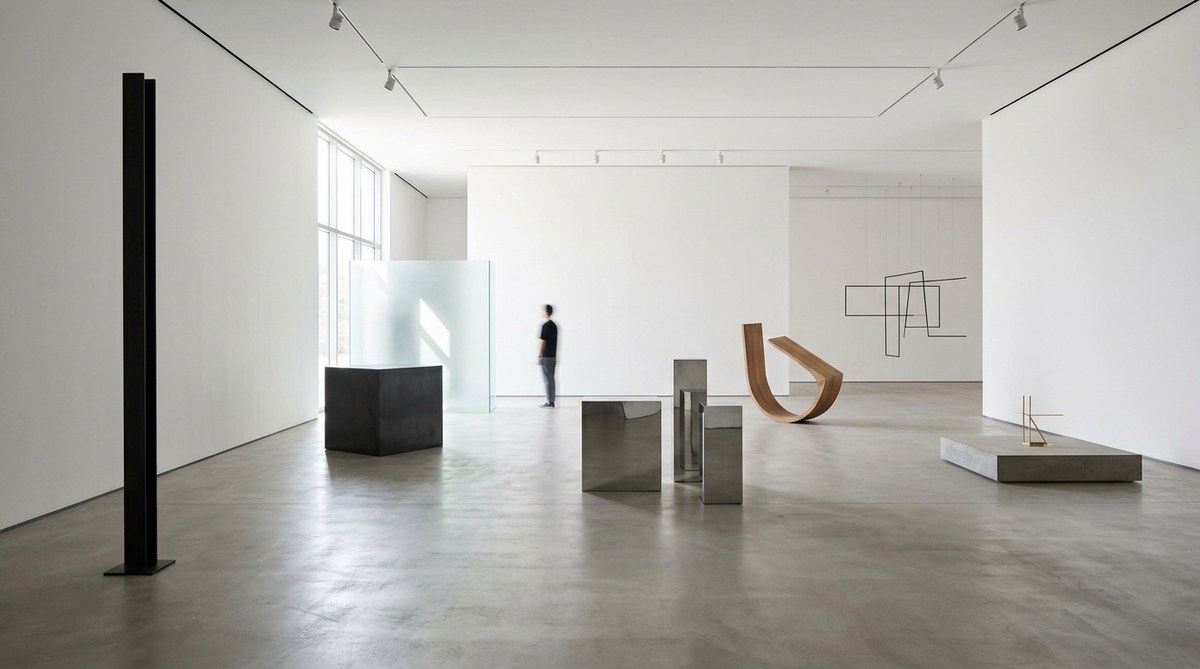
These installations share a common thread: they use a single gesture to organize a whole space. For a closer look at how light and openness work in such settings, read about the art of light and space in minimalist interior design.
How to Translate Installation Principles into Your Own Space
You do not need a museum budget to borrow from these ideas. The following steps offer a practical process for applying installation thinking to a room you design or live in.
-
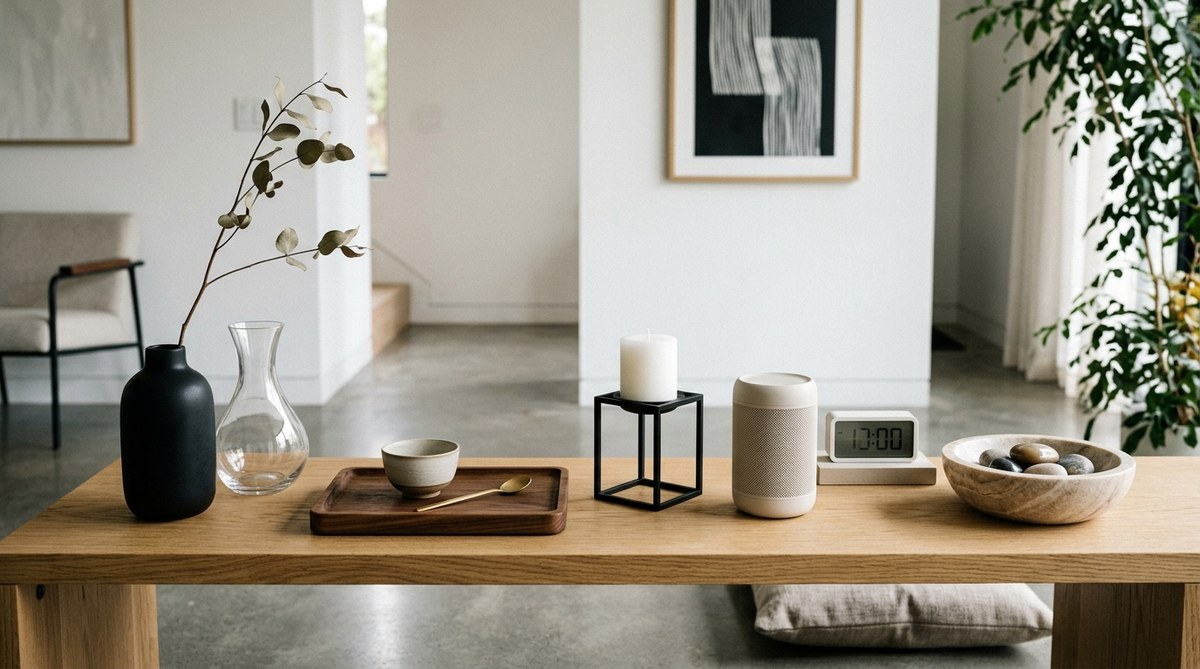
Identify a single focal point. Pick one object, light source, or material that will anchor the room. It could be a large stone, a pendant lamp, or a textured wall. Everything else should support that one thing.
-
Clear the periphery. Remove all visual noise within a three foot radius of the focal point. This includes outlets, switches, and small decorative objects. Let the focal point breathe.
-
Define a path. Use a rug, a line of light, or a change in flooring material to create a subtle circulation route. The path does not need to be straight. It just needs to be intentional.
-
Control natural light. Use sheers or adjustable blinds to create a specific quality of light during different times of day. Consider how shadows will fall on your focal point.
-
Edit ruthlessly. Walk around the room with a camera. Look at your photos. If something distracts from the focal point or the path, remove it. Trust the emptiness.
These steps are drawn from the work of artists who treat space as a material. For more foundational knowledge, you might enjoy our guide to 7 essential principles of minimalist art spaces in 2026.
Key Elements That Define Minimalist Installations
Art installations that succeed in reshaping space tend to share certain qualities. Here is a quick reference list:
- Material honesty. The material is not disguised. Concrete is concrete. Steel is steel. The surface shows its making.
- Light as a building tool. Light is treated like a solid. It carves edges, creates depth, and marks time.
- Scale that relates to the human body. The installation is not too large or too small. It makes you feel your own size.
- Negative space as active volume. The empty areas around the object are just as important as the object itself.
- Minimal color palette. Usually one dominant hue plus the color of the light. White, gray, black, and earth tones rule.
- Movement invitation. The installation encourages you to walk around it, through it, or pause at a specific spot.
- Tactile surface. Even if you cannot touch it, the surface looks touchable. Texture adds depth without clutter.
These elements are not rules but patterns. They appear in the work of established minimalists and in the freshest 2026 installations. If you want to go deeper into the relationship between object and background, read about discovering the power of negative space in minimalist art.
Common Mistakes to Avoid
When trying to bring installation thinking into a space, even experienced designers slip up. The table below contrasts common missteps with better approaches.
| Mistake | Solution |
|---|---|
| Adding too many objects near the focal point | Keep only one object within 4 feet. Group other items outside that radius. |
| Using a busy pattern on walls or floors | Choose solid, matte surfaces. Let the installation provide texture. |
| Ignoring the ceiling | Treat the ceiling as a fifth wall. Paint it dark or leave it bare. Avoid recessed lights that break the plane. |
| Forgetting sightlines from doorways | When you walk in, you should see the focal point immediately. Remove anything that blocks the view. |
| Over lighting the installation | Use one directional source and let the shadows fall naturally. Ambient wash kills drama. |
| Matching materials exactly | Slight variations in shade or grain add interest. Perfect matching creates a flat look. |
Avoiding these mistakes saves you from creating a space that feels harsh or unfinished. For a more detailed breakdown of how balance works in minimalism, see our post on mastering spatial harmony through minimalist art and design.
The Role of Light and Material
Light is the invisible hand of minimalist installations. It can make a heavy object feel weightless or a thin line feel solid. The best installations in 2026 treat light as a physical material.
“You do not illuminate a space. You carve it with light. The shadows are the walls.”
– Studio Olafur, in a 2026 interview for Minimalism.sg
Materials in 2026 lean toward the raw and the tactile. Polished concrete, raw steel, unfinished wood, hand troweled plaster, and basalt are common. These materials absorb light differently than glossy surfaces. They create a quiet that invites touch. The combination of soft natural light and honest material is what makes an installation feel timeless.
For a look at how this interplay works in practice, read about transforming spaces with minimalist art installations.
The Next Wave in Spatial Minimalism
What will 2027 bring? Early signs point to more integration with nature. Several artists are already experimenting with living materials, such as moss walls that grow slowly or water channels that evaporate over weeks. The idea is that the installation changes over time, making the space itself a living document.
Another trend is the use of acoustic minimalism. Installations that absorb or redirect sound to create zones of quiet. Imagine a single large felt panel that hangs from the ceiling. It does not block visual space, but it creates an audible boundary. This is spatial design for the senses.
We are also seeing more installations that respond to movement. Sensors embedded in the floor or walls can change the light or projection as a person walks by. The space becomes interactive without screens or buttons. That feels like the most natural evolution of minimalism. The fewer objects, the more interaction can happen through the environment itself.
For those ready to apply these ideas in their own projects, our article on how minimalist art transforms contemporary space through light and form offers practical examples.
Bringing the Art Home
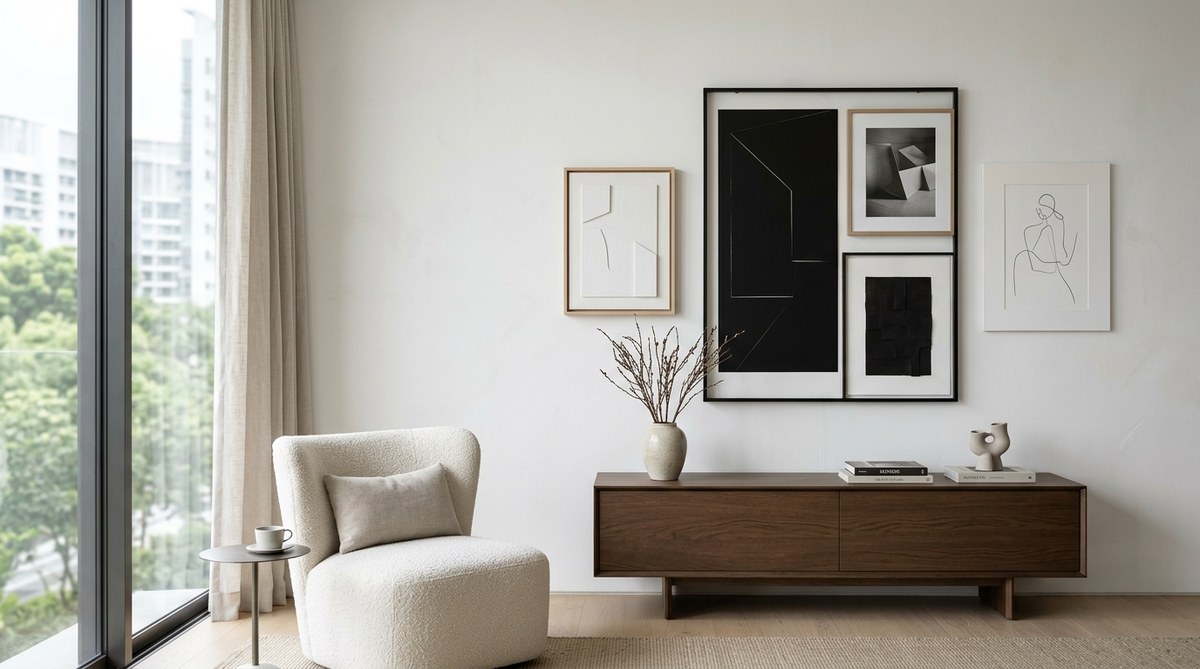
You do not need an art collection to think like a spatial minimalist. Next time you enter a room, look for the one thing that holds the space together. Is it a window? A piece of furniture? The way the ceiling slopes? That is your installation. Everything else can step aside.
Start with one room. Choose a focal object. Clear the area around it. Let the light do the rest. You will be surprised how much a single gesture can change the way you feel when you walk through the door. And if you get stuck, return to the installations above. They have already cracked the code.

Leave a Reply