
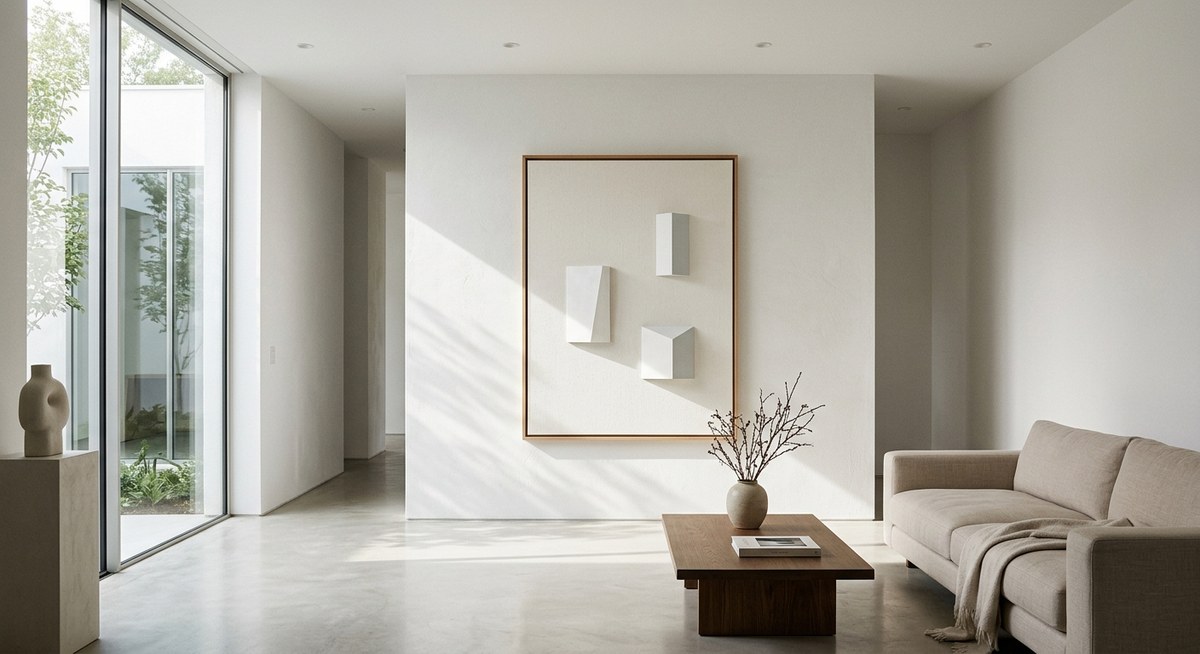
Transforming spaces into tranquil sanctuaries or vibrant modern statements often begins with a simple idea: less is more. Minimalist art, with its focus on clean lines, subtle shapes, and restrained color palettes, has become a powerful tool in shaping contemporary interiors and public environments. In 2026, its influence continues to grow, thanks to its ability to harness light and form to craft spaces that feel both calming and sophisticated. Whether you are an art enthusiast, interior designer, or student exploring this trend, understanding how minimalist art impacts space can elevate your design approach and inspire fresh ideas.
Minimalist art transforms modern spaces by emphasizing light and form to create calm, elegant environments. Its simplicity enhances architectural features and encourages thoughtful design, making spaces feel balanced and timeless in 2026.
The influence of minimalist art on contemporary spaces
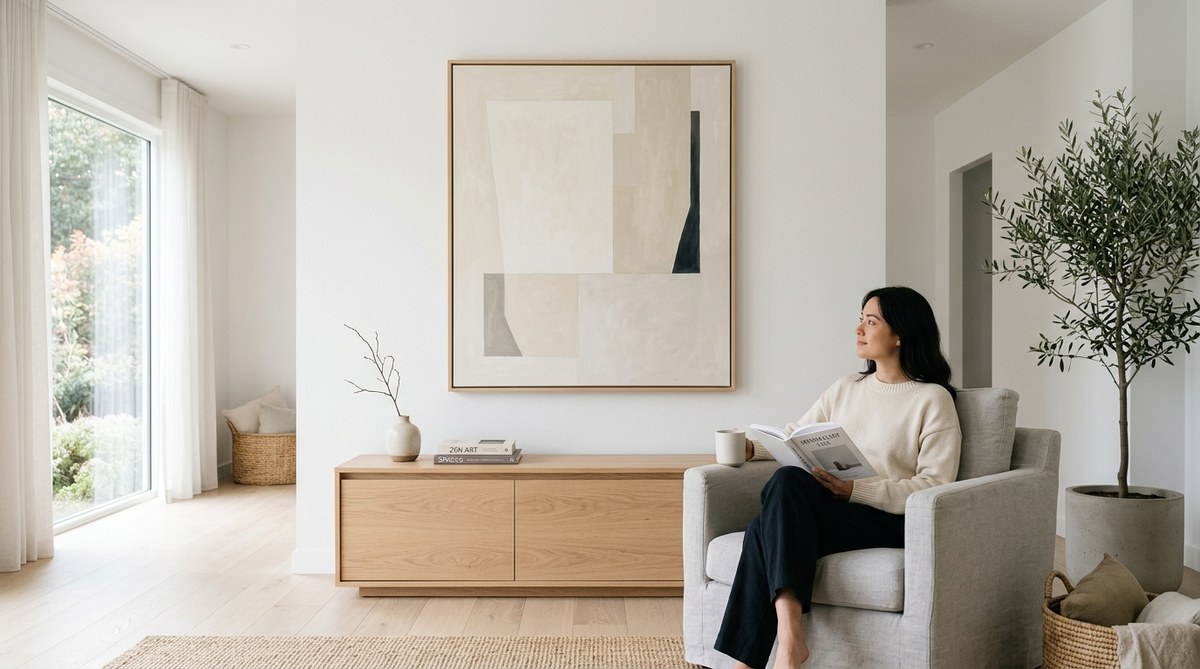
Minimalist art is more than just pared-down aesthetics. It embodies a philosophy of clarity and restraint, which can significantly impact how a space feels and functions. In recent years, both interior designers and public space creators have turned to minimalist principles to craft environments that are visually balanced and emotionally soothing. The key lies in how minimalist art interacts with light and form to shape the perception of space.
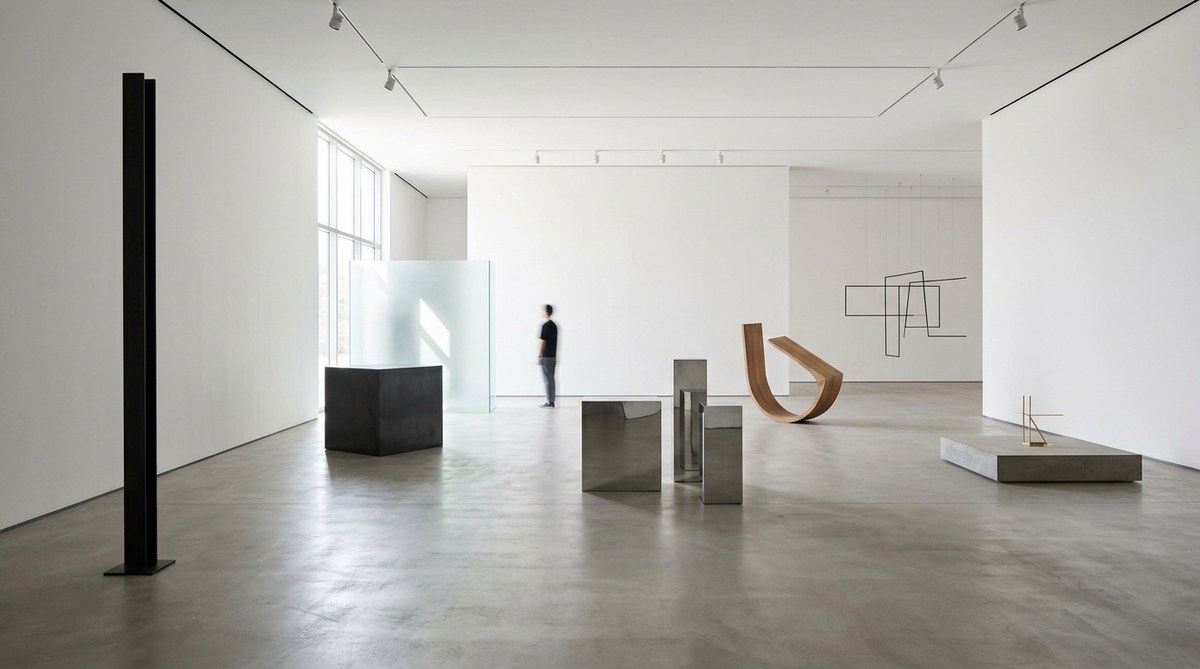
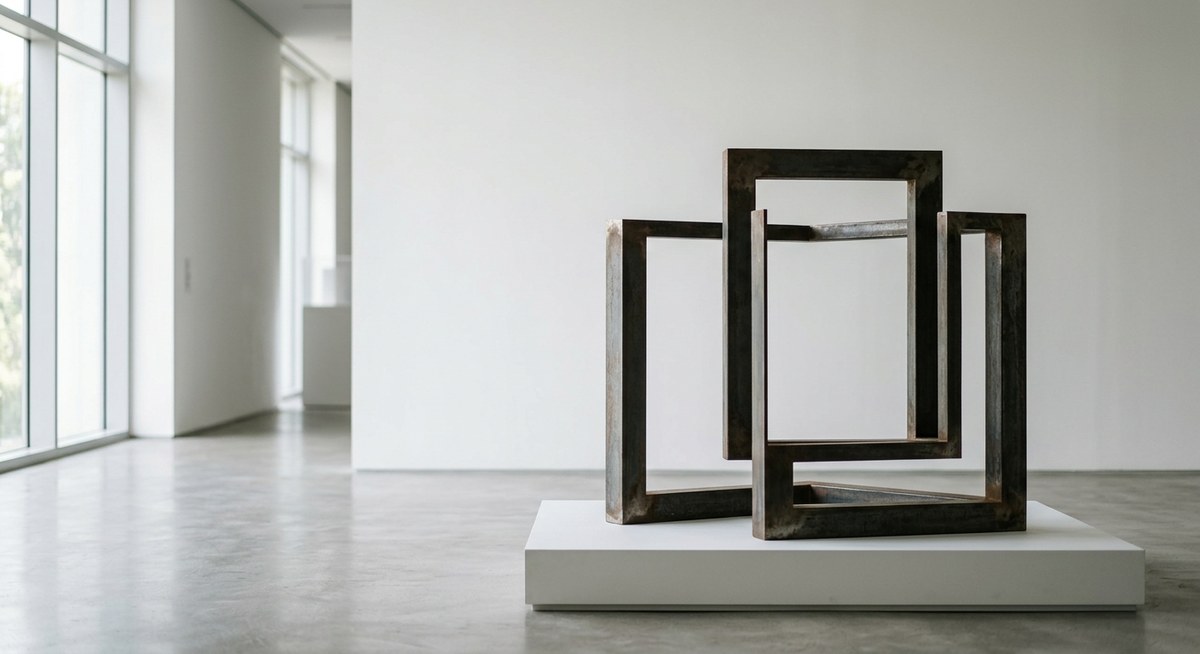
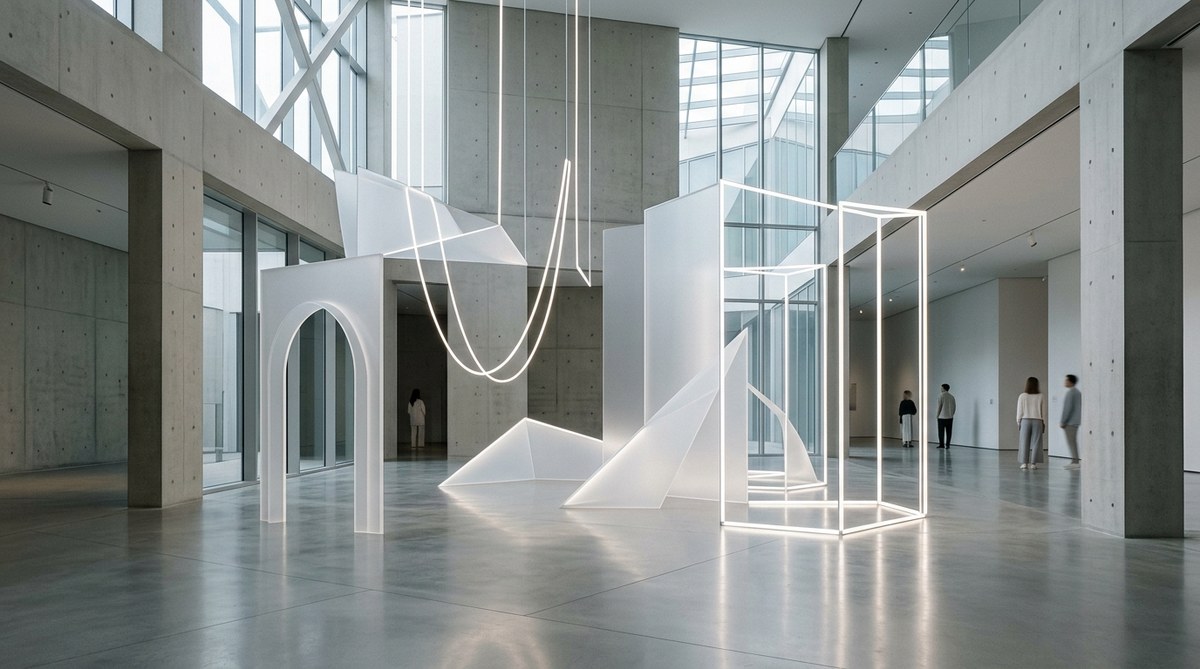
By focusing on simple geometric shapes and unadorned surfaces, minimalist art directs attention to the interplay of shadows, reflections, and textures. This interaction creates a sense of depth and movement without clutter. In galleries, offices, and even urban plazas, minimalist installations serve as focal points that add visual interest while maintaining a sense of calm.
How light and form shape minimalist space transformation
Light and form are essential elements in the minimalist aesthetic. They guide the viewer’s eye, define spatial boundaries, and evoke emotional responses. Here are ways minimalist art uses these elements to elevate contemporary environments:
-
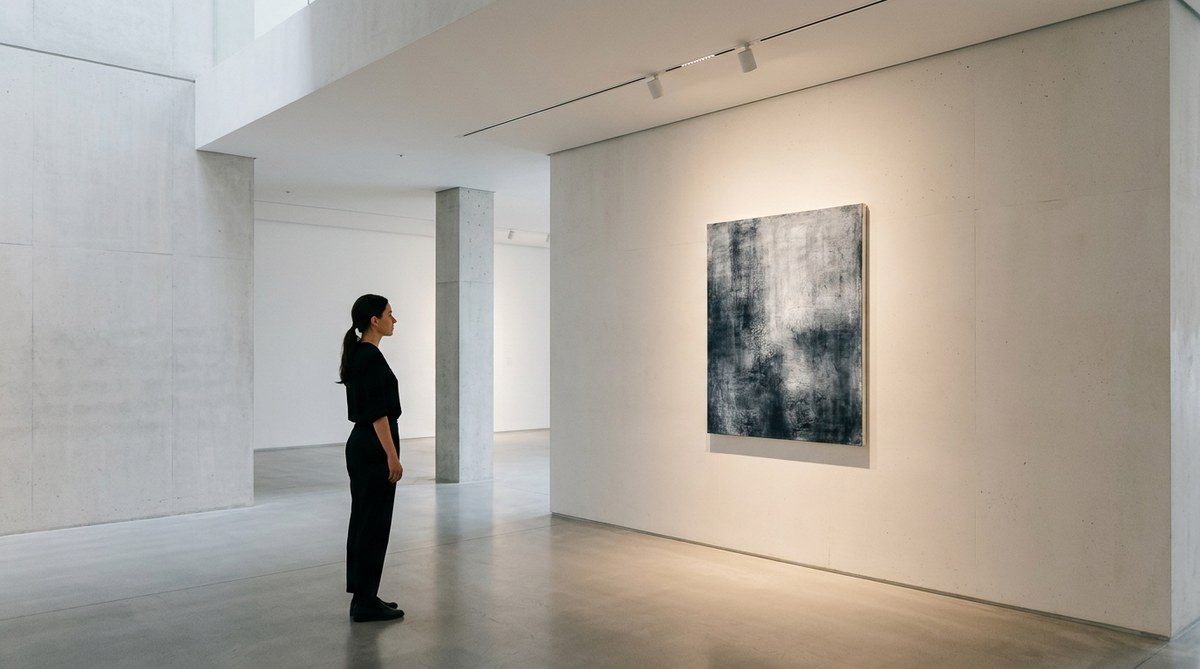
Light as a sculptural element: Natural and artificial lighting are used deliberately to highlight the simplicity of forms. Shadows cast by minimalist sculptures or wall pieces can add layers of depth or emphasize negative space. For example, subtle lighting in a lobby can create a serene ambiance, emphasizing clean lines and open space.
-
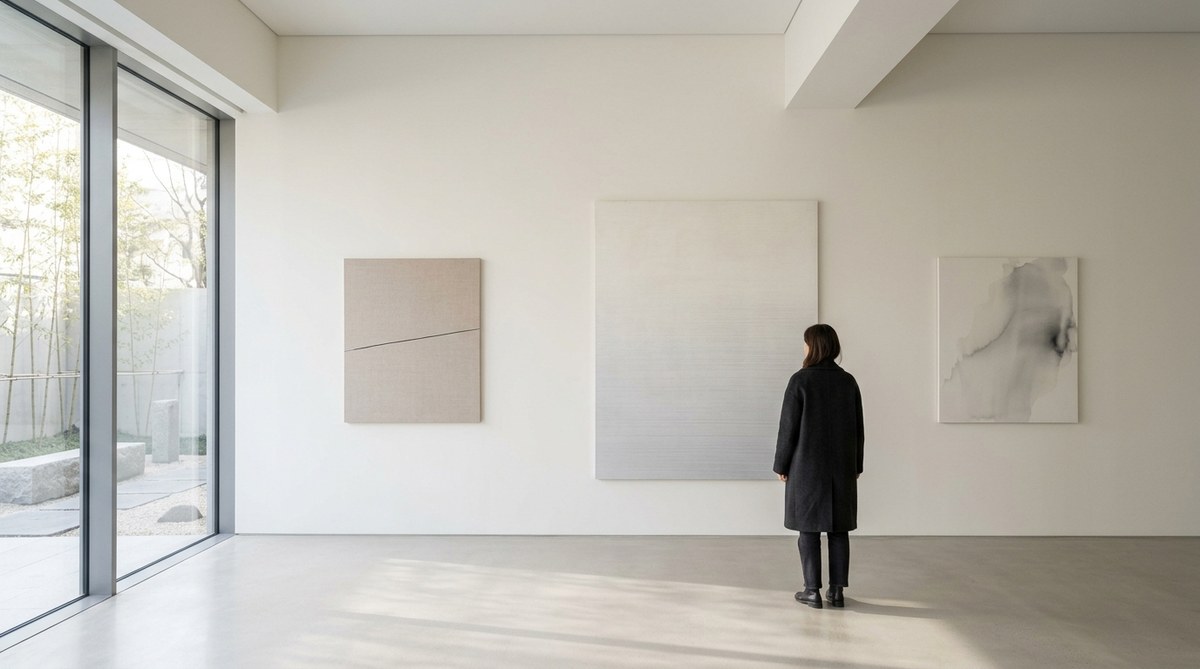
Form as a visual anchor: Geometric shapes like squares, rectangles, and circles serve as foundational forms in minimalist art. When strategically placed, they anchor the space, creating a sense of order and harmony. Large-scale wall pieces or freestanding sculptures can act as focal points that define the character of a room or outdoor area.
-
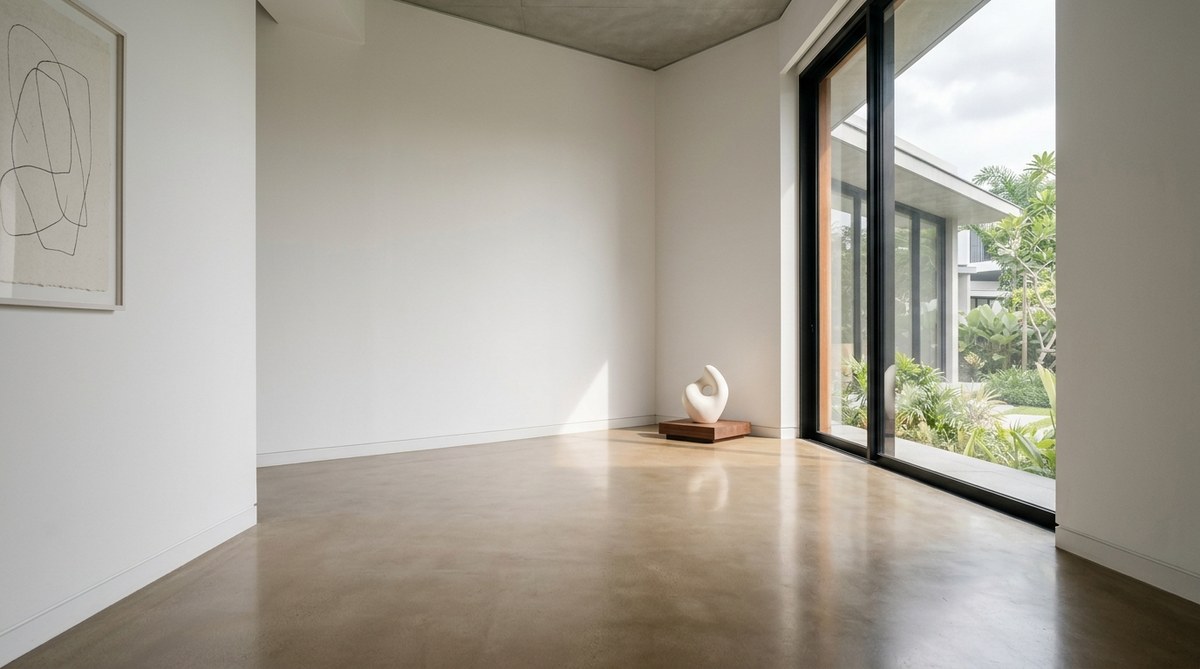
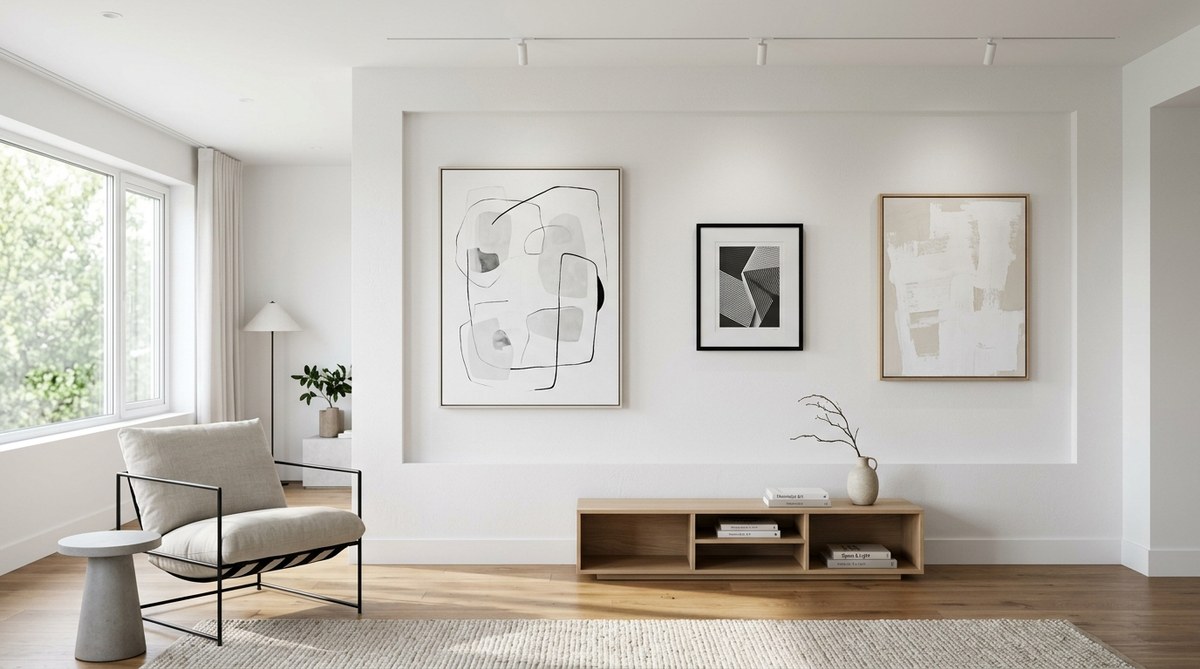
Negative space as a design tool: Minimalist art often relies on negative space to balance visual weight. This space allows the eye to rest and enhances the impact of the artwork. When incorporated thoughtfully, negative space can make a room feel larger and more peaceful.
Practical tips for using light and form in space transformation
To harness minimalist art effectively, consider these steps:
-
Assess the space and mood: Decide whether you want a calming retreat or a dynamic focal point. Minimalist art can adapt to both by adjusting the scale and placement.
-
Select geometric forms that resonate: Choose shapes that complement your architectural features. For instance, rectangular forms work well with modern rectangular windows.
-
Use lighting to accentuate features: Install adjustable lighting that can cast shadows or highlight textures. Consider wall washers or spotlights that focus on minimalist sculptures.
-
Maintain negative space: Avoid overcrowding. Leave plenty of room around your artwork to let light and form breathe.
-
Experiment with textures: Incorporate different materials like matte, polished, or textured surfaces to add subtle complexity without clutter.
As interior designer Laura Kim puts it, “Minimalist art is about creating a dialogue between light and space. When executed thoughtfully, it transforms an environment into a sanctuary of calm and clarity.”
Choosing minimalist art for your space
Selecting the right minimalist art requires understanding the mood you wish to establish and how the pieces interact with light and form. Here is a straightforward process:
-
Consider your space’s purpose: Is it a living room, office, or public area? Each setting benefits from different approaches to minimalism.
-
Match art with existing decor: Opt for art that complements your color palette and architectural details. Neutral tones and simple shapes tend to work best.
-
Prioritize quality: Look for high-quality materials and craftsmanship. Well-made pieces will stand the test of time and retain their visual impact.
-
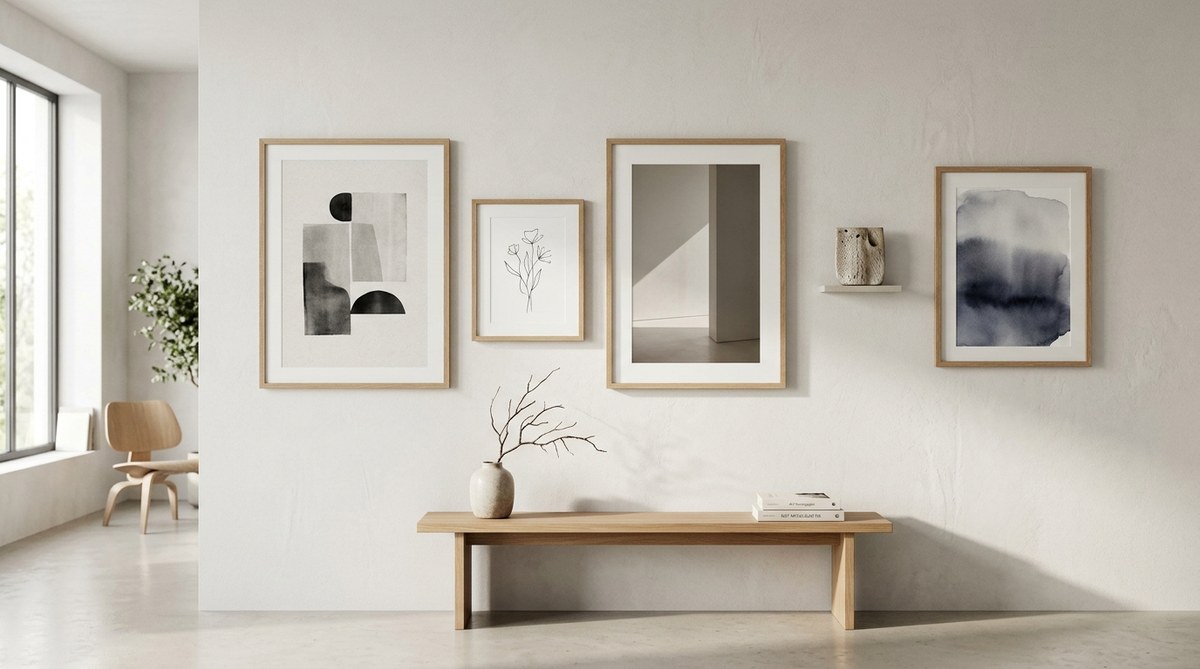
Pay attention to scale: Large pieces can serve as statement focal points, while smaller works add subtle accents.
-
Experiment with textures and materials: Combining matte and glossy surfaces or different materials like metal, wood, or stone enhances visual interest.
Practical process for integrating minimalist art
- Measure your wall or space to determine appropriate sizes.
- Choose a neutral or monochrome palette for versatility.
- Place focal pieces at eye level for maximum impact.
- Use lighting to enhance textures and shapes.
- Rotate or switch out pieces periodically to refresh the space.
Techniques and common pitfalls in minimalist space transformation
Implementing minimalist art successfully involves understanding effective techniques and avoiding common mistakes. Here’s a markdown table to clarify:
| Technique | What it achieves | Common mistake | How to avoid it |
|---|---|---|---|
| Emphasizing negative space | Creates calm and balance | Overcrowding artwork | Leave ample space around pieces |
| Using consistent lighting | Highlights form and texture | Poor lighting choices | Opt for adjustable, focused lighting |
| Choosing simple shapes | Reinforces minimal aesthetic | Overly complex forms | Stick to basic geometric shapes |
| Material contrast | Adds subtle depth | Lack of texture variation | Mix matte and glossy surfaces |
Remember, subtlety is key. Overloading a space with too many pieces or overly complex forms can disrupt the calming effect of minimalist art.
Final touches for a balanced, modern space
Creating a space that feels both modern and peaceful involves thoughtful placement and maintenance. Here are some practical tips:
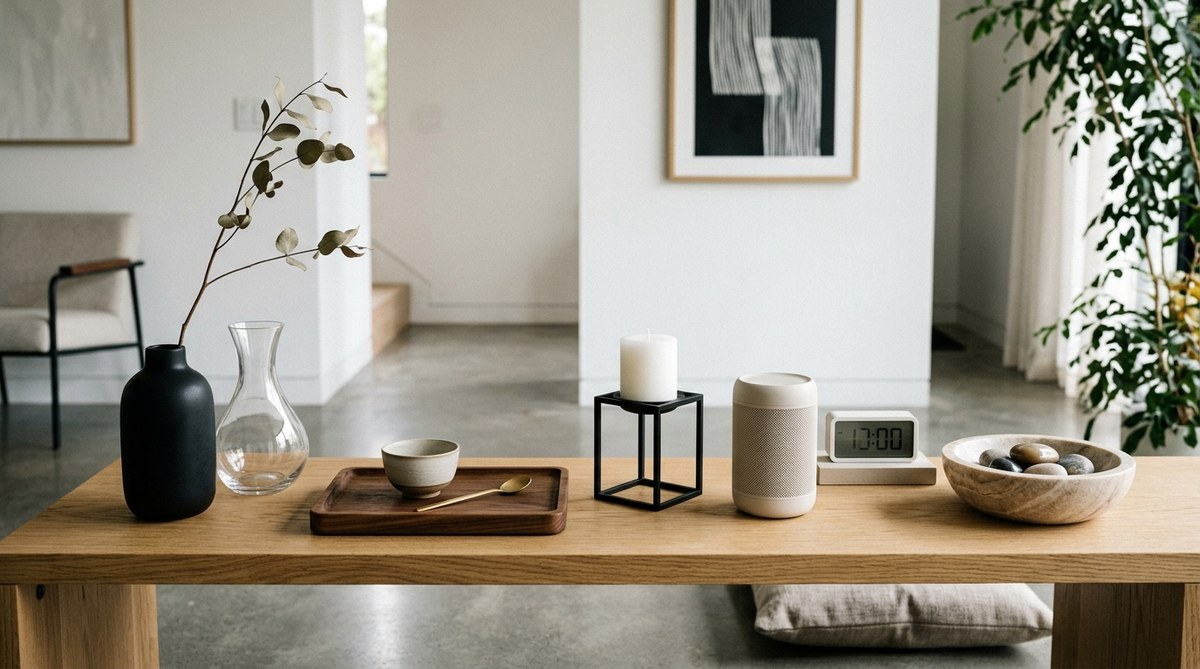
- Keep surfaces clutter-free to let artwork and light play their roles.
- Use soft, diffused lighting for a warm, inviting glow.
- Incorporate natural elements like plants to add life without clutter.
- Regularly clean and inspect art pieces to preserve their appearance.
- Adjust lighting and placement seasonally to optimize light quality.
A space that speaks through simplicity
Minimalist art and contemporary space transformation go hand in hand to craft environments that are both functional and beautiful. By focusing on light and form, you can create spaces that feel expansive and serene, perfect for unwinding or inspiring creativity. Remember, the key is restraint—selecting the right pieces and allowing room for light and negative space to breathe. Practical application of these principles can turn any room into a modern sanctuary that reflects clarity and elegance in 2026.
Transform your environment by embracing the beauty of minimalism. Let light illuminate your spaces and form define your style. Small changes can lead to spaces that feel more balanced, peaceful, and timeless.

Leave a Reply