
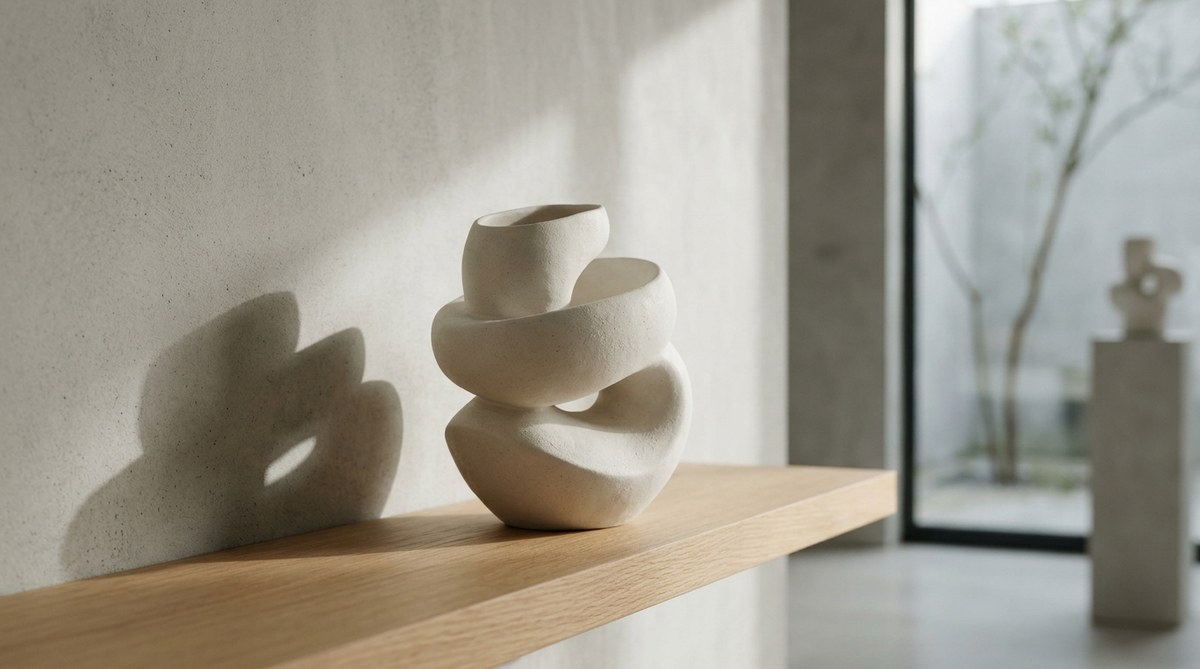
Minimalist objects tell stories through absence, texture, and careful placement. They do not use words, yet they communicate mood, memory, and meaning. By stripping away visual noise, minimalist design forces the viewer to become an active participant in the narrative. This article explains how to read and craft those silent stories in your own space.
The Silent Language of Objects
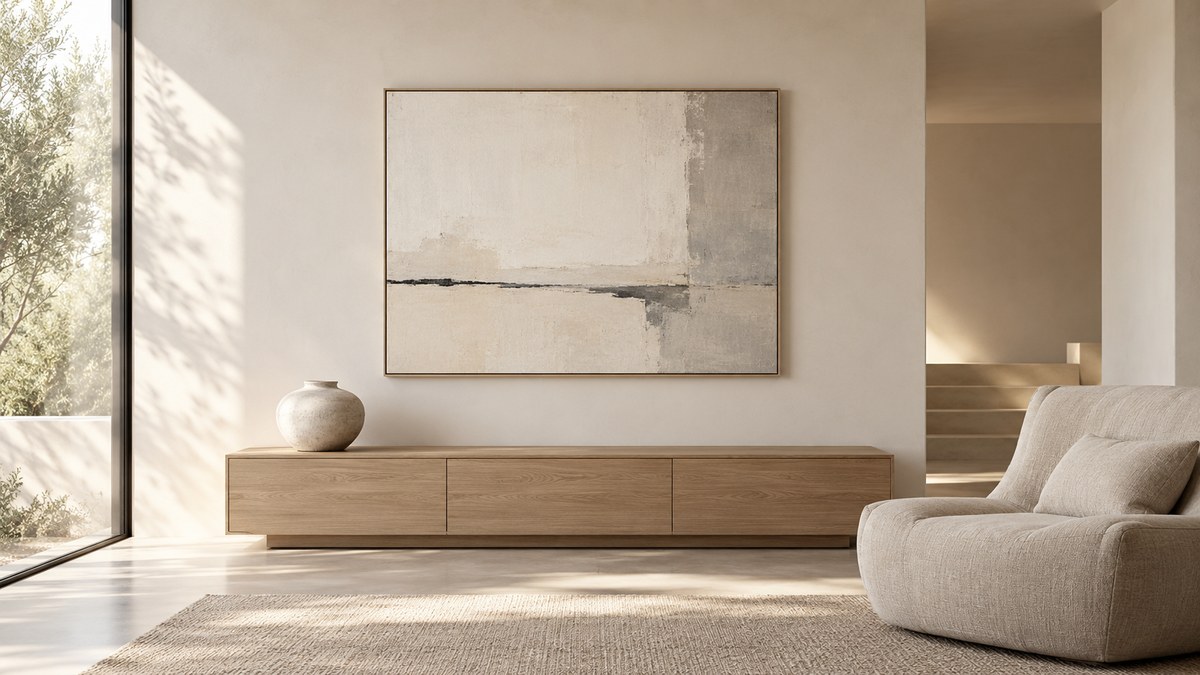
Think about the last time you walked into a room that felt completely calm. Maybe it was a gallery. Maybe a friend’s apartment. There was probably not much in it. But what was there felt intentional. A low wooden table. A single branch in a vase. The way the afternoon light fell across the floor.
That room was telling you a story. The story was not written in a caption. It was written in the space between things.
In minimalist art, every object carries weight. When you remove the clutter, what remains becomes significant. This is the core of the minimalism meaning in storytelling. It is not about having less for the sake of less. It is about making every element count.
Consider a classic example: a Donald Judd box. It is a simple rectangular form made of metal or Plexiglass. There are no decorations. No secrets. Yet when you stand in front of it, you feel something. The object forces you to notice its relationship to the wall, to the floor, to your own body. The story is not in the box. The story is in the space the box creates.
How Minimalist Objects Communicate Without Words
Minimalist objects speak using a vocabulary of form, material, and placement. Here are the main tools they use to tell a story.
1. Material Memory
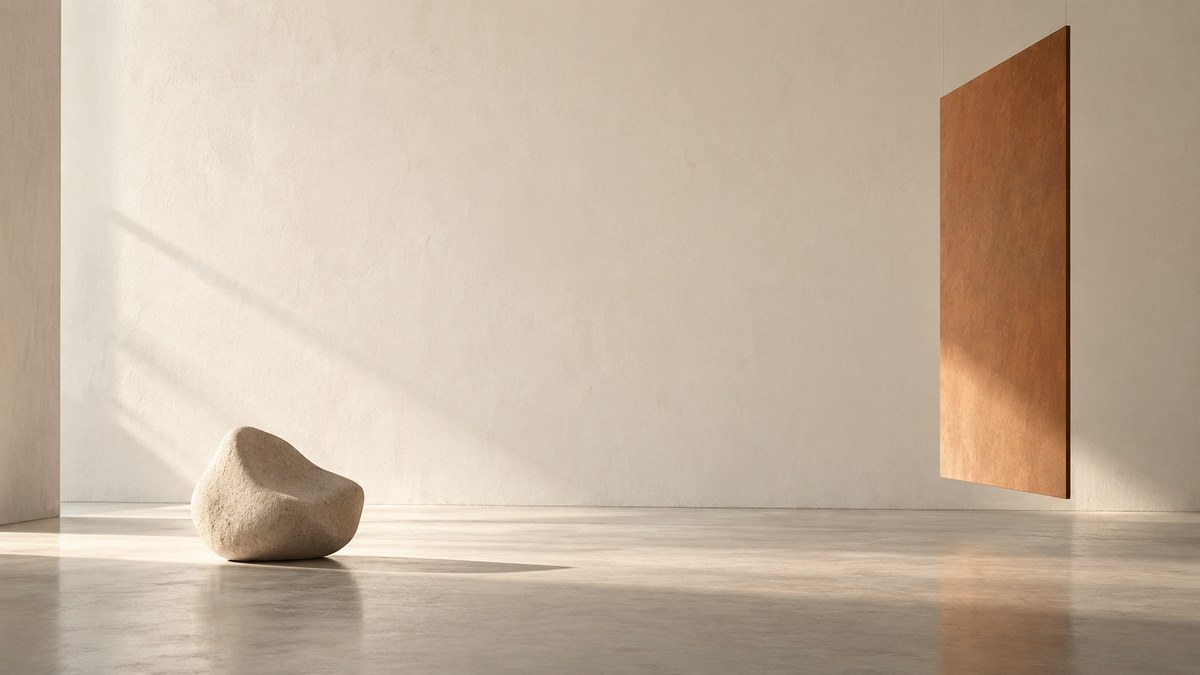
Materials carry their own history. Raw steel remembers the factory. Unfinished wood remembers the forest. A rough stone holds the memory of the mountain it came from.
When you choose an object made from a specific material, you are choosing a backstory. A smooth, polished concrete table tells a story of industrial precision. A linen curtain tells a story of natural fibers and slow time. The viewer does not need to be told this. They feel it.
2. Negative Space as a Character
Empty space is not nothing. In minimalist design, negative space acts like a character in a play. It gives the main object room to breathe. It creates tension. It suggests what is missing.
Think about a Japanese rock garden. The raked gravel is not just filler. It represents water. The rocks are islands. The empty space between them is the ocean. The story of the garden is told entirely through what is not there.
3. Repetition and Rhythm
Repeating a single form can create a visual rhythm. A row of identical white cups on a shelf. A series of black squares on a white wall. Your eye moves across them, and your brain starts to fill in the gaps. You look for differences. You look for patterns. The repetition becomes a story about order, time, or even monotony.
4. Light and Shadow
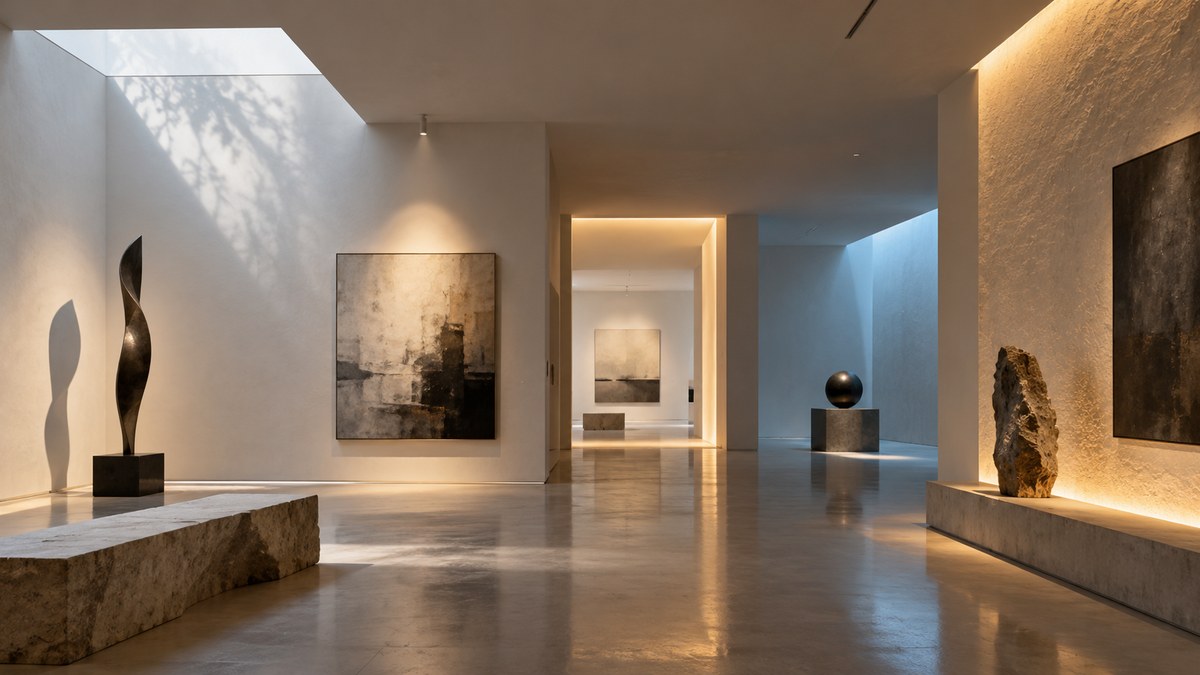
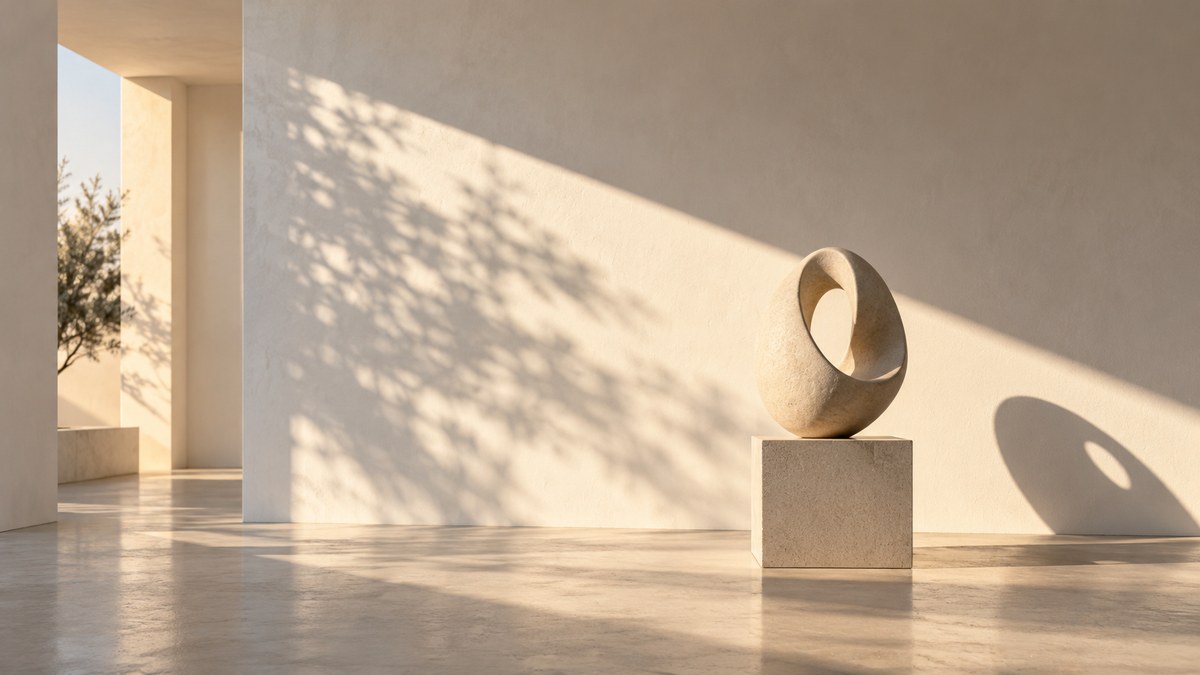
Light changes everything. A minimalist object looks different at noon than it does at dusk. The shadow it casts is part of the object itself. A sculptor like Richard Serra uses massive steel plates to create corridors of shadow. You walk through them. The story is physical. It is about your body moving through space and time.
The Difference Between Minimalism and Emptiness
A common mistake is to confuse minimalism with emptiness. They are not the same thing. Emptiness is a void. It has no intention. Minimalism is a choice. It has purpose.
| Minimalism | Emptiness |
|---|---|
| Intentional selection of objects | Random absence of objects |
| Every piece carries narrative weight | Nothing carries meaning |
| Creates a sense of calm focus | Creates a sense of neglect |
| Invites the viewer to engage | Pushes the viewer away |
| Uses negative space as a tool | Leaves negative space by accident |
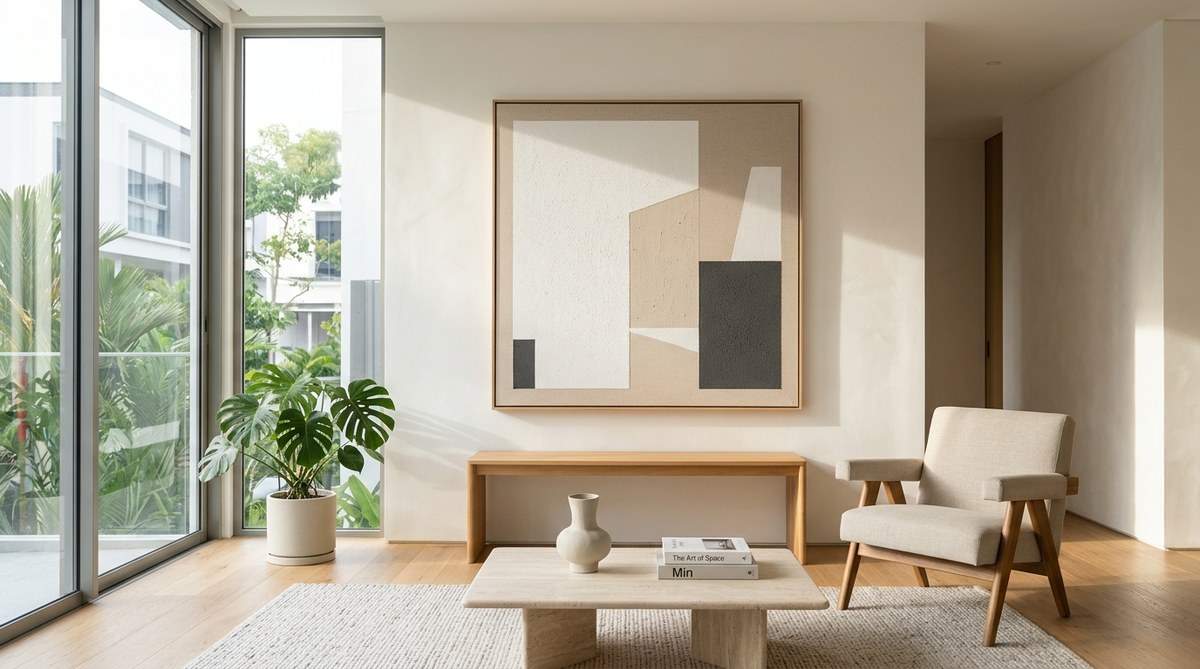
The difference is intention. A room with one chair and one lamp can feel full of story if the chair is beautiful and the lamp casts a warm glow. A room with nothing at all just feels abandoned.
How to Build a Narrative with Minimalist Objects
If you want to use the minimalism meaning in storytelling in your own space, start with a process. Do not just remove things randomly. Be deliberate.
-
Choose a central theme. What story do you want to tell? It could be “stillness,” “memory of the coast,” or “industrial quiet.” Every object you keep should support that theme.
-
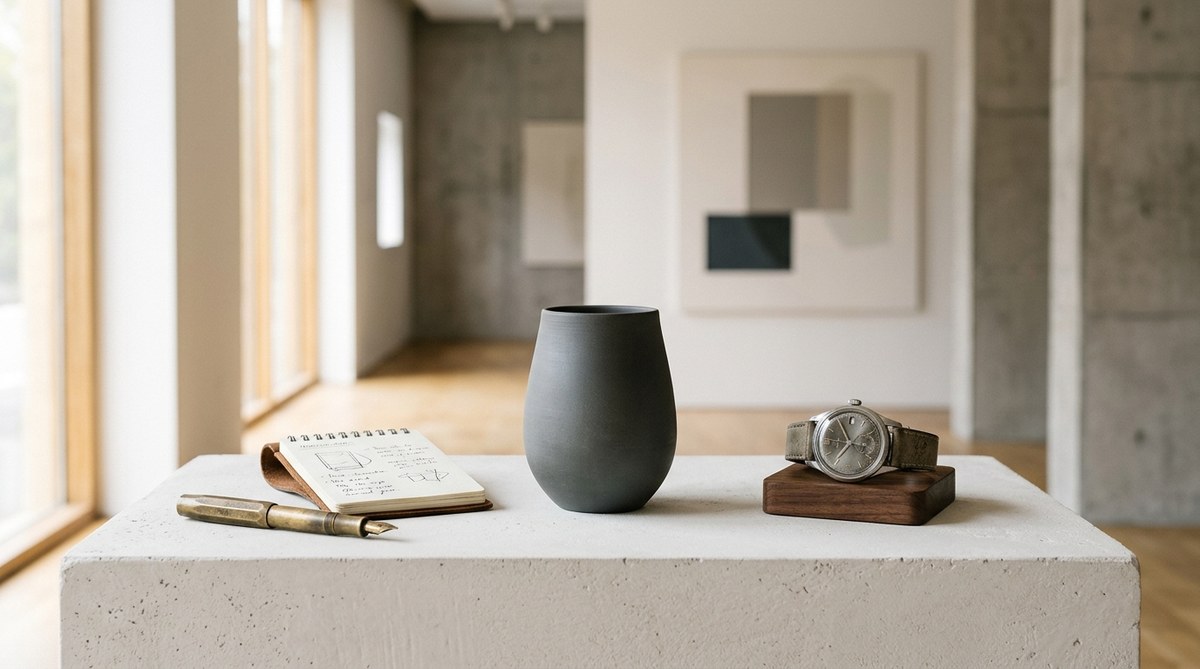
Select three objects maximum. Limiting yourself to three forces you to choose carefully. A ceramic vase, a worn leather book, and a piece of driftwood. Each object brings its own material and history. Together, they create a conversation.
-
Arrange them with space. Do not cluster them. Give each object its own territory. The space between them is where the story lives. Let the viewer’s eye travel from one object to the next. The journey is the narrative.
“The most powerful stories are often the ones that leave the most room for the reader. In minimalism, we give the viewer the space to finish the story themselves.” – A note from a gallery curator on the practice of subtraction.
Common Mistakes That Kill the Story
Even with good intentions, it is easy to break the silent narrative. Here are three traps to avoid.
-
Using cheap or synthetic materials. Plastic, fake wood, and printed textures tell a story of imitation. They lack the material memory that gives an object depth. If you want a story, choose real things. Stone, metal, wood, glass, linen. The material is the first sentence.
-
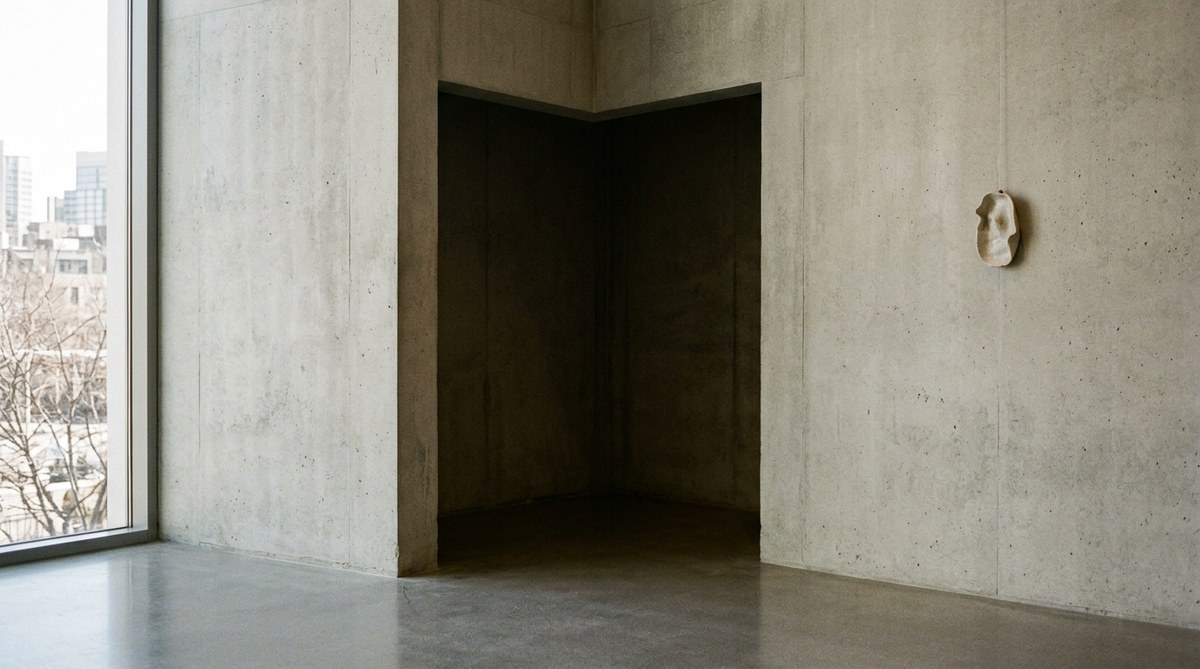
Filling every surface. A minimalist room with a cluttered coffee table is not minimalist. It is messy. The story gets lost in the noise. Commit to the empty spaces. Do not be afraid of a bare wall or an empty corner.
-
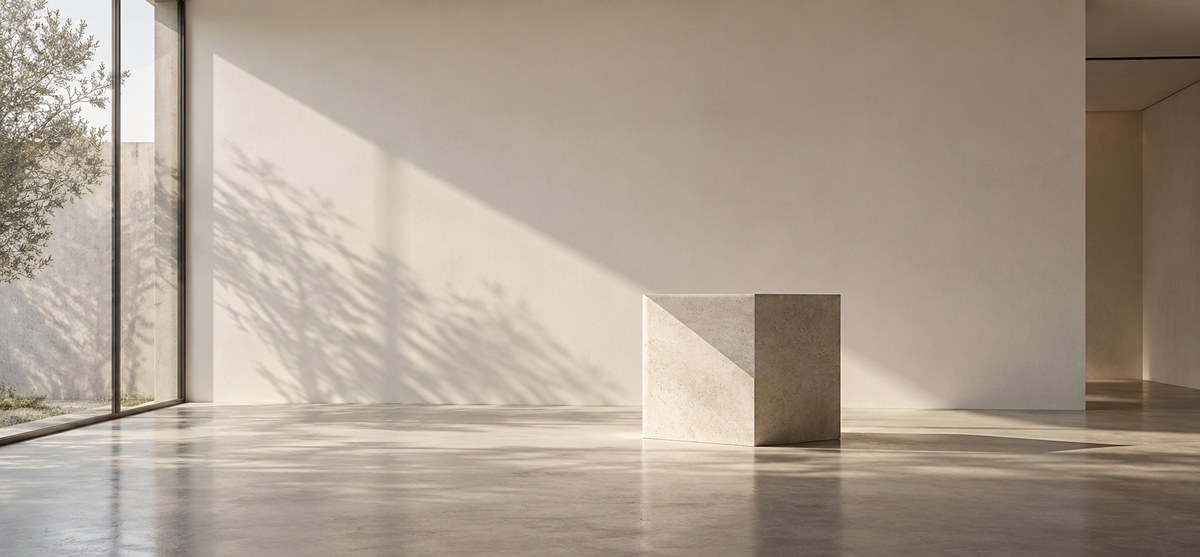
Ignoring the light. An object in harsh fluorescent light tells a different story than the same object in soft, warm light. Pay attention to where the sun falls. Use lamps to create pockets of shadow. The light is part of the narrative.
Practical Steps for the Writer and Designer
If you are a creative writer or an art critic, you can apply these same principles to your work. Minimalism is not just for physical spaces. It is a way of thinking.
-
In writing: Cut every adjective that does not do work. Let the nouns and verbs carry the weight. A character does not need a detailed description. One gesture can tell you everything. “She held the cup with both hands.” That is a story about fragility, cold, or care.
-
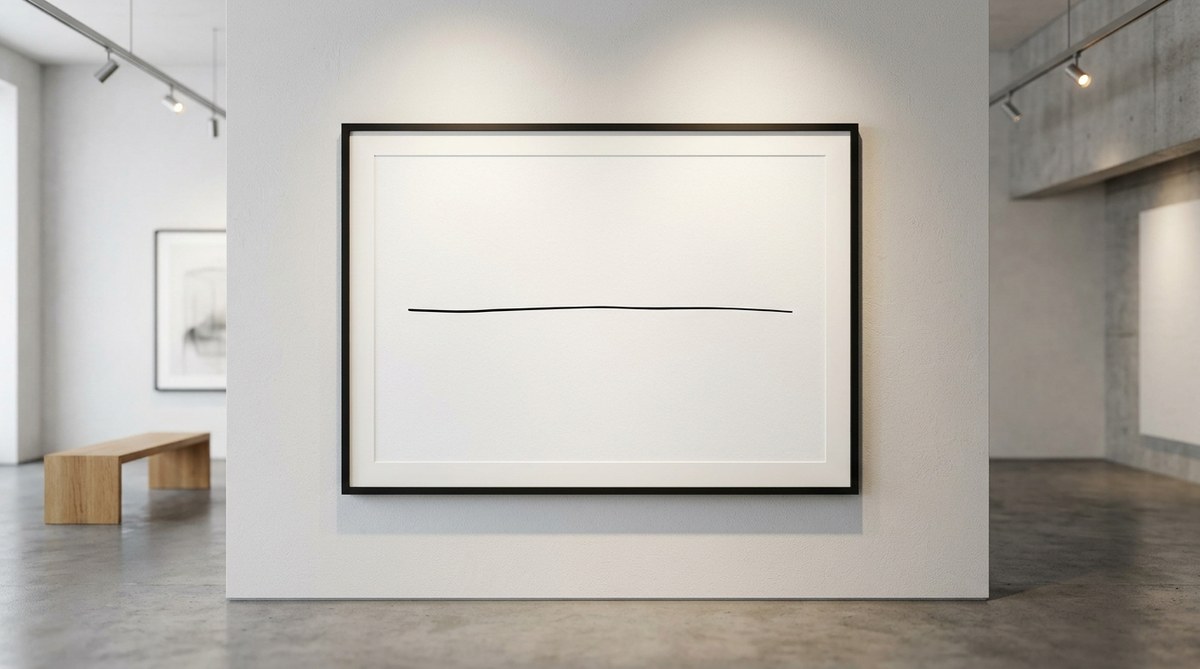
In criticism: Look at what is missing from an artwork. Ask why the artist left that space empty. The absence is often the most intentional part. Write about the silence.
-
In curation: When you arrange objects for a photo or a display, treat them like characters. Give them relationships. Let them speak to each other across the table.
For more on how to arrange objects with purpose, read our guide on how to arrange minimalist objects for maximum visual impact. It walks through the physical act of placement.
The Quiet Power of a Single Color
Color is another tool for silent storytelling. Monochromatic palettes are common in minimalist art for a reason. When you remove the distraction of multiple colors, the viewer focuses on texture, form, and light.
A room painted entirely in white is not boring. It is a canvas. The shadows become blue. The sunlight becomes gold. The objects inside the room become vivid. The story is about purity, clarity, or even isolation.
If you want to learn more about this approach, check out our article on the quiet power of monochromatic palettes in minimalist art. It explains how single-color installations can change the way we see.
The Unseen Narrative in Your Own Home
You do not need a gallery to practice this. Your home is already full of stories. The chipped coffee mug from your grandmother. The smooth stone you picked up on a beach. The way the afternoon light hits the kitchen table.
The challenge is to let those objects speak. That means removing the things that are shouting over them. The plastic toys, the stacks of mail, the generic decorations from a big box store. When you clear the noise, the meaningful objects get louder.
Start with one shelf. Choose one object that holds a memory. Place it alone. Leave space around it. Let the light find it. Then sit and look at it for a minute. Do not think. Just look. You will feel the story start to form.
How Minimalist Objects Speak Without Words
We have covered a lot of ground. Let us bring it together with a final look at the core idea. The minimalism meaning in storytelling is about trust. It is about trusting that the viewer, the reader, or the guest will bring their own imagination to the table.
You do not need to explain everything. You do not need to fill every gap. The most powerful stories leave room for the audience to participate. A minimalist object does not tell you what to feel. It creates a space for you to feel something on your own.
That is the unseen narrative. It is the story that happens in the silence. It is the memory that a single object can unlock. It is the conversation between the light and the wall. It is all the things we do not say, but we understand anyway.
Letting the Objects Teach You
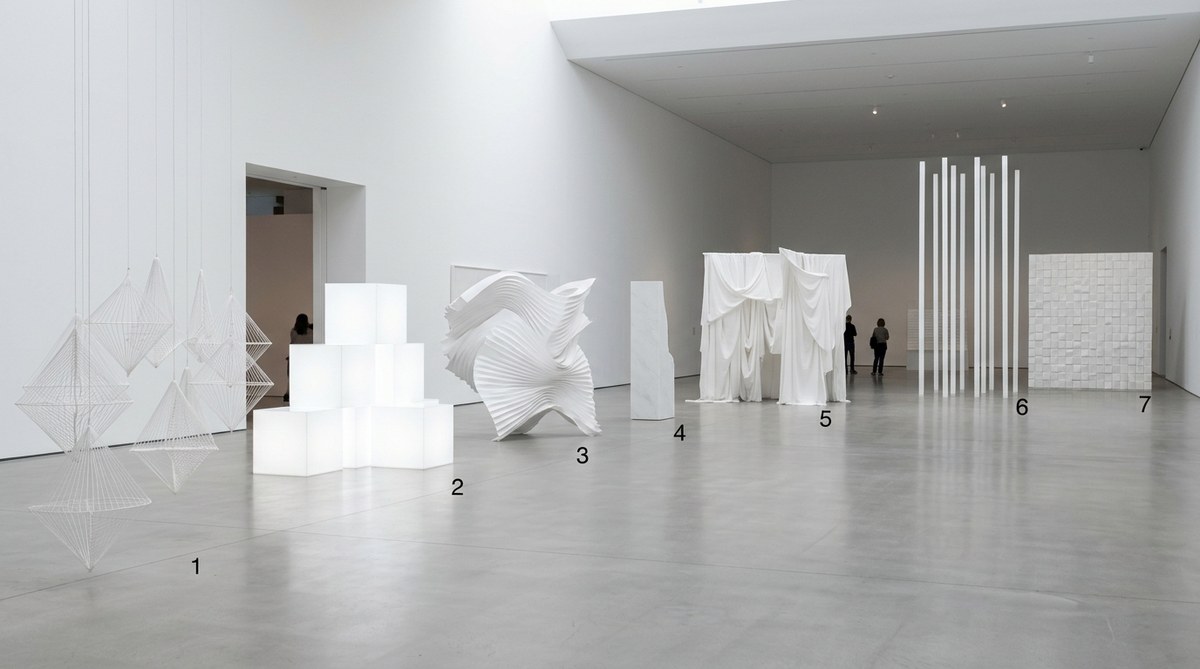
The best way to learn this language is to practice listening. Go to a museum or a gallery that features minimalist work. Stand in front of one piece for five minutes. Do not read the label. Do not look at your phone. Just look.
Notice how your body feels. Notice where your eyes go. Notice what thoughts arise. The object is speaking to you. You just have to be quiet enough to hear it.
If you want to build a collection of objects that tell a story, start with our guide on how to build a minimalist art collection that tells a story without words. It will help you choose pieces that carry meaning and speak to each other.
The world is loud. But the quiet things have the most to say. Let them speak.

Leave a Reply