
<How Minimalist Gallery Lighting Sets the Mood for Art
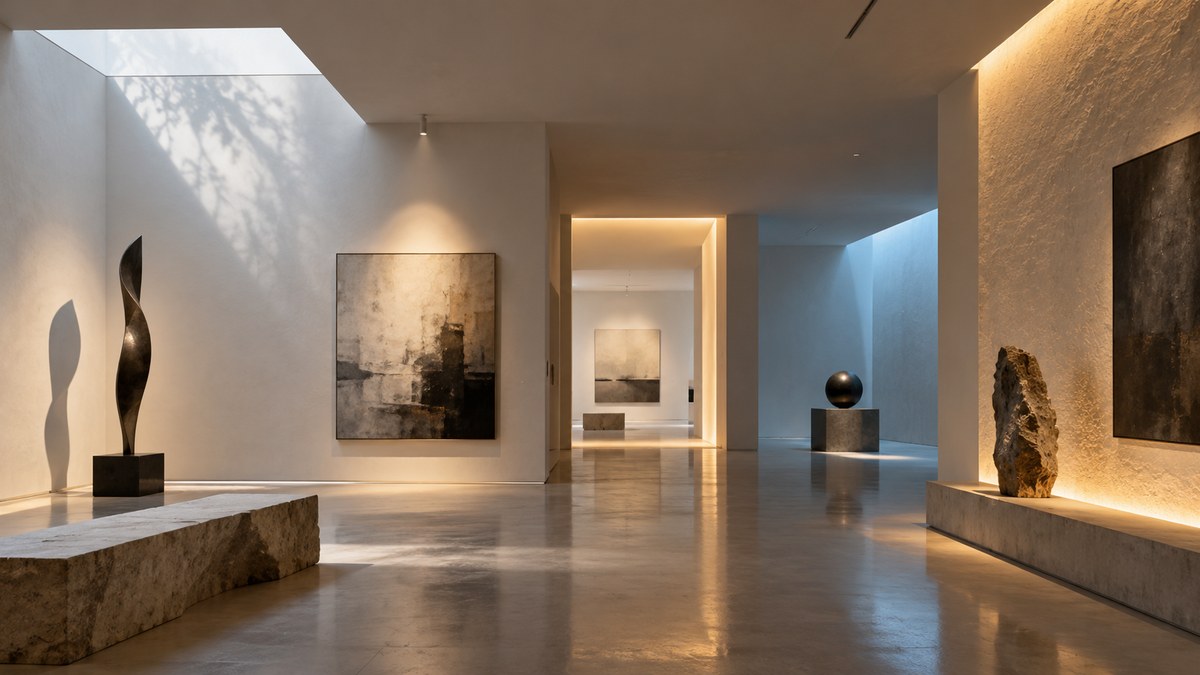
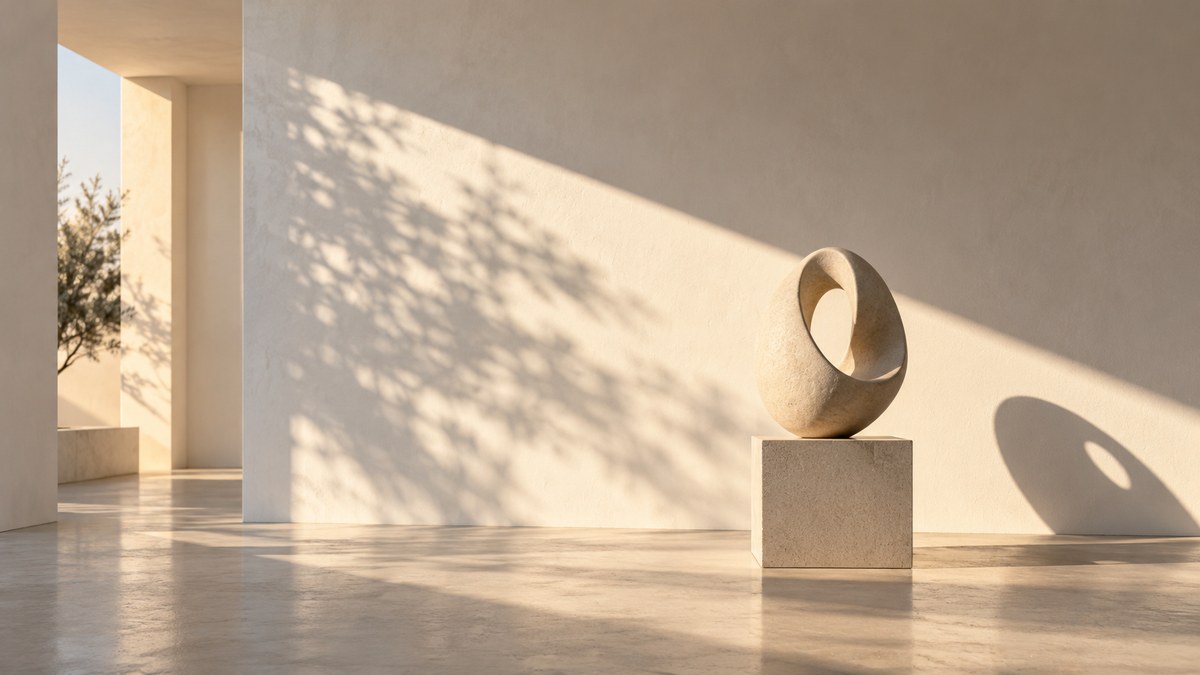
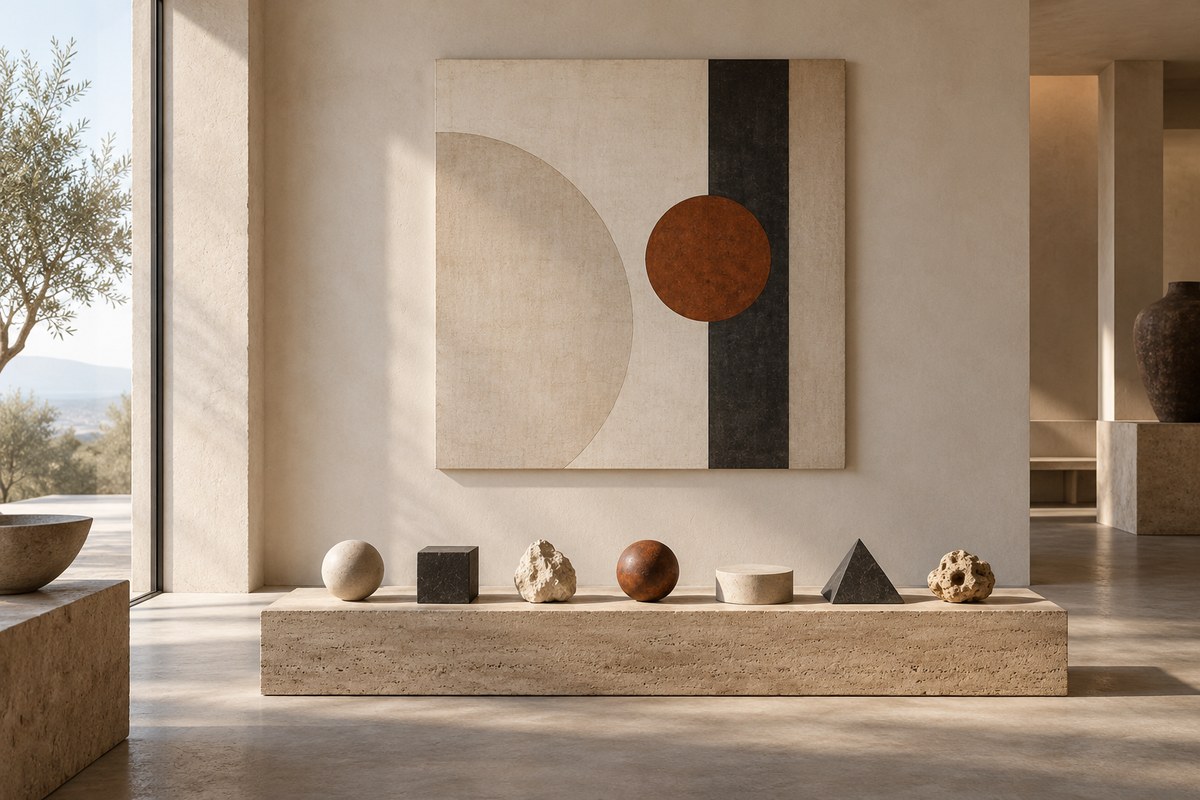
Picture a white room with concrete floors. A single sculpture sits on a low plinth. The only light comes from a thin slot in the ceiling, casting a soft pool around the object. The room feels calm. Intentional. The artwork seems to breathe.
That is the quiet power of minimalist gallery lighting design. It does not shout. It does not compete. Instead, it creates a dialogue between the object and the space around it. For interior designers, gallery curators, and architecture students, understanding this relationship is essential. Light is not just a utility. It is a material. It can stretch a room, shrink a shadow, or make a viewer stop and think.
In this guide, we will look at how minimalist lighting shapes mood, what techniques work best, and how to avoid common mistakes. Whether you are planning a new gallery or refining a home studio, these principles will help you use light with purpose.
Minimalist gallery lighting design is about subtraction, not addition. By controlling contrast, color temperature, and beam angle, you can direct a viewer’s attention exactly where you want it. The goal is to make the light feel invisible while making the art feel alive. This article covers the core principles, practical steps, and common pitfalls to help you master that balance.
Why Light Defines Mood in a Minimalist Space
In a minimalist gallery, there is no clutter to hide behind. Every element matters. The walls are bare. The floor is clean. The art stands alone. In this context, light becomes the primary tool for shaping emotion.
A warm, narrow beam can make a painting feel intimate. A cool, even wash can make a room feel clinical and sharp. The same artwork can feel completely different depending on how it is lit. This is why minimalist gallery lighting design is a discipline on its own.
Think about the difference between these two scenarios:
- A gallery with track lights pointing directly at canvases, leaving the rest of the room in deep shadow.
- A gallery with soft, diffused light that wraps around the entire space, with no single source drawing the eye.
The first feels theatrical. The second feels meditative. Both are valid. The choice depends on the mood you want to create.
The Core Principles of Minimalist Gallery Lighting
Before you choose a fixture or a bulb, you need to understand the three pillars that hold up any good lighting plan.
1. Contrast Controls Focus
Contrast is the difference between light and dark. In a minimalist space, contrast is what tells the viewer where to look.
- High contrast: A bright sculpture against a dark wall. The eye goes straight there.
- Low contrast: Even light across the room. The eye wanders. The space feels calm.
Use high contrast for dramatic works. Use low contrast for contemplative installations.
2. Color Temperature Sets the Tone
Color temperature is measured in Kelvin (K). It ranges from warm (2700K) to cool (6500K).
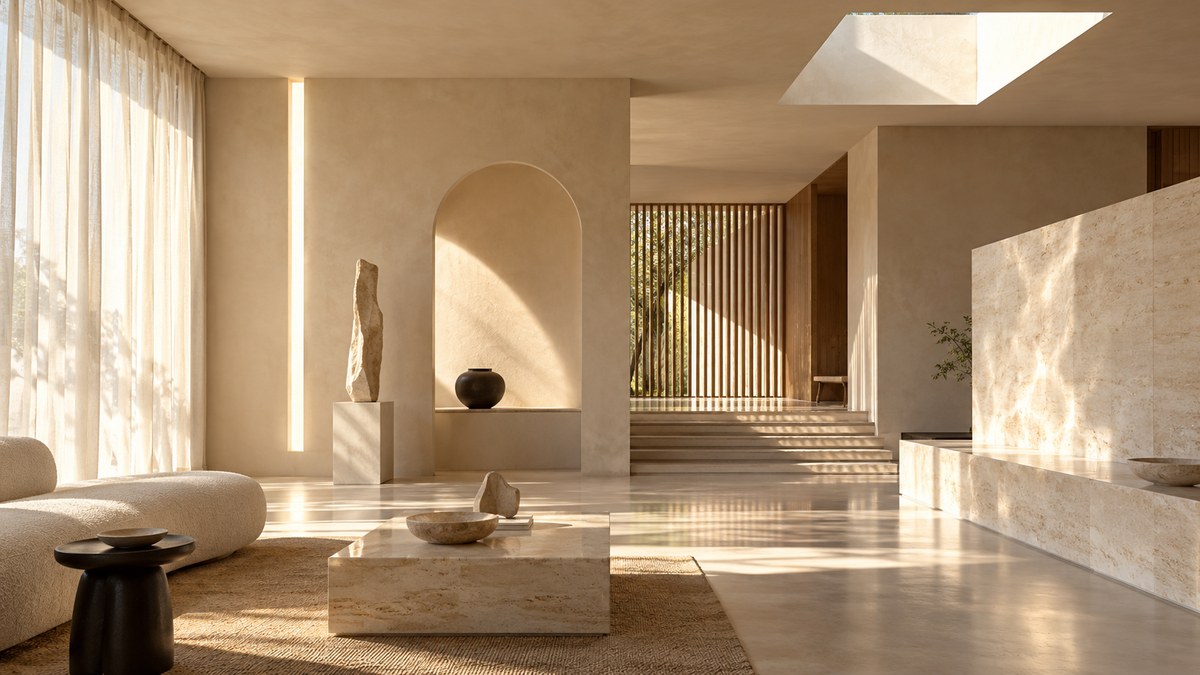
- Warm light (2700K to 3000K) feels cozy and natural. It works well for organic materials like wood, clay, or textile art.
- Neutral light (3500K to 4000K) feels clean and balanced. It is the most common choice for contemporary galleries.
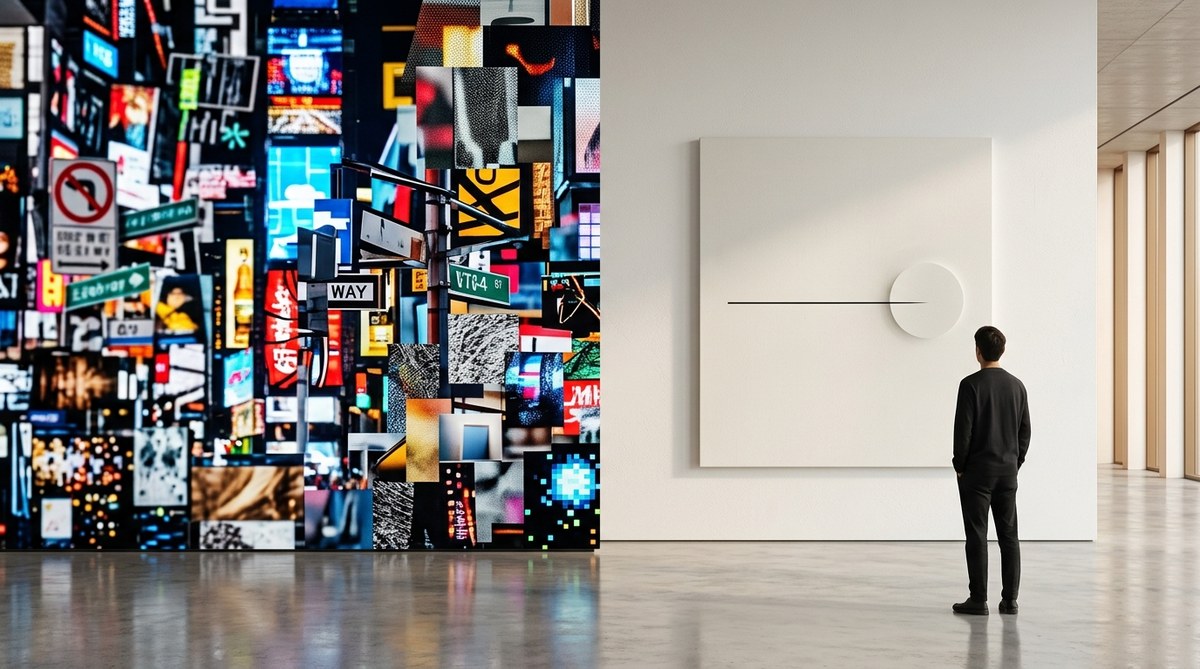
- Cool light (5000K and above) feels sterile and sharp. It is often used for digital art or high-tech installations.
Mixing color temperatures in the same room can create visual confusion. Stick to one temperature per space for consistency.
3. Beam Angle Directs the Eye
The beam angle determines how wide the light spreads.
- Narrow beam (10 to 25 degrees): Creates a tight spotlight. Good for small sculptures or details.
- Medium beam (25 to 45 degrees): Works for most paintings and wall pieces.
- Wide beam (45 degrees and up): Washes a large area. Best for ambient lighting or large installations.
Choosing the right beam angle is one of the most important decisions in minimalist gallery lighting design. Too narrow, and the art feels isolated. Too wide, and the light loses its purpose.
A Practical Process for Planning Your Lighting
Here is a numbered list of steps you can follow to plan the lighting for any minimalist gallery space.
- Map the room. Draw a floor plan. Mark where each piece of art will go. Note the size and orientation of each piece.
- Define the mood for each zone. Is this area meant to feel dramatic, calm, or energetic? Write it down.
- Choose your light sources. Decide between track lights, recessed fixtures, or floor washers. Keep fixtures minimal and hidden when possible.
- Select color temperature. Pick one Kelvin value for the entire space. 3500K is a safe starting point.
- Calculate beam angles. For a 36-inch painting, a 30-degree beam from 6 feet away will cover it well. Adjust based on your ceiling height.
- Test with mockups. Use portable lights to test the effect before installing permanent fixtures. Move them around. See how shadows fall.
- Add dimmers. Dimming gives you flexibility. You can change the mood without changing the setup.
Common Mistakes to Avoid
Even experienced designers can slip up. Here is a table that shows common mistakes and their better alternatives.
| Mistake | Why It Hurts the Space | Better Approach |
|---|---|---|
| Using only overhead lights | Creates flat, shadowless light. Art looks dull. | Add directional accent lights to create depth. |
| Mixing warm and cool bulbs | Creates a messy, unprofessional look. | Use one color temperature throughout. |
| Placing lights too far from the wall | Light spills onto the floor instead of the art. | Position fixtures 2 to 3 feet from the wall. |
| Forgetting about glare | Viewers see the bulb, not the art. | Use fixtures with baffles or lenses. |
| Ignoring the floor | The floor can reflect or absorb light in unexpected ways. | Test with the actual flooring material. |
How to Use Shadow as a Design Tool
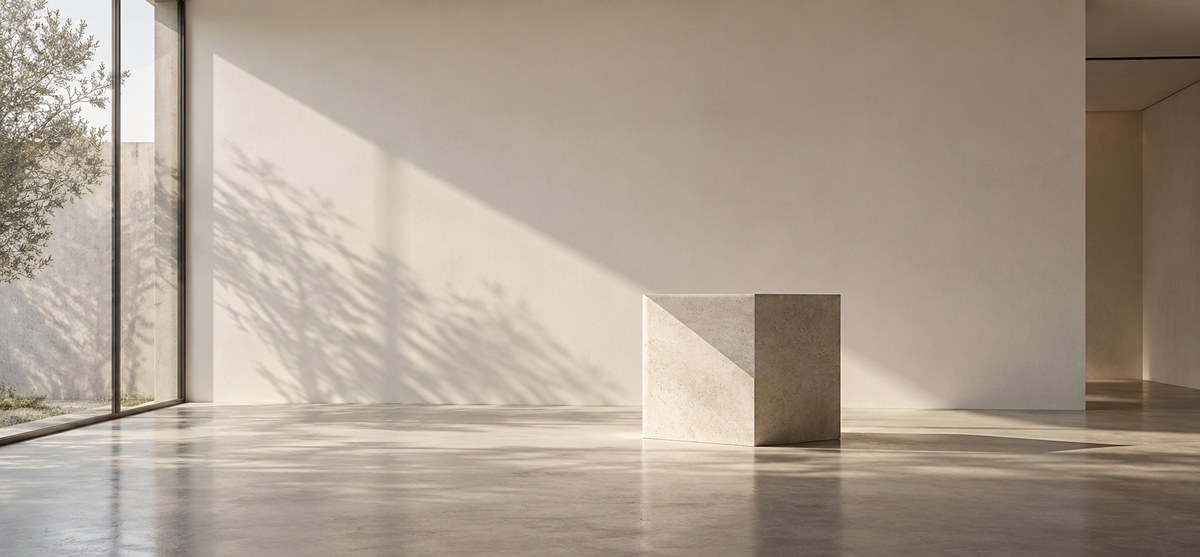
In minimalist gallery lighting design, shadows are not the enemy. They are part of the composition.
A deep shadow can make a white wall feel infinite. A soft shadow can add texture to a flat surface. A sharp shadow can create a sense of mystery.
“In a minimalist space, shadow is not the absence of light. It is the presence of form. Without shadow, there is no volume. Without volume, there is no art.”
— A curator from the Dia Art Foundation, speaking on spatial design.
When you plan your lighting, think about where the shadows will fall. Will they enhance the artwork? Or will they distract from it? Adjust your fixture angles accordingly.
Techniques for Different Types of Art
Different art forms need different lighting approaches. Here is a bulleted list of techniques for common scenarios.
- Paintings on canvas: Use a 30 to 40 degree beam from a 30 degree angle. This prevents glare and brings out texture.
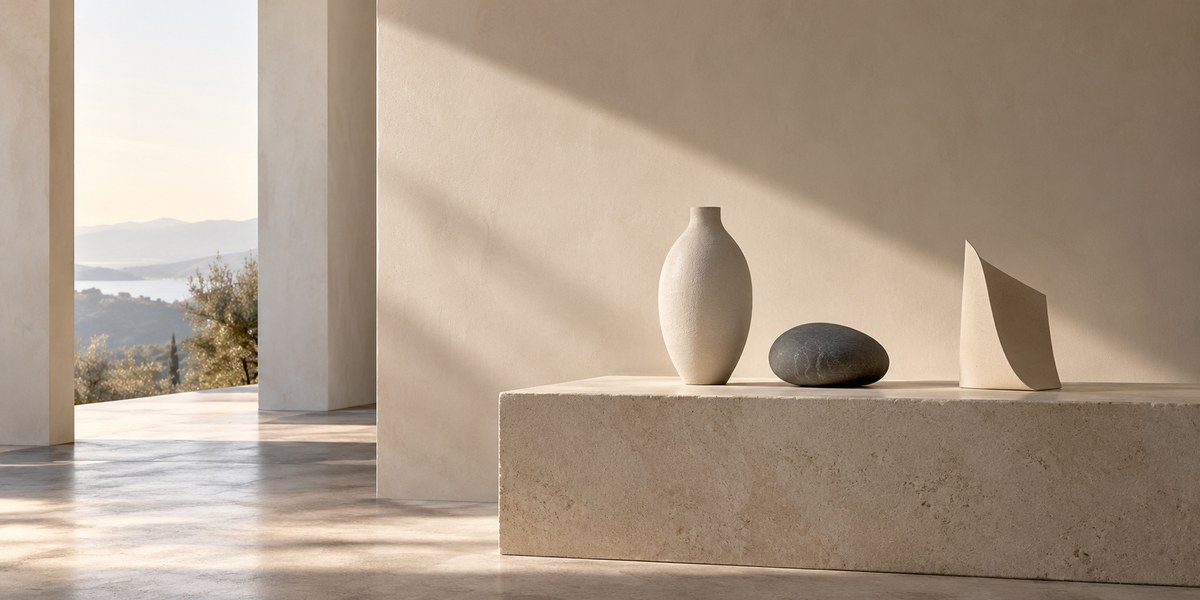
- Sculptures on pedestals: Use two lights from opposite sides. This eliminates harsh shadows and reveals form.
- Textile or fiber art: Use warm light (3000K) to bring out the natural colors and weave patterns.
- Digital screens or projections: Use cool light (5000K) and keep ambient light low to maintain contrast.
- Large installations: Use multiple wide beams to create even coverage. Avoid hot spots.
Bringing It All Together: Light and Space as One
The best minimalist gallery lighting design feels like it was always there. You do not notice the fixtures. You only notice the art.
This requires restraint. It is tempting to add more lights to make sure everything is visible. But more light does not always mean better light. Sometimes, the most powerful thing you can do is leave a corner dark. Let the viewer fill in the gaps with their imagination.
If you are designing a new space, start with the art. Let the art tell you how it wants to be seen. Then use light to make that vision real.
For more ideas on how light interacts with objects, read our guide on the intersection of light and object design in modern art spaces. You might also enjoy our article about how to use shadow as a design tool in minimalist art spaces.
Your Next Step in Mastering Gallery Lighting
You do not need a big budget to start applying these ideas. Pick one room in your home or studio. Remove the clutter. Choose one piece of art. Experiment with a single adjustable light. Move it around. Change the angle. Watch how the mood shifts.
That hands on practice will teach you more than any article can. Trust your eyes. Trust the shadows. And remember: in minimalism, less light often means more impact.

Leave a Reply