
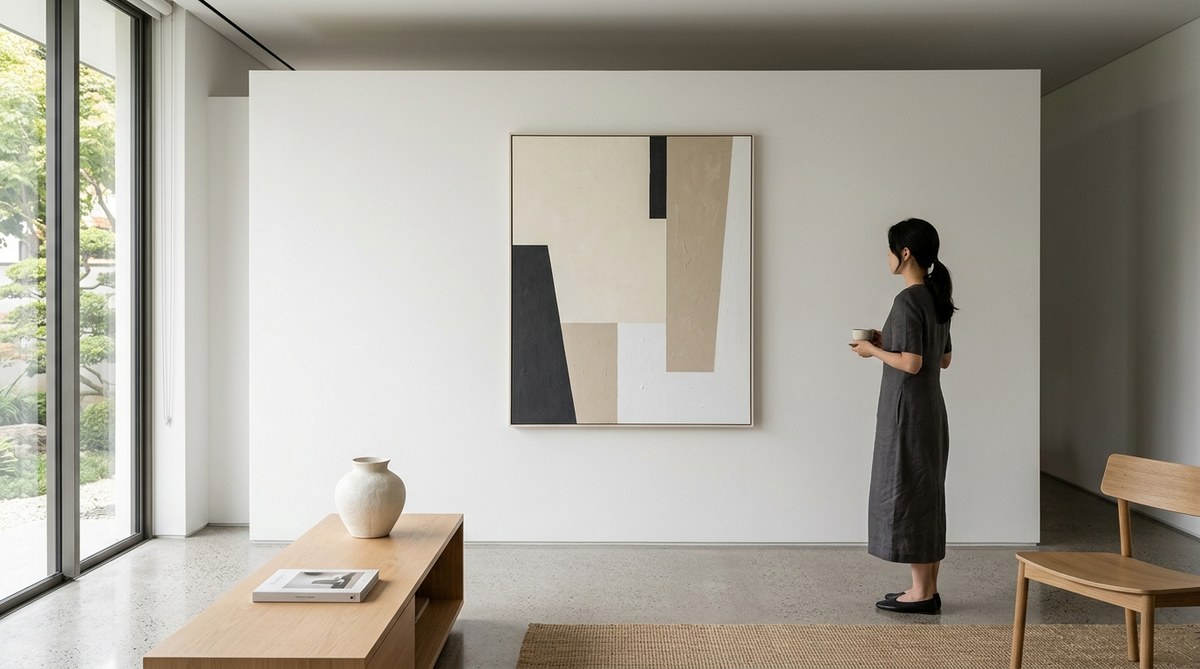
Minimalist art and design have a unique power to create spaces that feel calm, balanced, and harmonious. When done right, minimalism goes beyond simple aesthetics. It becomes a way to evoke emotion, focus attention, and foster a sense of tranquility. Whether you’re an artist, architect, or design enthusiast, understanding how to master spatial harmony is essential to crafting environments that resonate deeply with viewers and occupants alike.
Achieving harmony in minimalist art and design hinges on careful balance, intentional use of space, and thoughtful selection of elements. Mastering these principles results in spaces that feel serene, purposeful, and visually cohesive, fostering a genuine connection between the viewer and the environment.
Understanding the foundation of spatial harmony in minimalism
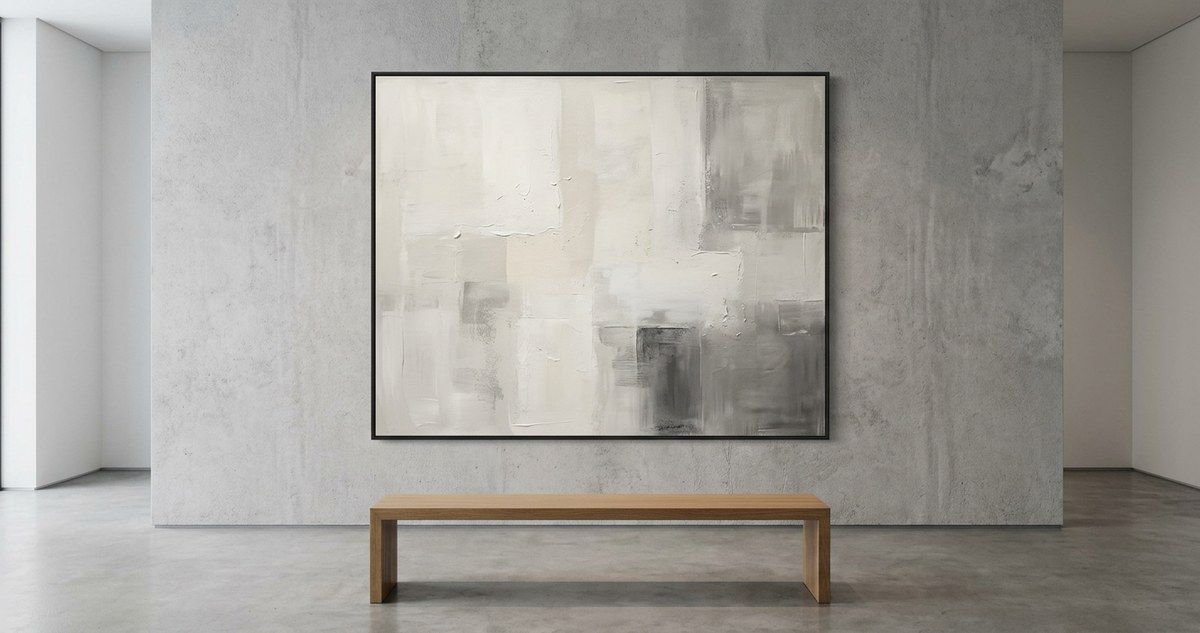
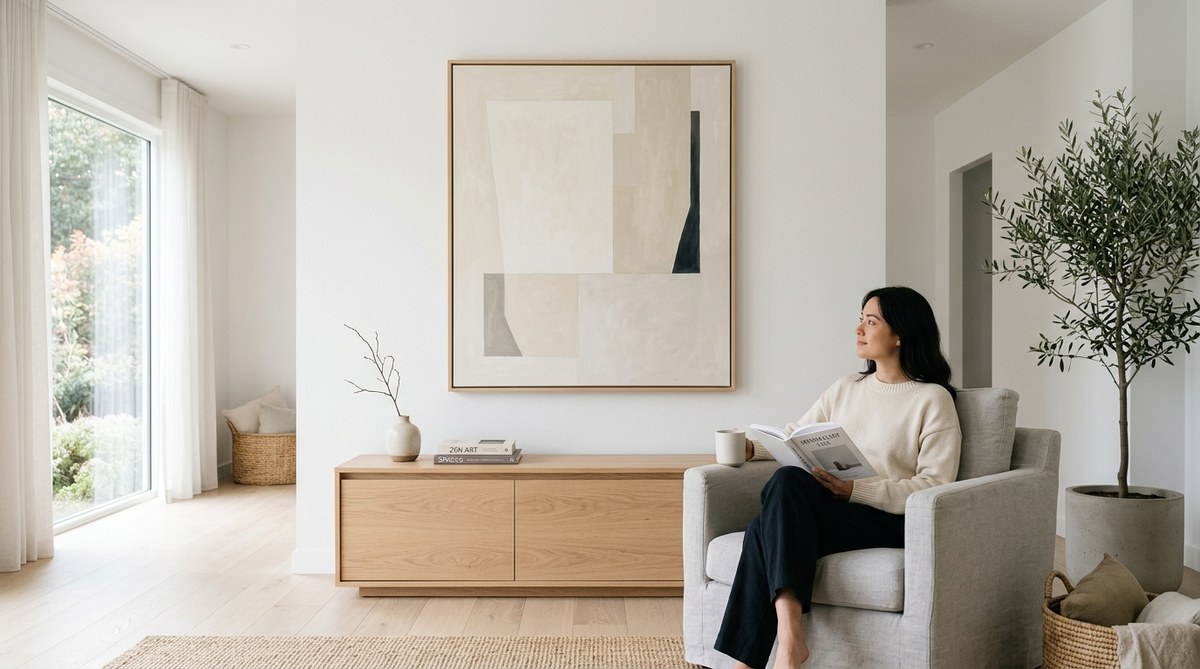
At its core, spatial harmony involves arranging elements within a space so they complement each other without creating chaos or imbalance. In minimalist art and design, this often means stripping away excess and focusing on the essentials. The goal is to create a visual language that feels effortless yet intentional, guiding the viewer’s eye naturally and evoking a sense of peace.
Achieving this harmony requires more than just removing clutter. It involves understanding how different components—like form, color, texture, and scale—interact within a space. When these elements work together seamlessly, the environment becomes a vessel for calm and clarity.
Principles that guide minimalist harmony
Several core principles underpin successful minimalist art and design harmony:
- Balance: Distributing visual weight evenly across the space creates stability. Balance can be symmetrical or asymmetrical, but it must feel intentional.
- Proportion and scale: Elements should relate naturally to each other and to the overall space. Oversized or undersized components can disrupt harmony.
- Simplicity: Stripping down to the essentials avoids visual noise. Focus on a few key elements that carry meaning.
- Contrasts: Using subtle contrasts in color, texture, or shape adds depth without clutter.
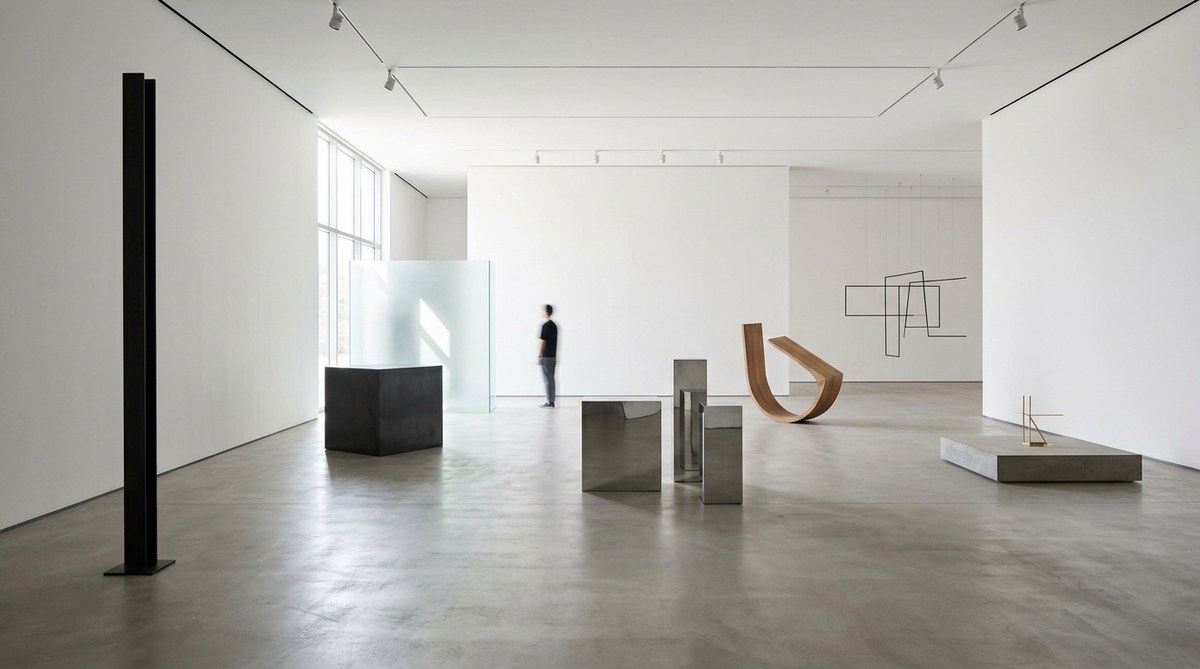
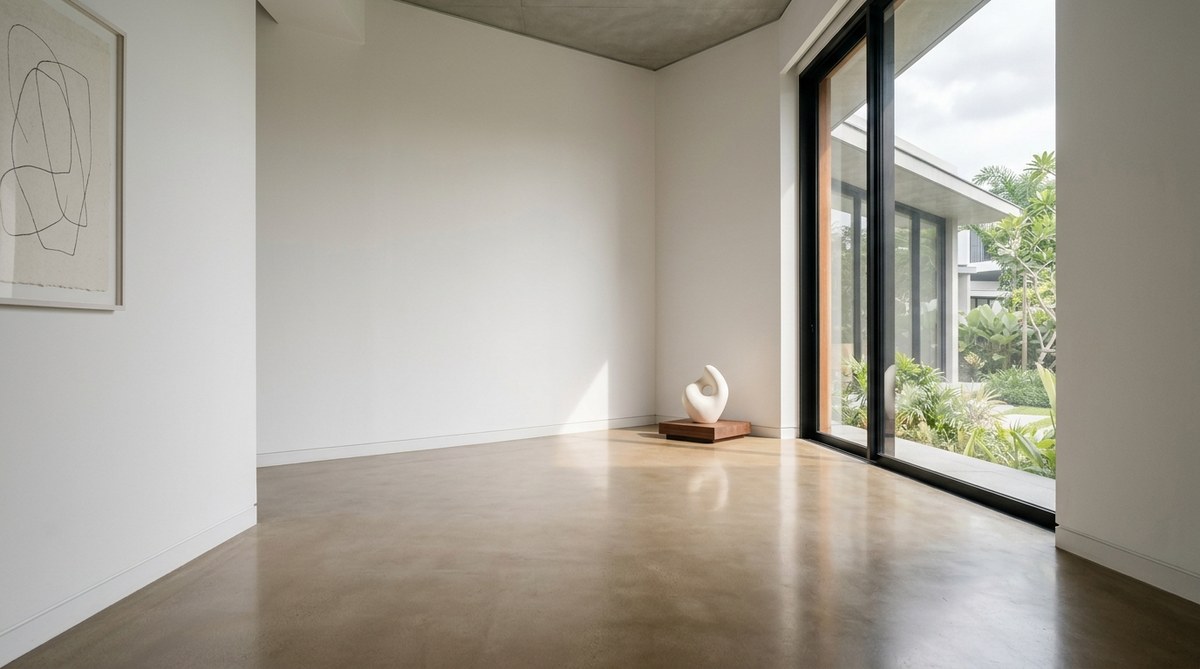
- Negative space: Embracing empty space allows the eye to rest and emphasizes the chosen elements.
“In minimalism, space is not empty but filled with intention. Every element should serve a purpose and contribute to the overall harmony.” — Design expert Jane Smith
Practical steps for creating spatial harmony
Building harmony in minimalist art and design can be approached systematically. Here are three steps to guide your process:
- Identify your focus point: Determine the main element or feature you want viewers to notice first. It could be a piece of art, a piece of furniture, or a structural element.
- Simplify and declutter: Remove unnecessary items or details that do not serve your focus. This creates room for the essential.
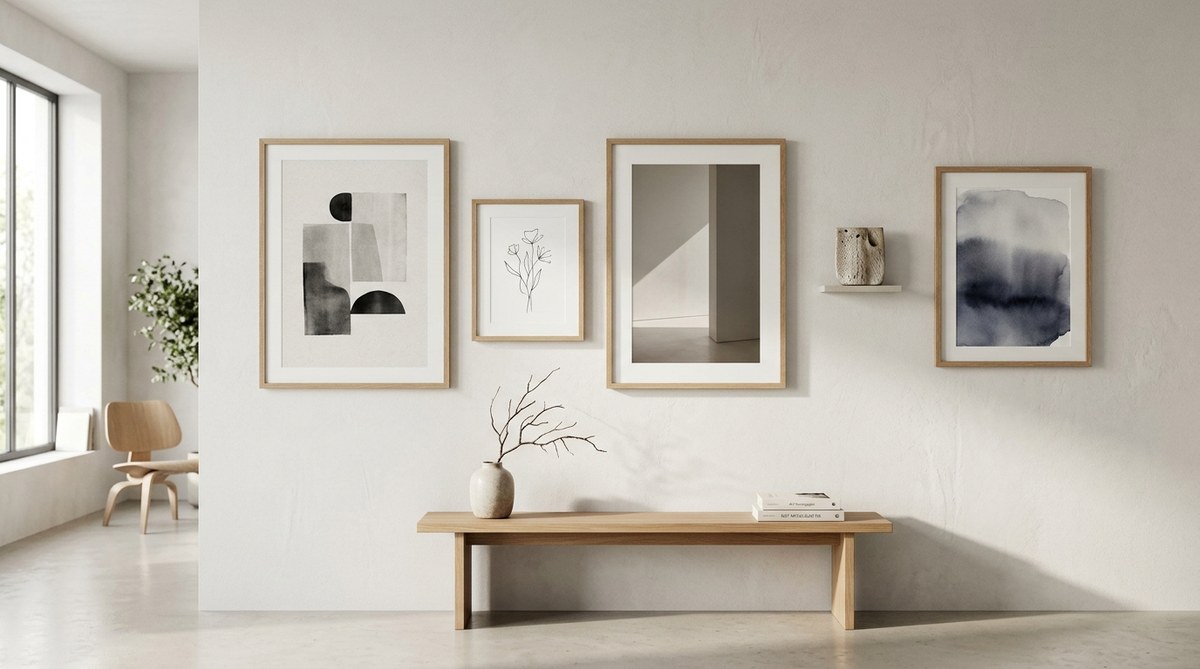
- Balance your layout: Arrange elements so their visual weight feels even. Use the rule of thirds or a grid structure to guide placement.
Additional tips include selecting a cohesive color palette to unify the space and paying attention to textures to add subtle interest without overwhelming. Remember, harmony is about relationships—how each element relates to others and the space it occupies.
Techniques to enhance minimalist harmony
Understanding and applying specific techniques can elevate your minimalist projects. Here are some methods:
| Technique | Description | Common Mistakes |
|---|---|---|
| Monochromatic color schemes | Using variations of a single color to create cohesion | Overusing shades can flatten the space |
| Repetition of shapes | Repeating forms to establish rhythm | Overdoing it, leading to monotony |
| Focused focal points | Highlighting a single statement piece | Making focal points too dominant or isolated |
| Symmetry and asymmetry | Balancing elements evenly or intentionally offset | Symmetry can feel stiff; asymmetry can feel unplanned |
Maintaining awareness of these techniques helps avoid mistakes that can disrupt harmony. For example, over-cluttering a space with unnecessary decoration can negate minimalist intent.
Common pitfalls and how to avoid them
Even seasoned designers can fall into traps that undermine harmony. Here is a table of typical mistakes and solutions:
| Mistake | How to Avoid |
|---|---|
| Over-decoration | Limit accessories and focus on key pieces |
| Ignoring scale | Always consider the size of furniture and art relative to the space |
| Cluttered negative space | Use negative space intentionally to emphasize key elements |
| Lack of contrast | Introduce subtle contrasts to create depth |
Striving for simplicity does not mean sacrificing interest. Instead, aim for a balanced relationship between elements, space, and light.
Tips from the masters of minimalist harmony
Here is some expert guidance to refine your approach:
“Minimalism is about clarity. When you remove the unnecessary, what remains naturally harmonizes.” — Interior design veteran Laura Chen
Pay attention to lighting as it shapes perception. Soft, natural light enhances the serenity of minimalist spaces. Similarly, texture adds richness without clutter. Combining smooth surfaces with tactile materials like wood or fabric can create a layered, harmonious environment.
For further inspiration, visit curated collections of minimalist art and design, such as those found on sites like minimalist.sg, which showcase how these principles come alive in real-world projects.
Implementing harmony in your projects
To bring these ideas into your work or home, follow this practical process:
- Plan your layout: Sketch or visualize where key elements will go.
- Choose a neutral palette: Stick with whites, grays, and earth tones to foster calm.
- Select quality over quantity: Invest in a few statement pieces rather than many small items.
- Focus on lighting: Use natural light whenever possible, complemented by soft artificial lighting.
- Refine and adjust: Step back regularly and assess balance and flow.
Remember, harmony in minimalist art and design is not about perfection but about creating a space that feels right and resonates with its purpose.
Fine-tuning your space for lasting harmony
Achieving and maintaining spatial harmony requires ongoing attention. Small adjustments, like repositioning a piece of art or changing lighting, can significantly impact the overall feel. Always consider how each element contributes to the whole.
A helpful approach is to view your space with fresh eyes after a few days. Ask yourself if the arrangement feels balanced and peaceful. If not, make subtle changes until you find that sweet spot.
Cultivating a mindful minimalist environment
Creating harmony through minimalism also involves cultivating mindfulness. Focus on what truly matters within your space. Let go of possessions or decor that do not serve a purpose or evoke joy. This clarity not only improves aesthetic balance but also fosters emotional well-being.
Remember, minimalist art and design are as much about intention as they are about appearance. When every element has a reason and a place, harmony naturally follows.
Harmonizing your artistic and architectural visions
Whether you are designing a living space or creating a work of art, integrating these principles enhances your ability to craft environments that feel cohesive and calming. Practice patience and trust your intuition. Over time, your understanding of spatial relationships and minimalism’s subtleties will deepen.
For further guidance, consider studying https://minimalism.sg/embracing-minimalist-aesthetics-in-contemporary-art-spaces/ or These resources provide detailed insights into refining your minimalist approach.
Creating spaces and artworks that resonate with harmony is a rewarding journey. Focus on clarity, balance, and intention. Your environment will thank you with a sense of peace and purpose that endures.

Leave a Reply