
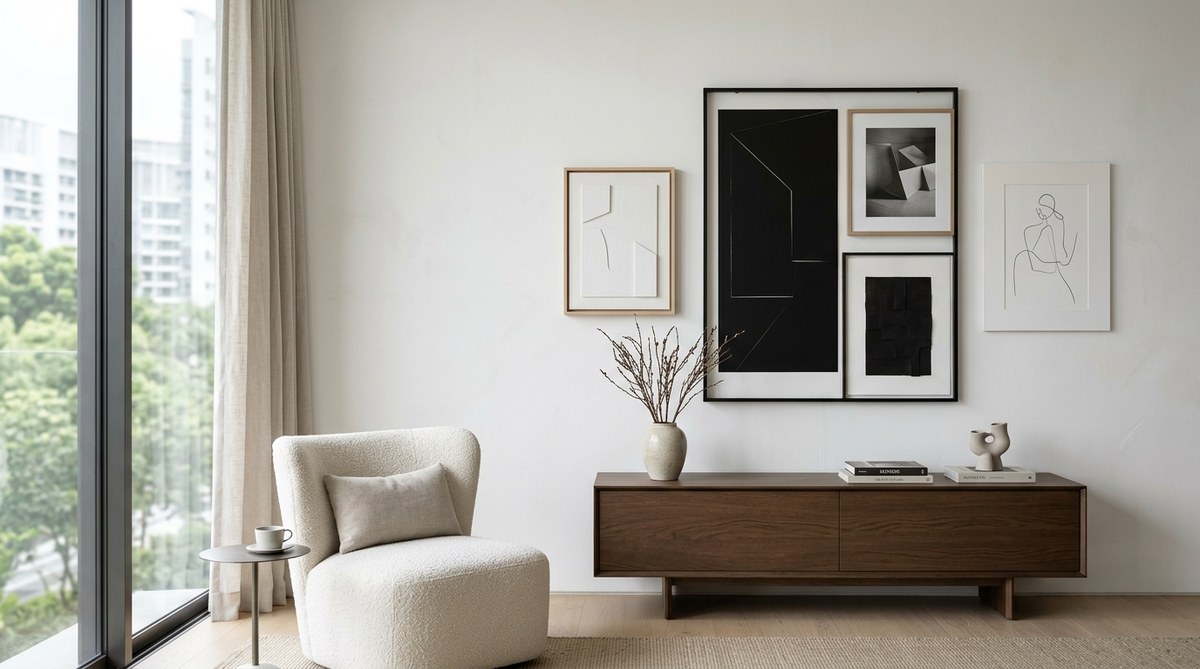
A living room wall can feel empty even when it is full. That is the paradox many people face when they try to curate minimalist art. The goal is not to fill space but to let each piece breathe. When you choose art with intention, your collection becomes a quiet extension of your personality. No noise. No clutter. Just honest shapes, textures, and tones that make you feel at home.
Curating a minimalist art collection starts with knowing what draws your eye. Focus on neutral palettes, clean lines, and negative space. Source pieces from emerging artists, galleries, or online platforms that match your values. Arrange each work with breathing room, and rotate pieces to keep the collection alive. The result is a home that feels calm, intentional, and unmistakably yours.
Start with Your Why: Defining Your Minimalist Aesthetic
Before you buy a single piece, pause. What does minimalism mean to you? For some it is all white walls and monochrome prints. For others it is warm wood, handcrafted ceramics, and soft earth tones. Your taste is your compass.
Look at the spaces that already make you happy. Do you feel drawn to the raw texture of linen canvas? Or to the precision of geometric ink drawings? Collect images on your phone or a mood board. Notice patterns. You may find that your ideal palette stays within a family: beiges, grays, blacks, or muted greens.
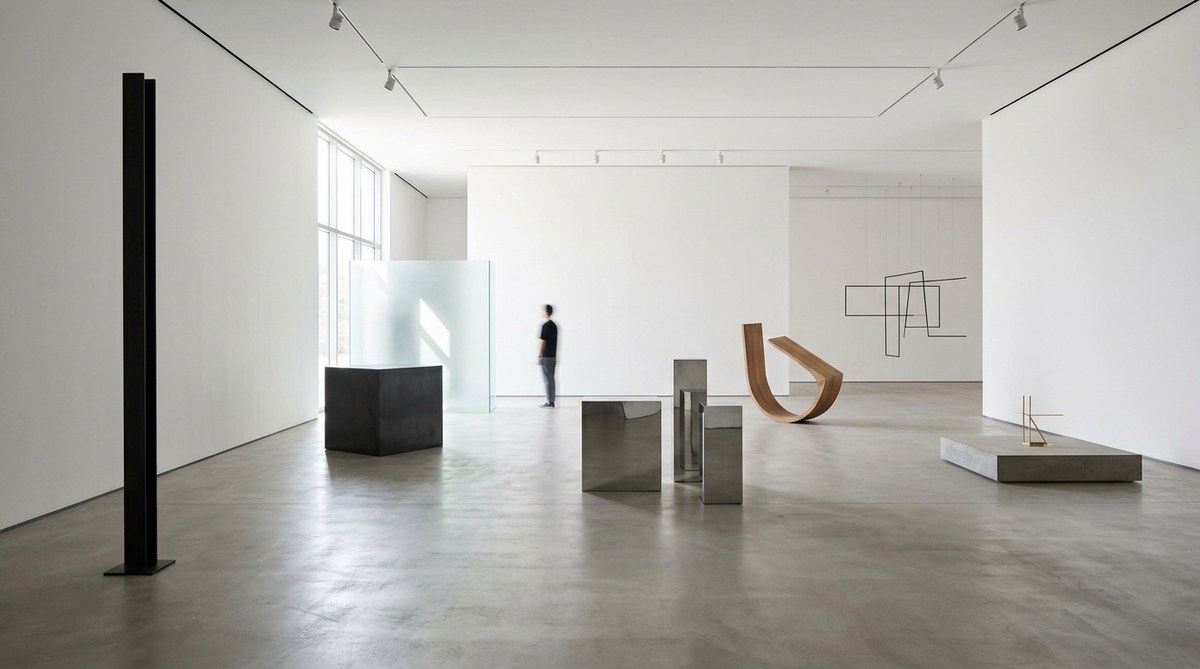
Minimalist art is not about being boring. It is about removing everything that does not serve a purpose. That purpose is personal. If you lean towards the serenity of open space, consider reading about embracing minimalist aesthetics in contemporary art spaces to refine your vision.
Where to Discover Minimalist Art That Speaks to You
Once you know your direction, you need sources. The art world is larger than ever in 2026, and minimalist works are easy to find if you know where to look.
- Local galleries and art walks. Many cities have monthly gallery nights. Walk in without expectations. Talk to the gallerists. Ask about emerging minimalists.
- Online artist platforms. Sites like Artsy, Saatchi Art, and Instagram let you filter by style. Search for “minimalist painting” or “abstract reductionist.”
- Art fairs and exhibitions. Fairs like The Armory Show or smaller regional events often feature curated sections on minimalism.
- Direct from artists. Follow artists you admire. Many sell prints or original works directly through their websites.
- Thrift and vintage shops. Minimalist artifacts from the 1960s and 1970s can be found with patience. Look for sculpture, prints, and functional ceramics.
When you browse, keep your phone handy. Snap photos of pieces that stop you. Later, review them together. This builds a personal archive of what truly resonates.
How to Choose Pieces That Fit Your Space and Budget
Now comes the practical part. You have a wish list of art that excites you. How do you decide which ones to bring home? Follow these five steps.
- Measure your wall or shelf first. Width and height matter. A too small piece floats; a too large piece overwhelms. Use painter’s tape to mark the dimensions on your wall before you buy.
- Set a spending limit. Art can range from a few dollars to thousands. Decide what feels comfortable. Original works by emerging artists often cost between $100 and $500. Limited edition prints are a budget friendly alternative.
- Check the materials. Minimalist art relies on texture and finish. A matte canvas versus a glossy print changes the feeling. Consider how it interacts with your existing furniture.
- Ask about lightfastness. If your wall gets sun, make sure the ink or paint is archival. Fading ruins a clean look.
- Buy one piece at a time. Resist the urge to fill a wall in one shopping trip. A collection grows naturally when you give each new arrival space to settle.
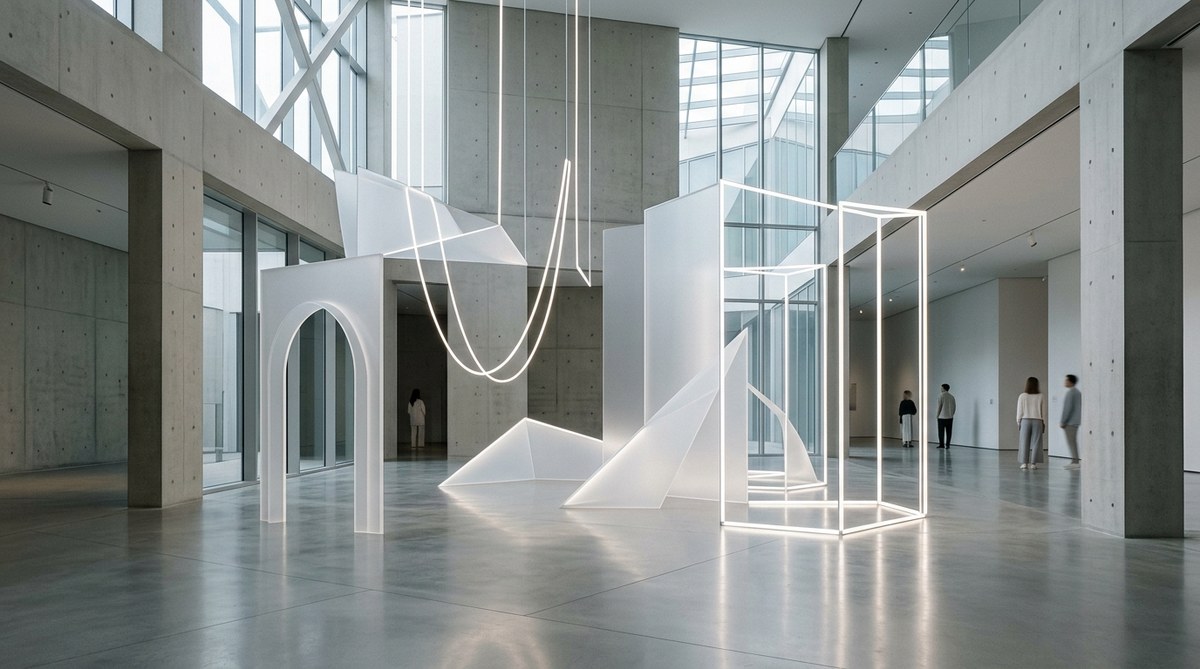
For more insights on selecting pieces that play with light, see the art of light and space in minimalist interior design. Light can transform a simple line drawing into something alive.
The Art of Placement: Arranging Your Collection
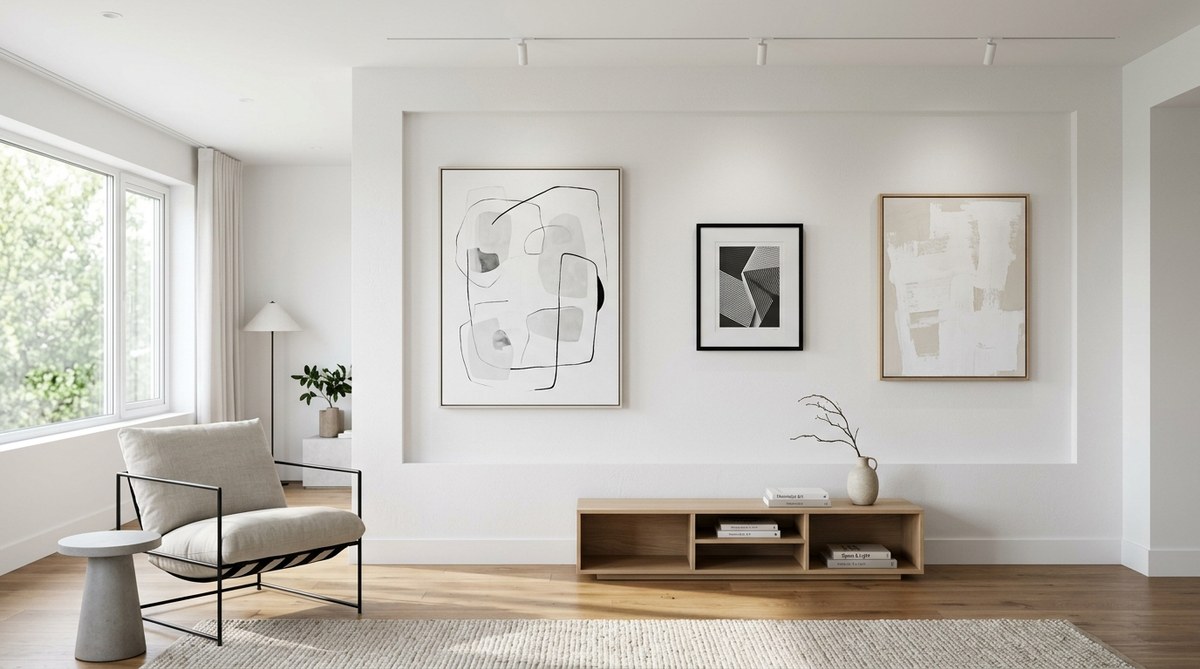
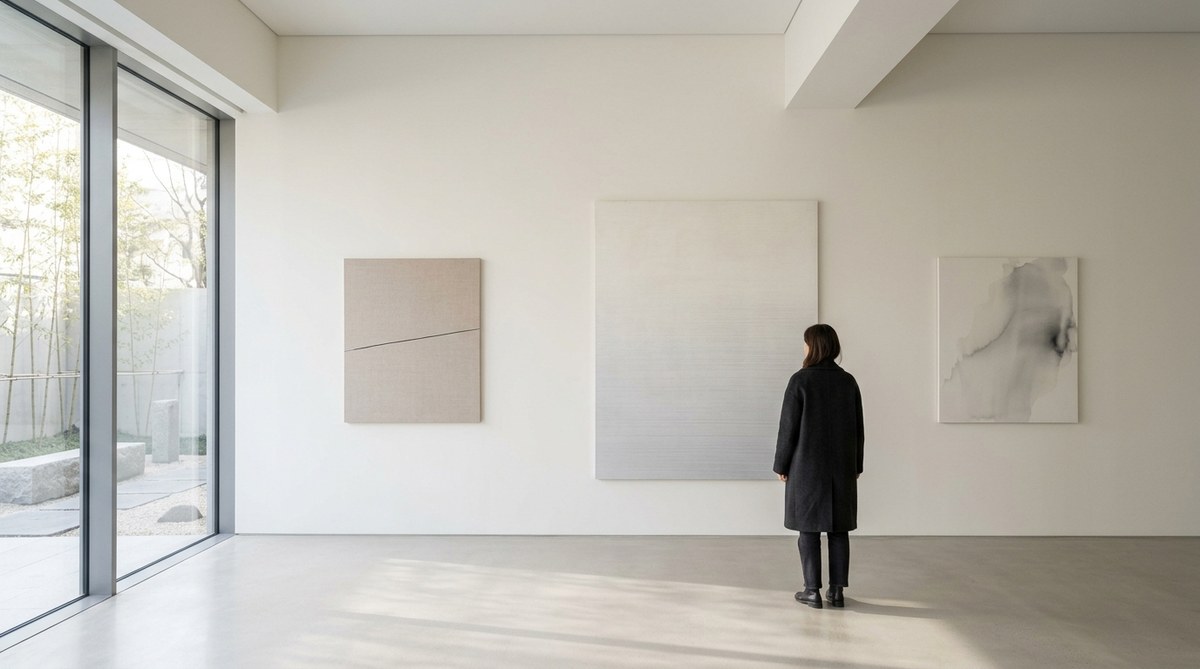
You have your first few pieces. Now where do they go? Minimalist placement is about breathing room. Each artwork needs negative space around it to hold its power.
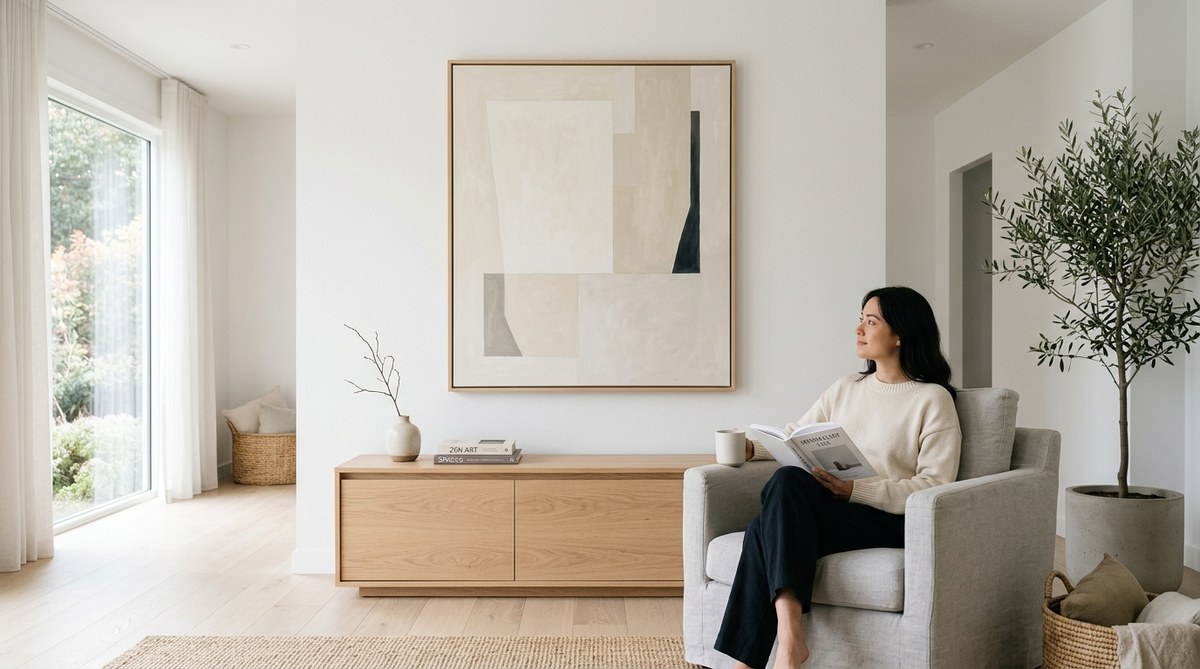
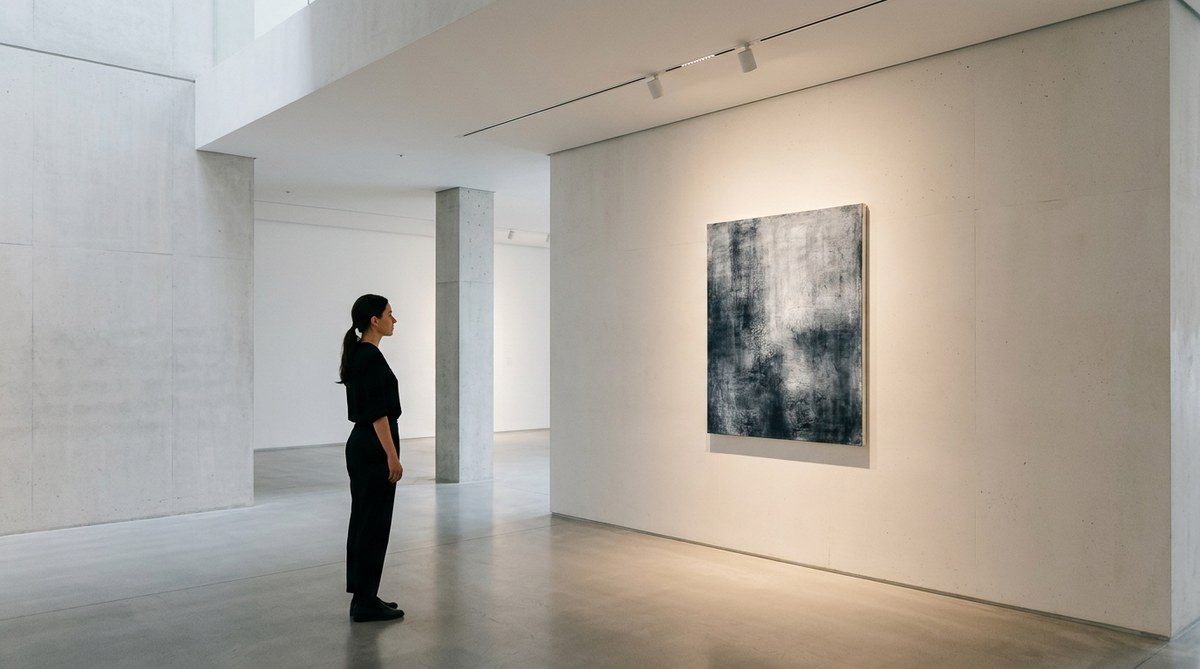
- Center a single piece at eye level. A large canvas looks best when its middle sits 57 to 60 inches from the floor. Adjust if you usually sit down (lower) or stand (higher).
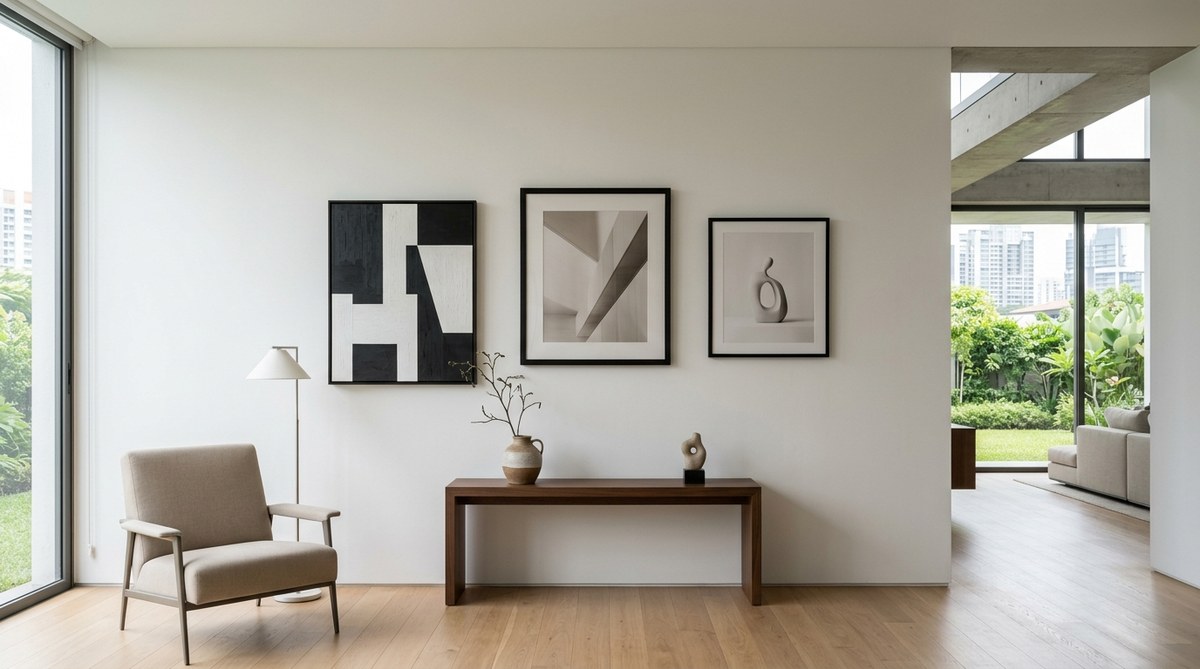
- Leave space between groupings. If you hang two or three pieces, keep at least 4 to 6 inches between them. More space creates a quieter feel.
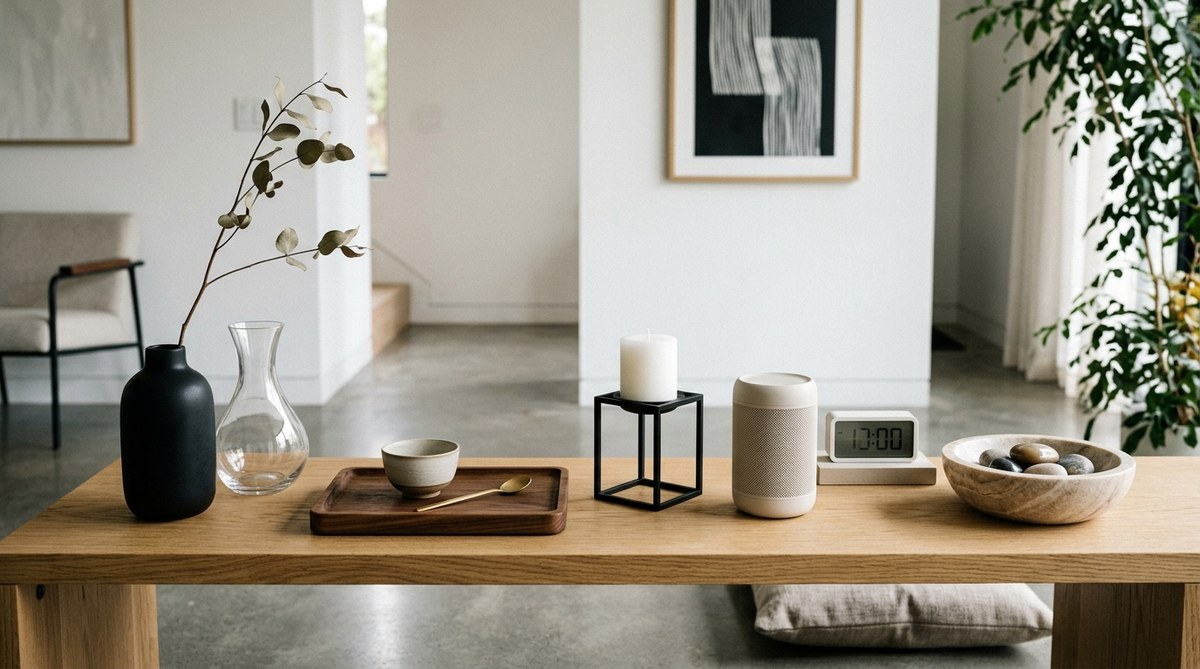
- Use a shelf for small works. Lean art against the wall. Mix in a sculptural object, like a stone vase or a ceramic bowl. This adds depth without clutter.
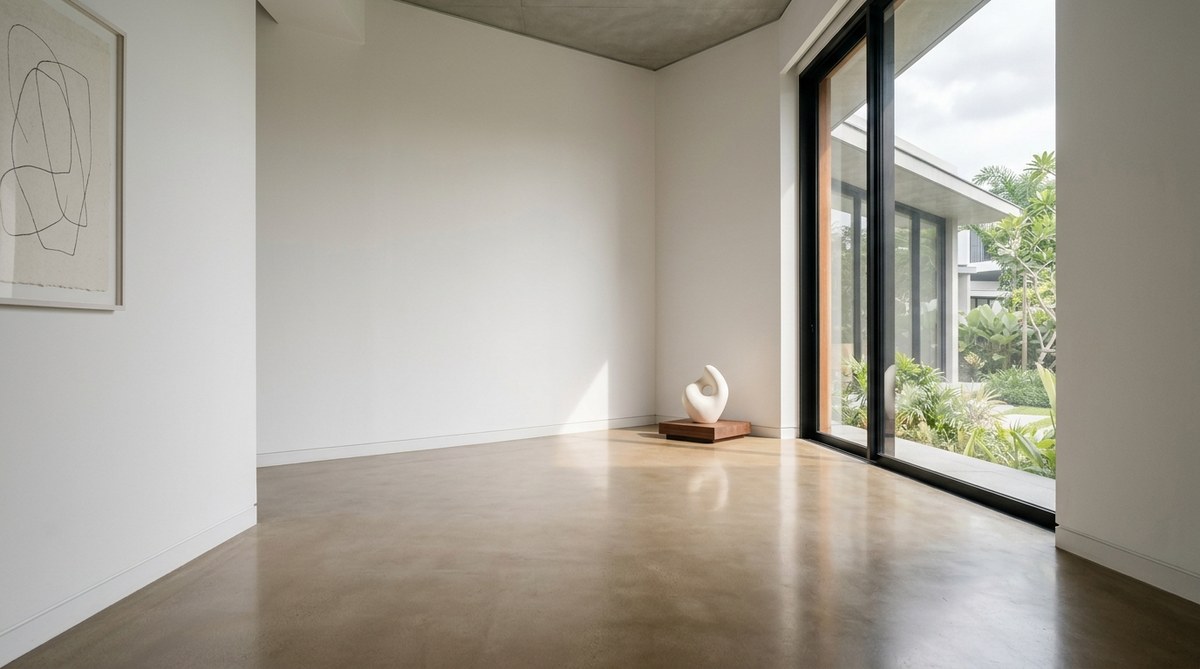
- Let the wall breathe. Do not fill every blank spot. One well placed piece in an empty hallway can be more striking than a gallery wall.
- Consider the light. Natural light changes the mood. A pale painting might wash out in midday sun. A dark print might disappear in a dim corner. Test the placement at different times of day.
For a deeper look at using emptiness as a design tool, read about discovering the power of negative space in minimalist art. The space between pieces is not wasted. It is essential.
Common Mistakes to Avoid (and How to Fix Them)
Even seasoned collectors slip up sometimes. Here is a table of typical pitfalls and their fixes.
| Mistake | Why it happens | How to fix it |
|---|---|---|
| Buying a piece that does not match your palette | Excitement in the moment | Wait 24 hours before buying. Compare it to your mood board. |
| Hanging everything at random heights | No planning | Use a level and measure from the floor. Keep consistent sight lines. |
| Overcrowding a small wall | Fear of empty space | Remove half the pieces. Let the wall show. |
| Choosing art that is too small for the wall | Going by image size alone | Tape out the dimensions first. Double the size you think you need. |
| Forgetting about the frame | Distracting or mismatched frames | Use simple floater frames or no frame at all. Stick to black, white, or natural wood. |
Caring for Your Minimalist Collection
Minimalist art often uses delicate materials: paper, raw canvas, ceramic, or plaster. To keep your collection pristine, follow a few habits.
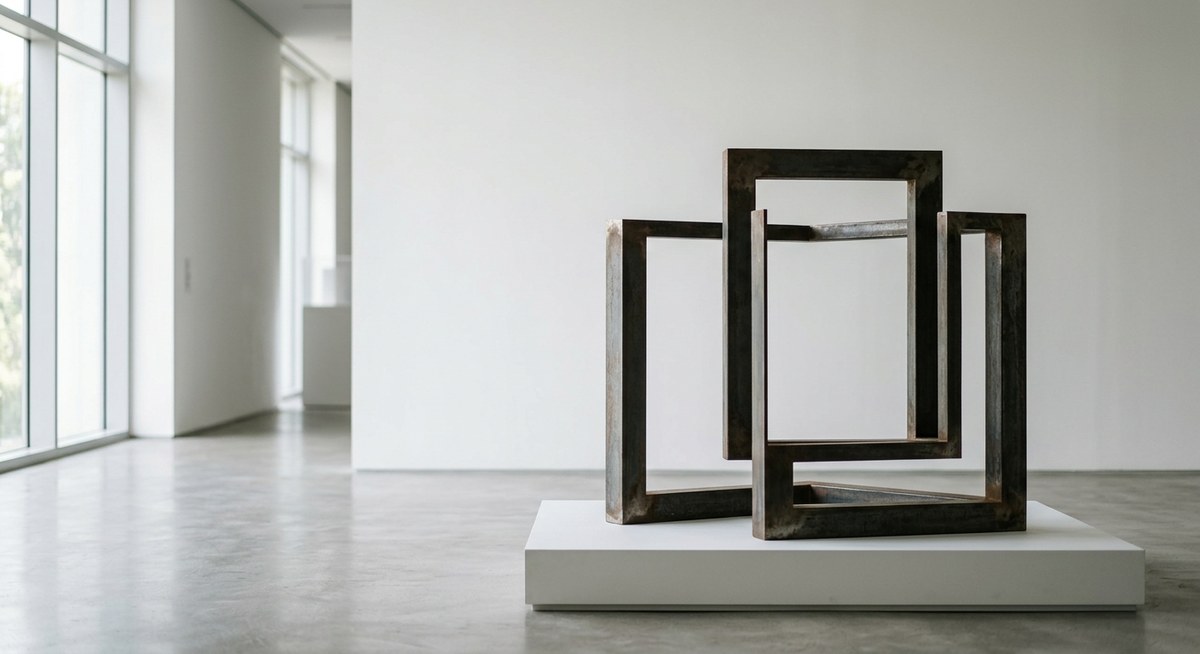
Dust frames and surfaces with a soft, dry cloth once a week. Avoid spray cleaners near paper or canvas. If you have a sculpture, place it away from windows where sunlight can cause fading. Rotate pieces seasonally. A work that hangs in summer sun may fade by fall. Moving it to a shadier spot extends its life.
When you are not displaying a piece, store it flat in a cool, dry area. Wrap prints in acid free tissue. Do not stack heavy objects on top of them.
Let Your Collection Grow Naturally
A minimalist collection is never truly finished. You will fall in and out of love with certain pieces. That is part of the process. If a painting stops resonating, sell it or give it away. Make room for new discoveries.
One of the joys of curating is the story behind each acquisition. Maybe you found a seascape at a gallery talk. Maybe a friend gave you a ceramic bowl thrown by a local artist. Those stories add layers.
For ideas on rotating your collection and keeping it fresh, check out how to curate a minimalist gallery at home. You can treat a hallway or a corner like a mini exhibition space that changes every few months.
“Minimalism is not about having less. It is about making room for more of what matters. Your art collection should feel like a calm conversation between you and the objects you choose to live with.” — Alix Morgan, independent curator
Your Minimalist Collection Is a Living Reflection of You
The pieces you select say something about how you want to feel at home. A single charcoal line on paper can hold as much weight as a massive sculpture. The key is choosing with intention, placing with care, and allowing the collection to evolve as you do.
Start small. Start with one piece that makes your heart slow down. Hang it on a clean wall. Give it room. Then see what comes next. Your minimalist art collection is not a project with a finish line. It is a practice of paying attention to what truly belongs in your life.

Leave a Reply