
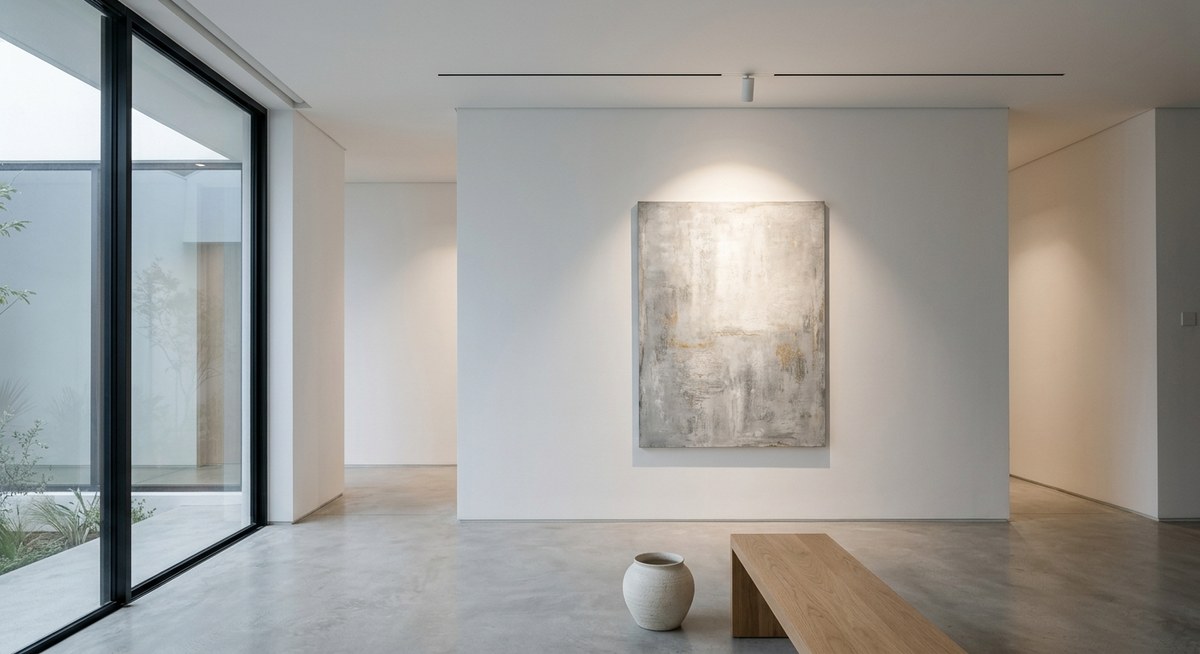
Brightening a space doesn’t have to mean cluttering it with elaborate fixtures. In fact, the secret to a truly modern and serene interior often lies in how you use light. Minimalist lighting techniques focus on simplicity, functionality, and subtle elegance. They help highlight architectural features while maintaining an uncluttered aesthetic. Whether you’re redesigning your living room or upgrading your kitchen lighting, understanding these techniques can make a significant impact on your home’s atmosphere.
Minimalist lighting techniques emphasize simplicity and function. Use layered lighting, choose fixtures carefully, and maximize natural light to craft calm, modern spaces that feel inviting and uncluttered.
Understanding minimalist lighting
Minimalist lighting isn’t just about choosing simple fixtures. It’s about creating a balanced environment where light enhances space without overwhelming it. This approach values clean lines, unobtrusive designs, and lighting that serves both form and function.
At its core, minimalist lighting aims to reduce visual noise. It involves selecting fixtures and placement strategies that complement the architecture and decor while providing sufficient illumination. The goal is to create a space that feels open, calm, and refined.
Techniques for effective minimalist lighting
There are several techniques you can adopt to master minimalist lighting. Here’s a step-by-step guide to help you get started.
1. Embrace natural light
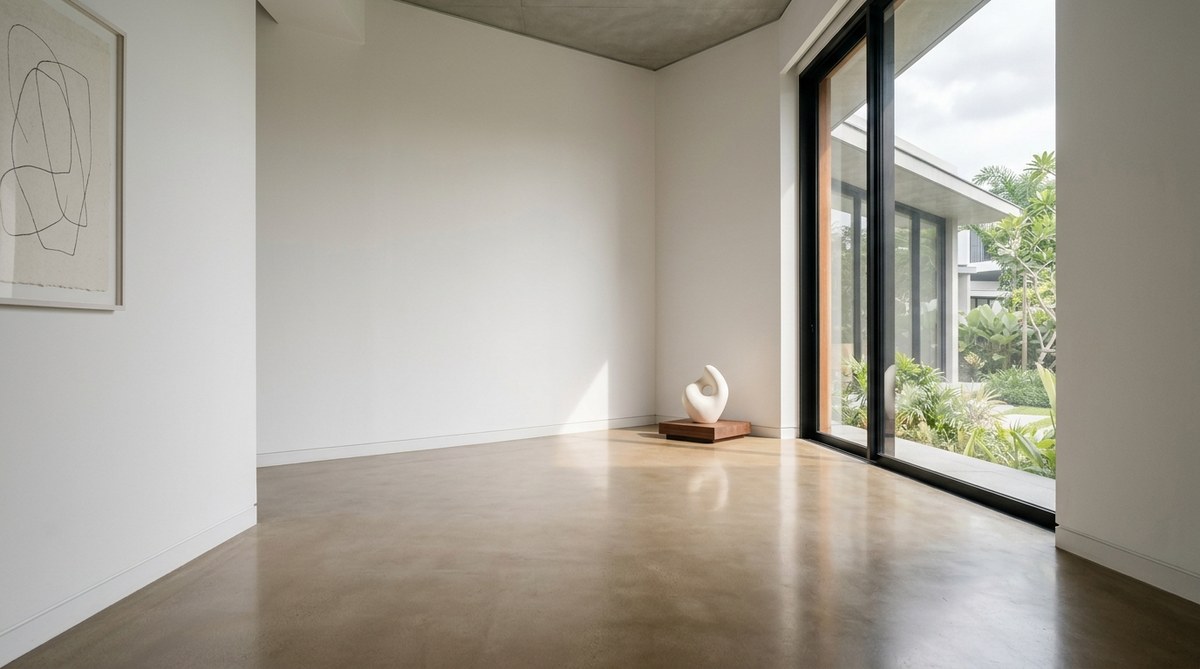
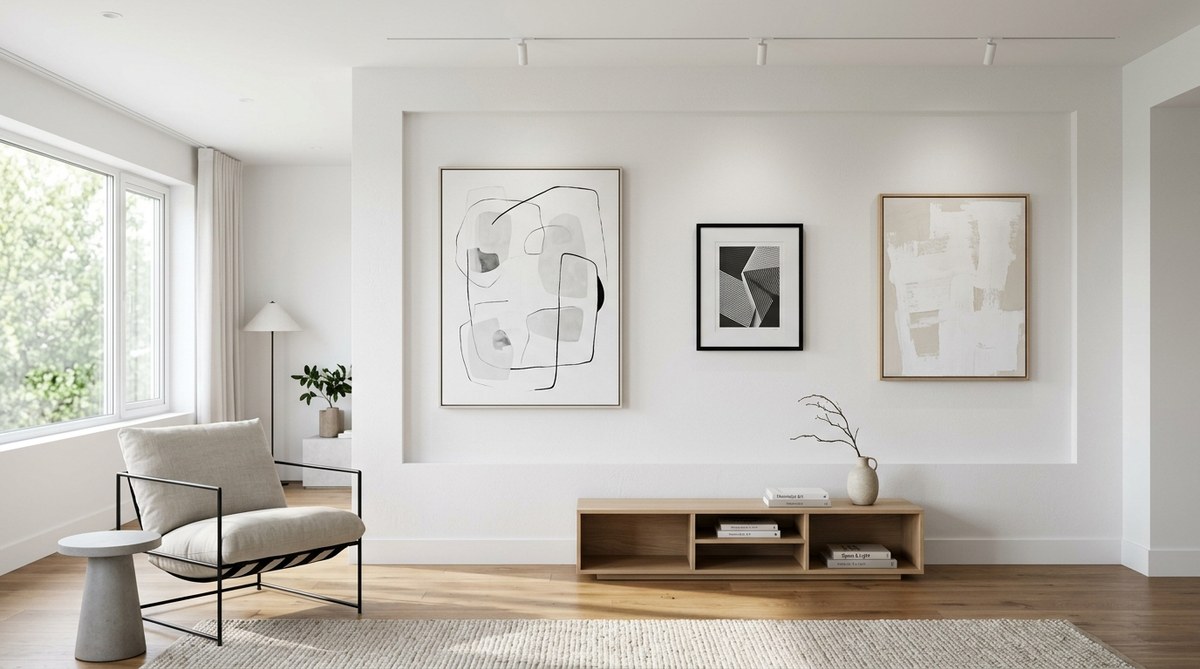
Maximizing natural light is the foundation of minimalist design. Large windows, glass doors, and open floor plans allow daylight to flood in. Keep window treatments simple—think sheer curtains or unobstructed panes—to let as much light in as possible.
Position furniture to avoid blocking light sources. Use reflective surfaces like polished floors, glass tables, and mirrors to bounce light throughout the room. These elements amplify natural light and make spaces appear larger and brighter.
2. Choose simple fixtures
Opt for fixtures with clean lines and neutral finishes. Think of recessed lights, flush mounts, and minimalist pendant lamps. Fixtures should blend into the space rather than act as focal points unless intentionally designed as a statement piece.
Lighting fixtures made of materials like matte metal, frosted glass, or natural fibers work well. They add subtle texture without cluttering the visual field. Avoid ornate or overly decorative fixtures unless they serve a specific purpose.
3. Layer your lighting
Layering involves combining different types of light sources to create depth and functionality. It’s about balancing ambient, task, and accent lighting.
- Ambient lighting provides overall illumination. Recessed ceiling lights or wall-mounted fixtures work well here.
- Task lighting targets specific areas like reading nooks or kitchen counters. Use sleek under-cabinet lights or minimalist table lamps.
- Accent lighting highlights architectural features or artwork. Small spotlights or LED strips can serve this purpose without adding visual clutter.
4. Use warm or cool color temperatures judiciously
Lighting’s color temperature influences mood. Warm whites (around 2700K to 3000K) create cozy, inviting atmospheres. Cooler whites (around 3500K to 4100K) are better for functional areas like kitchens and workspaces.
Choose bulbs that complement your space’s vibe. Remember, consistency in color temperature maintains a cohesive look and prevents visual dissonance.
5. Incorporate smart and hidden lighting
Smart lighting systems allow you to control brightness and color with ease. Dimming features add flexibility, enabling you to adjust the mood effortlessly.
Hidden lighting fixtures—such as recessed LEDs or cove lighting—provide illumination without clutter. They create a seamless glow that emphasizes clean lines and architectural details.
Common pitfalls and how to avoid them
| Technique | Mistakes to Avoid | Why it Matters |
|---|---|---|
| Overusing fixtures | Installing too many or overly ornate fixtures | Clutters the space and detracts from minimalism |
| Ignoring natural light | Blocking windows or heavy drapes | Limits the benefits of daylight and can make spaces feel dark |
| Poor placement | Fixtures that don’t align with architectural lines | Disrupts visual harmony and can create uneven lighting |
| Using mismatched bulbs | Mixing color temperatures | Creates visual dissonance and reduces cohesion |
Expert tip: “Less is more when it comes to lighting. Focus on quality fixtures that blend seamlessly into the environment, and let natural light do most of the work,” advises interior designer Lisa Grant.
Practical steps to implement minimalist lighting
- Assess your space: Identify the natural light sources and how they change throughout the day. Note areas that need more lighting.
- Plan your layers: Decide where ambient, task, and accent lighting will go. Sketch a layout to visualize fixture placement.
- Select fixtures carefully: Opt for fixtures that align with the minimalist aesthetic—think sleek, unobtrusive, and neutral in color.
- Install with intent: Position fixtures to highlight architectural features or furniture, avoiding cluttered or overly complicated setups.
- Control your light: Use dimmers and smart controls to adjust lighting levels and create different atmospheres as needed.
Mistakes to watch out for
| Common mistakes | Impact | How to fix it |
|---|---|---|
| Using too many fixtures | Visual clutter | Limit fixtures to essential sources, focus on quality |
| Neglecting natural light | Dark, heavy rooms | Keep windows unobstructed, add mirrors |
| Incorrect fixture placement | Uneven lighting | Plan your layout, test lighting at different times |
| Mismatched color temperatures | Disjointed look | Use bulbs with consistent color temperatures |
Final thoughts on minimalist lighting
Achieving a harmonious minimalist space hinges on thoughtful lighting choices. Focus on simplicity, layer your light sources, and prioritize natural illumination whenever possible. The right lighting can transform your space into a calm, inviting retreat that feels effortlessly modern.
Remember, lighting is not just about visibility. It’s about creating an atmosphere. With patience and a clear plan, you can craft a home that reflects your taste for minimalism while feeling warm and welcoming.
Light up your minimalist space with confidence
Lighting is a powerful tool in creating serene, uncluttered interiors. Take your time selecting fixtures, consider how natural light interacts with your space, and use layering to add depth. Small adjustments can make a big difference. Start with a clear plan and let simplicity guide your choices. Your minimalist haven awaits.

Leave a Reply