
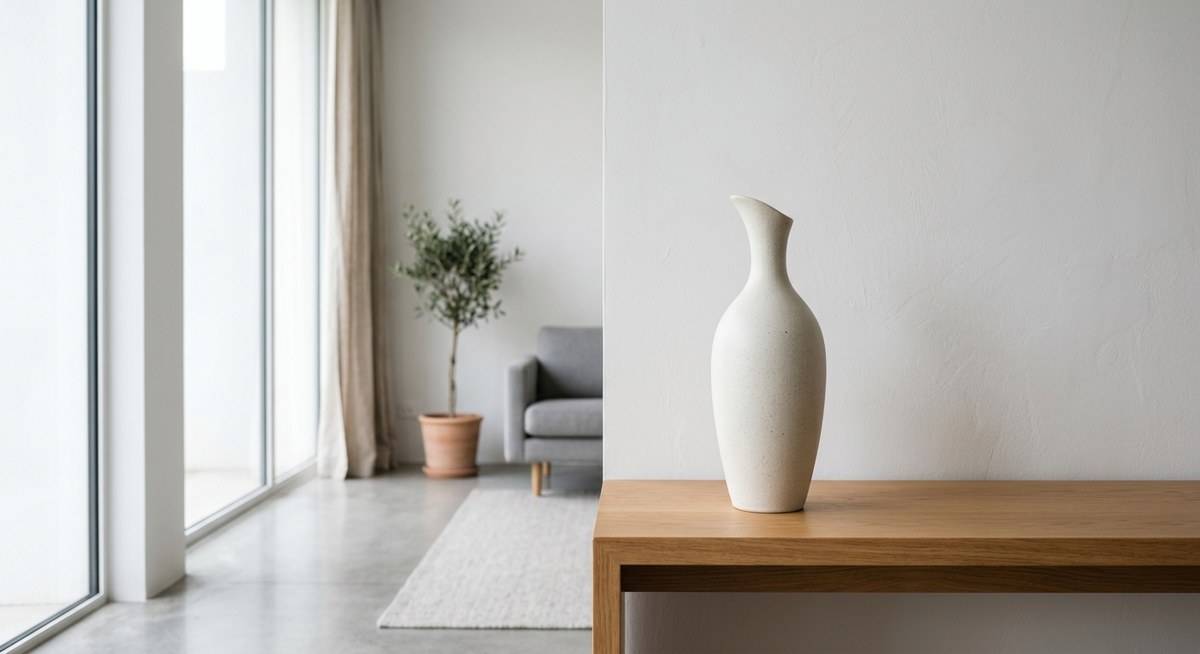
Creating objects that embody simplicity has become a cornerstone of modern design. In a world cluttered with excess, the art of simplicity in object design offers a breath of fresh air. It champions clean lines, thoughtful forms, and purposeful functions that resonate deeply within contemporary spaces. This approach does not mean stripping away all features but rather focusing on what matters most. The result is objects that are both beautiful and meaningful, elevating any environment they inhabit.
The art of simplicity in object design emphasizes minimalism, functionality, and natural beauty. It creates spaces that feel calm, organized, and authentic by focusing on essential forms and materials, inspiring modern living through thoughtful craftsmanship.
Understanding the core of simplicity in object design
Simplicity in object design is more than just a visual style. It is a philosophy rooted in the idea that less is more. This approach encourages designers to strip objects down to their essential elements, highlighting their purpose and natural beauty. By doing so, objects become more than just functional items—they become expressions of clarity, patience, and intentionality.
In modern spaces, where every item competes for attention, simple objects serve as calming anchors. They allow other design elements to breathe and create a sense of harmony. The art lies in balancing form and function without unnecessary ornamentation. The goal is to craft objects that are effortless to appreciate and integrate seamlessly into daily life.
Principles guiding the art of simplicity in object design
Several guiding principles help define this design ethos:
- Minimalism: Focuses on essential forms and avoids excess decoration.
- Functionality: Prioritizes usability and purpose over aesthetics alone.
- Natural materials: Uses honest, sustainable, and tactile materials.
- Clean lines: Emphasizes smooth, uncluttered outlines.
- Neutral color palettes: Prefers soft tones that promote calmness.
- Organic shapes: Incorporates gentle curves and natural forms.
These principles work together to create objects that feel both timeless and relevant. They foster spaces that are uncluttered but not cold, inviting but not overwhelming.
Practical steps to embrace simplicity in your object collection
Adopting the art of simplicity in your space involves a mindful process. Here are steps to guide your journey:
-
Assess your current objects
Review your belongings and identify items that add value, purpose, or beauty. Discard or donate pieces that create visual noise or serve no real function. -
Prioritize quality over quantity
Choose well-crafted objects made from natural materials. Invest in items that age gracefully and develop character over time. -
Focus on form and material
Select objects with clean lines and simple shapes. Let the materials speak for themselves—wood, stone, glass, or metal—without heavy decoration. -
Maintain a neutral palette
Use colors that evoke tranquility, like whites, beiges, greys, or muted earth tones. These hues serve as a calming backdrop for your space. -
Create intentional focal points
Highlight a few key pieces that embody the essence of simplicity. These serve as visual anchors and conversational starters. -
Practice mindful arrangement
Arrange objects with space around them. Avoid overcrowding to allow each piece to stand out and breathe.
Techniques for achieving simplicity in object design
| Technique | Description | Common Mistakes |
|---|---|---|
| Focus on essential forms | Strip objects to their basic geometric or organic shapes | Over-simplification leading to dullness |
| Use honest materials | Showcase natural textures and finishes | Hiding imperfections with heavy coatings |
| Limit color schemes | Stick to a subdued palette for coherence | Using too many contrasting tones |
| Embrace negative space | Leave areas free of objects to create balance | Overloading surfaces |
| Prioritize craftsmanship | Select objects with precise, clean construction | Choosing poorly made items |
Techniques to achieve and mistakes to avoid
Creating truly simple objects requires attention to detail and awareness of common pitfalls. For example, choosing honest materials such as solid wood or matte ceramics enhances authenticity. Conversely, covering natural textures with heavy paint or gloss can diminish the object’s integrity.
Avoid cluttering surfaces with multiple smaller objects. Instead, select a few statement pieces that carry meaning. When arranging objects, remember that negative space is just as crucial as the objects themselves. It fosters calmness and helps highlight the beauty of each piece.
“The essence of simplicity is not about removing all decoration but about choosing what truly matters. When each object has purpose and beauty, the space naturally feels more alive.” — Designer Jane Wilson
Inspiration from masters of minimalist object design
Many designers and brands exemplify the art of simplicity. Norm Architects creates furniture and objects that blend Scandinavian minimalism with organic warmth. Their pieces, like the Arc Vases or the Évora Side Table, showcase clean lines and honest materials that elevate any modern setting.
Another inspiring example is the work of Dieter Rams, whose timeless approach emphasizes functionality and clarity. His famous ten principles of good design serve as a blueprint for creating objects that are both simple and meaningful.
Integrating simplicity into your living spaces
Incorporating simple objects into your home can dramatically improve the overall atmosphere. Here are some tips:
- Select a few key pieces to serve as focal points.
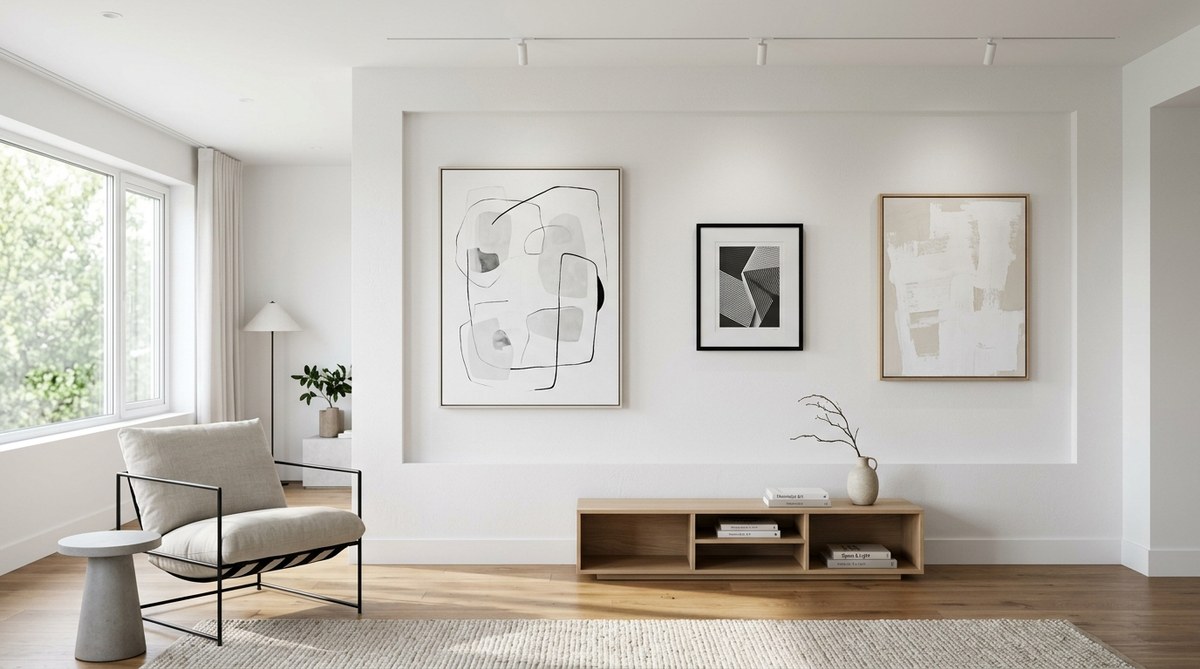
- Use open shelving to display meaningful objects with space around them.
- Keep surfaces clear to emphasize the beauty of each object.
- Mix natural materials for texture and warmth.
- Maintain a consistent color palette to unify the space.
For further inspiration, you might want to read about which offers ideas on how simplicity can transform art displays and interiors alike.
Final thoughts on the power of simplicity
Choosing to focus on the art of simplicity in object design can profoundly impact your environment. It creates spaces that feel calm, organized, and authentic. By selecting well-crafted objects with honest materials and simple forms, you foster a sense of clarity and purpose. Remember, the key is not just minimalism for its own sake but creating meaningful objects that resonate.
Start small by decluttering and choosing a few statement pieces. Over time, this mindful approach will help you craft spaces that nurture well-being and inspire creativity. Let simplicity guide your choices and enjoy the beauty of thoughtfully curated environments.
Crafting a space that breathes with simplicity
Embracing the art of simplicity in object design is an ongoing journey. It’s about making intentional choices that reflect your values and aesthetic preferences. By focusing on quality, form, and materials, you can create spaces that feel both modern and timeless. Remember, simplicity is not a limitation but a liberation—allowing you to live with less but enjoy more.
Start today by reevaluating your objects and embracing the beauty of minimalism. Your space will thank you for it.

Leave a Reply