
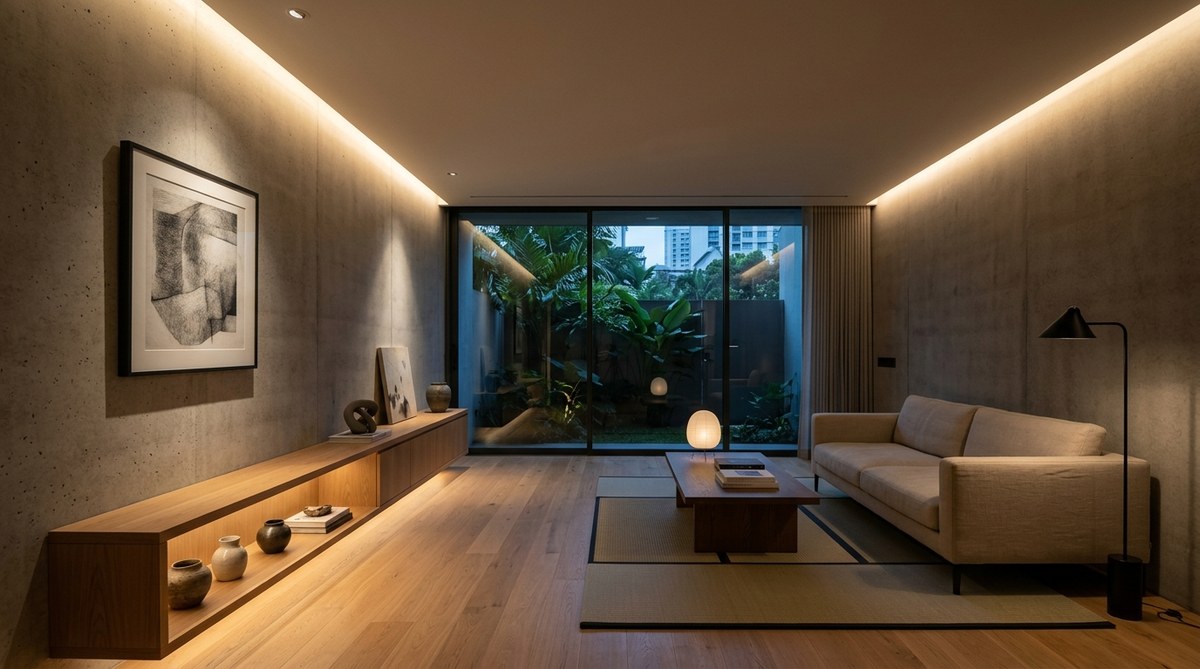
Transforming a living space into a sanctuary of calm and elegance often hinges on the right lighting choices. Minimalist lighting techniques focus on creating a clean, unobtrusive glow that complements a pared-down aesthetic. These lighting ideas aren’t about overwhelming a room but about highlighting its natural beauty and purpose. When done thoughtfully, minimalist lighting can subtly redefine how your space feels, looks, and functions.
Minimalist lighting techniques focus on simplicity and purpose. Using layered lighting, hidden fixtures, and warm tones can make your home look elegant and serene without cluttering your space.
Why subtle lighting makes a difference in minimalist interiors
Minimalist interiors thrive on simplicity. The right lighting should enhance this aesthetic without drawing too much attention. Subtle lighting techniques create a peaceful ambiance and highlight architectural features or textures. These ideas transform everyday spaces into calming retreats, making your home feel more spacious and refined.
When you choose minimalist lighting, it’s about more than just illumination. It’s about crafting an environment that feels balanced and harmonious. Lighting can define zones, add depth, and emphasize textures—all while maintaining a clean look.
Core principles of minimalist lighting design
Before diving into specific techniques, it’s helpful to understand some guiding principles:
- Keep fixtures simple and unobtrusive
- Use light to accentuate natural features
- Layer different types of lighting for depth
- Prioritize warmth over harsh brightness
- Avoid cluttering surfaces with unnecessary fixtures
These principles ensure your lighting contributes to a calm, cohesive environment. Now, let’s look at practical strategies to achieve this.
Practical techniques for minimalist lighting
1. Use hidden or recessed lighting
Recessed lighting involves fixtures installed within ceilings or walls, leaving only the light source visible. This creates a seamless, unobtrusive glow that softly illuminates without drawing attention. For example, installing LED strips above cabinets or along architectural recesses can highlight features subtly.
2. Incorporate wall-wash lighting
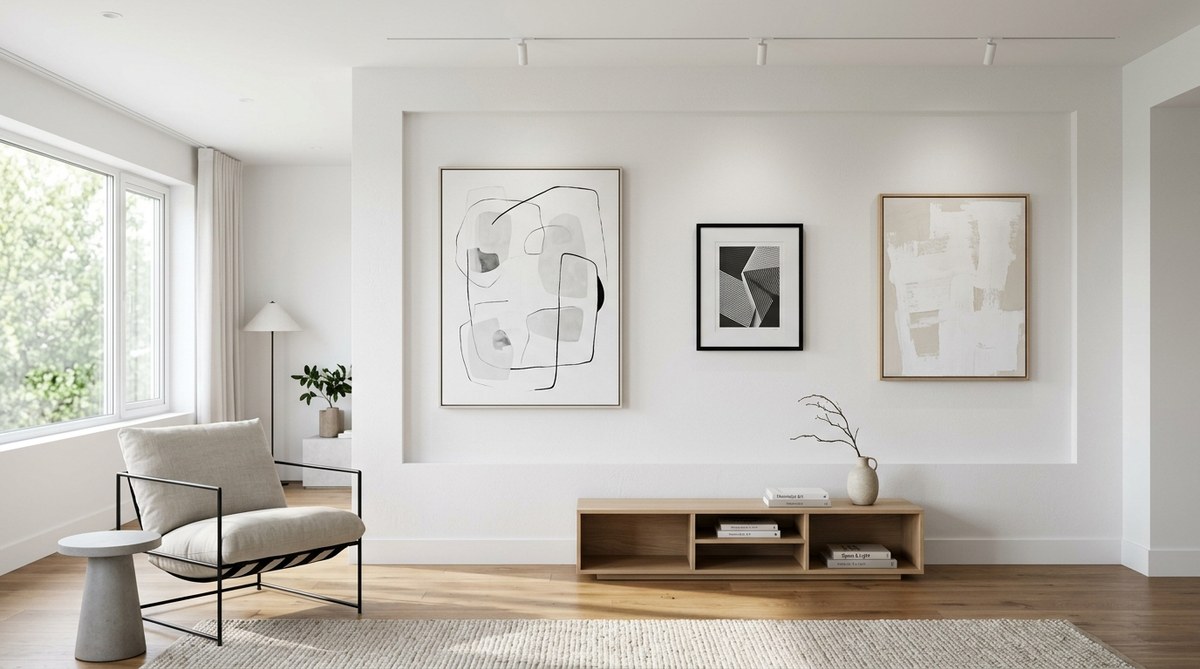
Wall-wash fixtures cast a gentle, even light across large surfaces. This technique emphasizes texture and color without adding visual clutter. Position wall washers to create a soft, indirect glow that reflects light onto the ceiling and floor, making the space appear larger and more open.
3. Opt for warm, dimmable bulbs
Warm white light (around 2700K to 3000K) creates a cozy, inviting atmosphere. Using dimmable fixtures allows you to control brightness depending on the mood or time of day. Dimming options help prevent overly bright environments that clash with minimalist aesthetics.
4. Emphasize natural light
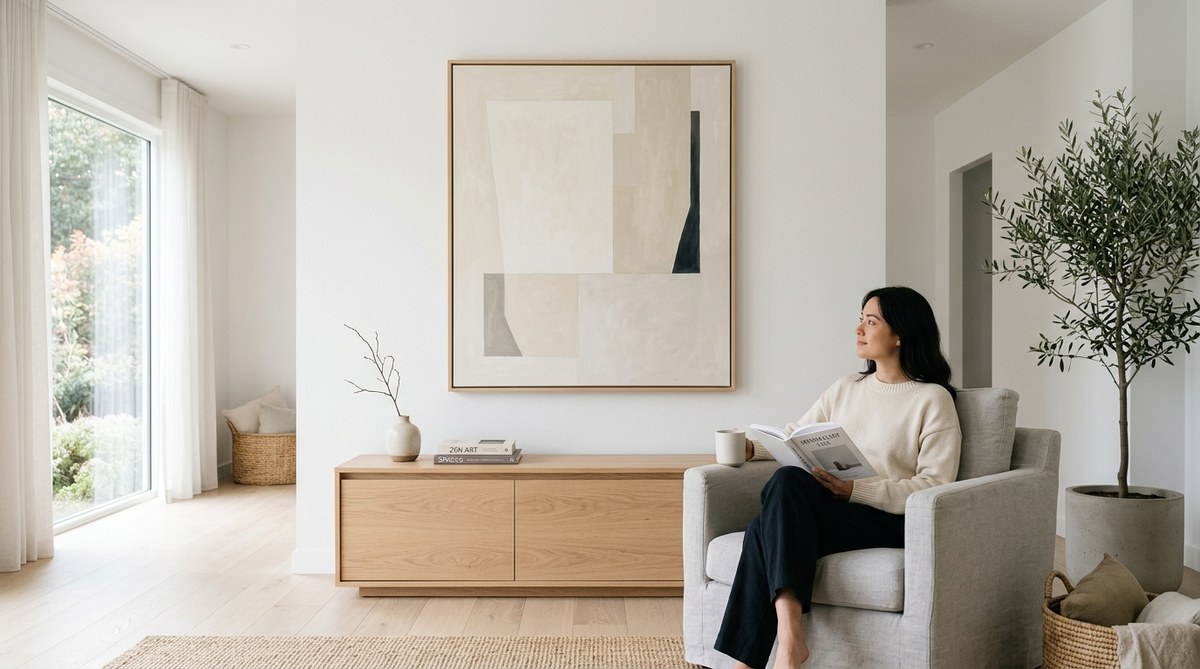
Maximize daylight by keeping window treatments light and minimal. Use sheer curtains or blinds that can be easily adjusted. Natural light is inherently minimalist and adds depth to your space without additional fixtures.
5. Add task lighting strategically
Instead of multiple lamps, choose a single, sleek fixture for each functional zone. For example, a minimalist desk lamp or under-cabinet lighting in the kitchen keeps surfaces illuminated without clutter. Focus on quality over quantity.
6. Use accent lighting sparingly
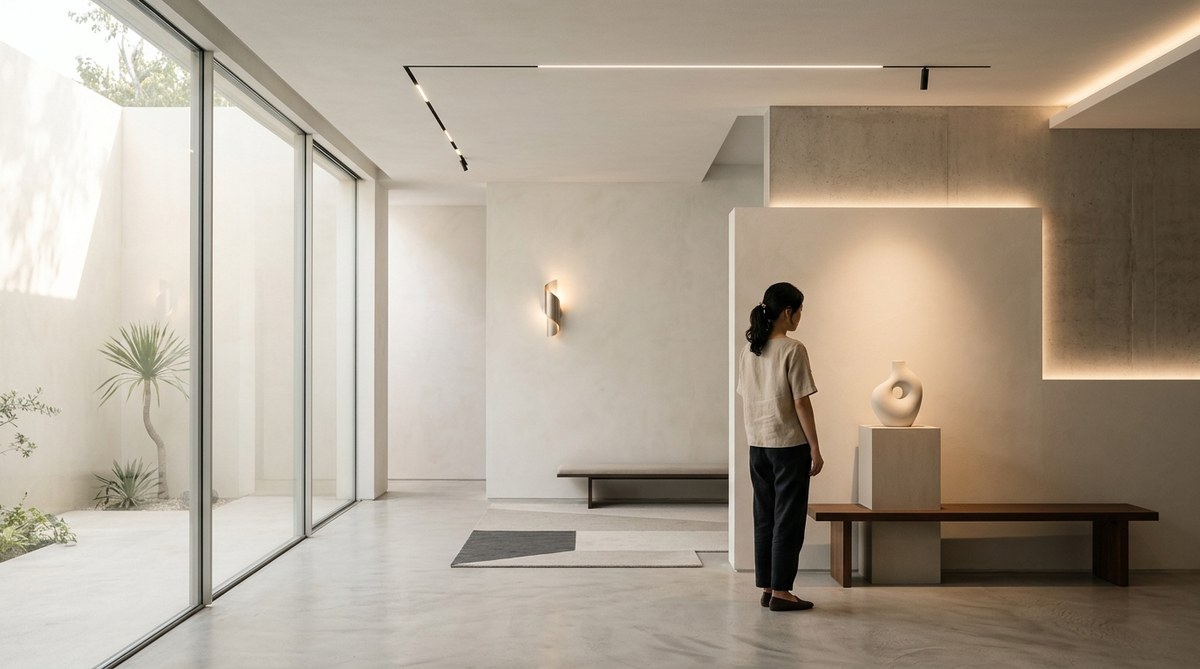
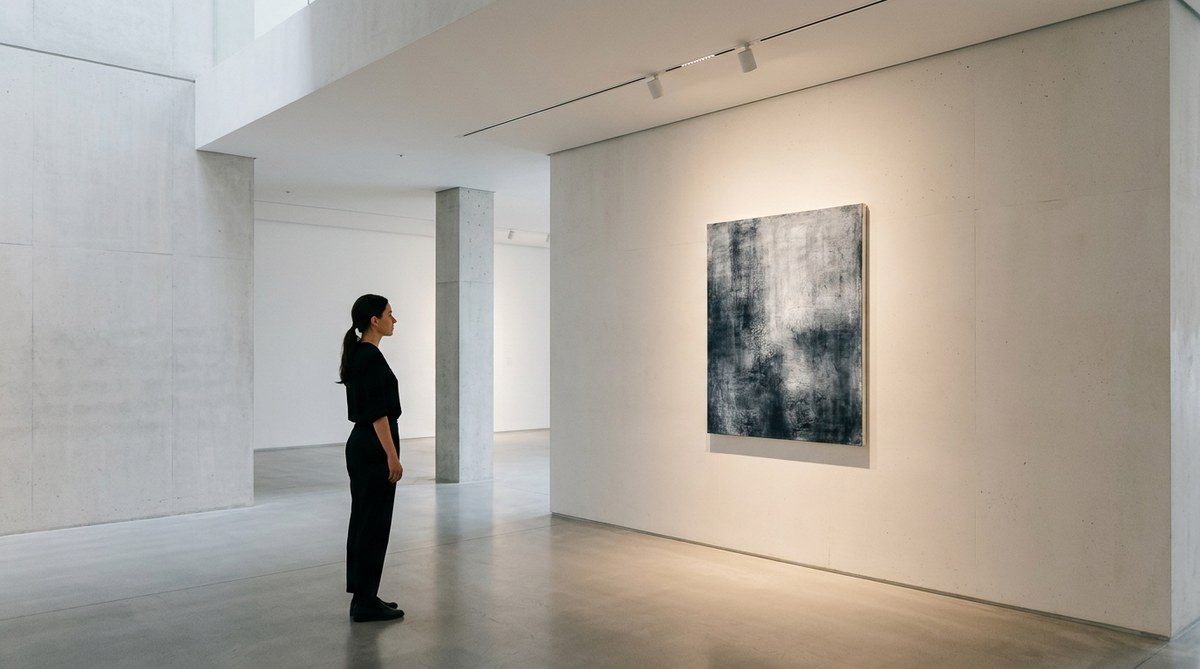
Accent lighting highlights specific features like artwork or architectural details. A single, focused spotlight can draw attention without overwhelming the room. Keep the design simple to maintain the minimalist feel.
7. Incorporate lighting fixtures with clean lines
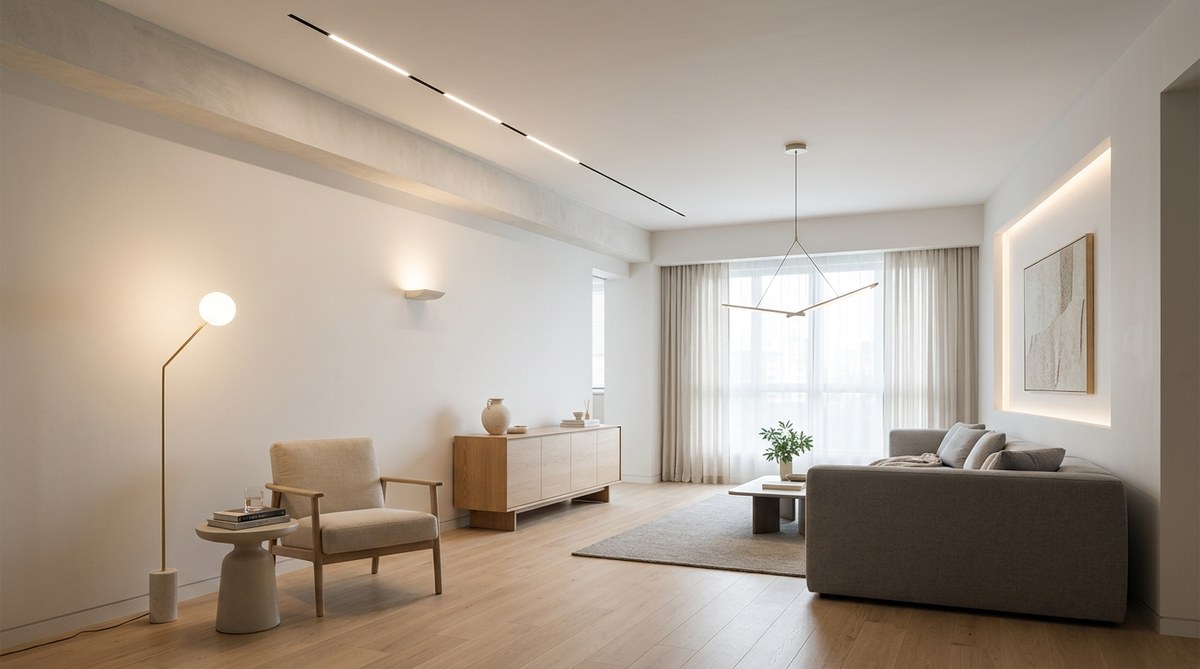
Choose fixtures with geometric shapes and simple silhouettes. Materials like matte metal, frosted glass, or integrated LED panels work well. These elements blend seamlessly into the decor.
Common mistakes to avoid in minimalist lighting
| Technique | Mistake |
|---|---|
| Overusing fixtures | Cluttering surfaces with multiple lamps or pendants. |
| Choosing overly ornate fixtures | Distracting from the clean aesthetic. |
| Ignoring natural light | Relying solely on artificial lighting. |
| Bright, harsh bulbs | Creating uncomfortable environments. |
| Forgetting layer depth | Using only one type of lighting, resulting in flatness. |
Expert insight on subtle lighting
“In minimalist design, lighting should quietly support the space. Focus on creating layers that work together, not competing for attention. The goal is to enhance the natural beauty of your interiors with gentle, well-placed illumination.” — Interior design specialist
How to implement minimalist lighting in your home
Step 1. Assess your space
Identify areas that need lighting and consider natural light sources. Think about zones for reading, relaxing, or working.
Step 2. Choose your fixtures
Select fixtures with simple designs that blend into your decor. Think recessed lights, wall washers, or sleek pendant lights.
Step 3. Layer your lighting
Combine ambient, task, and accent lighting. Use dimmers to adjust mood and function.
Step 4. Maximize natural light
Keep window treatments minimal and position furniture to make the most of daylight.
Step 5. Fine-tune and test
Adjust fixture placements and brightness levels until the ambiance feels right. Remember, less is often more.
Comparing techniques and avoiding pitfalls
| Technique | Best Practice | Common Mistake |
|---|---|---|
| Recessed lighting | Use for general illumination and highlighting features | Overlighting, which reduces the calm aesthetic |
| Wall-wash fixtures | Highlight textured walls and architectural details | Using fixtures that are too bright or distracting |
| Warm bulbs and dimming | Create a cozy atmosphere and control mood | Using cool or overly bright bulbs |
| Natural light maximization | Keep window treatments light and unobtrusive | Blocking daylight with heavy curtains |
Final thoughts on subtle illumination
Achieving a minimalist aesthetic through lighting is about more than just fixtures. It’s about creating a quiet harmony between light and space. Each element should serve a purpose and contribute to a serene atmosphere. With thoughtful layering and careful fixture selection, your home can glow gently with understated elegance.
By embracing these subtle techniques, you not only enhance your interior’s beauty but also craft a space that feels calm and inviting every day. Start small, test different options, and let your home’s natural charm shine through.
Let your home breathe with gentle light
Lighting, when done with intention, transforms your living space into a haven of tranquility. Focus on simplicity, natural light, and layered illumination. Over time, your home will reflect a refined, minimalist style that’s both functional and beautiful. Remember, the most striking spaces often come from moments of quiet refinement.

Leave a Reply