
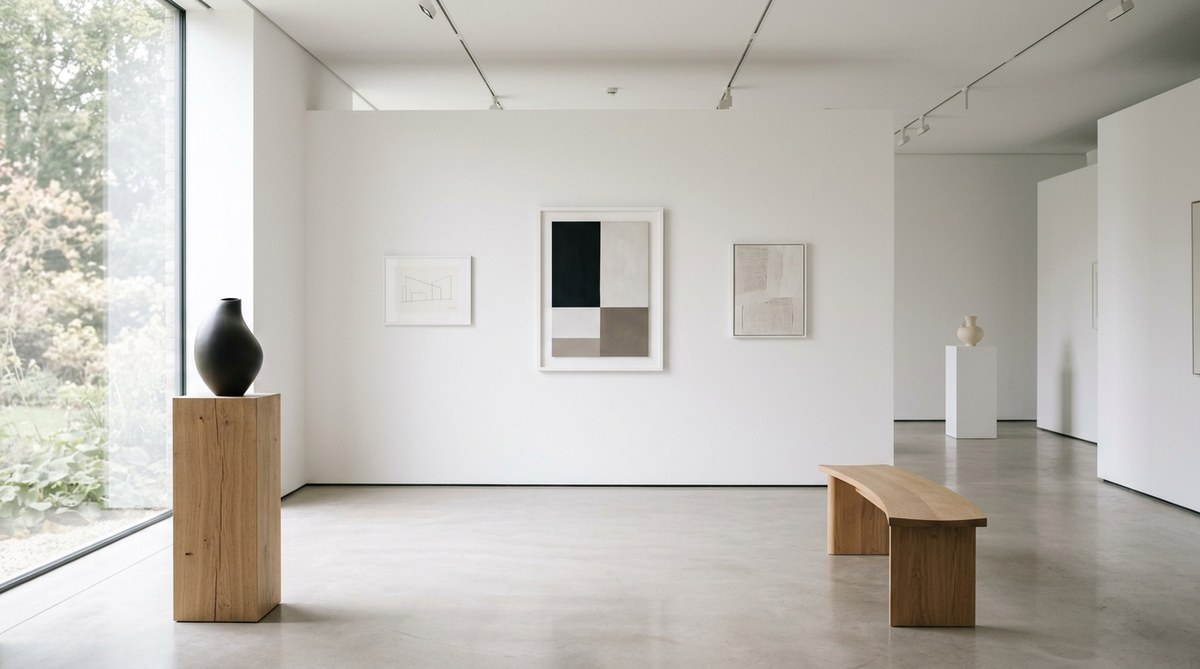
Creating a minimalist art space design that feels peaceful, balanced, and inspiring is more than just choosing a few pieces of art. It’s about crafting an environment where simplicity elevates your creativity and serenity. Whether you’re a homeowner redecorating a corner or an interior enthusiast designing a dedicated studio, understanding the core principles of minimalist aesthetics can transform your space into a sanctuary of calm and inspiration.
A well-designed minimalist art space balances simplicity and purpose through thoughtful layout, color harmony, and curated artwork, creating a peaceful environment that fosters creativity and clarity.
Understanding The Essence of Minimalist Art Space Design
Minimalist art space design centers on the idea that less is more. It’s about removing the clutter and focusing on what truly matters. The goal is to create a space that feels open, calming, and inspiring. Minimalism emphasizes clean lines, neutral colors, and strategic use of space. Every element should serve a purpose, whether it’s a piece of art, furniture, or the way light fills the room.
A space built on minimalist principles does not feel sparse or cold. Instead, it invites you to breathe easier and focus on the essentials. Think of it as an environment that allows your art and ideas to shine without distraction.
Key Principles for Designing a minimalist art space
1. Embrace simplicity in layout and furniture
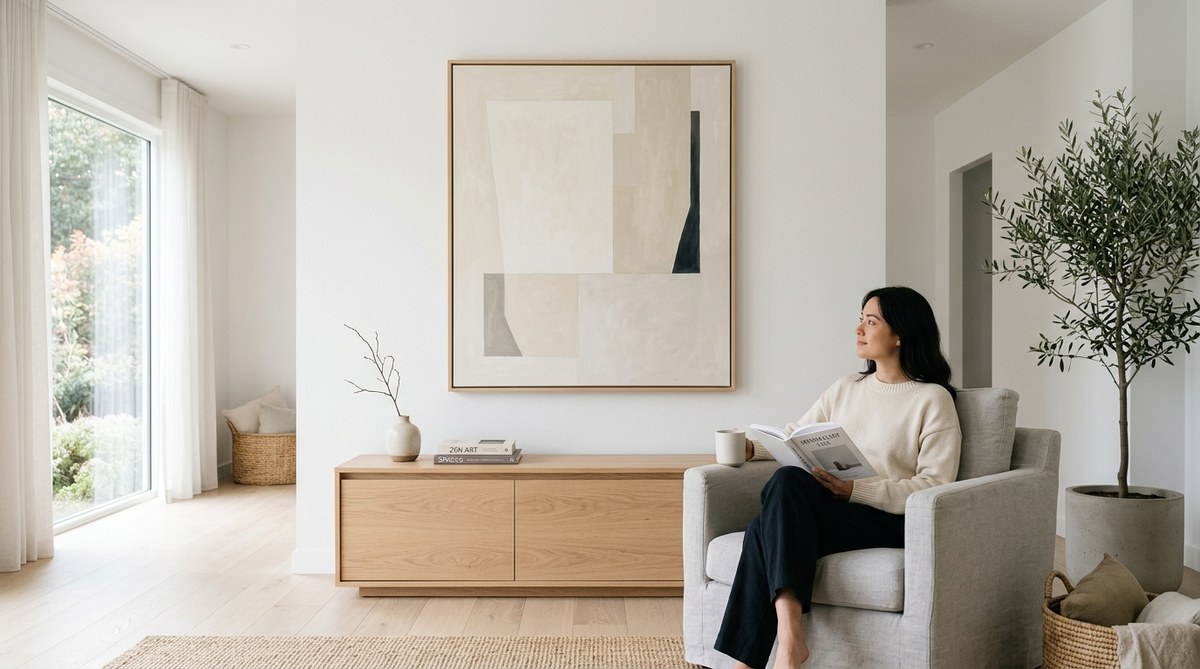
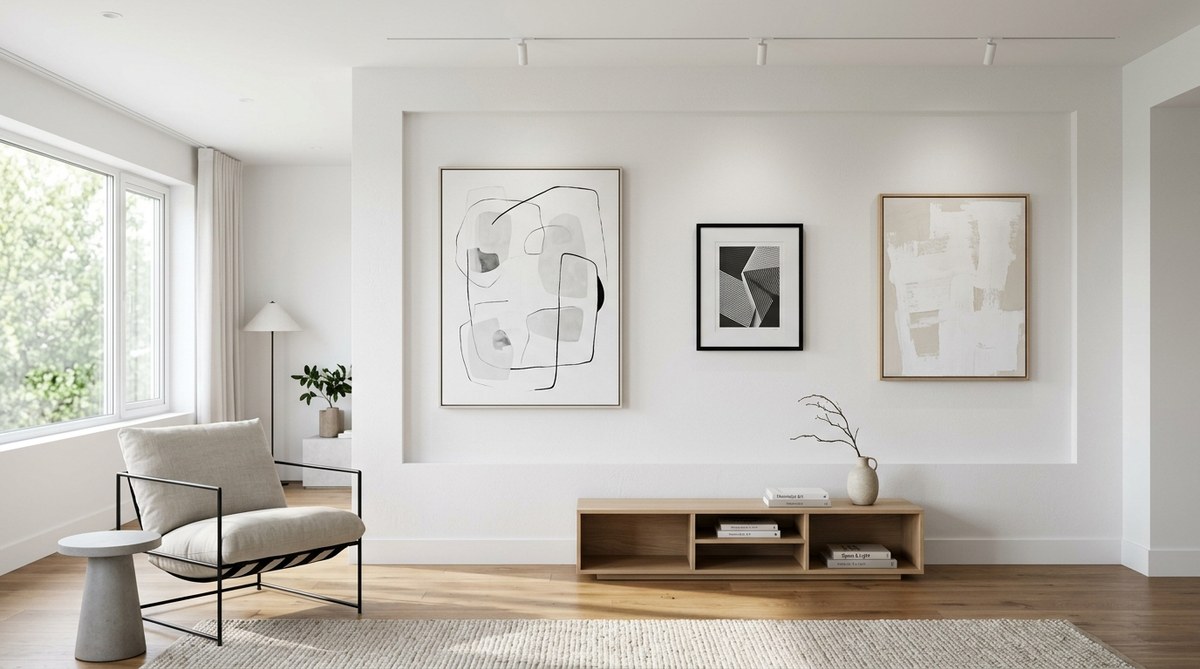
A clutter-free environment starts with a simple layout. Use furniture with clean lines and minimal ornamentation. Opt for pieces that are functional and unobtrusive. For example, a sleek white console or a low-profile sofa can serve as a neutral backdrop for your art. Avoid overloading the space with too many pieces. Each item should add value and contribute to the overall harmony.
2. Curate artwork with purpose
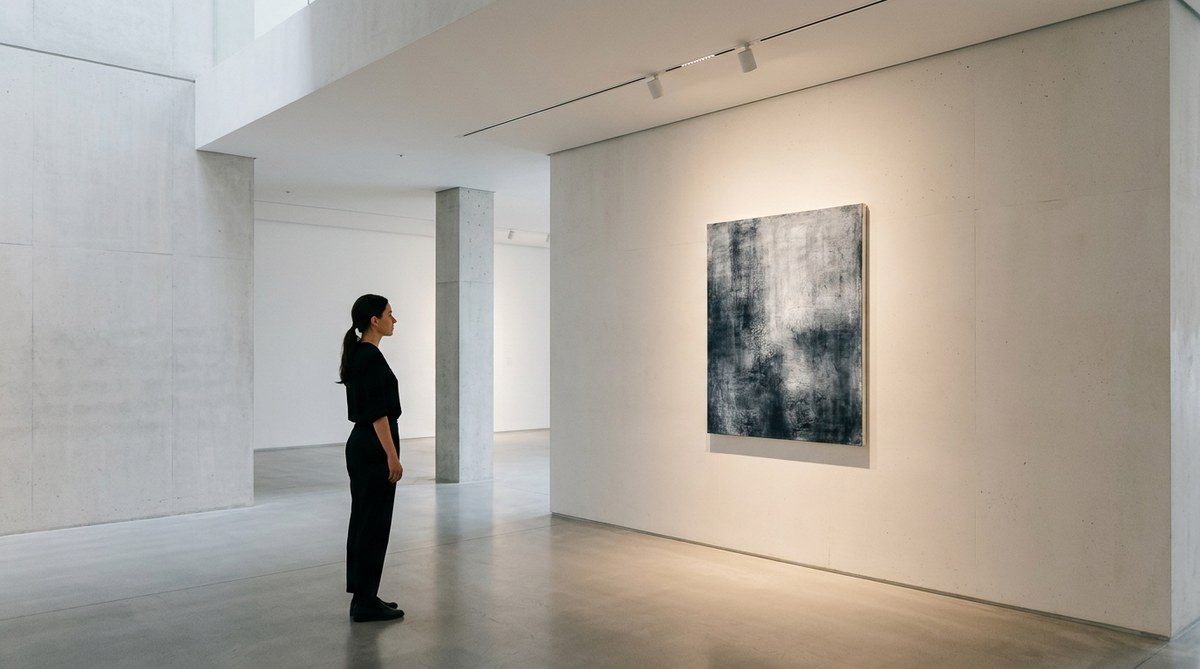
Select art pieces that resonate with you and complement the space. In minimalist design, every piece should have a reason for being there. Large, bold statements or subtle monochrome prints can work well. Think about how each artwork interacts with the surroundings. Position art at eye level and allow space around it so it becomes a focal point without overcrowding.
3. Use color to create calm and cohesion
Neutral tones like whites, beiges, and soft greys form the backbone of minimalism. Incorporate accent colors sparingly through artwork or accessories. Monochromatic schemes or subtle color gradients help maintain visual balance and serenity. For a pop of color, choose a single hue and use it consistently across the space.
4. Maximize natural light and open space
Natural light enhances the minimal aesthetic by highlighting textures and colors. Keep window treatments light and unobtrusive. Use sheer curtains or blinds that can be easily opened to flood the space with daylight. Leave enough open space to prevent the room from feeling crowded. Declutter surfaces and keep the floor clear to open up the room visually.
5. Focus on quality over quantity
Invest in a few high-quality pieces—be it furniture or art—that elevate the entire space. Well-made items with simple forms tend to last longer and feel more luxurious. This approach reduces the need for frequent redecorating and helps maintain a cohesive look.
Practical Steps To Create Your Minimalist Art Space
- Clear the clutter: Remove unnecessary items from the room. Keep only what sparks joy or serves a purpose.
- Define your focal point: Decide where you want to highlight your art. It could be a blank wall or a dedicated corner.
- Select your art thoughtfully: Choose pieces that align with your aesthetic and emotional connection.
- Arrange with intention: Position artwork at eye level and leave space around it to breathe.
- Simplify accessories: Limit decorative objects. Use a few meaningful pieces instead of many small items.
- Control lighting: Use soft, warm lighting to enhance the space without overwhelming it.
- Use neutral tones: Stick to a limited color palette for walls, furniture, and accessories.
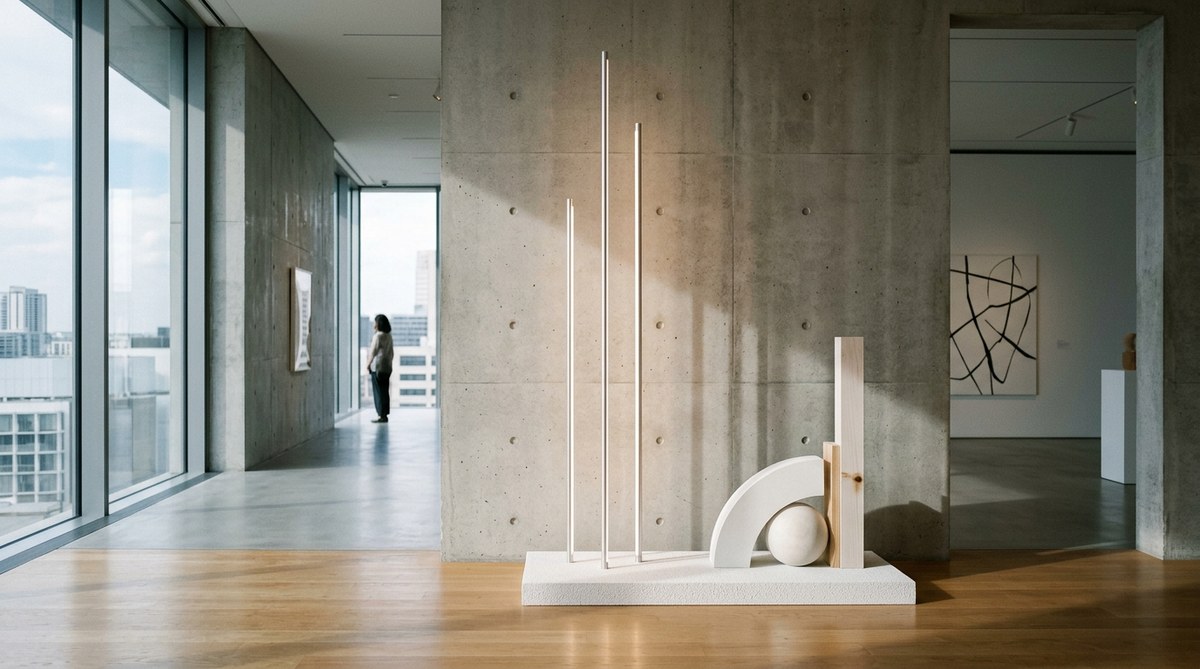
- Incorporate natural elements: Add a plant or natural textures like wood or stone for warmth.
- Maintain regular decluttering: Keep the space tidy and aligned with your minimalist vision.
Common Techniques and Mistakes in Minimalist Art Space Design
| Techniques | Mistakes to Avoid |
|---|---|
| Using a neutral color palette | Overcrowding with too many art pieces |
| Creating focal points with large pieces | Ignoring lighting and shadows |
| Leaving negative space intentionally | Cluttering surfaces and shelves |
| Investing in quality furniture and art | Using mismatched or cheap materials |
| Maintaining symmetry for balance | Neglecting the importance of flow |
“Remember, minimalism is about enhancing your space by removing excess, not stripping it of personality,” says interior designer Lisa Chen. Focus on what truly reflects your style and creates a peaceful atmosphere.
Tips for Achieving Balance and Harmony
- Keep a consistent color palette across furniture, walls, and art.
- Use negative space intentionally to highlight your artwork.
- Incorporate natural textures to add warmth and tactile interest.
- Limit decorative accents to a few meaningful objects.
- Regularly reassess your space to remove clutter and refresh the layout.
How To Curate Your Minimalist Art Collection
- Start with a few statement pieces that resonate deeply.
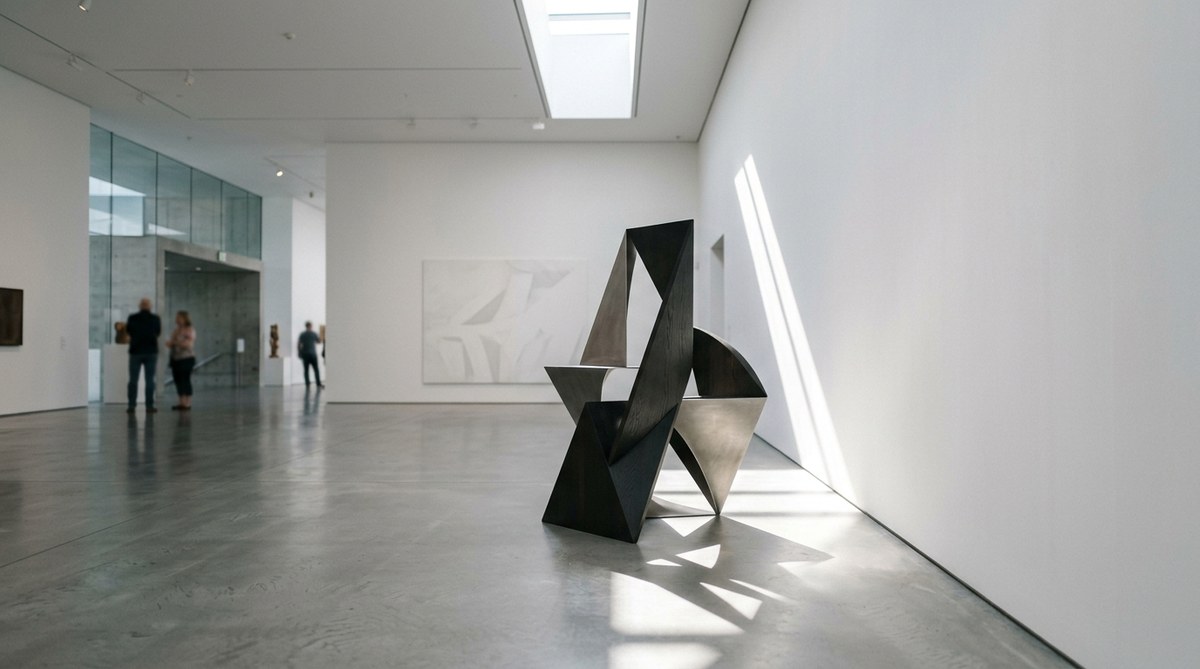
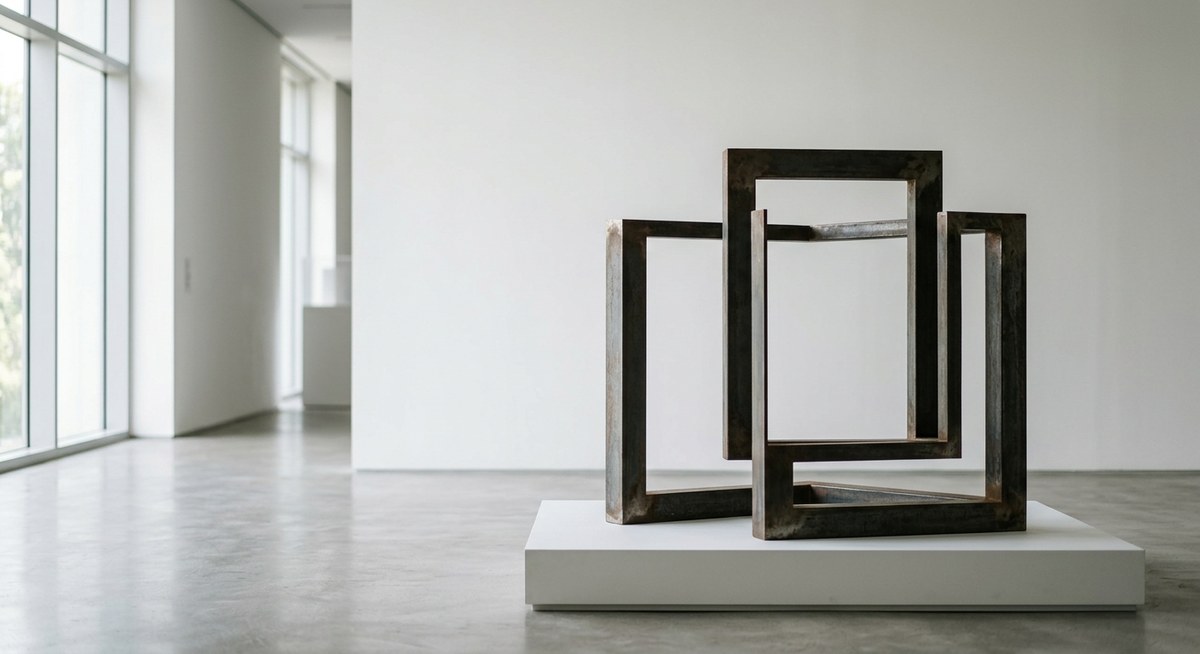
- Mix different types of art, such as paintings, prints, or sculptures, for visual interest.
- Use framing that complements your space’s aesthetic—preferably simple and sleek.
- Hang artwork at eye level and ensure proper lighting.
- Rotate pieces periodically to keep the space fresh without overcrowding.
Final thoughts: Cultivating a peaceful art environment
Creating a minimalist art space is about more than aesthetics; it’s about cultivating a sanctuary that nurtures your creativity and peace of mind. By focusing on simplicity, purpose, and harmony, you can craft a space that feels inviting and inspiring. Remember, the best minimalism reflects your personality and taste while maintaining a sense of calm. Take your time to curate thoughtfully, and enjoy the process of transforming your space into a true haven for art and tranquility.

Leave a Reply