
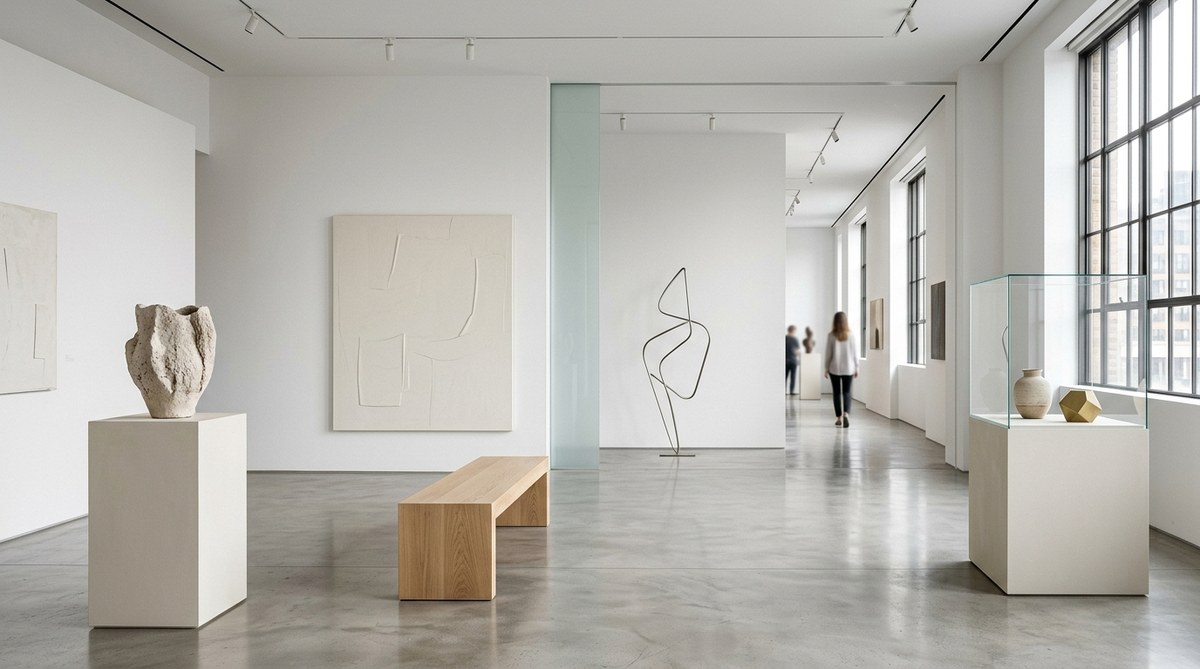
In 2026, minimalism is no longer about bare walls and empty rooms. It has grown into something warmer, more tactile, and deeply personal. Galleries, studios, and even living spaces are embracing a version of minimalism that feels less like a rulebook and more like a dialogue between object and space. The new wave of minimalist design trends concentrates on texture, light, and intentional curation. If you are a design enthusiast or a professional looking to refresh a space, these shifts offer a chance to create environments that feel both calm and alive.
Minimalist design in 2026 is about sensory richness within a restrained palette. Key trends include hyper-tactile materials like raw linen and clay, sculptural lighting that doubles as art, and curated negative space that invites contemplation. Avoid clutter by focusing on proportion and natural light. Use asymmetry and organic forms to add movement without visual noise. This approach works for galleries, studios, and homes alike.
The Core Shift: From Austerity to Warmth
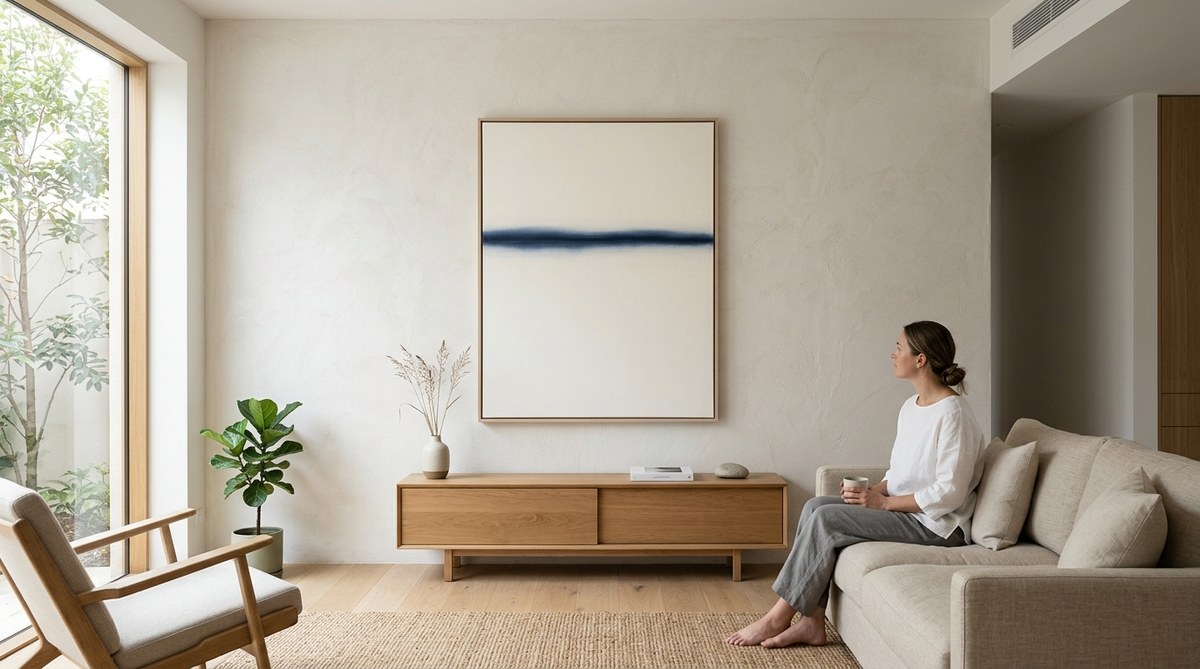
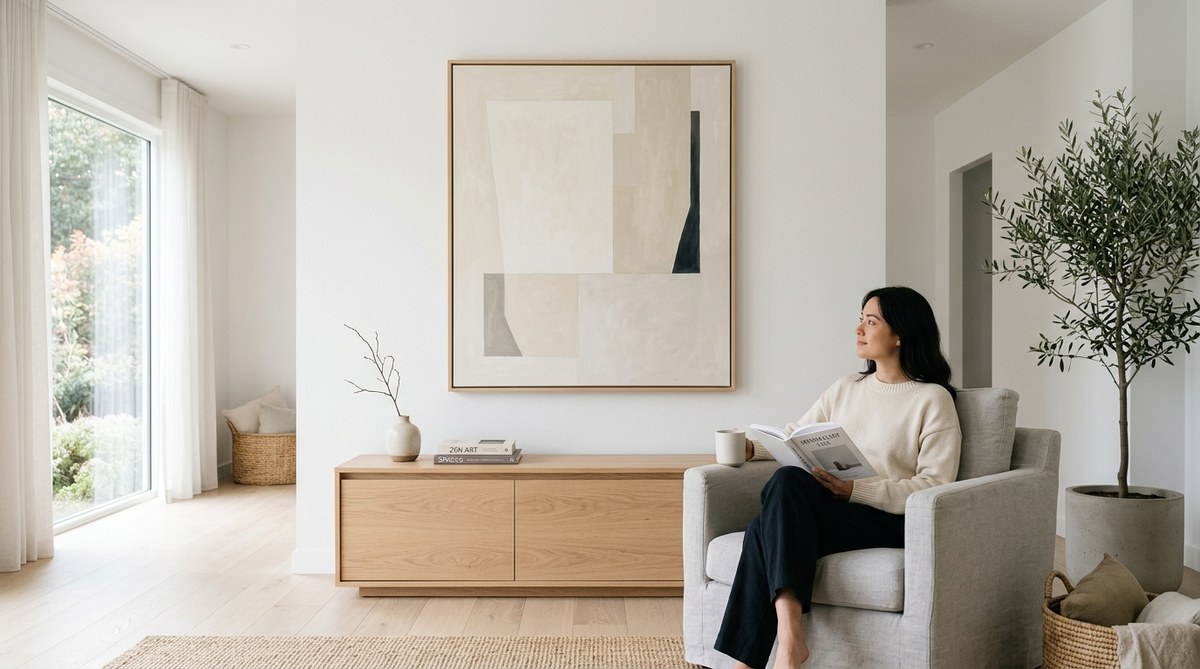
The biggest change in minimalist design trends for 2026 is the move away from cold, sterile interiors. Designers now layer materials that beg to be touched. Think hand-troweled plaster walls, reclaimed wood with visible grain, and textiles made from unbleached cotton or wool. This trend, often called “tactile minimalism,” prioritizes sensory experience over visual austerity. In art spaces, it means the wall itself becomes part of the exhibition, not just a backdrop.
Why is this happening? People crave connection after years of digital overload. A gallery or studio that feels warm and grounded encourages visitors to slow down and engage with the art. The same principle applies to residential interiors. A living room furnished with a single, beautifully textured sofa and a sculptural floor lamp can feel more inviting than one filled with mass-produced decor.
Five Dominant Trends Defining 2026 Minimalism
Let us look at the specific directions that are shaping minimalist design trends right now. These are not strict categories but overlapping ideas that you can mix and match.
1. Sculptural Lighting as Focal Point
Lighting fixtures have become the jewelry of a room. In 2026, pendant lights, floor lamps, and sconces take on bold, sculptural forms while sticking to neutral or monochrome palettes. A single oversized paper lantern or a cluster of handblown glass orbs can anchor a space without adding clutter. The light itself is soft and diffused, creating shadows that change throughout the day. This approach works beautifully in art studios where natural light is already a priority. For a deeper look at how light interacts with space, check out our guide on
2. Monochrome but Not Flat
Color in 2026 minimalism is restrained but far from boring. Designers use a single hue across an entire room, varying only the finish and texture. For example, a gallery wall might be painted in shades of warm taupe: matte on the wall, satin on the trim, and glossy on a single accent panel. This technique, sometimes called “color drenching,” creates depth without pattern. When applied to art spaces, it lets the pieces on the wall pop without competing for attention. The key is to choose a hue that shifts with the light, like a muted terracotta or a soft sage.
3. Negative Space as Active Design
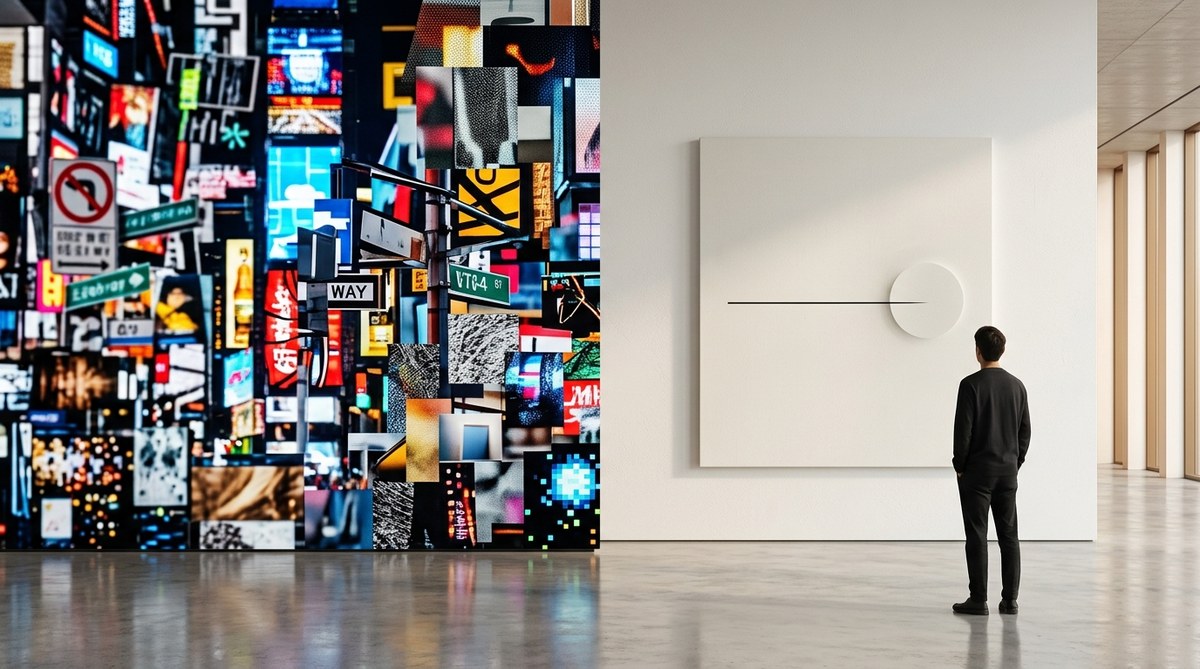
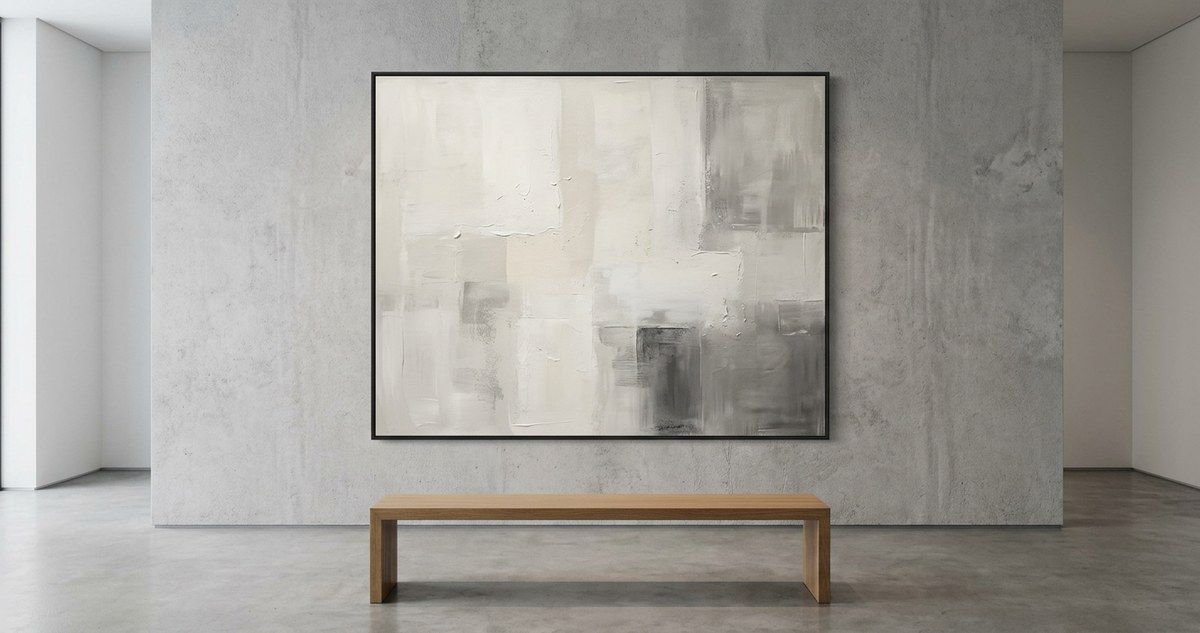
Negative space used to be an afterthought. Now it is a deliberate design tool. In 2026, minimalist interiors treat empty areas as breathing room for the eye. A large wall might hold only one small artwork, placed low to create a dramatic pause. Furniture is spaced apart so each piece can be seen individually. This idea is central to creating harmony in any room. If you want to master this principle, read about
4. Handcrafted and Imperfect Details
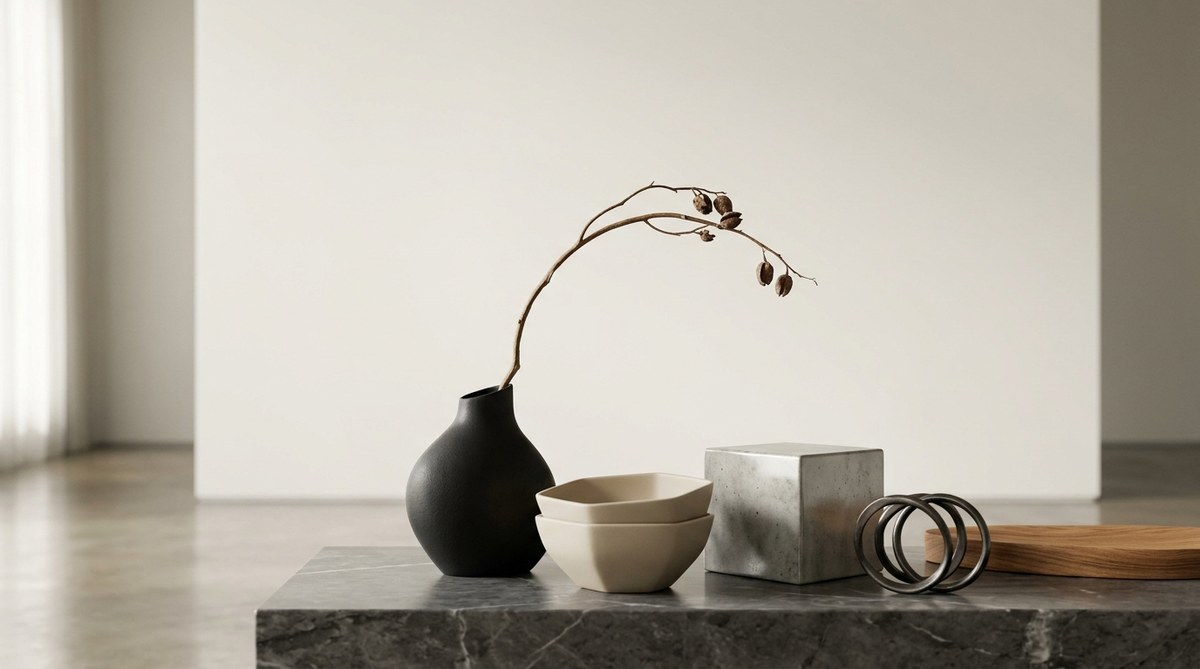
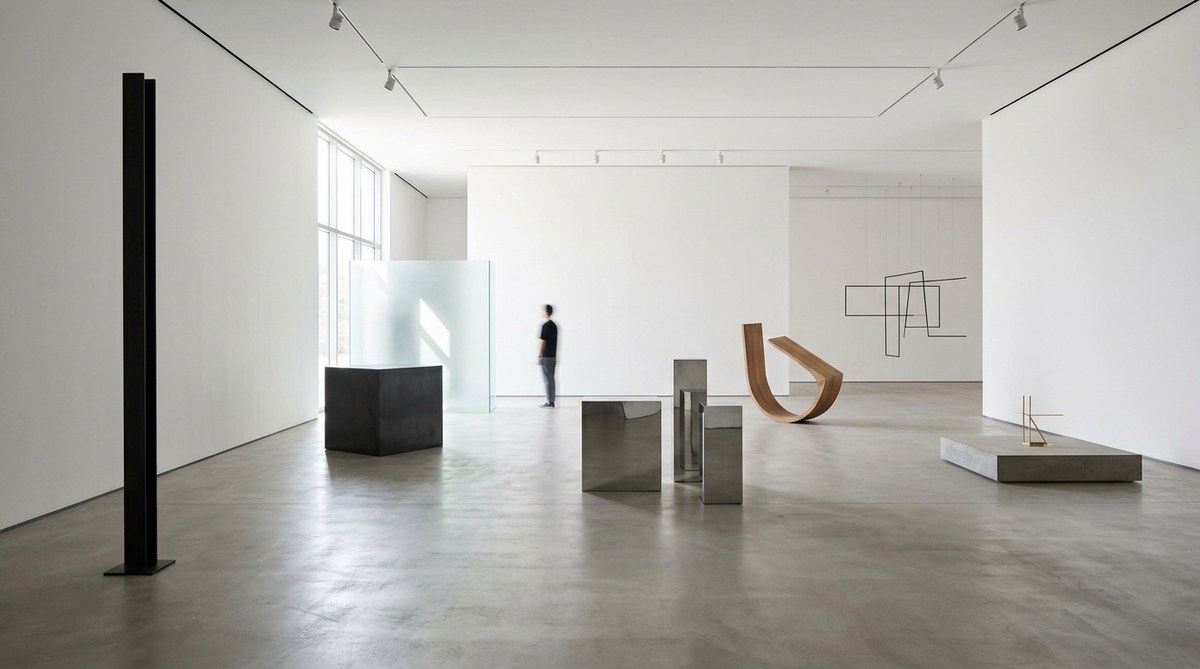
Mass production is out, and visible craftsmanship is in. Minimalist design trends this year celebrate the imperfect: ceramic bowls with uneven glazes, handwoven rugs with subtle variations, and furniture with visible joinery. These objects add soul to a space without making it busy. In a gallery setting, a single hand-thrown vase on a concrete plinth can become a quiet focal point. The lesson is that minimalism does not have to be perfect. It can be human.
5. Biophilic Minimalism
Plants have long been part of minimalist decor, but 2026 takes it further. Biophilic minimalism integrates living elements directly into the architecture: moss walls, indoor water features, and floors made of natural stone that ages over time. These elements bring a sense of calm and connection to nature. For a studio or home office, a small indoor fountain paired with a single fern can improve focus and air quality. The rest of the room stays sparse, so the green becomes the hero.
A Practical Checklist for Adopting These Trends
If you are ready to update a space, here is a simple process to follow. Use this numbered list as a starting point.
- Start with one anchor piece. Choose a large artwork, a sculptural light, or a piece of furniture that makes a statement. Build the room around it.
- Remove everything that does not serve a purpose or bring joy. Be ruthless. Minimalism thrives on edit.
- Introduce texture through one surface. Add a linen curtain, a rough plaster wall, or a wool rug. Let that texture lead the palette.
- Place objects with space between them. Give each item breathing room. Cluster nothing.
- Adjust lighting to highlight the negative spaces as much as the objects. Use dimmers and warm bulbs.
Common Mistakes to Avoid
The table below outlines typical errors when applying minimalist design trends in 2026 and how to fix them.
| Mistake | Why It Happens | Better Approach |
|---|---|---|
| Using too many neutral tones without contrast | Fear of color | Stick to one hue but vary finishes (matte, glossy, textured) |
| Leaving walls completely bare | Confusing minimal with empty | Add one well-chosen piece or a shadow-casting light |
| Buying cheap, uniform furniture | Desire for simplicity | Invest in fewer, handcrafted items with visible character |
| Forgetting about acoustics | Focus on visual only | Include a wool rug or fabric wall panel to soften sound |
| Ignoring scale | Following trends blindly | Ensure each object’s size matches the room’s proportions |
Expert Advice on Balancing Minimalism and Warmth
“True minimalism is not about deprivation. It is about making room for what matters. In 2026, that means choosing objects that have a story and giving them the space to tell it. Do not be afraid of a little dust or a weathered edge. That is where the life is.”
– Ana Reyes, interior designer and founder of Studio Terra
This quote captures the spirit of the year’s trends. Minimalism no longer demands perfection. It asks for intention.
Tools and Techniques for Implementing the Trends
To bring these ideas into your own project, consider these tools and methods. I have listed them in a bulleted format for clarity.
- Mood boards with tactile samples: Collect fabric swatches, paper textures, and paint chips. Arrange them on a board to see how they interact.
- Layer your lighting plan: Use ambient, task, and accent lighting separately. Each layer should have its own dimmer.
- Use digital modeling software: Programs like SketchUp or Planner 5D let you test negative space and scale before buying furniture.
- Source from local artisans: Handmade pieces often have the character that minimalist interiors need.
- Photograph the room during different times of day: Natural light changes the mood. Adjust your placement of objects accordingly.
For a deeper understanding of how object simplicity can transform a room, see our article on
How to Curate a Minimalist Gallery Wall in 2026
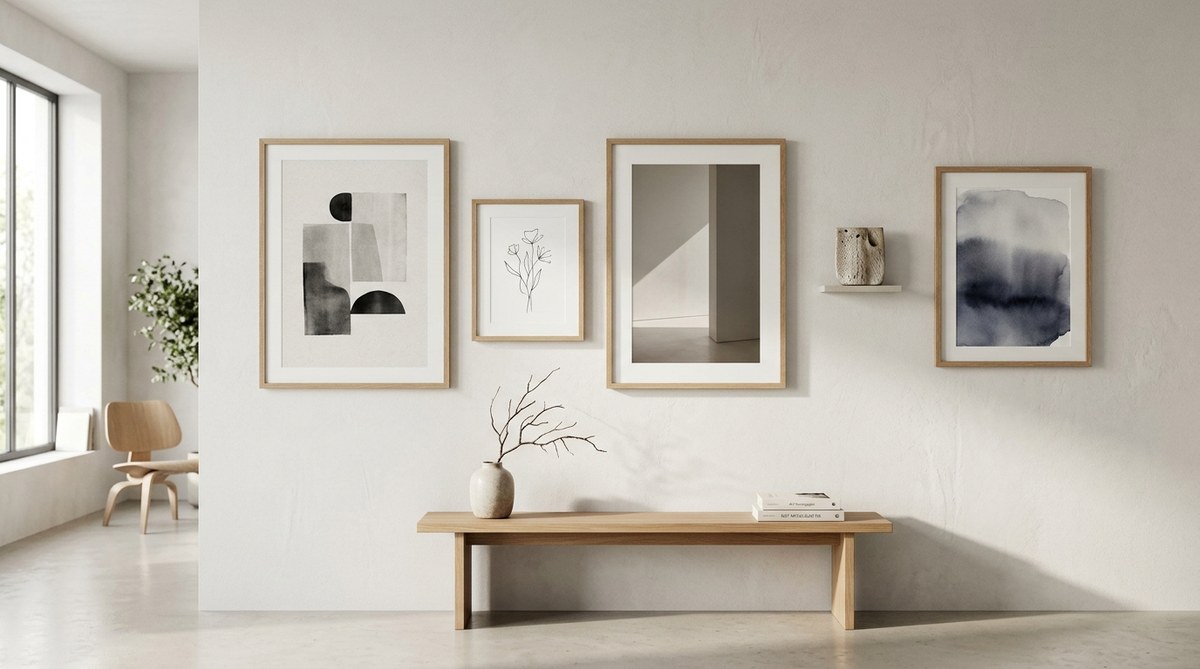
Gallery walls have always been popular, but the 2026 minimalist version is sparse and intentional. Instead of covering an entire wall, choose two or three pieces of different sizes and hang them with generous space between. Use identical frames in a natural wood or matte black to maintain unity. Leave at least six inches of wall around each piece. This technique works for both home galleries and professional art spaces. If you want to explore how minimalist principles can shape an entire exhibition, read about
Bringing These Trends into Your Own Space
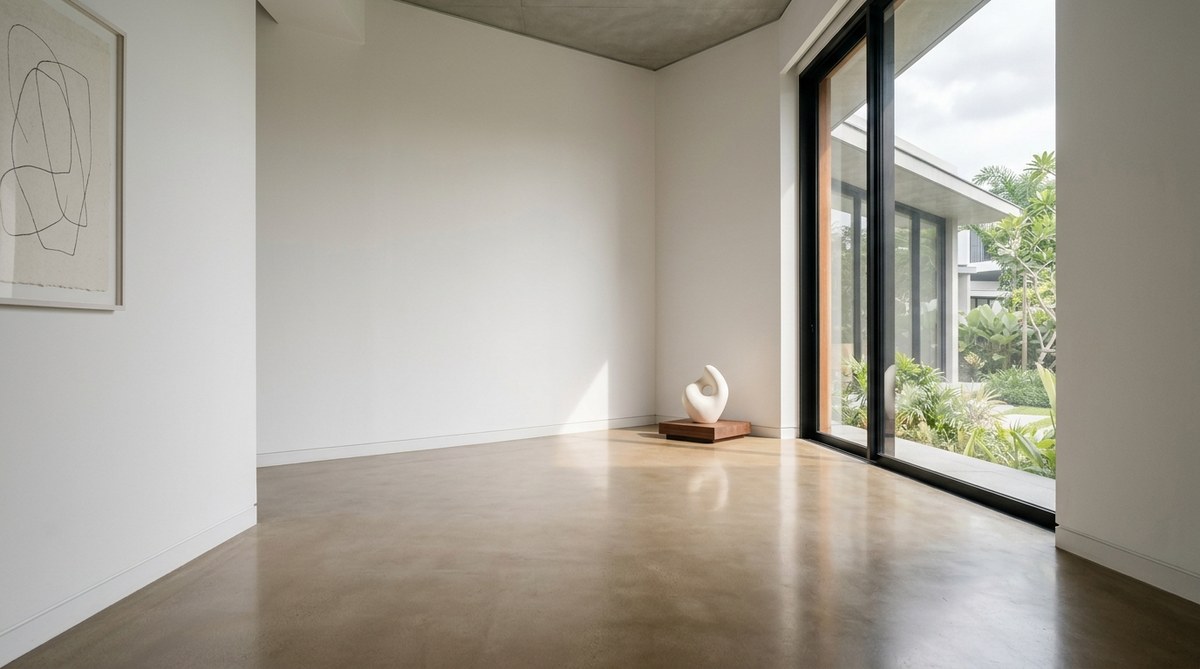
You do not need a gallery budget to apply these minimalist design trends. Start small. Pick one corner of a room and treat it like an installation. Remove everything, then add back only what feels essential. Observe how light falls across the floor. Let the space sit for a day before making changes. Minimalism is a practice, not a one-time project. It encourages you to live with less distraction and more awareness.
In 2026, the most successful minimalists are those who embrace imperfection and warmth. They do not chase trends for trend’s sake. They choose pieces that resonate and give them room to breathe. Whether you are designing a studio, a gallery, or a home, this approach will create a space that feels both modern and timeless.

Leave a Reply