
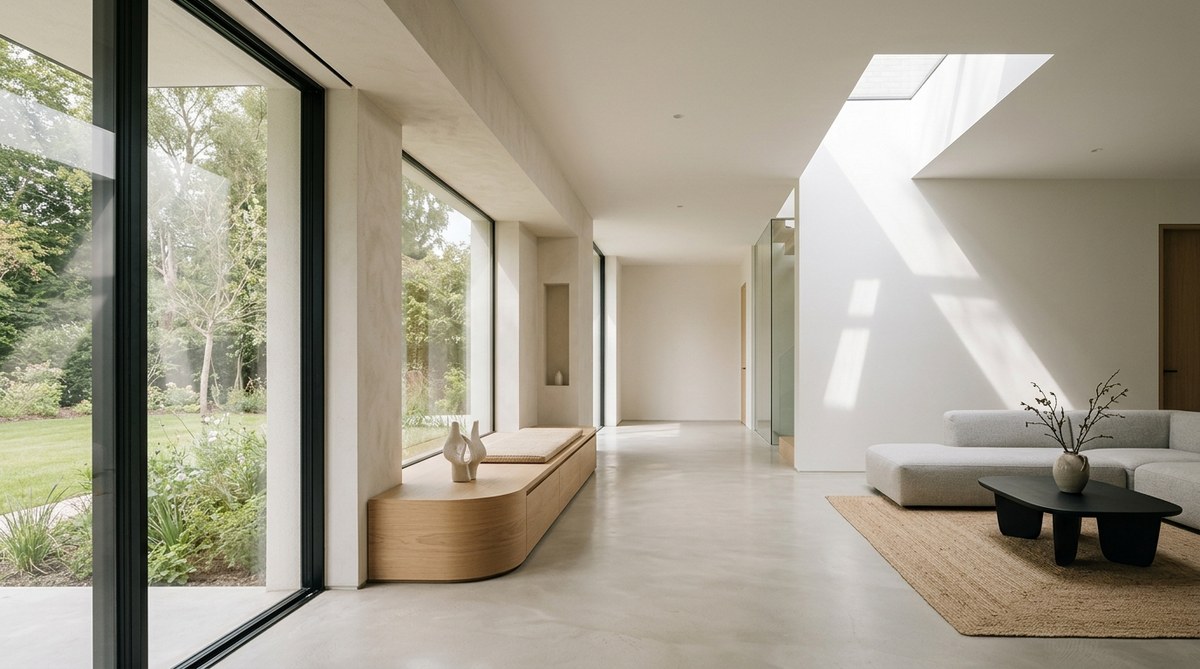
Creating a minimalist interior is more than just choosing simple furniture and neutral palettes. It’s an art form that hinges on the delicate balance of light and space. When mastered, these elements transform a room into a sanctuary of calm, clarity, and subtle sophistication. The way light interacts with open spaces can define mood, highlight architectural features, and even influence how you feel within your home. Understanding the art of light and space in minimalist interior design unlocks a new level of aesthetic harmony that feels both timeless and refreshingly modern.
Mastering light and space in minimalist interior design creates airy, luminous environments that foster calm and clarity. Strategic lighting, thoughtful spatial planning, and clean aesthetics work together to craft timeless spaces that feel open and inviting.
The significance of light and space in minimalist interiors
Minimalist design emphasizes simplicity and functional beauty. However, light and space are the unseen artists shaping the overall feel. Properly harnessed, natural light can make a room appear larger and more welcoming. It also highlights textures, colors, and architectural details that might otherwise fade into the background. Meanwhile, generous spacing reduces visual clutter and creates a sense of freedom within your environment.
The art lies in understanding how these elements work together. Light becomes a tool for sculpting your space, revealing its structure and mood. Space, when thoughtfully allocated, guides the eye and creates a flow that feels natural and unforced.
How light influences minimalist interior spaces
Natural light as a cornerstone
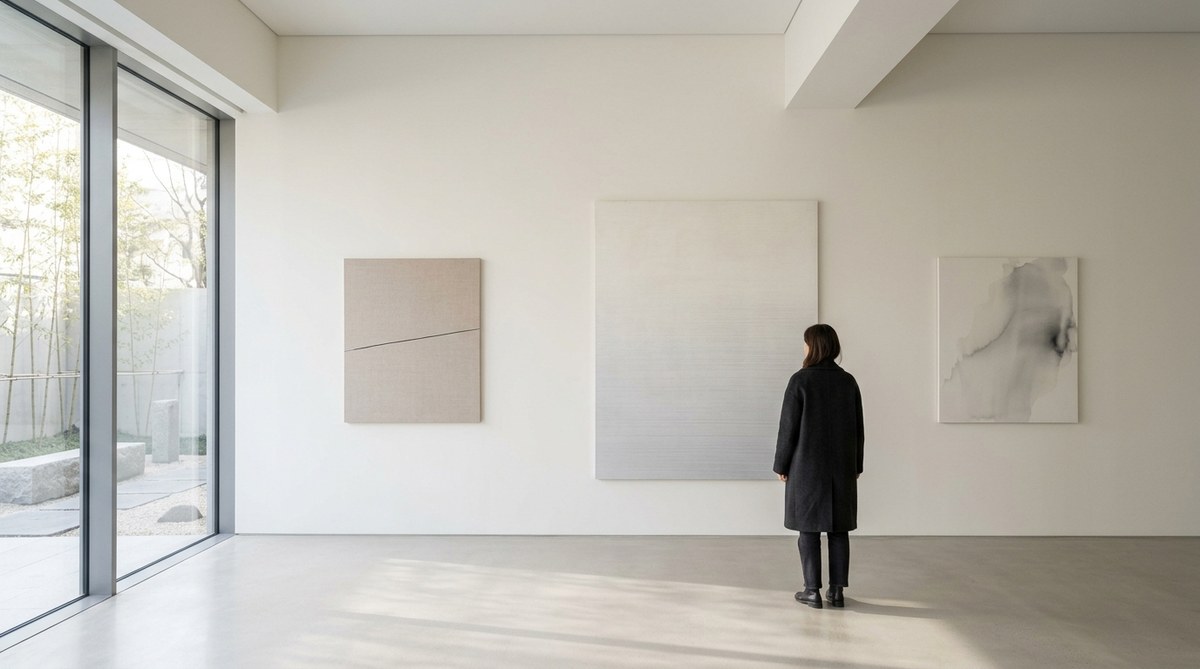
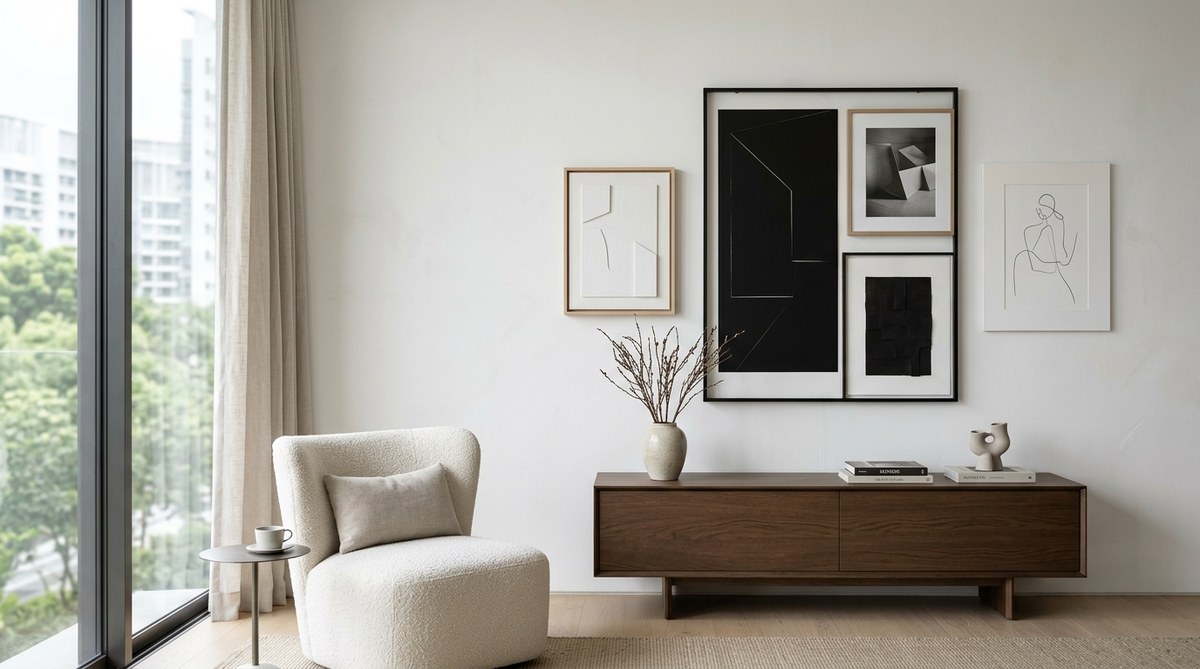
Natural light is the most potent element in minimalist interiors. Large windows, skylights, and open layouts invite daylight to flood the space. This not only reduces the need for artificial lighting but also creates a dynamic environment that changes with the time of day and seasons.
To maximize natural light, consider:
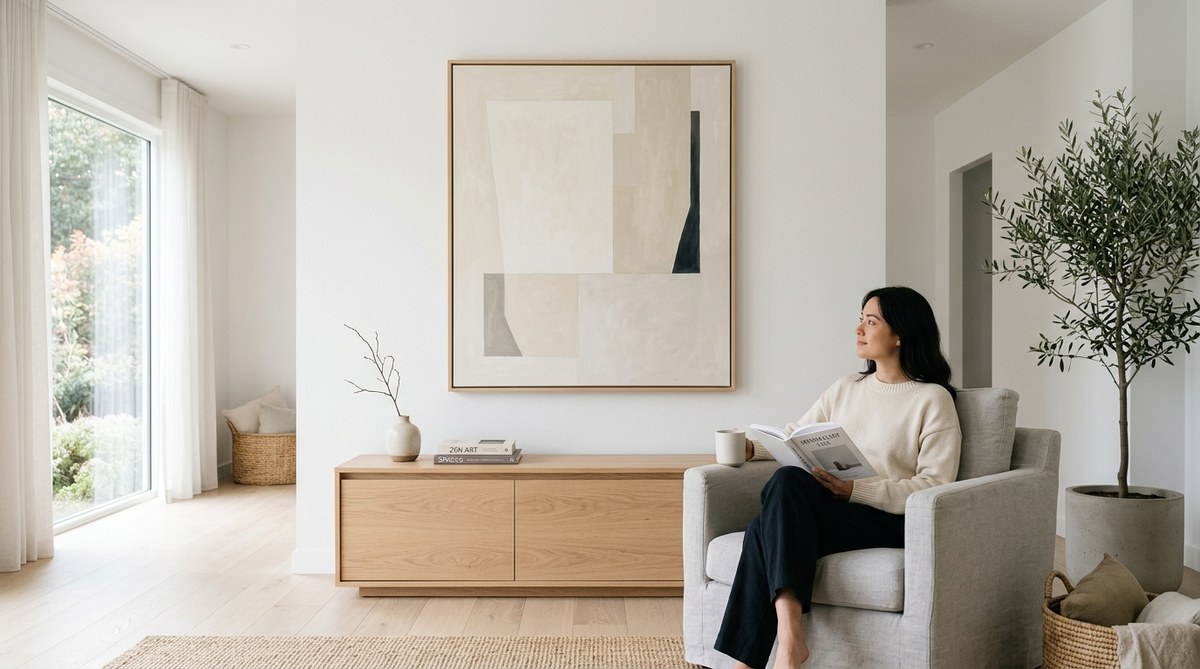
– Using sheer curtains or no window coverings at all
– Placing reflective surfaces like mirrors and glossy finishes opposite windows
– Keeping window areas clear of obstructions
Artificial lighting that complements simplicity
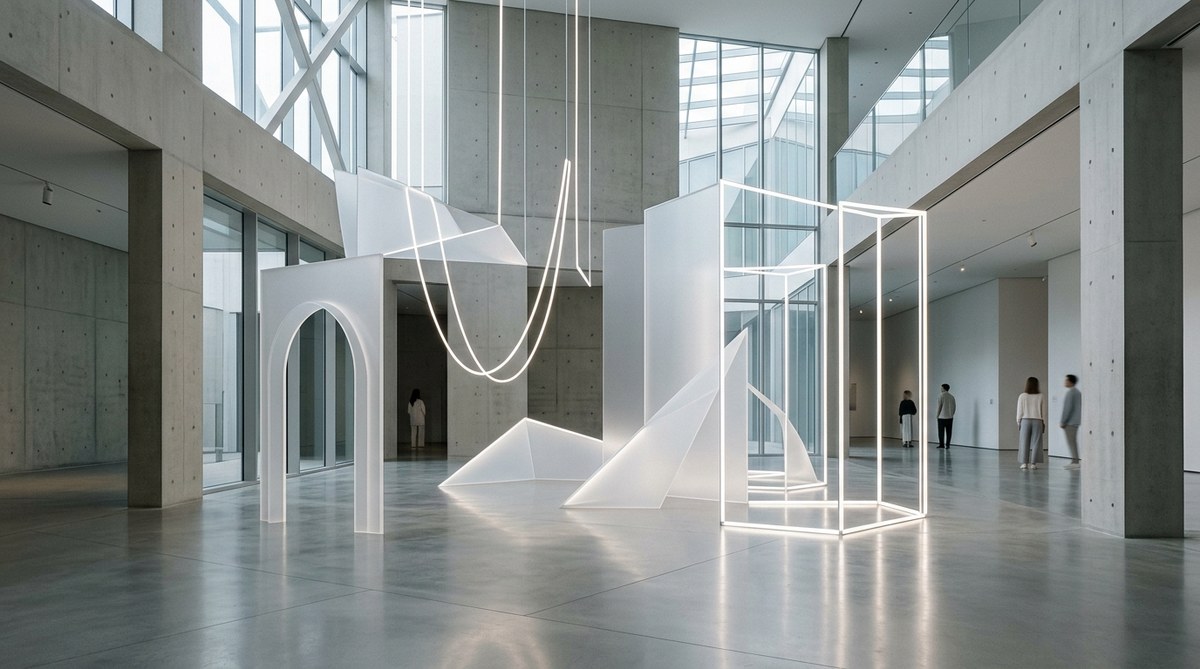
Artificial lighting in minimalist spaces should be subtle yet effective. Think recessed lights, pendant fixtures with clean lines, or minimal task lighting. The goal is to enhance the space without drawing attention to the fixtures themselves.
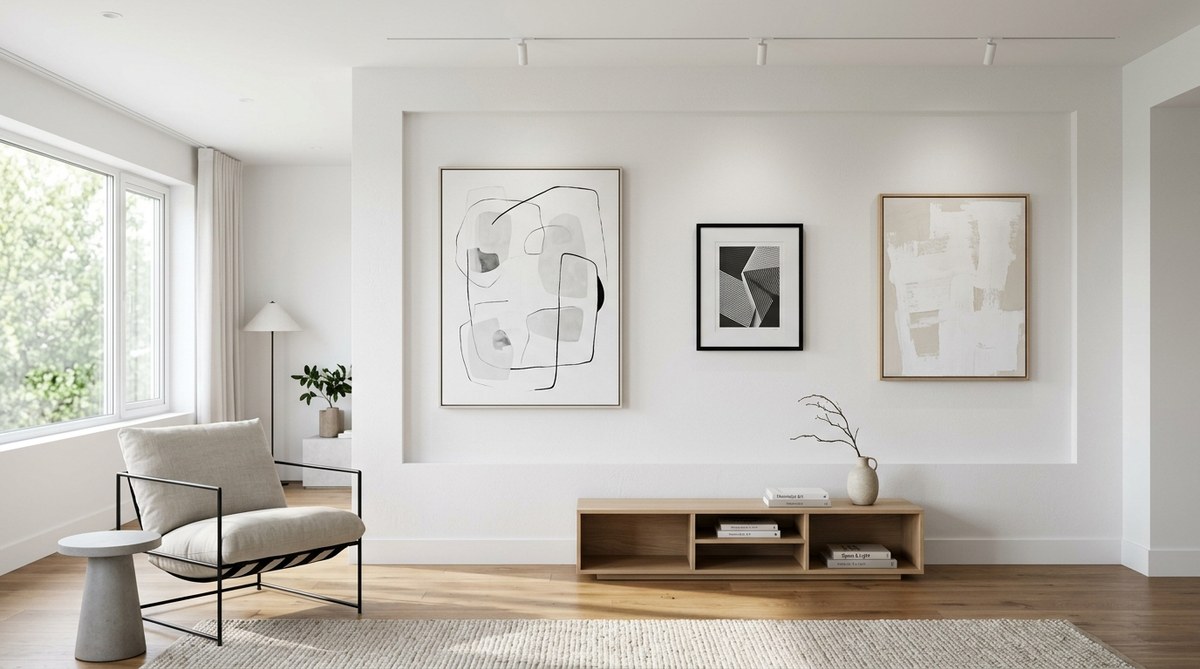
Layering lighting sources helps create depth and ambiance. For example, combine ambient lighting with focused task lights and accent lights to emphasize architectural features or artworks.
Creating a sense of space through design choices
1. Clear the clutter
Clutter disrupts the flow of space. Use hidden storage, multi-functional furniture, and deliberate organization to maintain clean surfaces. Less visual noise means more room for light to breathe.
2. Use negative space intentionally
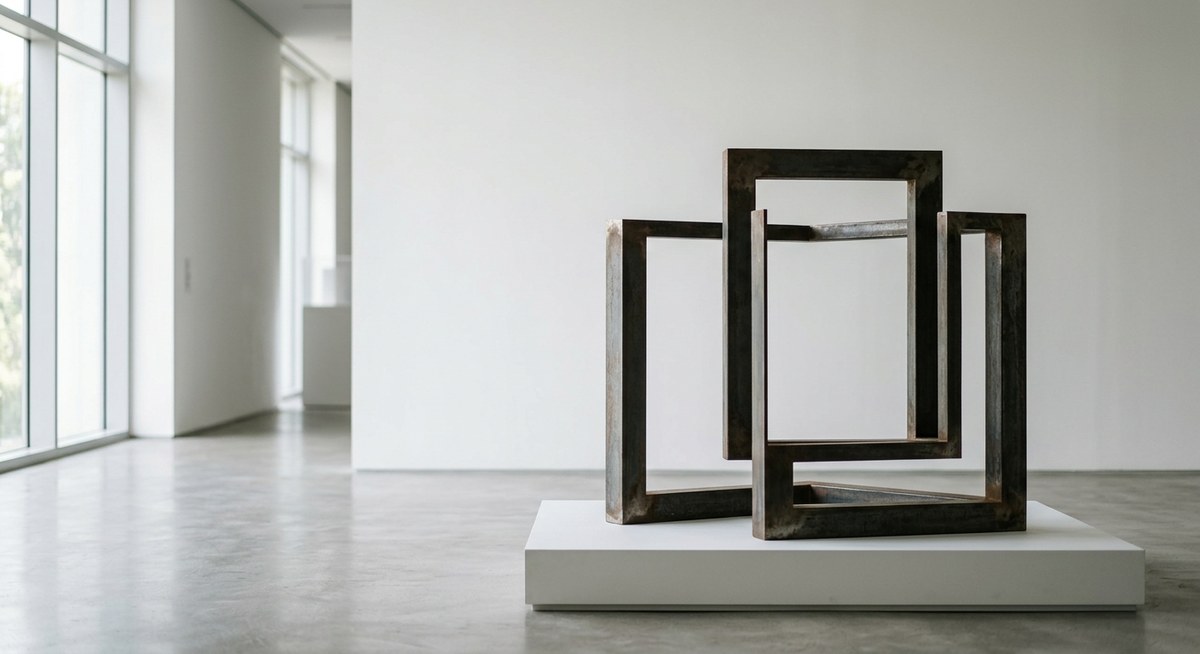
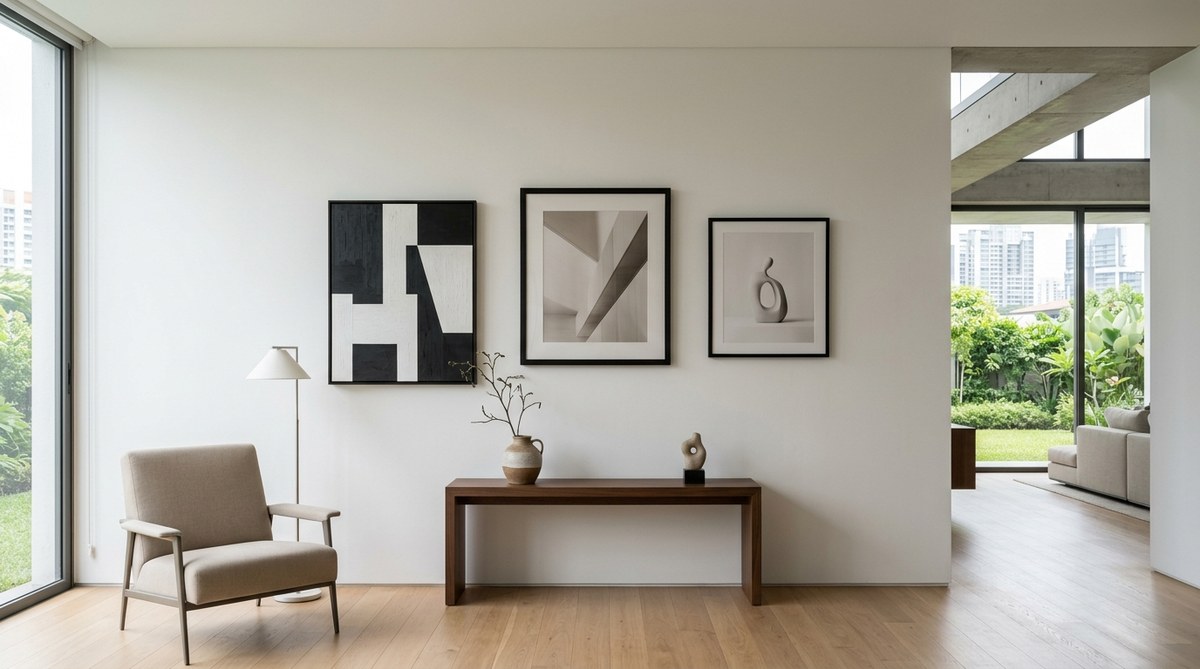
Negative space, or empty areas, directs focus and creates balance. Avoid filling every inch of a room. Instead, let furniture and decor have room to “breathe”.
3. Choose furniture carefully
Opt for pieces with sleek, simple lines. Avoid ornate or overly bulky furniture. Light-colored or transparent pieces, like acrylic chairs, help maintain openness.
4. Emphasize architectural features
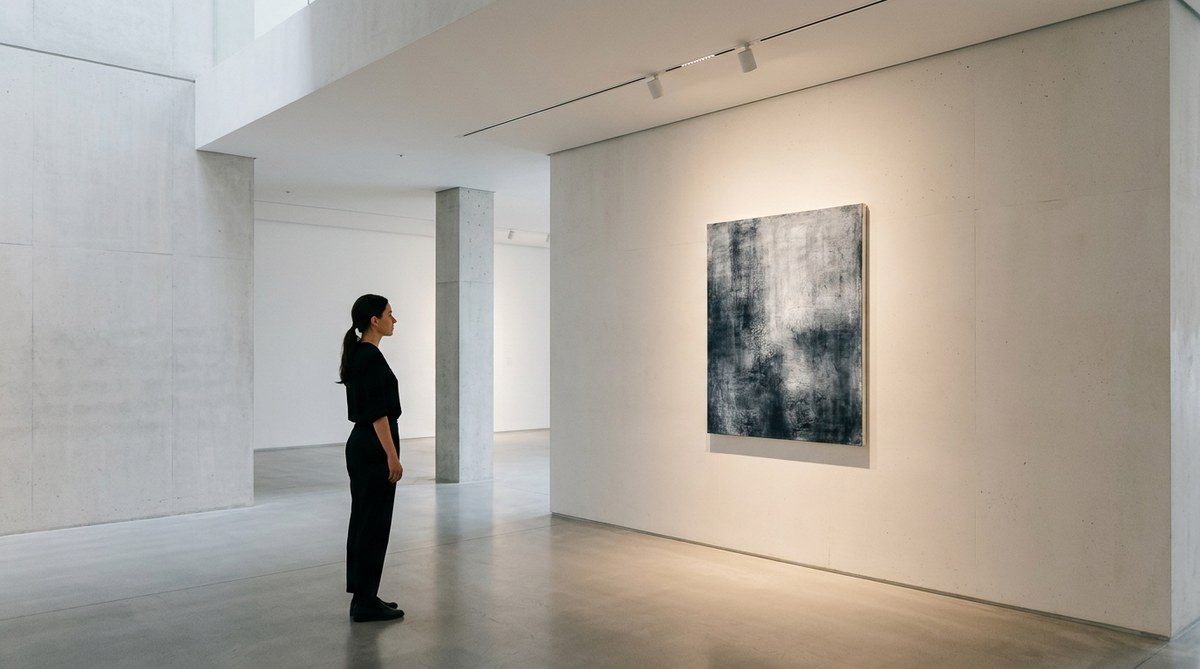
Highlight structural elements like beams, columns, or built-in shelving with strategic lighting. This draws attention to the design rather than hiding it.
Practical steps to enhance light and space
- Assess your space. Identify sources of natural light and areas where light is blocked.
- Maximize daylight. Use reflective surfaces and eliminate heavy drapes.
- Layer your lighting. Combine various light sources for flexibility.
- Declutter regularly. Keep surfaces clear and organized.
- Use furniture and decor sparingly. Prioritize quality and simplicity.
Techniques versus common mistakes
| Techniques | Mistakes to avoid |
|---|---|
| Incorporating large windows or skylights | Blocking windows with heavy curtains or furniture |
| Using light-reflective surfaces | Overcrowding rooms with furniture |
| Selecting minimalist fixtures | Choosing overly ornate or dark fixtures |
| Maintaining open, clear spaces | Filling every corner with decor or clutter |
“In minimalist interiors, light is not just illumination but a sculptor shaping the mood and perception of space,” advises interior designer Lisa Harper. She emphasizes that thoughtful lighting design can elevate simplicity into an art form.
Practical tips for balancing light and space
- Use neutral and light colors on walls and floors to reflect light.
- Incorporate vertical and horizontal lines to guide the eye.
- Choose furniture that is proportionate to the space.
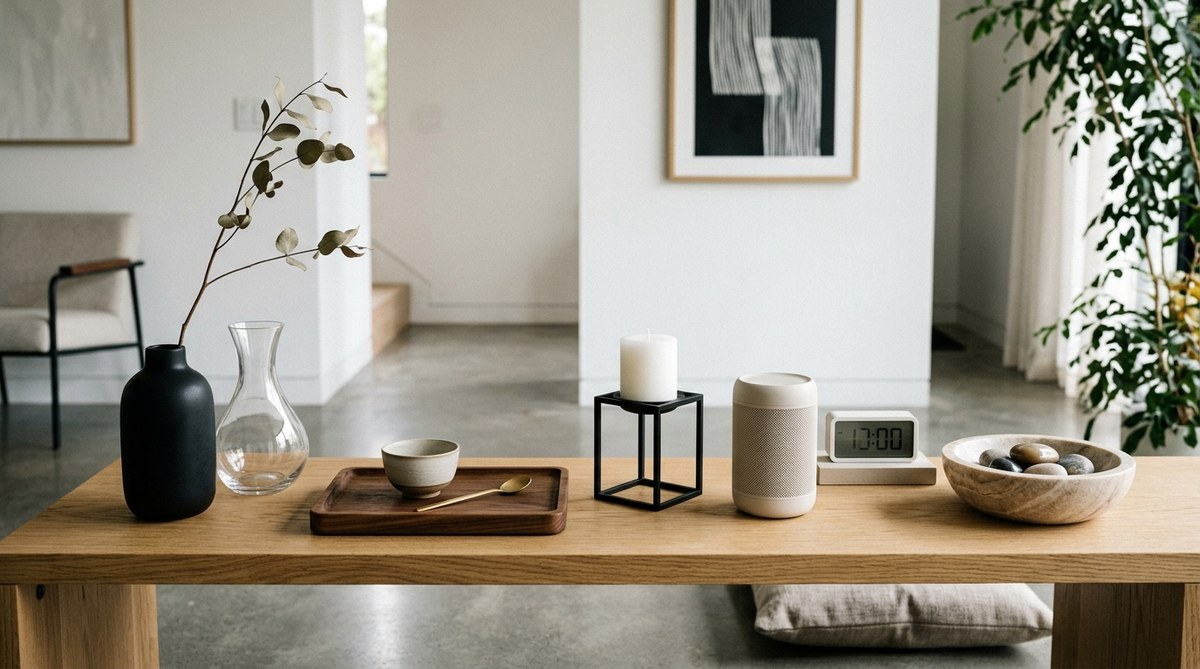
- Keep decor minimal but meaningful—each piece should serve a purpose or add value.
- Regularly evaluate how natural and artificial light interact at different times of day.
Connecting light and space for a harmonious environment
The true beauty of minimalist design lies in the harmony between how a space feels and how it looks. Light and space work together as a cohesive language, telling a story of serenity and clarity. When you allow light to flow freely and maintain open, uncluttered spaces, your home becomes a sanctuary that nurtures your well-being.
How to bring the art of light and space into your home
Applying these principles is about more than aesthetics. It’s a way to craft environments that support calm, focus, and inspiration. Start by evaluating your current space and gradually implementing changes. Adjust lighting fixtures, declutter, and consider how each element interacts with the surroundings. Remember that simplicity with intention creates the most profound impact.
A final note on minimalism’s luminous appeal
In the end, the art of light and space in minimalist interior design is about creating environments that breathe. It’s about making room for light to play and for your mind to relax. With patience and thoughtful planning, your home can become a luminous haven of peace and beauty. Begin with small steps and let your space evolve into a reflection of clarity and calmness.
Let the light guide your minimalist journey
Every home is an opportunity to craft a space that feels balanced and inspiring. By focusing on how light interacts with your environment and maintaining generous, thoughtful spaces, you foster a home that radiates tranquility. Embrace the art of light and space and enjoy the serenity it brings to your daily life.

Leave a Reply