
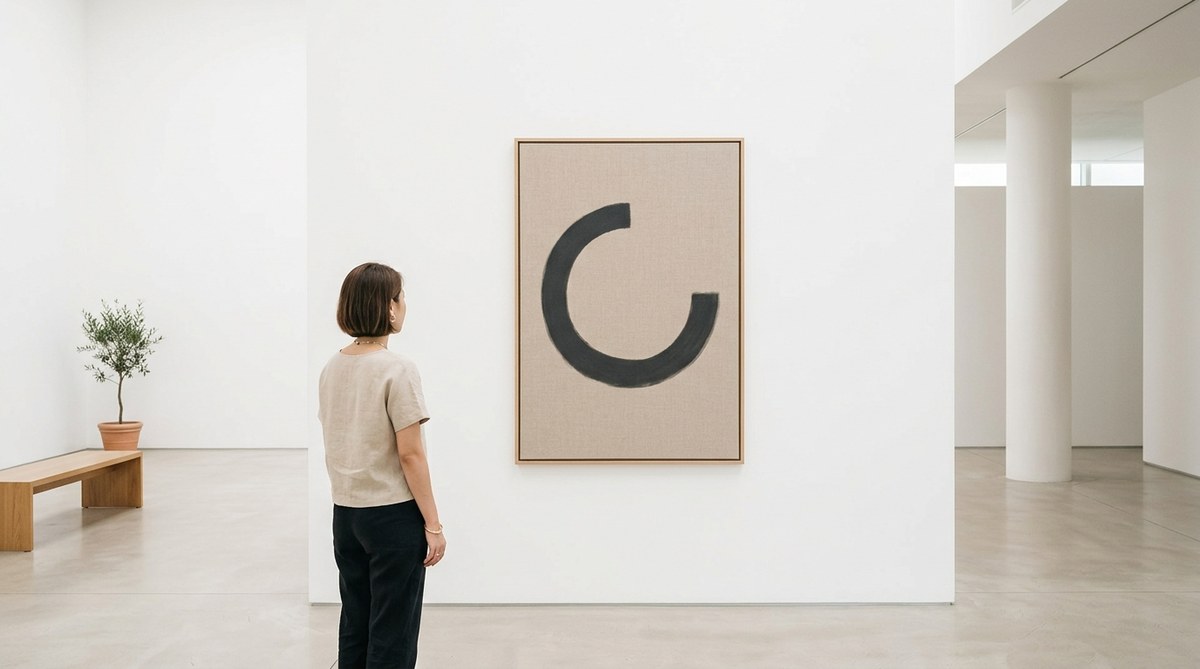
Negative space in minimalist art is more than just empty areas; it is a vital tool that shapes the entire composition. When used intentionally, negative space directs the viewer’s attention, creates balance, and adds a sense of calm and sophistication. Artists and art enthusiasts alike can harness this element to craft visuals that resonate deeply. Understanding the nuances of negative space opens new pathways to artistic expression and helps create works that feel both complete and compelling.
Negative space in minimalist art emphasizes what is not there. It guides focus, creates harmony, and evokes emotion through strategic use of emptiness, transforming simple compositions into powerful visual statements.
The essence of negative space in minimalist art
Negative space refers to the areas within an artwork that are left unmarked or free of detail. In minimalist art, where simplicity is the goal, negative space plays a starring role. It balances the positive elements like shapes, lines, or colors, and prevents the composition from feeling cluttered.
This technique is rooted in the idea that what is absent can be as important as what is present. It invites viewers to interpret the empty areas, encouraging a sense of openness and breathing room. When artists master negative space, they can guide the viewer’s eye more effectively, making each element stand out with clarity.
How negative space shapes visual focus
Negative space acts as a frame within the artwork. It isolates key features or figures, drawing attention directly to them. This focus is especially impactful in minimalist art, where every element counts.
Psychological perspective
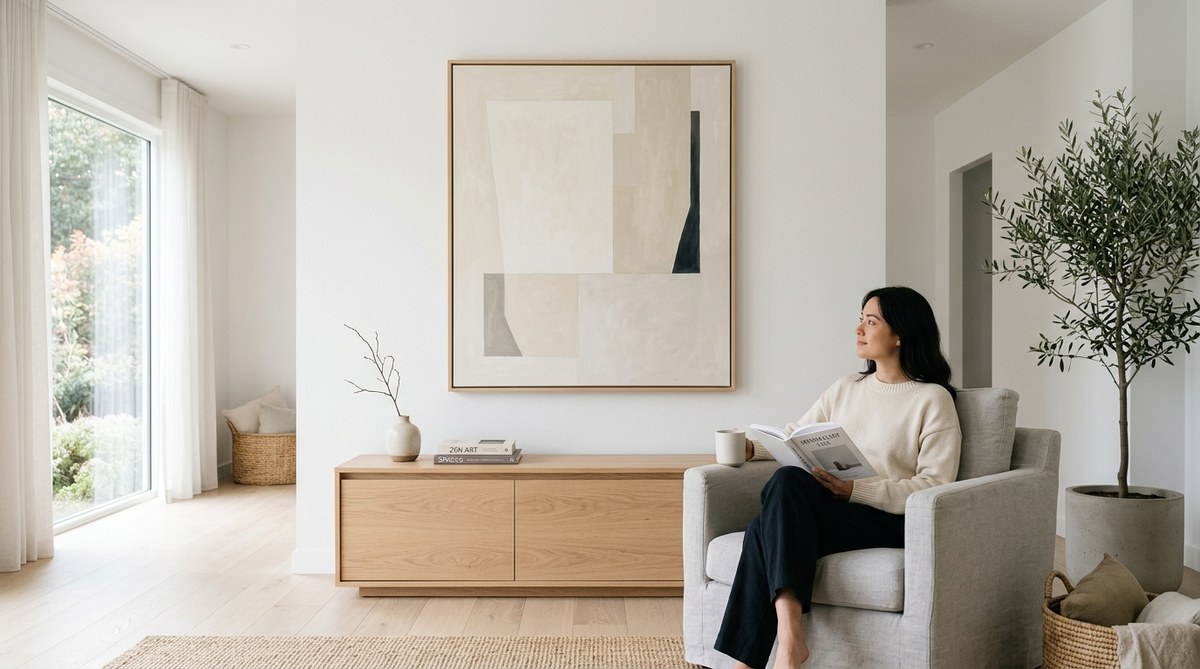
Empty space can evoke calmness and contemplation. It reduces visual noise, allowing viewers to engage more deeply with the intended subject. The mind naturally seeks balance, and negative space helps satisfy that desire by providing visual rest.
Design perspective
From a design standpoint, negative space creates contrast. It highlights positive elements and can even form shapes or symbols within the emptiness. This subtle interplay makes the artwork more memorable and engaging.
Aesthetic perspective
A well-balanced use of negative space contributes to the overall aesthetic appeal. It lends an elegant, sophisticated look that often feels timeless. Artists use negative space to craft compositions that are both simple and profound.
Practical steps to incorporate negative space into your art
Learning to utilize negative space effectively involves understanding, planning, and experimentation. Here are some steps to guide your process:
- Identify your focal point. Decide what you want viewers to notice first.
- Simplify your composition. Remove unnecessary details that distract from the main subject.
- Create contrast. Use color, tone, or texture differences between positive and negative areas.
- Adjust the balance. Ensure negative space complements positive elements without overpowering them.
- Refine through iteration. Step back and evaluate your work, making adjustments to improve harmony and focus.
Practical tips for applying negative space
- Use contrasting tones, such as black and white, to make your subject pop.
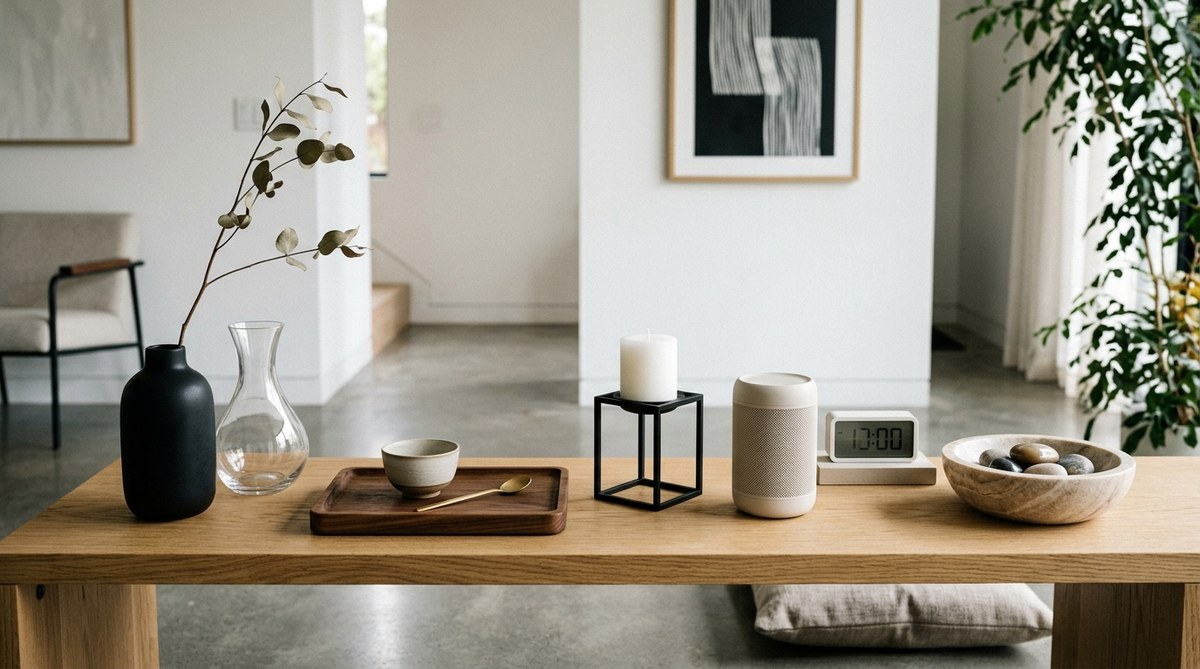
- Leave ample space around your main subject to give it room to breathe.
- Frame your composition with negative space to guide the viewer’s eye.
- Avoid cluttering your work with too many elements; simplicity enhances the impact.
Common pitfalls and how to avoid them
| Technique | Mistake | Solution |
|---|---|---|
| Overcrowding | Filling every inch with detail | Embrace emptiness to highlight focal points |
| Lack of contrast | Using similar tones everywhere | Use high contrast in tones or textures |
| Uneven balance | Heavy positive or negative space | Balance positive and negative areas evenly |
“Negative space is not emptiness. It is an active part of your composition that, when used correctly, can communicate as much as the shapes you add.” — Art critic and minimalist artist Lisa Keller
Creative applications of negative space in minimalist art
Negative space can be used creatively to evoke different feelings and messages. Here are some ideas to inspire your work:
- Use negative space to create illusions or hidden shapes within your composition.
- Incorporate negative space as a background element that complements your main subject.
- Play with scale, making your positive elements small within a vast empty space for a sense of solitude.
- Combine negative space with subtle textures to add depth without clutter.
Spaces where negative space shines
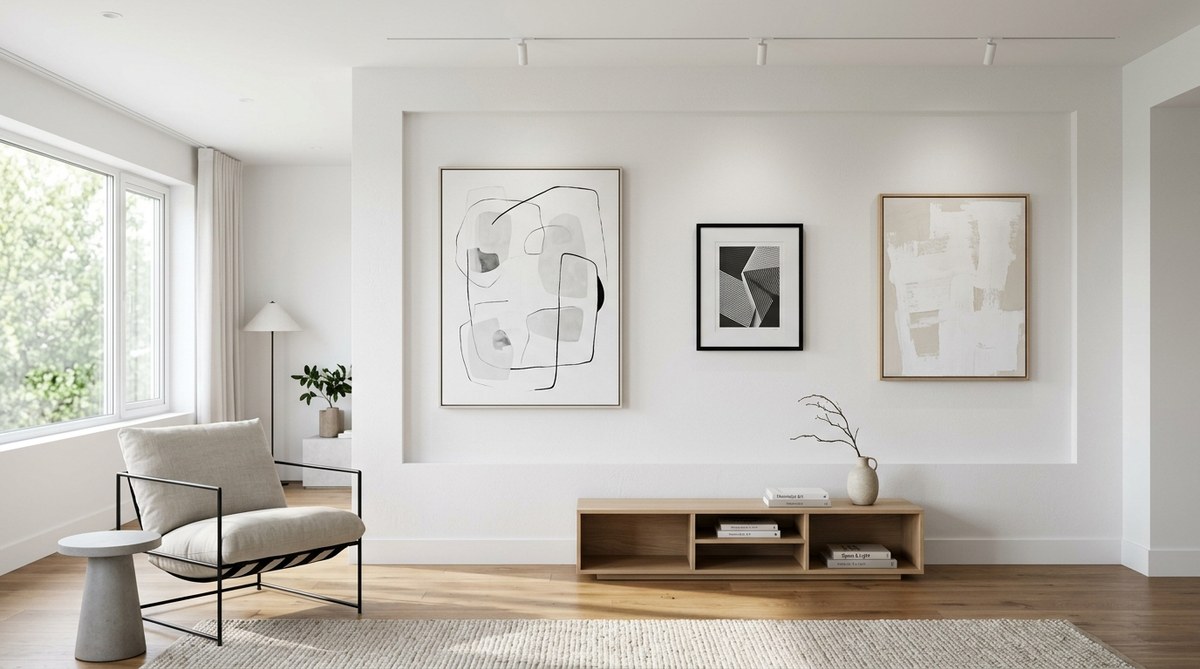
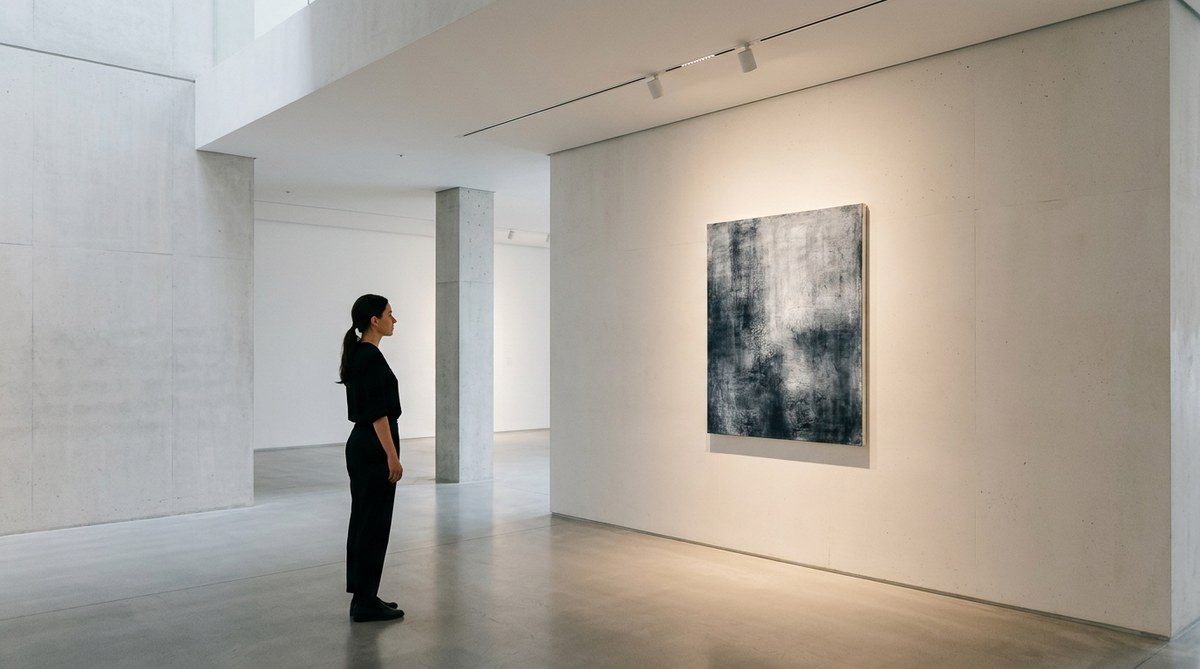
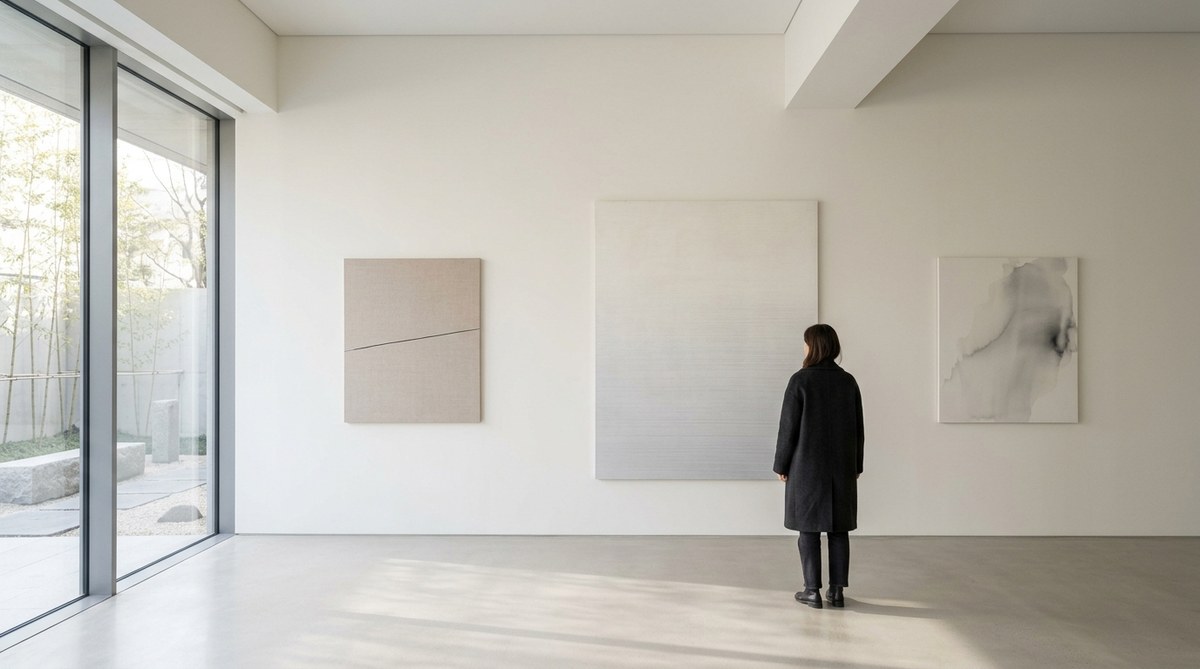
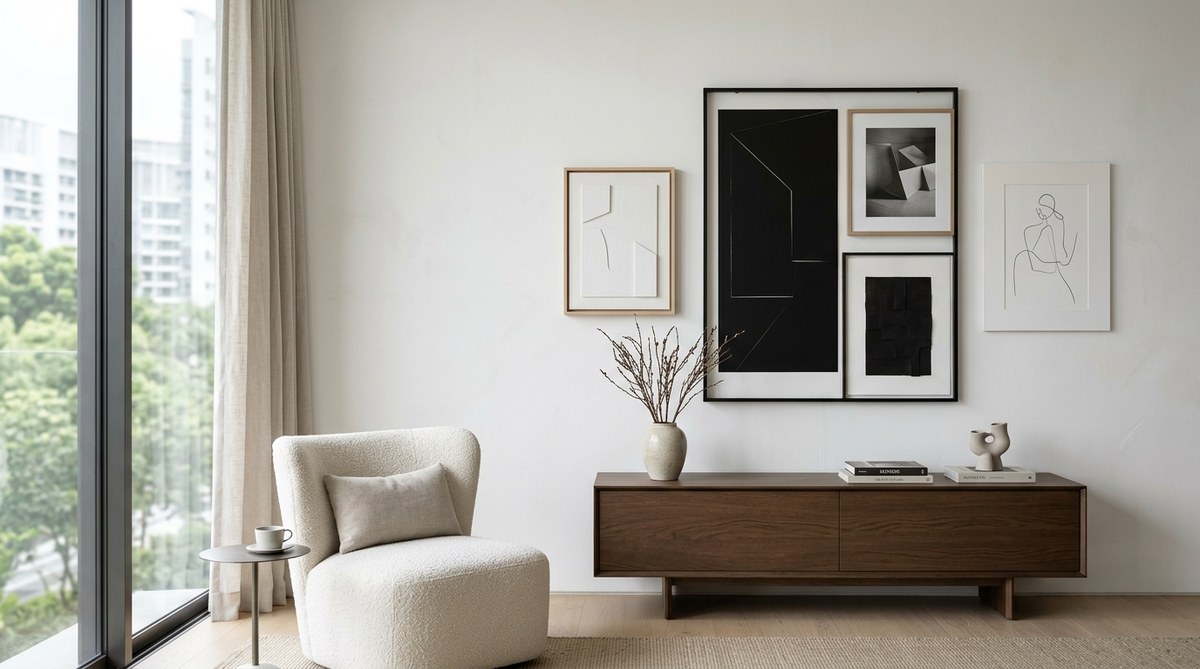
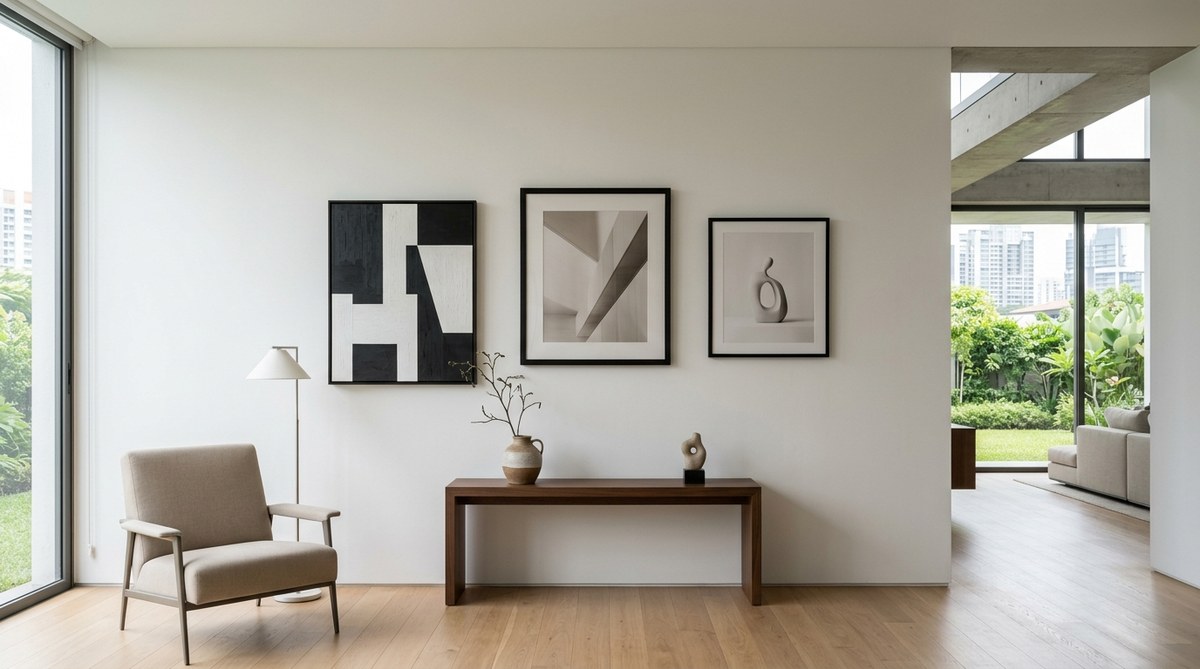
- In modern gallery walls, negative space helps emphasize artworks without overwhelming the room.
- In branding, negative space forms memorable logos that are simple yet powerful.
- In digital design, negative space guides user attention and improves readability.
Techniques to master negative space
| Technique | Description | Common mistake |
|---|---|---|
| Contrast play | Using contrasting colors or tones to define space | Ignoring harmony, resulting in jarring visuals |
| Symmetry and asymmetry | Balancing elements to create harmony | Overusing symmetry, leading to dullness |
| Negative shape creation | Using empty areas to form recognizable shapes or symbols | Overcomplicating the negative space, losing clarity |
| Negative space framing | Surrounding your main subject with space to draw focus | Leaving too much empty space, making the composition feel unbalanced |
“The secret to minimalist art is not just in what you include but in what you choose to leave out. Negative space is your most powerful tool.” — Contemporary minimalist artist David Liu
Common mistakes and how to fix them
| Mistake | How to fix it |
|---|---|
| Overcrowding | Simplify your composition and remove unnecessary elements |
| Lack of contrast | Increase tonal or color differences |
| Uneven balance | Adjust the placement and size of positive and negative areas |
| Ignoring the overall harmony | Step back frequently to view your work as a whole |
The influence of negative space across art forms
Negative space is a versatile element. While central in minimalist painting and design, it also influences photography, sculpture, and even architecture.
In photography
Negative space emphasizes subjects, creating striking compositions. Think of a lone tree against a vast sky or a solitary figure in an open landscape.
In sculpture
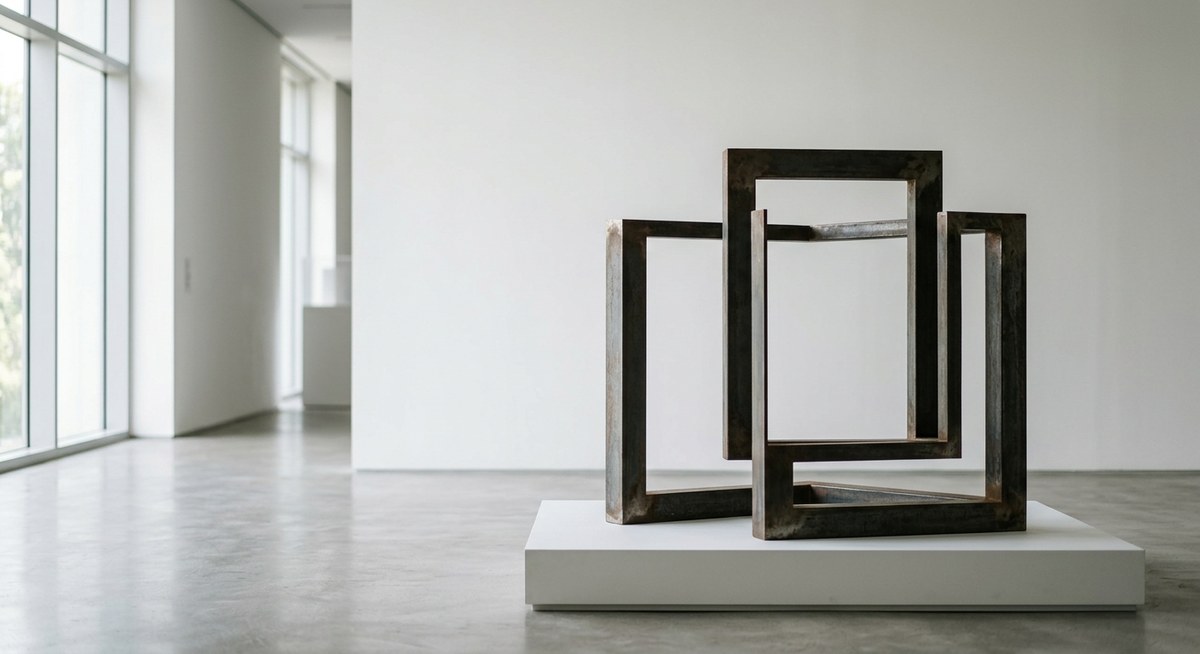
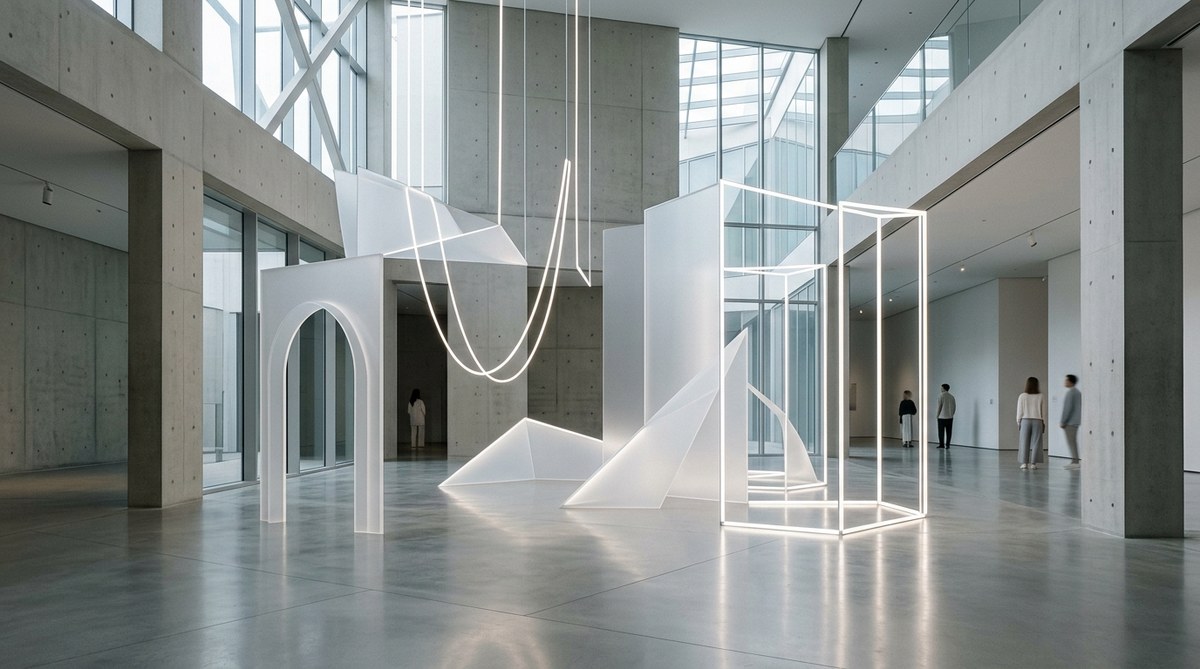
Empty spaces within sculptures can create a sense of openness and lightness, adding to the visual intrigue.
In architecture
Open floor plans and voids within structures utilize negative space to promote calm and flow.
Final thoughts: making the empty count
Mastering negative space in minimalist art unlocks a new level of visual storytelling. It challenges artists to think differently about what they omit as much as what they include. By carefully balancing positive and negative areas, you can craft artworks that feel dynamic yet peaceful.
Start small and experiment with simple compositions. Pay attention to how empty areas influence the overall feel. Remember, sometimes less truly is more. With deliberate practice, your art will communicate through what is not there just as powerfully as what is.
Creating with negative space is a journey of discovery. Use it to guide your creativity and inspire viewers. The beauty of emptiness lies in its potential to speak volumes without saying a word.

Leave a Reply