
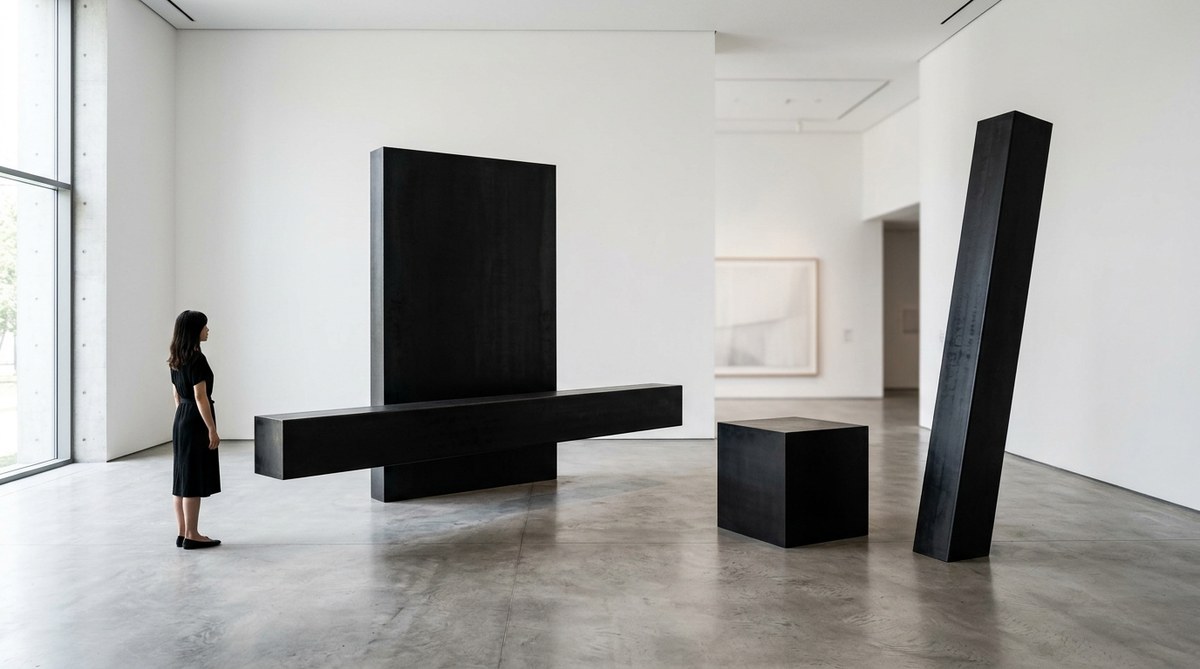
Art lovers and curious minds often find themselves captivated by the clean lines and uncluttered forms of modern art installations. At the heart of this movement lies a focus on simplicity and minimal object design. This approach not only challenges traditional notions of art but also invites viewers to engage more personally with the work. Understanding the impact of object simplicity on modern art reveals a fascinating shift toward clarity, materiality, and conceptual depth that continues to influence artists today.
Object simplicity in modern art emphasizes minimal forms and clean lines, fostering direct viewer engagement and highlighting materiality. This approach shapes contemporary installations by encouraging reflection on core elements and stripping away distractions, ultimately transforming how art communicates and resonates today.
The roots of minimalism and its influence on modern art
Minimalism emerged in the late 1950s and gained momentum throughout the 1960s. It was a response to the emotional intensity of abstract expressionism. Artists sought to strip their work down to essential geometrical forms and neutral palettes. This movement emphasized the power of simplicity and object-focused design, shifting the artistic focus from emotional expression to material presence.
In modern art installations, minimalism’s principles translate into structures that prioritize form, space, and the physicality of materials. Artists like Donald Judd, Dan Flavin, and Sol LeWitt pioneered this language of purity, creating works that challenge viewers to see beauty in the straightforward. Their influence persisted, inspiring contemporary artists to craft installations that emphasize clarity and intentionality.
How simplicity shapes contemporary art installations
Simplicity in objects influences modern installations in several profound ways. It allows artists to communicate complex ideas through straightforward forms. By reducing visual clutter, viewers can focus on the subtle details and spatial relationships within a piece. This clarity often evokes a sense of calm and invites deeper reflection.
The power of form and material
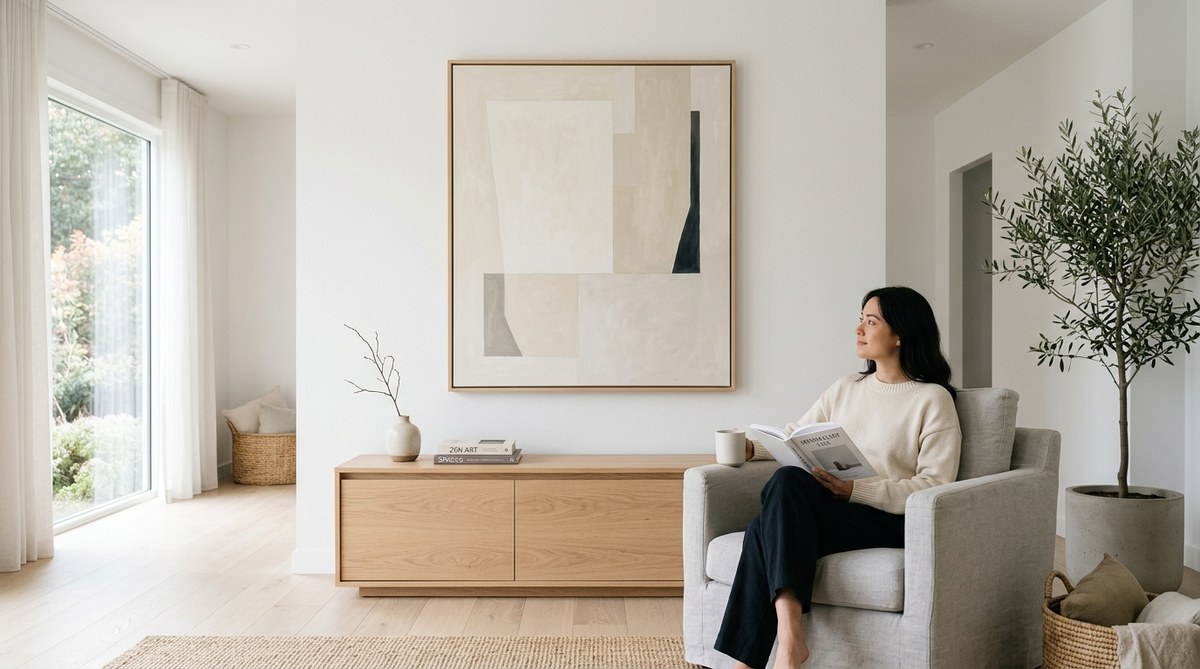
Minimalist objects are often characterized by clean lines, geometric shapes, and neutral colors. These elements help highlight the inherent qualities of materials—wood, metal, glass, or light—without distraction. The tactility, texture, and physical presence of these objects become central to the experience.
Creating space for viewer engagement
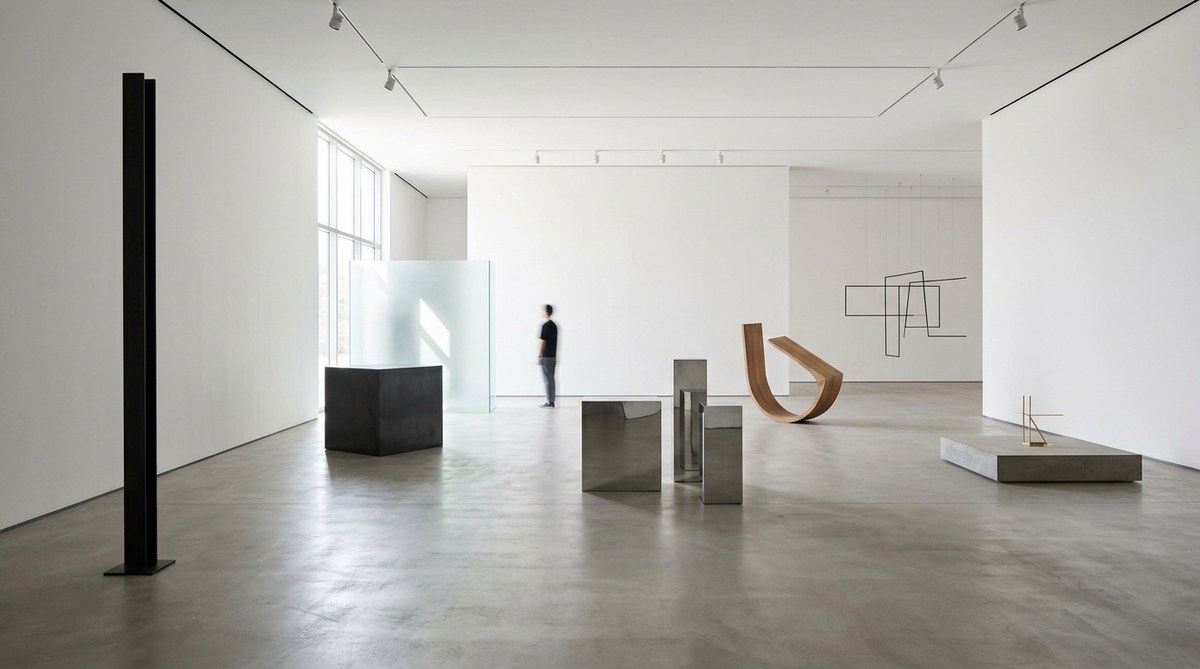
Minimalist installations often involve large, open spaces that encourage viewers to move freely around and through the work. This spatial openness fosters a personal connection and allows for varied interpretations. The simplicity of objects acts as a catalyst for imagination and emotional response.
The role of context and environment
An essential aspect of object simplicity is its interaction with the surrounding environment. Minimalist works often respond to or complement architectural spaces, emphasizing harmony and balance. This relationship enhances the perception of both the artwork and its setting.
Practical processes for integrating object simplicity in art
Artists and designers aiming to incorporate minimalism into their work can follow these steps:
- Identify the core message or concept you want to communicate. Focus on what truly matters.
- Simplify forms and eliminate unnecessary details. Use geometric shapes and neutral palettes to achieve clarity.
- Select materials that highlight texture and physicality. Think about how light interacts with surfaces.
- Design the space thoughtfully to allow for movement and reflection.
- Engage with feedback to refine the balance between simplicity and impact.
Techniques that enhance object simplicity
| Technique | Description | Common Mistakes |
|---|---|---|
| Use of geometric forms | Emphasizing basic shapes like squares, circles, or rectangles | Overcomplicating shapes, losing clarity |
| Neutral color palettes | Relying on whites, blacks, and grays | Adding unnecessary color accents |
| Emphasis on materiality | Highlighting textures and surfaces | Ignoring how materials interact with light |
| Negative space utilization | Creating balance through empty areas | Filling space excessively, cluttering the composition |
Expert advice on minimalism in art
“The essence of minimalism is the belief that less can be more. When objects are stripped to their fundamental form, they reveal a deeper understanding of space, material, and perception.” — Art critic Jane Doe
The challenges and misconceptions of object simplicity
Despite its appeal, minimalism faces misunderstandings. Some believe that simplicity equates to emptiness or lack of effort. Others think minimalist art is purely aesthetic with no depth. However, the truth is that creating compelling minimalist works requires intentionality, precision, and a deep understanding of form.
A common mistake is over-simplification, which can lead to works feeling cold or detached. Balancing simplicity with emotional resonance is critical. Artists must carefully consider how each object interacts within the installation and with viewers.
The future of object simplicity in contemporary art
As technology advances, new materials and techniques continue to expand the possibilities for minimalist art. Digital fabrication, light-based installations, and interactive environments push the boundaries of simplicity while adding layers of engagement. The core principles remain relevant, emphasizing clarity, material presence, and spatial harmony.
Furthermore, the current cultural climate values authenticity and mindfulness. Minimalist objects resonate with these themes by encouraging viewers to slow down, reflect, and find meaning in the fundamental.
Connecting with minimalist art in your space
If you’re interested in experiencing object simplicity firsthand, consider visiting galleries or exhibitions that focus on contemporary minimalism. Many institutions now curate shows that showcase how minimal objects and installations influence modern aesthetics.
For those creating their own art or design projects, embracing minimalism can lead to more intentional and impactful outcomes. By focusing on essential forms and materials, you can craft environments that foster calm and clarity.
Final thoughts on the impact of object simplicity on modern art
Simplicity in objects shapes the way modern art installations communicate and engage. It challenges artists to distill their ideas to core elements, fostering a direct and meaningful connection with viewers. The influence of minimalism continues to evolve, inspiring new generations to see beauty in the fundamental and to appreciate the power of less.
Whether you’re an artist, student, or enthusiast, embracing object simplicity can deepen your understanding of contemporary art’s language. By focusing on core forms, materials, and space, you open yourself to fresh perspectives and creative possibilities.
Embracing a minimalist mindset in your artistic journey
Applying the principles of object simplicity involves thoughtful reduction and intentional design. Start by identifying what truly matters in your work and eliminate distractions. Focus on the physical qualities of your materials and how they interact with space and light. Remember, simplicity is not about deprivation but about clarity and purpose. Keep refining your work, and you’ll find that less often reveals more.
Whether you are creating a new installation or appreciating existing works, the impact of object simplicity on modern art remains profound. It invites us to see beyond complexity and discover beauty in the essential.
Feel inspired to incorporate object simplicity into your art or space. Remember, sometimes the most powerful statements are made through the quiet strength of minimal forms.

Leave a Reply