
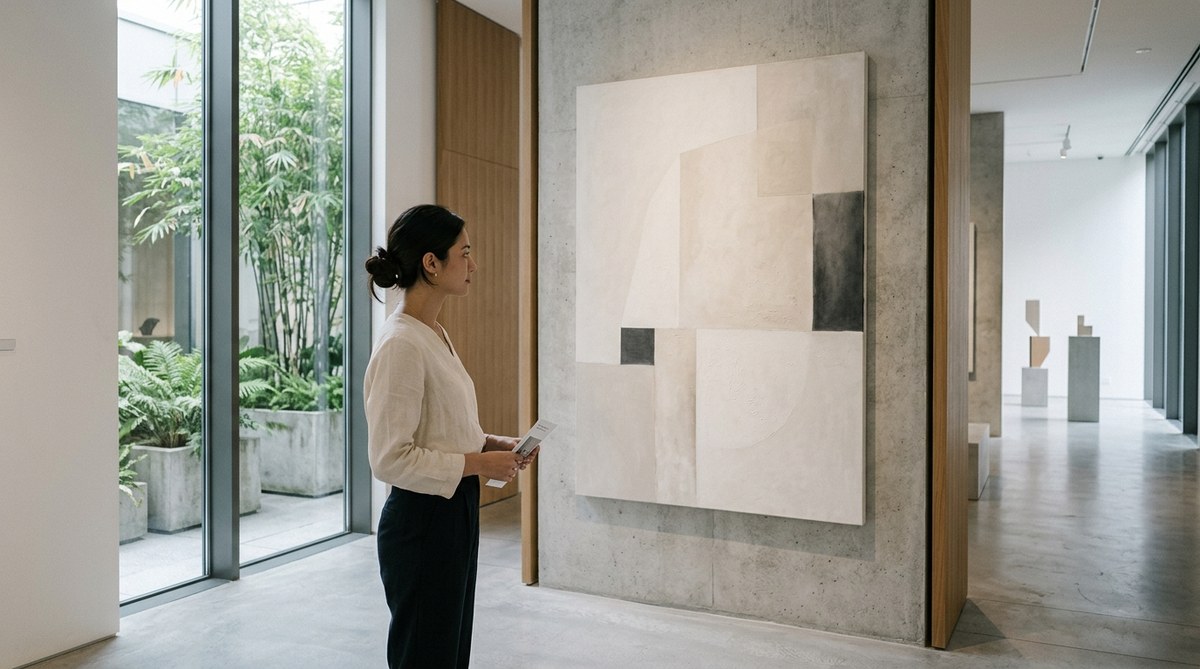
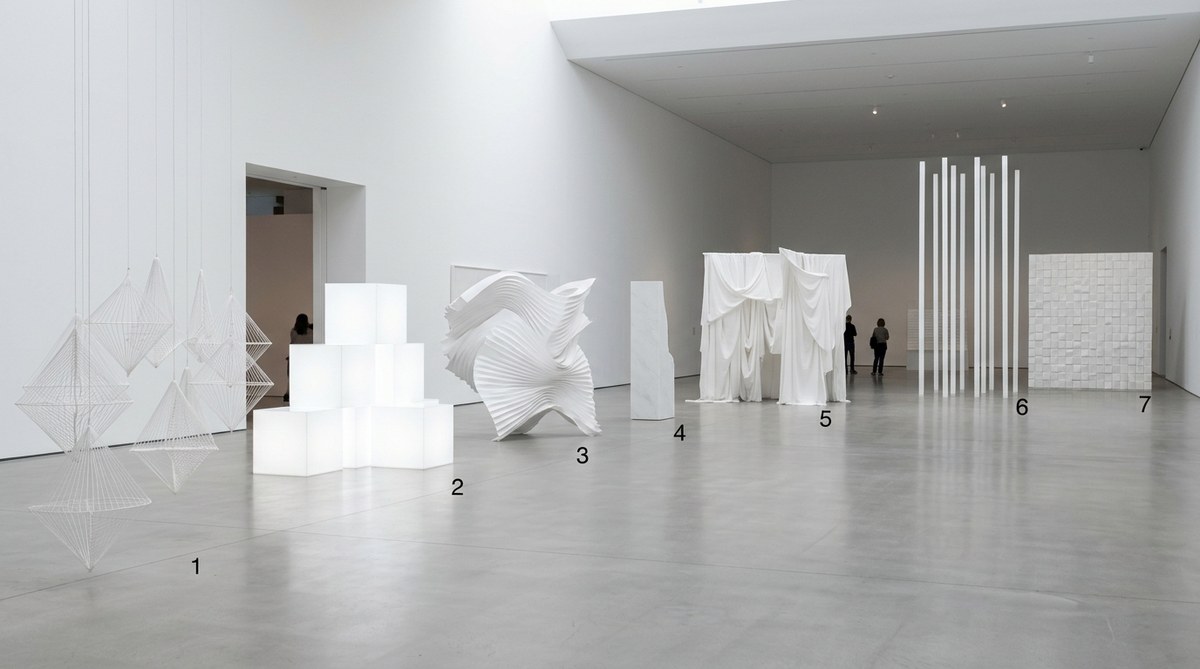
Walking into a gallery with a single white canvas on a vast wall can feel strange at first. You might wonder if you are missing something. But then something shifts. Your eyes stop racing. Your breath slows down. That empty space starts to feel full. This is the quiet power of minimalist art. It does not shout for your attention. It waits for it. And when you finally give it your full focus, the way you see everything else starts to change.
Minimalist art trains your brain to notice what is actually there instead of what you expect to see. By removing visual noise, it forces you to engage with shape, light, texture, and space on a deeper level. This practice rewires your perception so you can carry that same clarity into your daily life, your home, and your creative work.
Why Minimalist Art Feels Like a Reset Button for Your Eyes
Modern life floods us with images. Social media feeds, advertisements, notifications, and endless streams of content train our brains to scan and scroll. We look without truly seeing. Minimalist art interrupts this pattern. It gives your eyes nothing to grab onto except the essentials.
When you stand in front of a piece by Donald Judd or Agnes Martin, there is no story to decode. No hidden symbols. No busy composition. You are left alone with the object and your own awareness. This direct encounter is rare. It is also deeply grounding.
The artist Richard Serra once said:
“I am not interested in how people see the world. I am interested in how the world exists as a physical fact.”
That quote captures the heart of minimalist art. It asks you to stop interpreting and start experiencing. When you practice this kind of looking, you begin to notice details you usually miss. The way light falls across a floor. The weight of a single object in a room. The silence between two sounds.
Three Ways Minimalist Art Changes Your Visual Habits
Minimalist art does not just hang on a wall. It teaches you a new way of seeing. Here are three specific shifts you can expect.
1. You Start Noticing Negative Space
Most of us focus on objects. We look at the chair, not the air around it. Minimalist art flips that instinct. It makes the empty space just as important as the form.
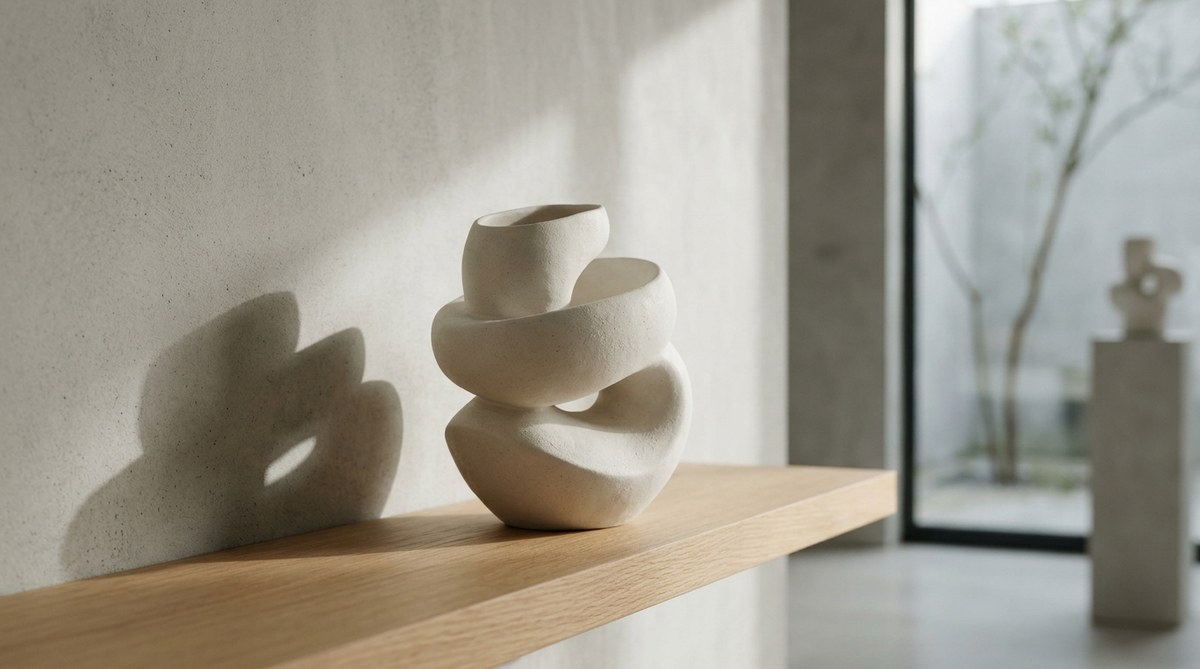
Think about a sculpture by Barbara Hepworth. The holes in her work are not absences. They are active shapes. They define the piece as much as the solid material does. Once you learn to see negative space in art, you start noticing it everywhere. The gap between buildings. The silence in a conversation. The empty corner of your living room that could become a visual anchor.
2. You Slow Down Your Gaze
Museums are exhausting. The average viewer spends less than ten seconds looking at a single artwork. Minimalist art makes that pace impossible. There is nothing to read. No label to check. You have to stand there and let the work reveal itself.
This slower gaze becomes a habit. You start looking at trees differently. You notice the grain of wood on a table. You see the way a shadow stretches across a wall at 4 PM. Your attention becomes a gift you give to the world around you.
3. You Learn to Trust Simplicity
We are taught that more is better. More details, more colors, more information. Minimalist art challenges that belief. It shows you that a single line can hold as much power as a complex painting.
This trust in simplicity carries into your choices. You might buy fewer clothes but better quality. You might leave a wall empty instead of filling it with clutter. You start editing your life the way a minimalist artist edits a canvas.
A Practical Process for Seeing the World Through a Minimalist Lens
You do not need to visit a gallery to practice this way of seeing. Try this simple process at home or on a walk. It takes about ten minutes.
- Pick one object or view. It could be a coffee mug, a single leaf, or the corner of a room. Keep it simple.
- Remove distractions. Put your phone away. Turn off background noise. Give this object your full attention.
- Describe only what is physically there. Do not judge. Do not tell a story. Just notice. The curve of the handle. The reflection on the surface. The shadow underneath.
- Hold your gaze for two full minutes. This will feel long. That is the point. Let your eyes wander over the same details again and again.
- Write down one thing you missed at first. It is always there. A tiny scratch. A shift in color. A sliver of light.
Repeat this practice for a week. You will start to see the world with more texture and depth. The ordinary becomes extraordinary.
Common Mistakes People Make When Trying to See Like a Minimalist
Minimalist art seems simple, but our habits get in the way. Here is a table of common mistakes and how to fix them.
| Mistake | What It Looks Like | How to Correct It |
|---|---|---|
| Searching for meaning | Asking “What does this mean?” constantly | Focus on “What do I notice?” instead |
| Comparing to other art | Judging it against busy, narrative work | Treat each piece as its own language |
| Rushing the experience | Glancing and moving on | Set a timer for three minutes per piece |
| Filling the void mentally | Imagining stories or symbols | Stay with pure observation |
| Dismissing minimalism as boring | Labeling it as empty or lazy | Ask yourself why the emptiness feels uncomfortable |
If you catch yourself making these mistakes, pause and reset. The goal is not to like minimalist art. The goal is to let it teach you how to see.
How to Bring This New Way of Seeing Into Your Home
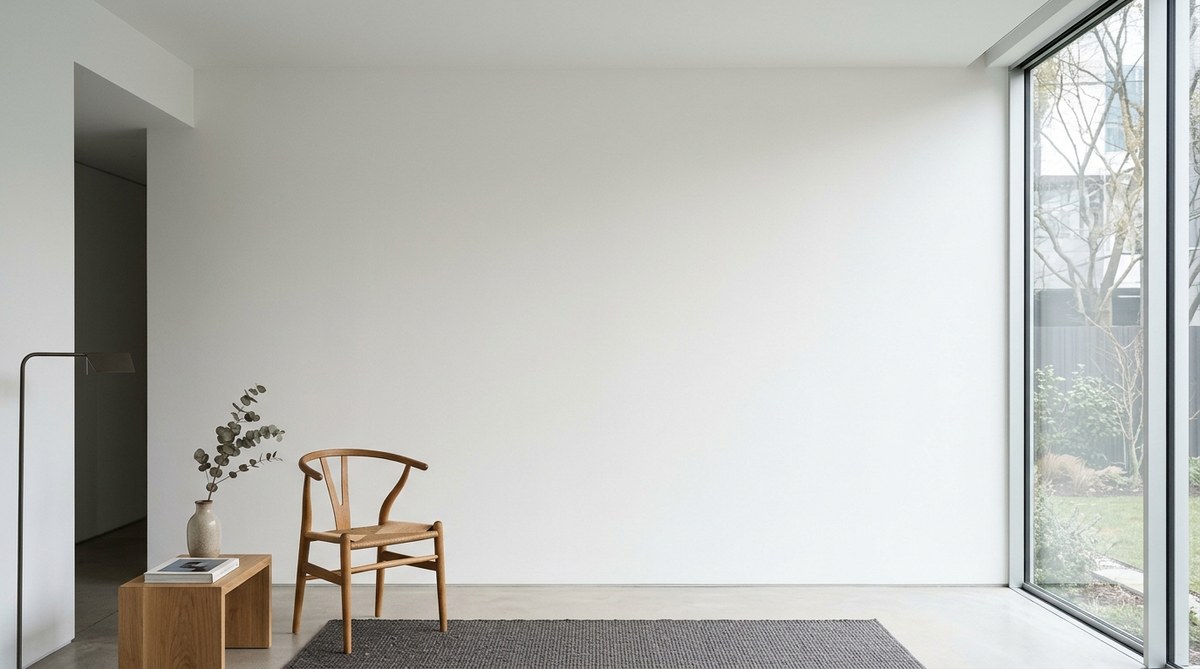
Once you have practiced looking at minimalist art, you can apply the same principles to your living space. The goal is not to own less for the sake of less. It is to create room for what matters.
Here are a few ideas to get started:
- Leave one surface completely bare. A countertop, a shelf, a wall. Let it breathe.
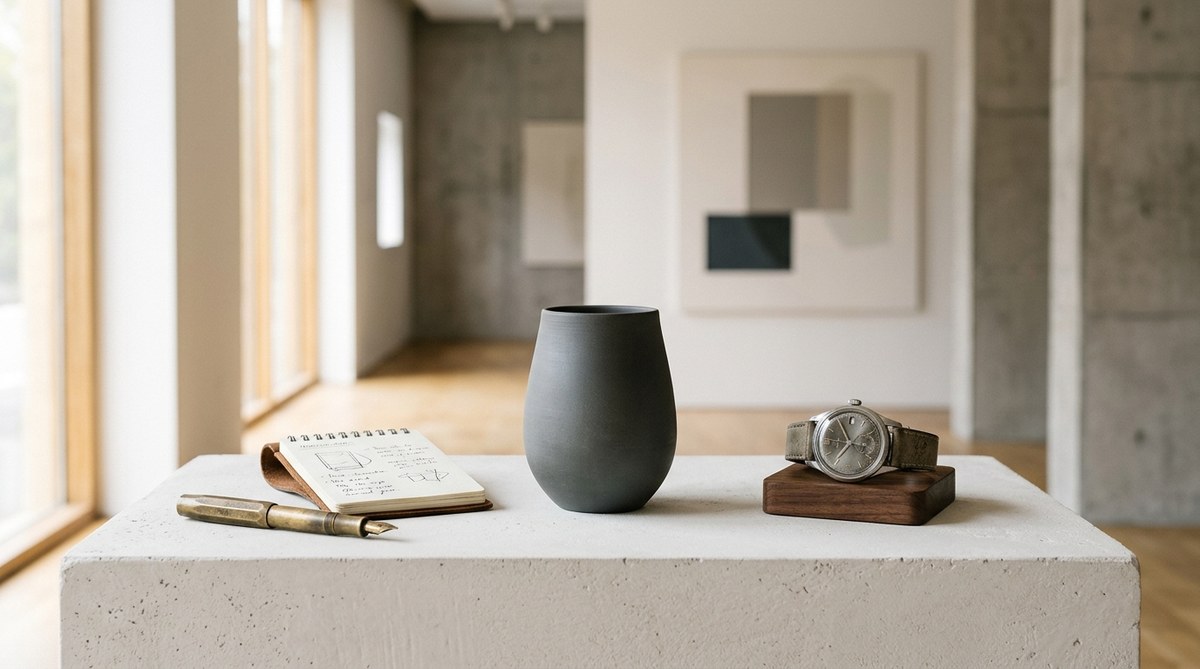
- Arrange three objects in a deliberate line. Pay attention to the space between them.
- Use light as a design element. Notice how a lamp changes the mood of a room at different times of day.
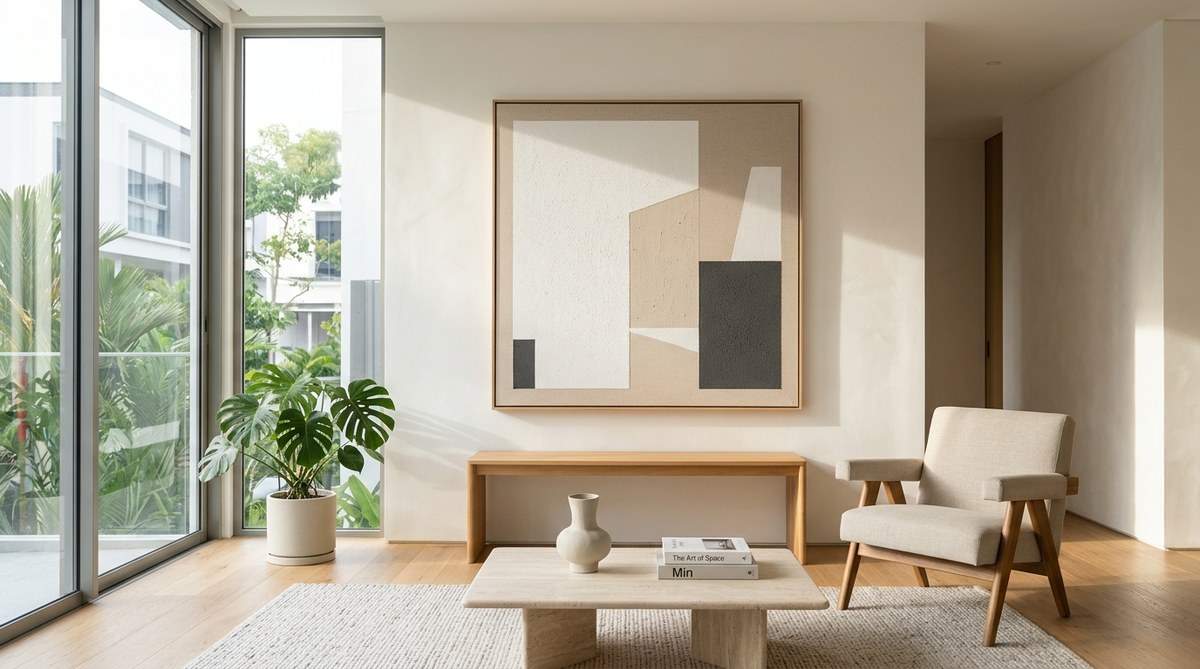
- Choose one piece of art that makes you stop. Hang it alone. Let it have the wall.
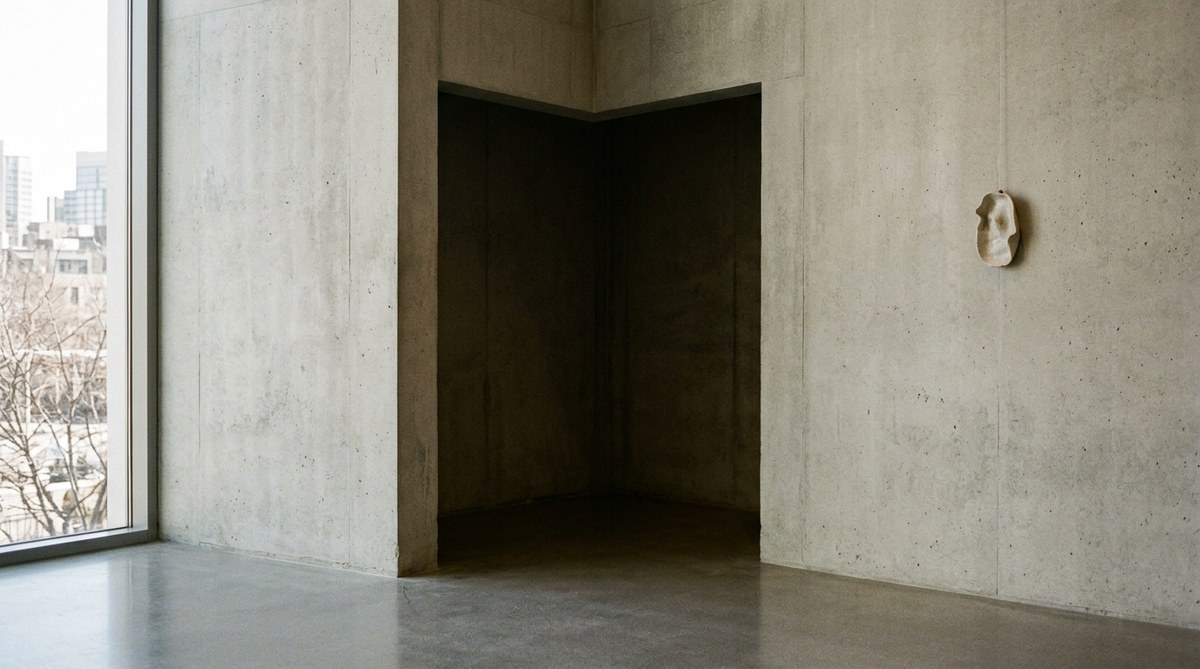
For more inspiration, check out embracing minimalist aesthetics in contemporary art spaces. That article shows how galleries use these same principles to create environments that feel open, calm, and intentional.
What Minimalist Art Reveals About Your Own Mind
Here is the most surprising part. When you look at minimalist art, you are not just seeing the artwork. You are seeing your own mental state.
If a white canvas feels empty, you might be carrying a lot of mental clutter. If a simple line feels peaceful, you might be craving stillness. If a sculpture feels lonely, you might be avoiding silence.
Minimalist art holds up a mirror. It reflects your relationship with space, time, and attention. This is why it can feel uncomfortable at first. It asks you to sit with yourself without distraction.
But that discomfort is a doorway. Walk through it, and you find a calmer, clearer way of being. The art does not change. You do.
The Role of Light and Shadow in Shifting Perception
Minimalist artists understand that light is not just illumination. It is a material. They use it to carve space, create mood, and reveal texture.
Think about a room with a single window. At noon, the light is harsh and direct. At dusk, it is soft and golden. The same room feels completely different. Minimalist art trains you to notice these shifts.
You can apply this awareness to your own environment. Pay attention to how light moves through your home. Notice where shadows fall. Use lamps to create pools of warmth instead of flooding the whole room with brightness.
For a deeper look at this topic, read about the art of light and space in minimalist interior design. It explains how artists and designers use illumination as a sculptural tool.
A Bulleted Guide to Practicing Minimalist Seeing Every Day
You do not need a gallery membership to practice this skill. Try one of these small habits each day.
- Drink your morning coffee without looking at your phone. Study the mug instead.
- Walk to the mailbox without headphones. Listen to the silence between sounds.
- Choose one item in your room and trace its outline with your eyes.
- Look at the sky for thirty seconds. Notice the gradient of color.
- Eat one meal without multitasking. Pay attention to texture and temperature.
These tiny acts of attention add up. They train your brain to find richness in simplicity. Over time, you stop needing the noise.
Why Minimalist Art Is the Antidote to Visual Overload
In 2026, we are surrounded by more images than any generation before us. Our brains are not built for this. We get tired. We get distracted. We stop really seeing.
Minimalist art offers a counterbalance. It is a visual reset. It reminds you that you do not need more input. You need deeper presence.
This is not about rejecting complexity. It is about choosing what deserves your attention. Minimalist art teaches you to be selective. To pause before scrolling. To ask yourself: “Is this adding to my clarity or my clutter?”
If you want to go further, read why minimalist art is the antidote to digital clutter. It connects these ideas directly to your screen habits.
How to Use Minimalist Art to Find Clarity in Creative Work
If you are a creative person, minimalist art can be a powerful tool. It strips away the decorative and leaves only the essential. This is useful when you feel stuck.
Next time you sit down to write, paint, or design, try this. Remove everything from your workspace except one tool. A single pen. One brush. A blank page. Work within that limitation. See what emerges.
Limitations are not obstacles. They are invitations. Minimalist art proves that over and over.
For more on this approach, look at how minimalist art trains the eye to find beauty in restraint. It offers practical exercises for artists and designers.
The Quiet Power of Starting with a Single Line
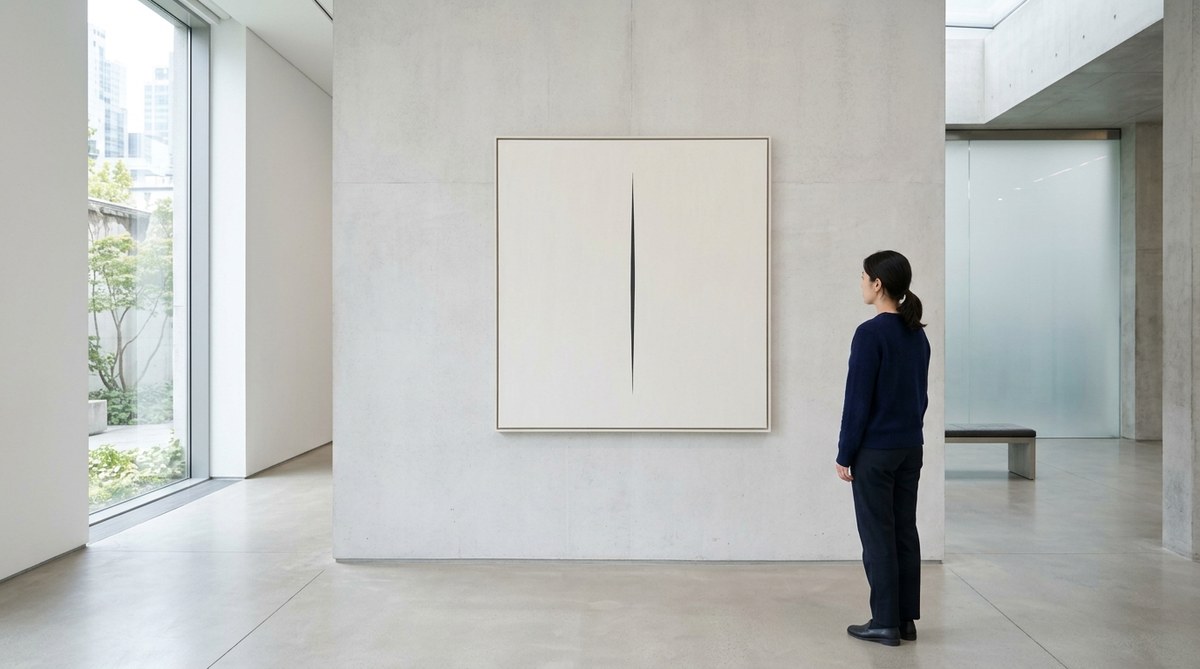
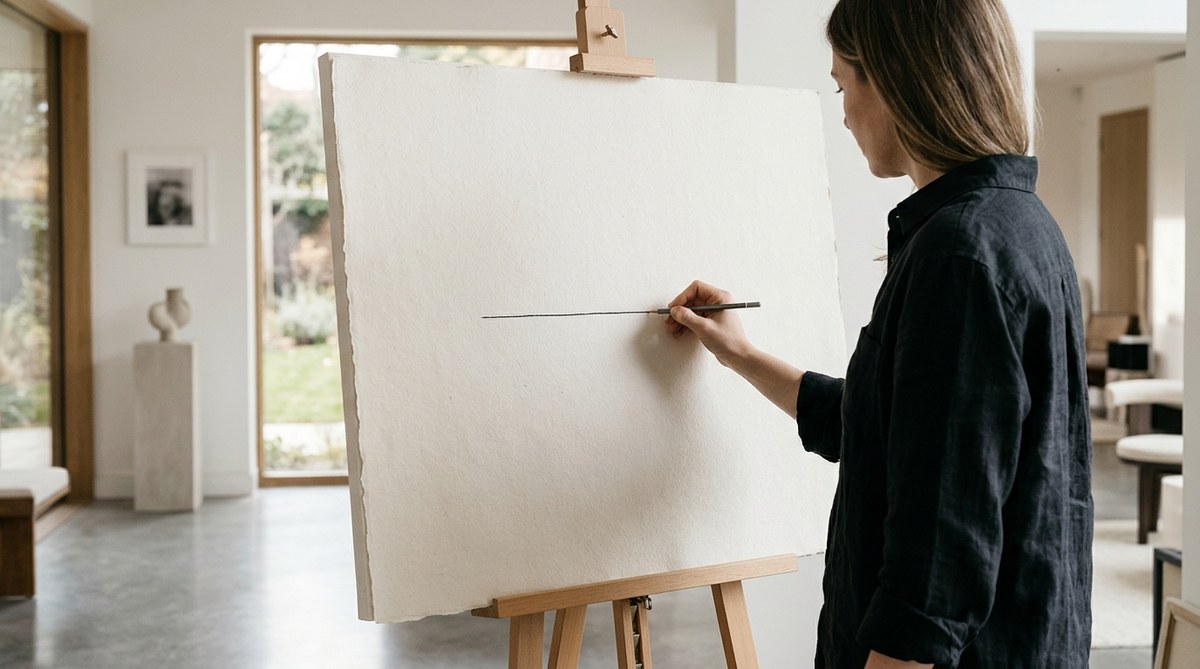
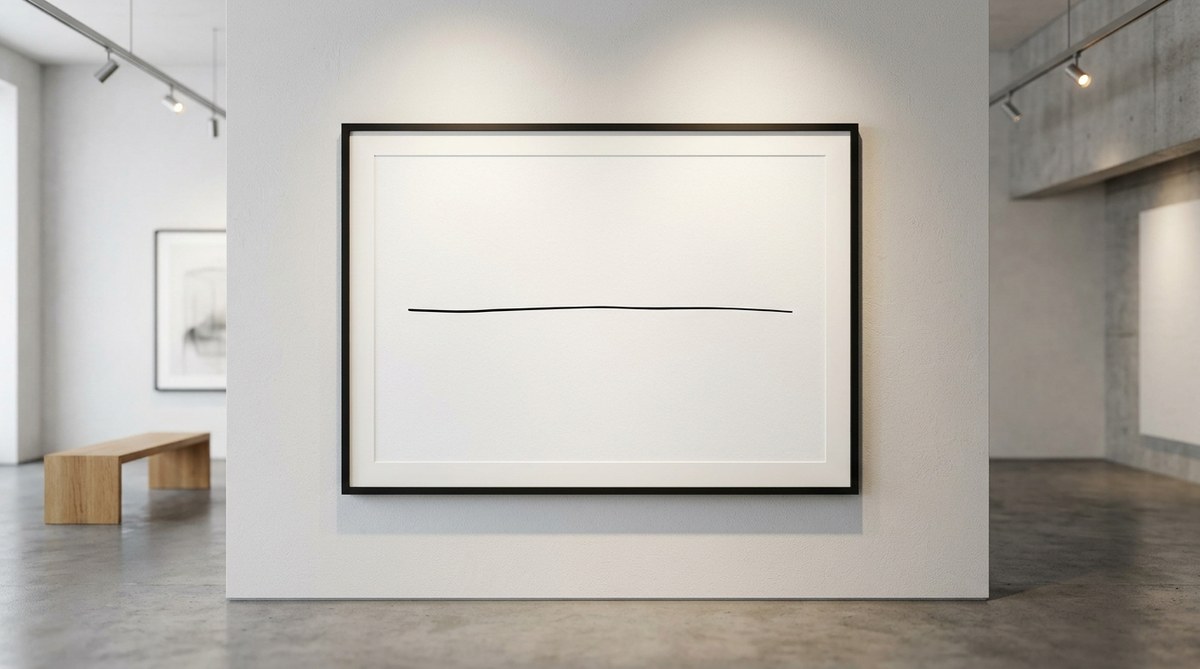
Some of the most powerful minimalist works begin with one mark. A single horizontal line across a canvas. A vertical cut in a block of stone. That one gesture holds everything.
This teaches us something important. You do not need a grand plan. You just need to start. One line leads to another. One empty space creates room for something new.
If you are feeling overwhelmed by a project or a life decision, remember the single line. Strip it down. What is the smallest next step you can take? That is enough.
Your Perception Is a Skill You Can Strengthen
We treat seeing as passive. Light enters our eyes. Our brain processes it. Done. But that is not the full picture. Seeing is a skill. It can be practiced, refined, and deepened.
Minimalist art is one of the best teachers for this skill. It demands nothing from you except your attention. And when you give it that attention, it gives you back a clearer way of moving through the world.
You start to notice the texture of a brick wall. The way steam rises from a cup of tea. The exact shade of blue in the sky at 6 PM. These details were always there. Minimalist art just helps you see them.
One Final Practice to Carry with You
Before you close this article, try one last thing. Look away from your screen. Pick a single object in your line of sight. A lamp. A plant. A water bottle. Look at it for sixty seconds without labeling it. Do not think “lamp.” Just see the curves, the shadows, the light hitting the metal.
That is it. That is the practice. That is how minimalist art teaches you to see the world differently.
If this resonated with you, you might enjoy how minimalist art teaches us to see the world anew. It goes deeper into the philosophy behind this shift in perception.
Let the Art Change How You Move Through Your Day
Minimalist art is not a style to collect. It is a lens to wear. Once you learn to see through it, the world becomes richer, not emptier. A plain wall becomes a canvas for light. A quiet room becomes a sanctuary. A simple object becomes a teacher.
You do not need to buy expensive art to experience this. You just need to slow down and look. Start today. Pick one thing. Look at it like it matters. Because it does.

Leave a Reply