
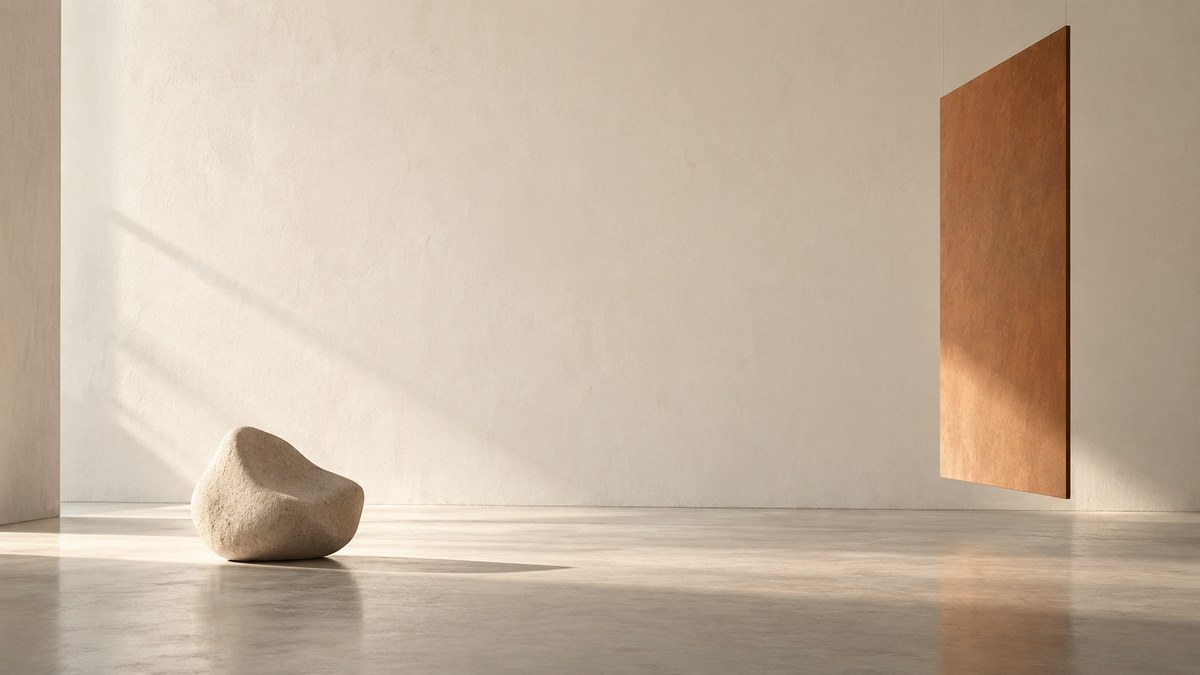
You are standing in a gallery. The room is white. On the wall hangs a single canvas painted a soft, muted gray. That is it. No figures, no patterns, no bold brushstrokes. Yet you feel something. A sense of calm. A quiet hum of tension. Maybe even a little sadness. The empty space around the painting, and the emptiness within it, is doing all the work. That is the emotional power of empty space in minimalist art. It is not about what is there. It is about what is not.
Empty space in minimalist art is not a void. It is a tool. It creates room for your mind to rest, reflect, and feel. By understanding how negative space works, you can choose art that brings emotional balance to your home or gallery. This guide shows you how to read that space and use it with purpose.
The Psychology of Nothing
Our brains are wired to seek patterns. When we see a busy room or a cluttered canvas, our minds work hard to process every detail. That takes energy. Minimalist art does the opposite. It gives your brain permission to stop scanning.
The empty space in a minimalist piece acts like a visual pause. It signals safety. Your nervous system can shift from alert mode into a more relaxed state. This is why so many people describe minimalist art as calming. The negative space absorbs your attention without demanding a response.
Think of it like a deep breath. When you look at a wide, open field of white or gray, your eyes relax. Your shoulders drop. The emotional power of empty space in minimalist art comes from this biological response. It is a reset button for your senses.
How Artists Use Empty Space to Trigger Emotion
Minimalist artists are masters of subtraction. They remove everything that does not serve the feeling. What remains is intention.
Here are a few ways artists shape emotion through emptiness:
-
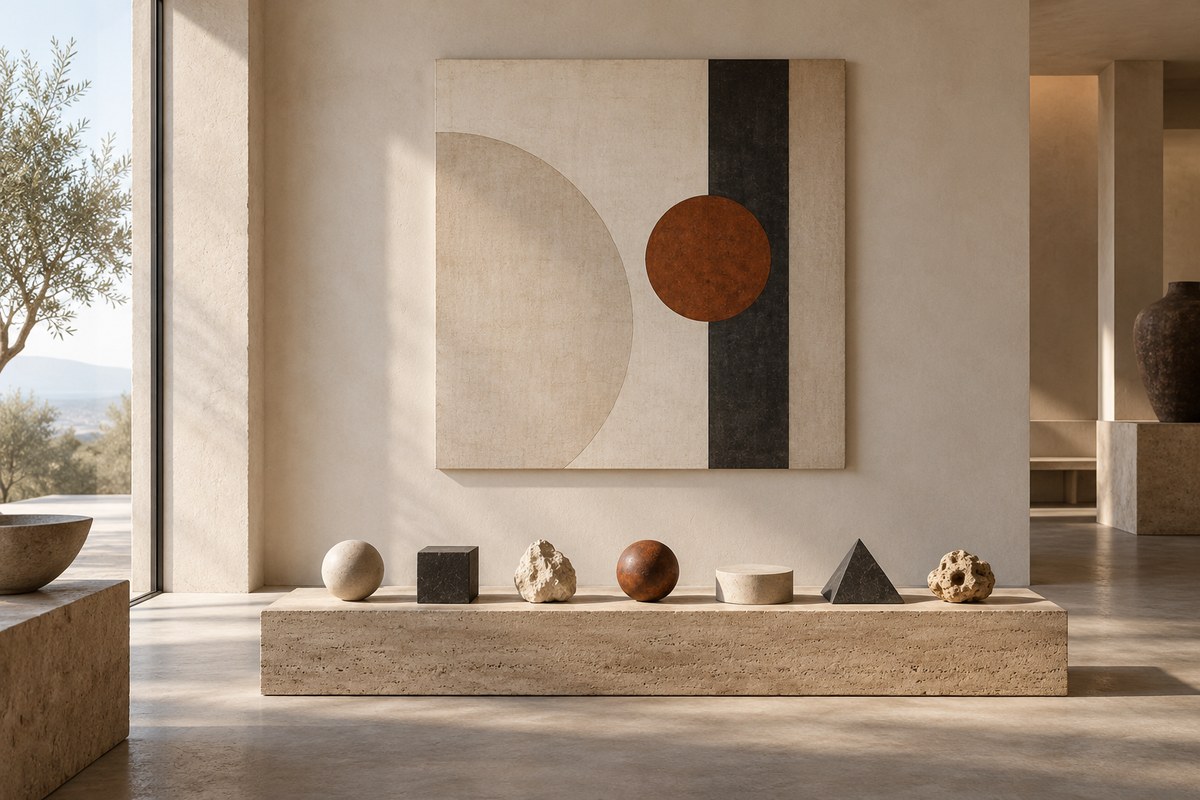
Isolation: A single object placed in a large field of nothing feels lonely or sacred. Think of a small black square in the center of a huge white canvas. That object carries weight because it has no competition.
-
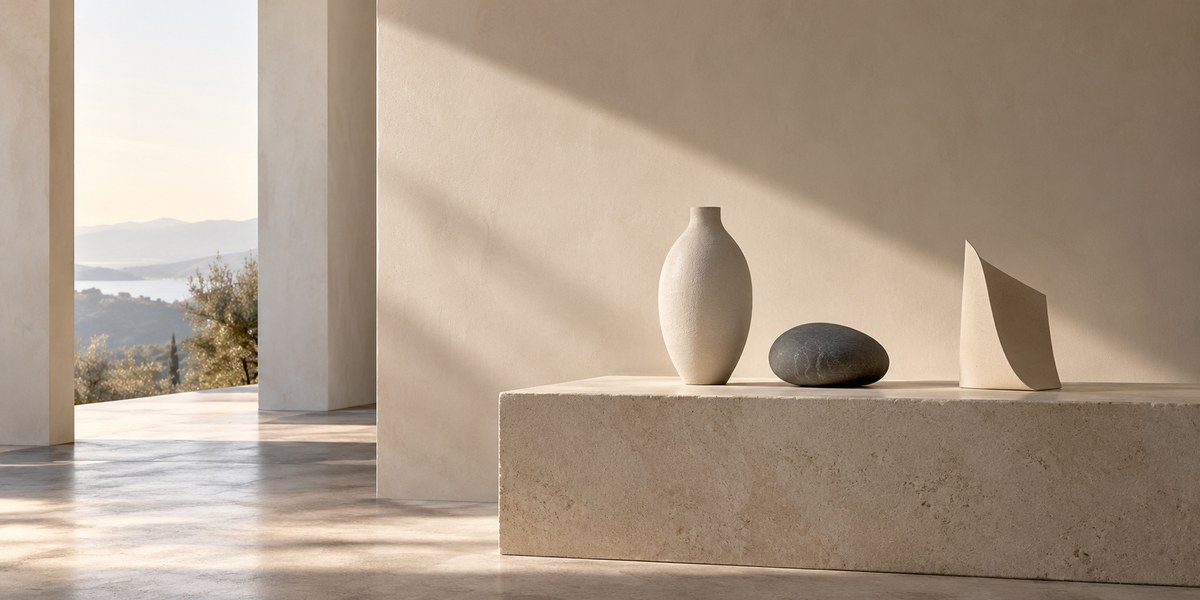
Breath: Space around a form gives it room to breathe. The viewer can feel that air. It creates a sense of openness and possibility.
-
Tension: When a form sits very close to the edge of the canvas, the empty space feels tight. It creates unease. The viewer senses that something is about to fall off the edge.
-
Stillness: Large areas of uninterrupted color or texture slow down your gaze. They invite you to stop rushing. This stillness can feel meditative.
“The space between the notes is where the music lives. In minimalist art, the space around the form is where the feeling lives.” — Anonymous artist interview, 2026
The Emotional Power of Empty Space in Minimalist Art for Your Home
Bringing minimalist art into your living space is not just about style. It is about how you want to feel when you walk into a room.
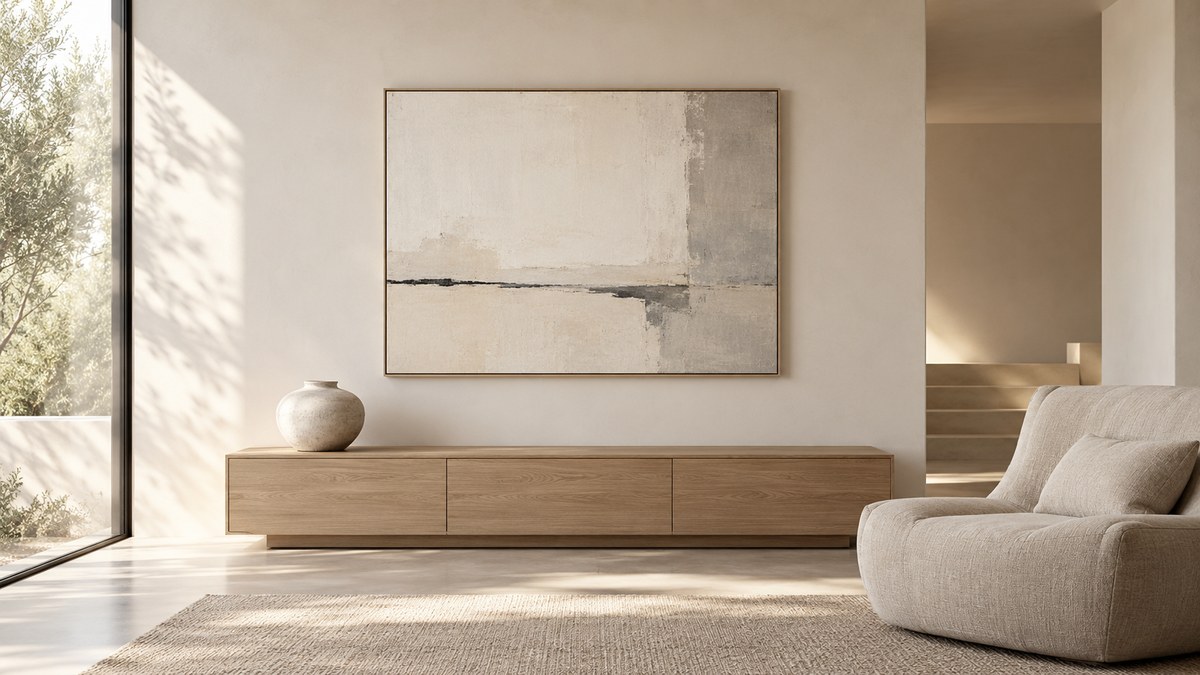
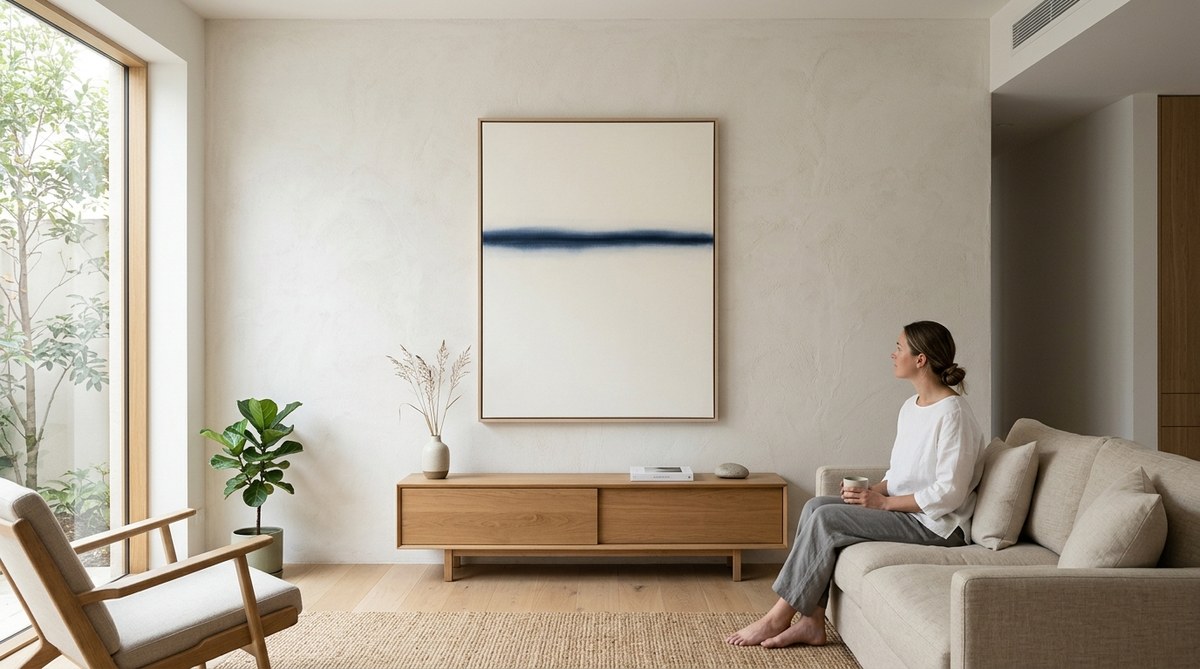
A busy wall with many small frames can feel exciting but exhausting. A single large piece with generous negative space can feel grounding. It gives your eye a place to land and rest.
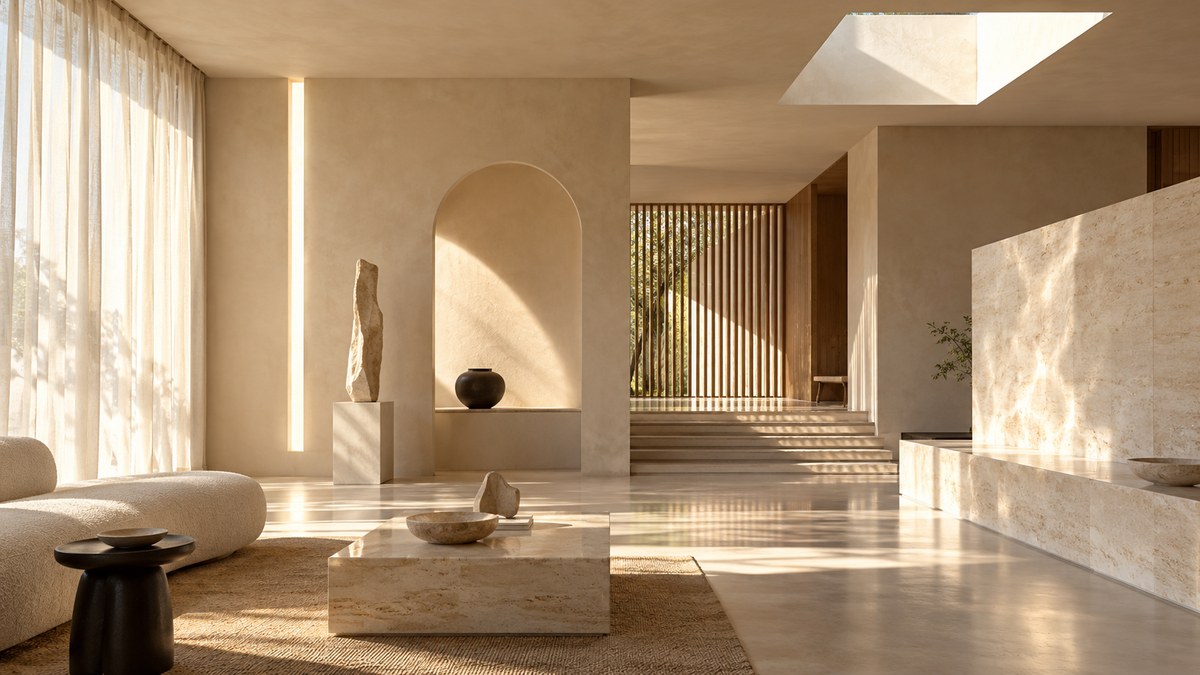
Interior designers in 2026 are using minimalist art to create emotional zones. A quiet piece with lots of empty space in a bedroom invites sleep and calm. A more structured piece with balanced negative space in a home office helps with focus.
If you are looking for ways to bring this into your home, the guide on how to use minimalist art to create a sense of calm in any room offers practical placement tips.
A Practical Process for Choosing Art with Emotional Empty Space
You do not need to be an art critic to feel the power of empty space. You just need to slow down and pay attention.
Follow this numbered process the next time you look at a minimalist piece:
-
Stand still for 30 seconds. Do not judge the piece yet. Just let your eyes move across the entire surface, including the empty parts.
-
Name the feeling. Does the empty space feel peaceful? Lonely? Tense? Spacious? Write down the first word that comes to mind.
-
Look at the ratio. Is there more empty space than subject? Or is the subject large with only a thin border of emptiness? The ratio changes the emotional weight.
-
Imagine it in your space. Picture the piece on your wall. Does the empty space around it clash with the clutter in the room? Or does it create a pocket of quiet?
-
Trust your gut. If the empty space makes you feel something, that is enough. You do not need to explain it.
Common Mistakes When Using Empty Space in Art and Design
Even people who love minimalism can misstep. Here is a table that shows common mistakes and how to fix them.
| Mistake | Why It Fails | How to Fix It |
|---|---|---|
| Hanging art too low or too high | The empty space around the piece feels unbalanced, not intentional. | Hang the center of the piece at eye level (57 to 60 inches from the floor). |
| Crowding minimalist art with decor | The negative space loses its power because the eye has too many places to go. | Give the piece at least 12 inches of bare wall on all sides. |
| Choosing art with empty space that clashes with room clutter | The art feels like an island in a messy sea. | Reduce visual noise in the room first. Let the art be the quiet spot. |
| Ignoring the frame | A thick, ornate frame fights the emptiness inside the canvas. | Use a thin, neutral frame or no frame at all. |
For more on arranging objects in a space, the article on how to arrange minimalist objects for maximum visual impact has helpful tips.
Techniques to Deepen Your Connection with Negative Space
If you want to go deeper, try these techniques. They help you move from looking at art to feeling it.
-
The squint test: Squint your eyes until the details blur. The empty space will become more prominent. Notice how it shapes the overall mood.
-
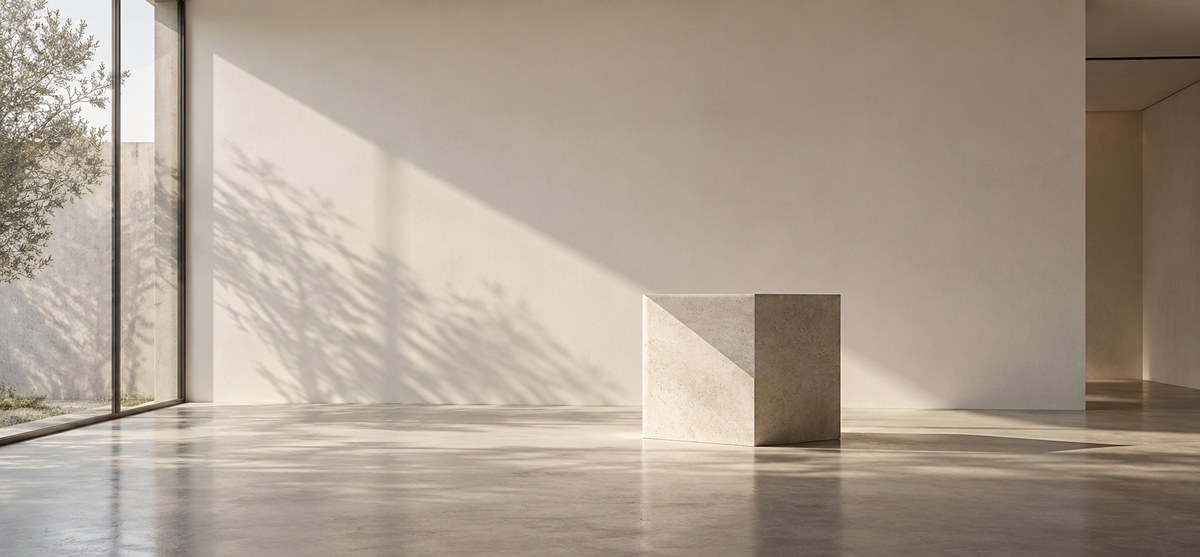
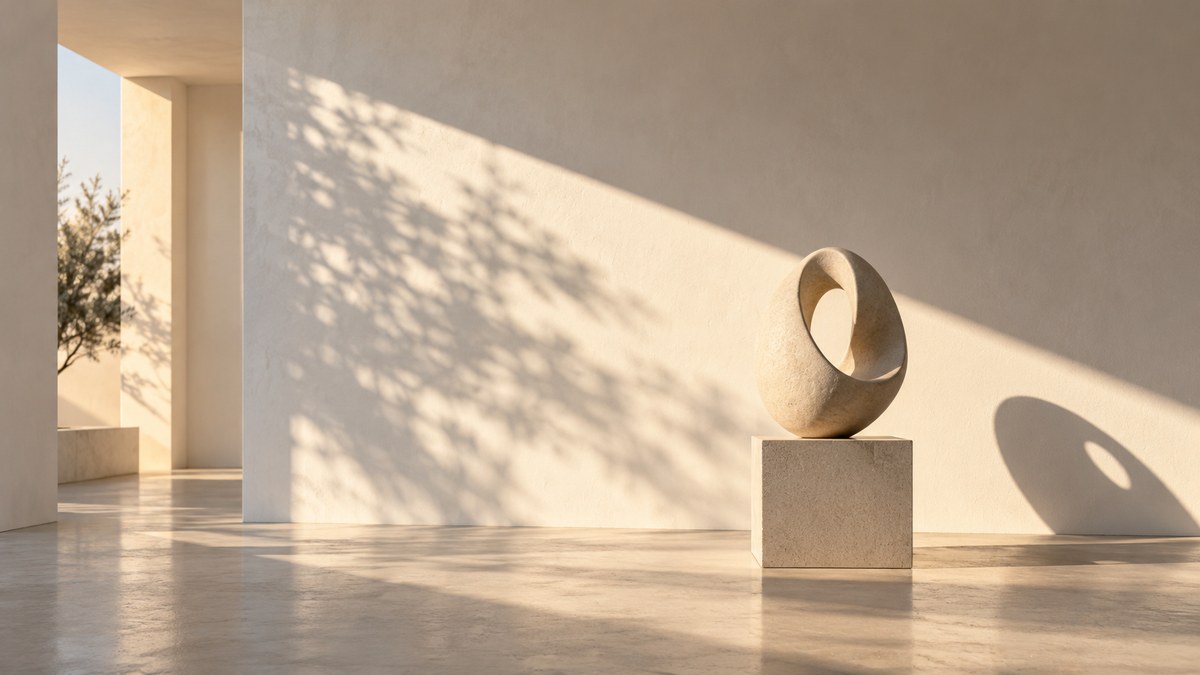
The shadow game: Pay attention to the shadows that the art casts on the wall. In minimalist pieces, the shadow becomes part of the composition. It extends the empty space into three dimensions.
-
The silence exercise: Look at the piece for two full minutes without speaking. Let the room be quiet. The lack of sound reinforces the visual emptiness.
-
The rotation method: Move the piece to a different wall or room. Notice how the emotional power of empty space in minimalist art changes depending on the surrounding light and furniture.
If you are curious about how light changes the experience, the guide on how to use shadow as a design tool in minimalist art spaces is a great next step.
Why Minimalist Art Feels Different in 2026
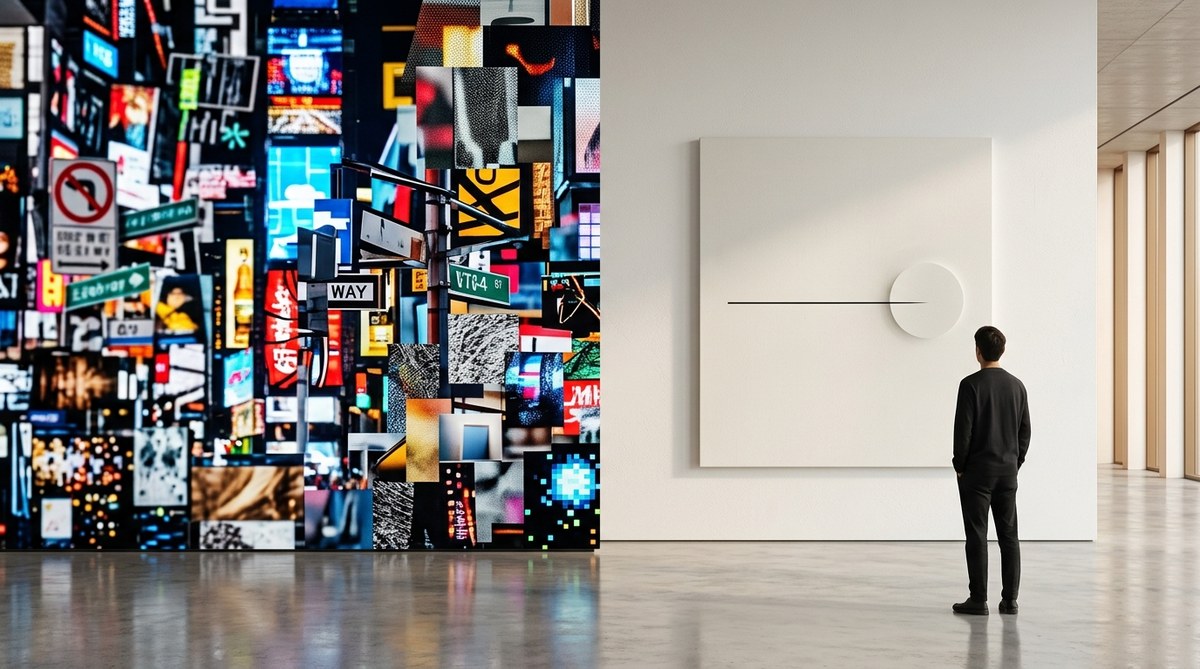
The world in 2026 is loud. Notifications, screens, constant input. Minimalist art has become more than a design choice. It is a psychological refuge.
People are using empty space in art to counterbalance the density of digital life. A room with a minimalist piece is a room that says “you can rest here.” The emotional power of empty space in minimalist art is not just about aesthetics. It is about mental health.
Galleries in 2026 are designing entire shows around this idea. They leave large gaps between pieces. They use single artworks in massive rooms. They want the space itself to be the experience.
For a look at how this trend is shaping exhibitions, check out what makes a minimalist art exhibition memorable: 4 key elements.
Bringing the Feeling Home
You do not need a gallery budget to use the emotional power of empty space. Start small.
Choose one wall in your home. Clear it. Hang a single piece of minimalist art. It can be a print, a photograph, or even a piece of fabric stretched over a frame. Then leave the wall bare. Do not add shelves, plants, or frames around it.
Live with it for a week. Notice how you feel when you walk past it. Notice if you pause. Notice if your breathing slows.
That is the power. It is not about the art itself. It is about the space the art creates.
For more on building a collection that tells a story, read how to build a minimalist art collection that tells a story without words.
The Quiet Revolution of Empty Space
The emotional power of empty space in minimalist art is not a trend. It is a return to something human. We need pauses. We need silence. We need room to breathe.
The next time you see a piece of minimalist art, do not ask “what does it mean?” Ask “how does this emptiness make me feel?” The answer will tell you everything.
Let the empty space do its work. It knows what to do.

Leave a Reply