
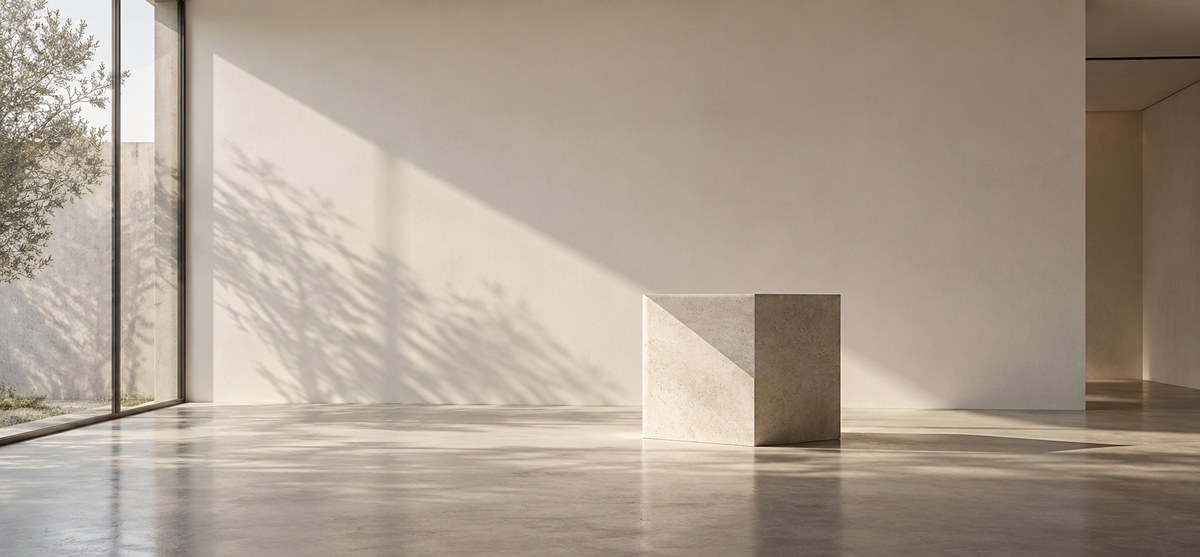
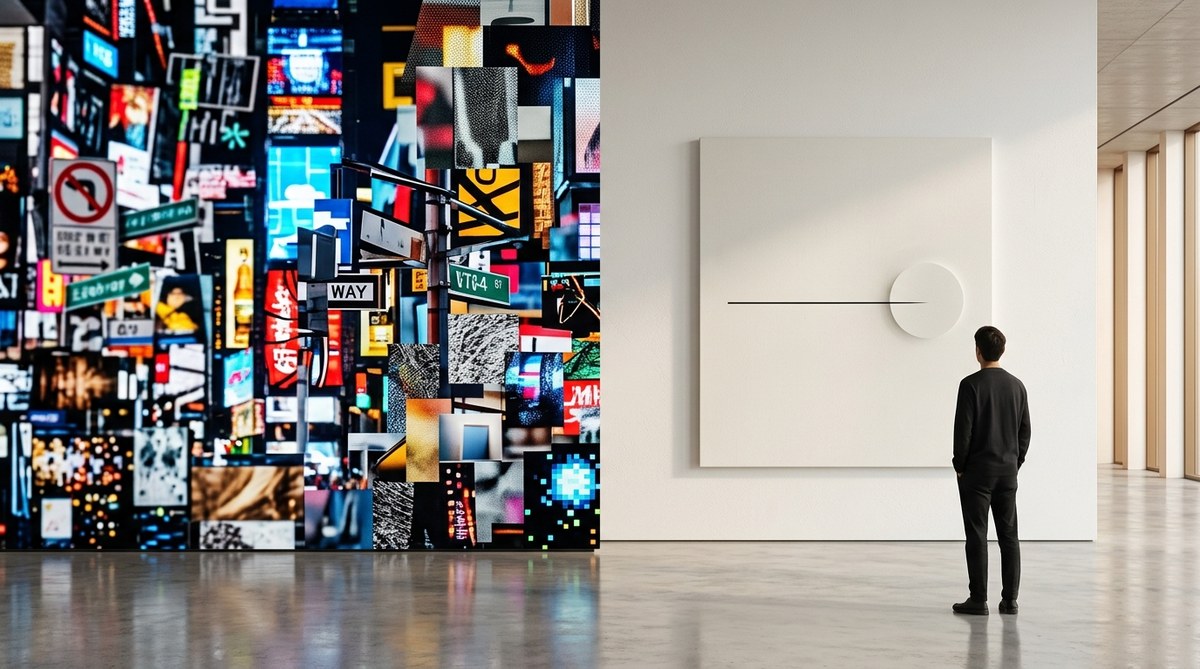
You walk into a white gallery room. On the wall hangs a single gray canvas. No brushstrokes. No dramatic scene. Your first thought is “I could have made that.” You feel a little bored. Maybe even a little cheated. That reaction is normal. But it also means you are missing the point. Minimalist art does not reward a glance. It rewards a gaze. It asks you to slow your breathing, quiet your inner voice, and stay still long enough for the work to speak. This is not passive viewing. It is active, deliberate, and surprisingly personal. Once you learn how to look, a gray canvas can feel as complex as a symphony.
Minimalist art is not about what is missing. It is about what remains. When you practice slow looking, you notice subtle shifts in texture, light, scale, and material. This article offers a step-by-step method to move past confusion and discover the quiet power of works that demand your time, not your speed.
The Real Barrier Is Speed, Not Simplicity
Most people dislike minimalist art because they judge it too fast. They walk past a Donald Judd box or a Agnes Martin grid and decide it is empty. But emptiness is the wrong word. The right word is space. And space, in minimalist art, is full of potential. The artist removed everything unnecessary so that the essential could breathe. If you scan the work like a social media feed, you will see nothing. If you pause, your own perception becomes part of the piece.
Think about the last time you watched a sunset. You did not demand it tell a story. You just watched the colors change. Minimalist art works the same way. It is an experience, not a narrative. The meaning lives in your relationship with the object, not in a hidden symbol.
What Is Slow Looking and Why Does It Matter?
Slow looking is a practice borrowed from art educators and museum curators. It means spending several minutes (sometimes an hour) with a single artwork without distraction. You do not read the wall label. You do not check your phone. You just look. The goal is to notice details that a glance would miss.
For minimalist art, slow looking is not optional. It is the only way in. Without it, you are reading the first sentence of a novel and declaring the book boring. With it, you start to see the artist’s intention, the material’s behavior, and your own emotional response.
A Practical Process for Slow Looking
Here is a numbered list of steps you can use the next time you stand in front of a minimalist piece. Try them at a museum, or even with a high-quality image on a screen.
- Set a timer for five minutes. Do not look away. Do not read anything. Just stand or sit in front of the work. Let your eyes wander. Notice where they land naturally.
- Describe only the physical facts. Say out loud or to yourself: “This is a white rectangle. It has a slight texture on the left edge. The paint is matte, not glossy.” Avoid interpretation. Stay with the concrete.
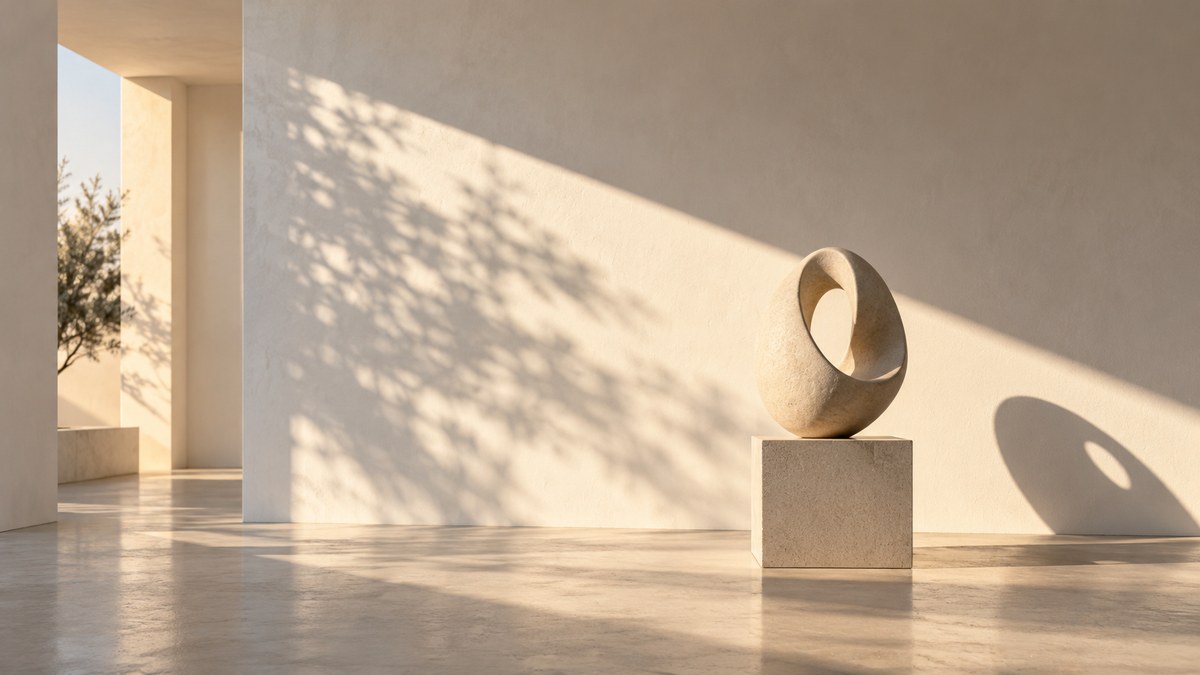
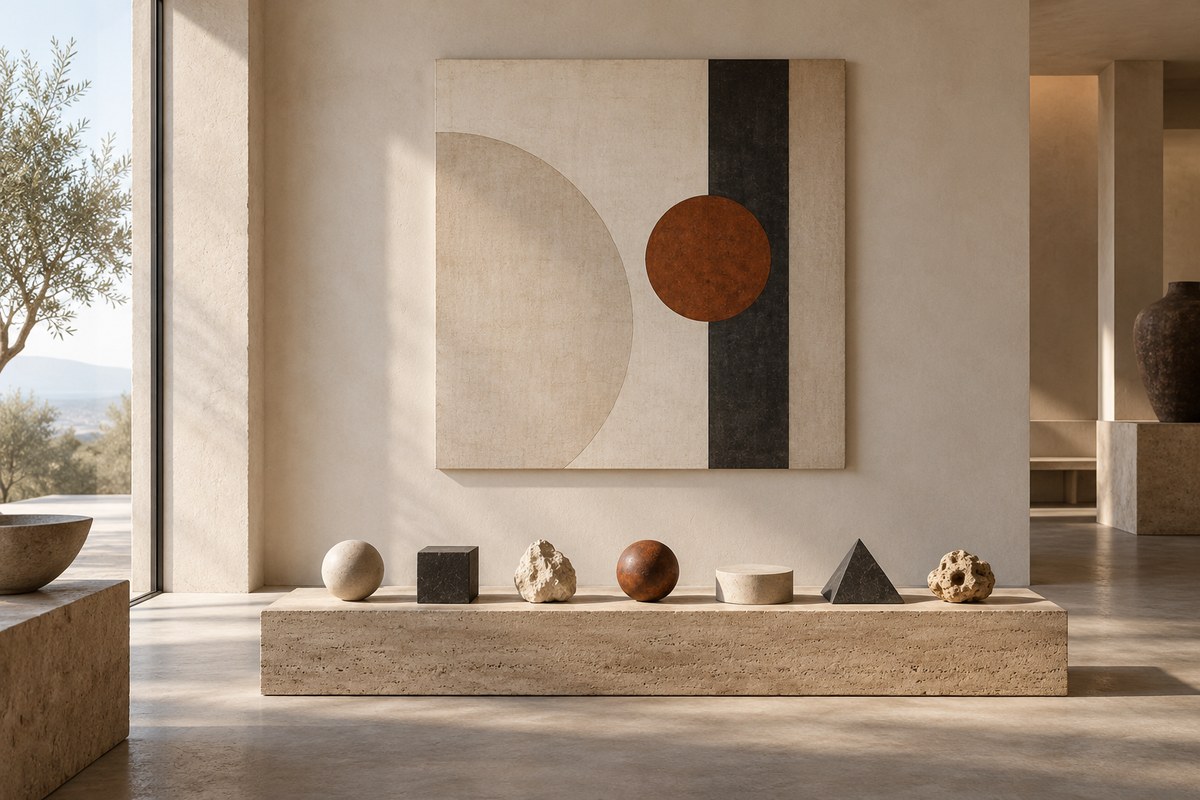
- Shift your attention to the edges. Where does the artwork end? How does it relate to the wall, the floor, the light? Minimalist art often uses the gallery space as part of the composition. The shadows cast by a sculpture are as important as the sculpture itself.
- Notice your body. Are you leaning in? Holding your breath? Feeling restless? Your physical reaction is data. It tells you how the work affects your nervous system.
- Ask one question: “What changed?” After five minutes, compare your first impression to your current one. Something will have shifted. That shift is the beginning of understanding.
Common Mistakes and Better Techniques
Many viewers give up before the work has a chance. The table below shows the typical mistake and the technique that leads to a richer experience.
| Common Mistake | Why It Fails | Better Technique |
|---|---|---|
| Looking for a hidden meaning | Minimalist art often has no symbolic content. You search and find nothing, then feel frustrated. | Focus on sensory data: texture, light, scale, color temperature. |
| Moving too fast between works | Your brain registers only the outline. You miss subtle variations in surface or hue. | Commit to at least three minutes per piece. Treat each one like a short film. |
| Reading the label first | The label pre-loads your brain with words. You stop seeing and start categorizing. | Look first for five minutes. Read the label only after you have formed your own impressions. |
| Judging the skill level | “I could do that” closes the door. It is a defense mechanism against feeling uncertain. | Ask “Why did this artist choose to make this?” instead of “Could I do it?” |
What the Experts Say
“Minimalist art is not about the object. It is about the experience of the object in space. The viewer completes the work by bringing their own presence, their own history, their own pace.” — Lucy R. Lippard, art critic and curator
This quote captures the shift from passive consumer to active participant. You are not a judge. You are a collaborator. The artwork is only half finished until you stand in front of it and give it your time.
How to Practice at Home
You do not need a gallery membership to develop slow looking skills. Try this at home.
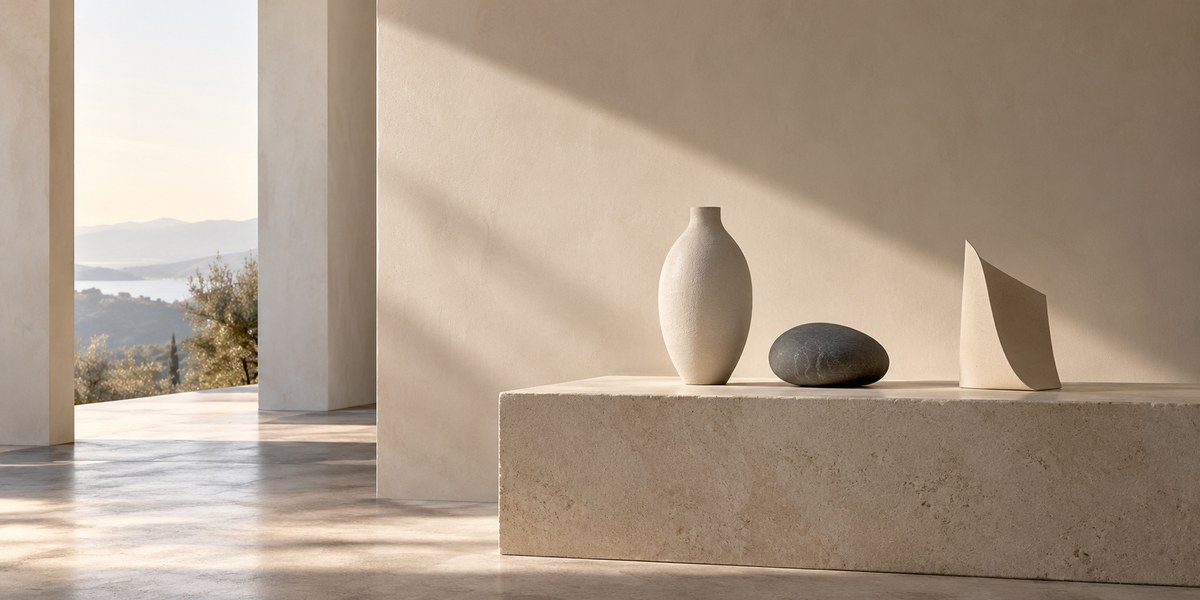
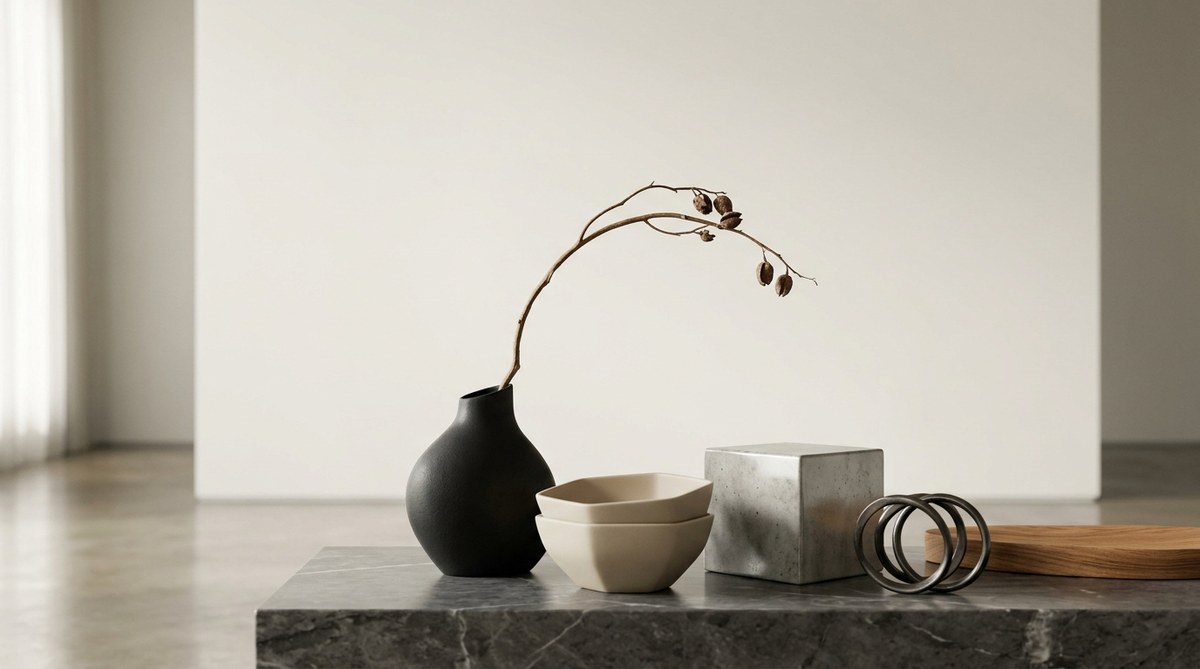
- Pick one object. A smooth stone. A ceramic bowl. A piece of wood.
- Place it on a plain surface with good natural light.
- Set a timer for five minutes.
- Use the numbered process from above. Notice how the light changes. Notice the shadows. Notice your own thoughts drifting.
This exercise trains your brain to value duration over novelty. It also reveals that even the simplest object has depth when you give it attention. Over time, this practice changes how you see everything, not just art.
The Role of Light and Space in Minimalist Work
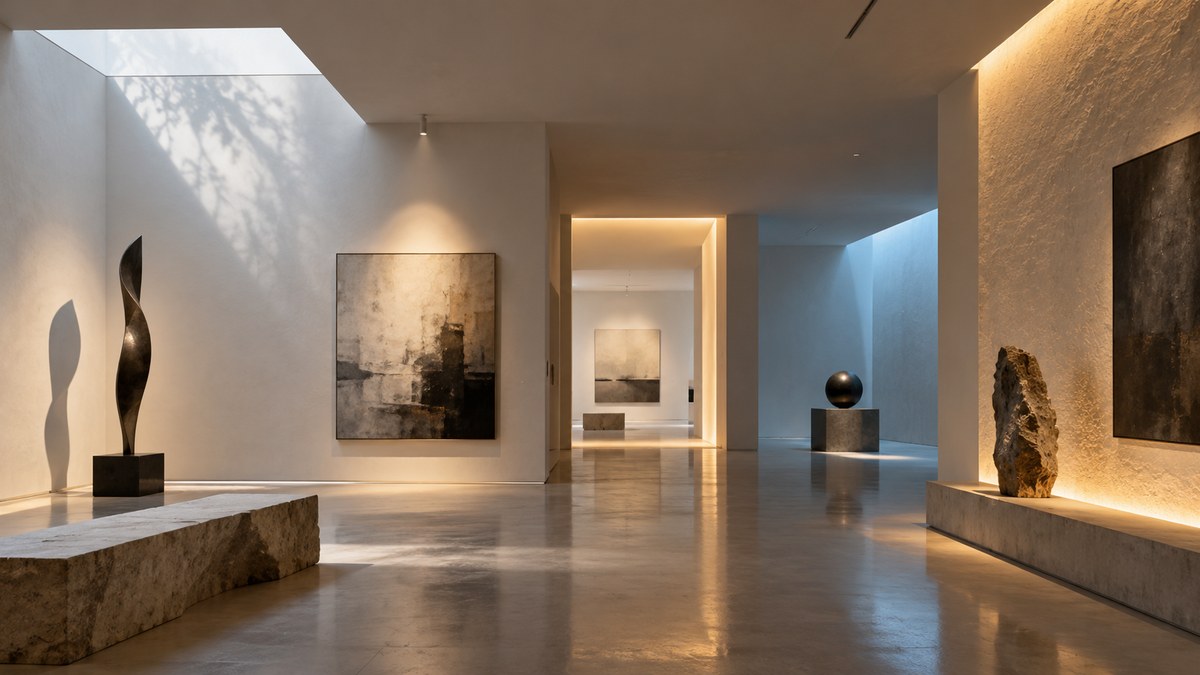
Minimalist artists like Dan Flavin and James Turrell used light as their primary material. A single fluorescent tube on a wall is not a joke. It is a study in how light changes the perception of a room. The tube itself is ordinary. What happens around it is extraordinary.
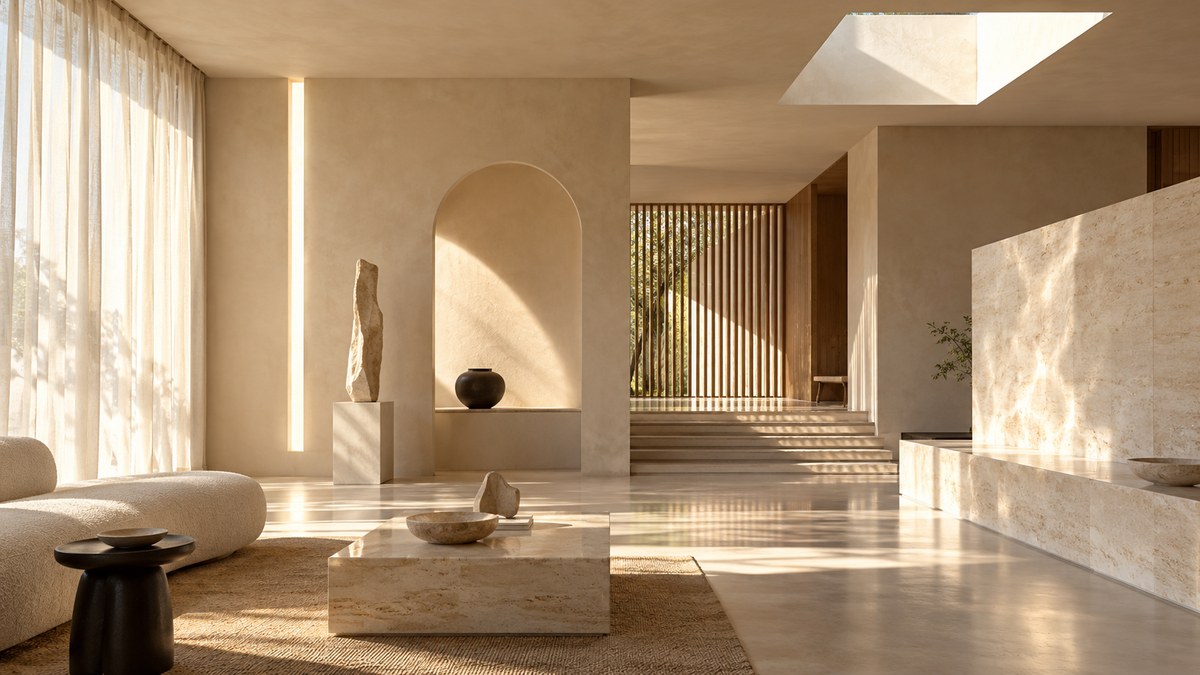
If you want to understand this better, read about the art of light and space in minimalist interior design. The principles are similar. Light becomes a sculptural element. Space becomes a material.
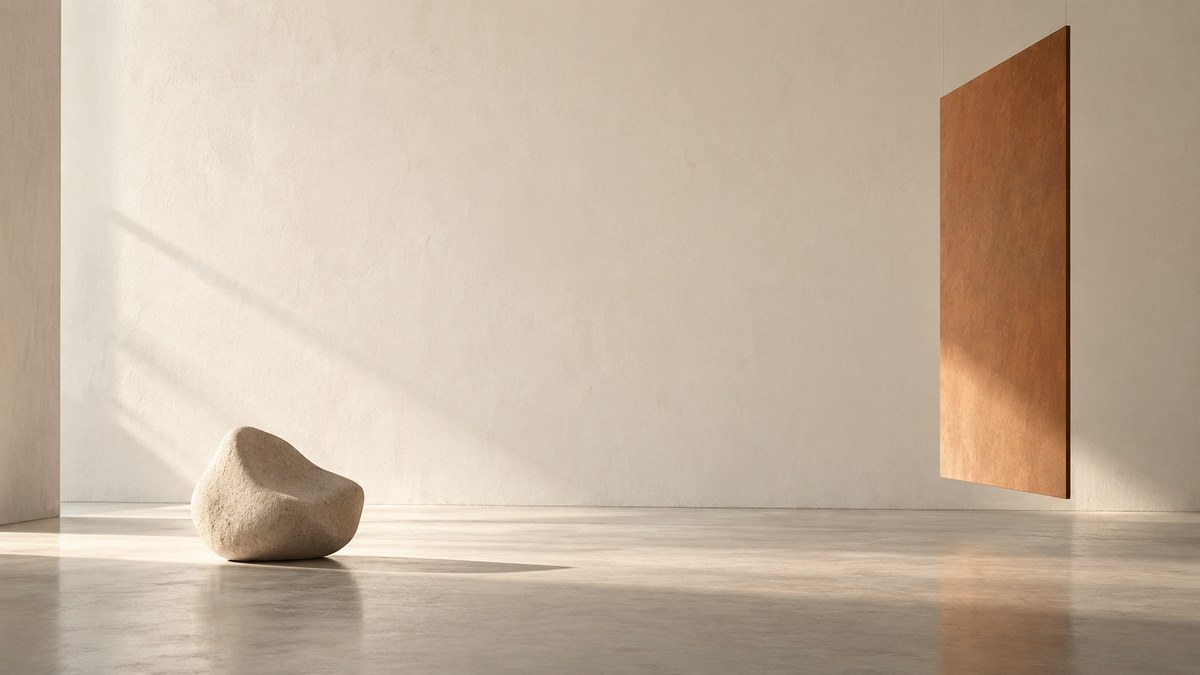
The same is true for negative space. When a sculptor leaves a large empty area, that void is not nothing. It is a shape. It pushes back against the solid forms. Learning to see negative space is a key skill for anyone who wants to discover the power of negative space in minimalist art.
Why Minimalist Art Works in a Distracted World
We live in 2026. Our attention is pulled in a thousand directions. Notifications. Alerts. Infinite scroll. Minimalist art offers the opposite. It offers stillness. It offers a single point of focus. That is why it feels so strange at first. Your brain is used to constant input. When the input drops, you feel uneasy. But if you sit with that unease, something shifts. Your mind settles. Your breathing slows. You start to notice the quality of the light, the texture of the paint, the silence of the room.
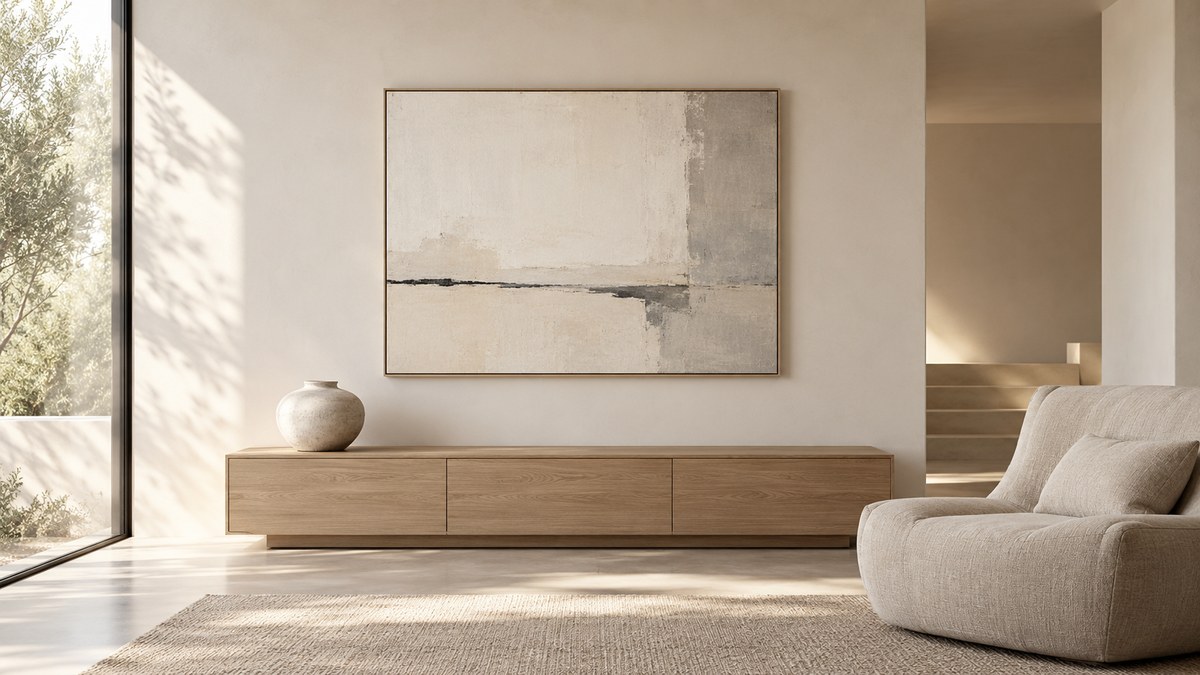
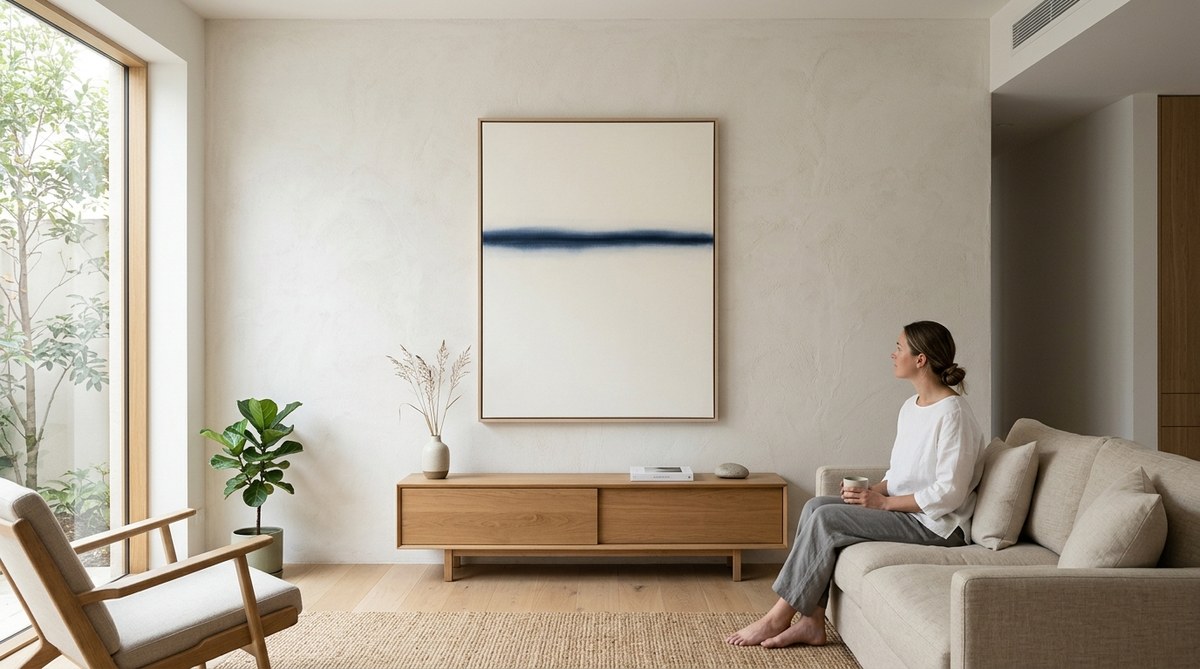
This is not a luxury. It is a reset. Many people now use minimalist art as a tool for mental clarity. They hang a single piece in their home and spend a few minutes each day looking at it without distraction. It works like a meditation anchor. If you are curious about this approach, you might enjoy learning how minimalist art cultivates mindful living spaces.
A Quick Reference: What to Look For
When you stand in front of a minimalist artwork, scan for these elements:
- Surface quality. Is it smooth, rough, matte, glossy? Run your eyes over it like a blind person reading braille.
- Color temperature. Is the white warm or cool? Is the gray blueish or brownish? These choices change the mood.
- Scale. How does the work relate to your body? Does it tower over you or sit below your eye level?
- Edge treatment. Are the edges sharp, soft, painted, raw? The edge is where the work meets the world.
- Shadow. Does the work cast a shadow? Is the shadow part of the composition?
- Time of day. If possible, visit the same piece at different times. Light changes everything.
The Quiet Reward of Staying
Minimalist art does not give you a story. It gives you an experience. That experience requires your participation. The reward is not a clever punchline or a hidden symbol. The reward is a moment of genuine presence. In a world that rewards speed, staying still feels radical. It also feels good.
The next time you see a minimalist painting or sculpture, do not walk away. Stay for five minutes. Let your mind wander. Let your eyes adjust. You might not love what you see. But you will see more than you did before. And that is the whole point.
How Minimalist Art Changes the Way You See Everything
Once you practice slow looking on minimalist art, the skill transfers. You start noticing details in architecture, in nature, in everyday objects. The grain of a wooden table. The way light falls on a wall at 4 PM. The silence between two sounds. Minimalist art trains your attention. It makes you a better observer of the world.
If you want to take this further, consider transforming your living space with minimalist art and light. You can apply the same principles of subtraction and focus to your home. The result is a space that feels calm, intentional, and alive.
The Art of Seeing Slowly
Minimalist art is not for everyone. But it is for anyone willing to slow down. It asks for your time and gives you back a sharper awareness. It is a practice, not a product. And like any practice, it gets easier the more you do it.
Next time you encounter a piece that seems boring, pause. Take a breath. Look at the edge. Look at the light. Look at your own reaction. That moment of hesitation is where the art begins. Give it a few minutes. You might be surprised by what you find.

Leave a Reply