
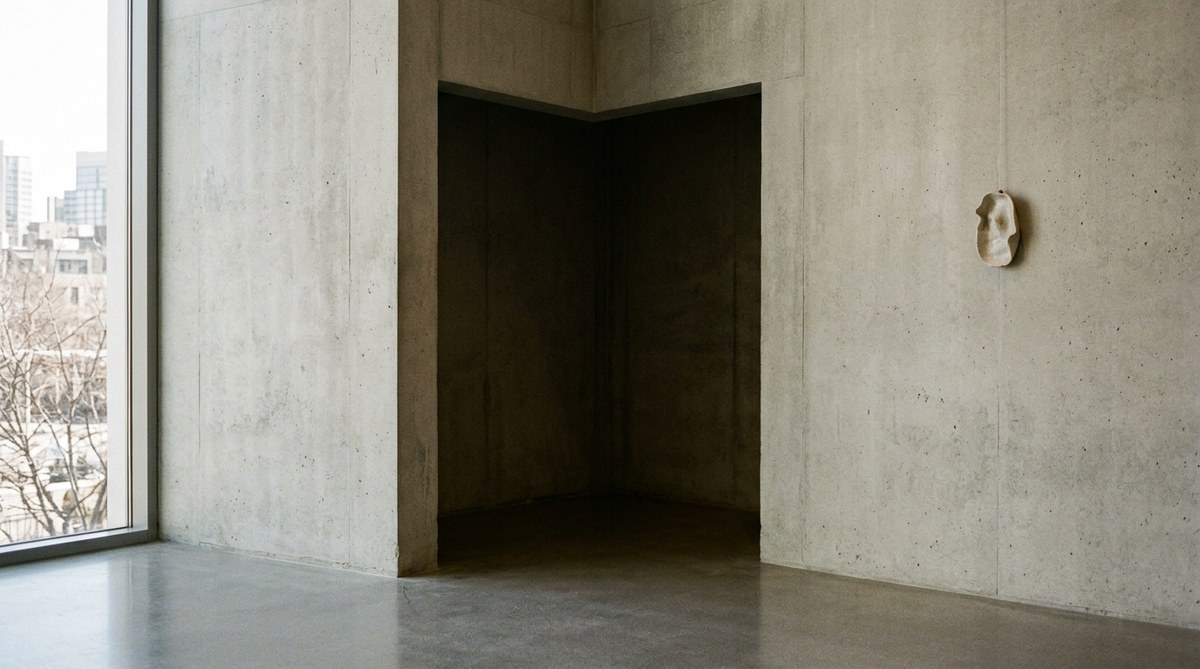
An empty corner in your home does not have to feel like a design failure. In fact, that unoccupied space might be the most powerful tool you have not used yet. For years, we have been taught to fill every surface, every wall, every corner. But a major shift is happening in 2026. Designers are now treating empty space as a deliberate feature, not an oversight. This is not about stark, cold rooms. It is about giving your eyes and your mind a place to rest. When done right, negative space interior design 2026 creates a sense of calm that no amount of furniture can match.
Negative space is not wasted space. In 2026, intentional empty corners act as visual breathing room, reducing mental clutter and improving focus. The trend shifts from filling every gap to curating what you leave out. Master this technique by understanding proportion, light, and the emotional weight of absence in your home.
Why Empty Corners Matter More Than Ever
Think about the last room you walked into that felt overwhelming. Chances are, every inch was occupied. A sofa, a side table, a lamp, a plant, a rug, a stack of books. Your brain had to process all of it at once. That is exhausting. Negative space interior design 2026 gives your brain a break. It offers a visual pause. An empty corner acts like a period at the end of a sentence. It lets the rest of the room breathe.
The trend is driven by a cultural shift toward intentional living. People are tired of the noise. They want homes that feel like sanctuaries. Designers are responding by leaving more room for nothing. It sounds counterintuitive, but it works. The most luxurious homes in 2026 are not the most filled ones. They are the most considered ones.
The Emotional Weight of an Unoccupied Corner
An empty corner does not feel empty if it is designed with purpose. It feels like a gift. It says, “You do not have to look at something right now.” That is a rare luxury in a world where screens and objects compete for your attention constantly.
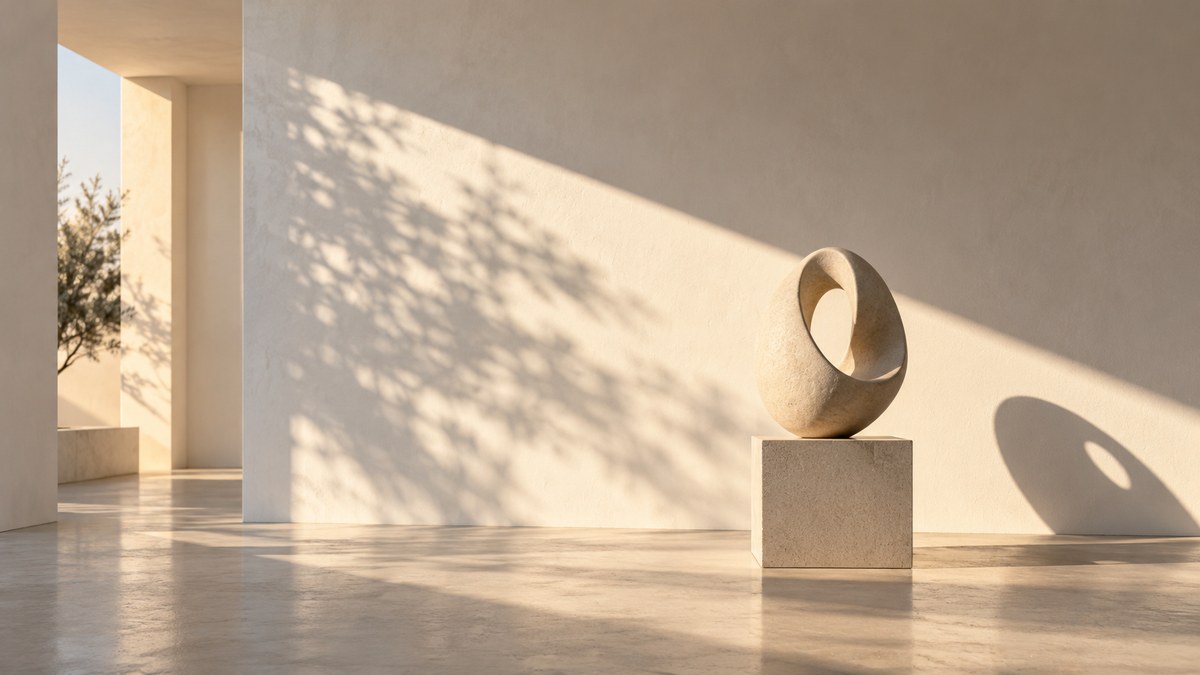
When you leave a corner bare, you are making a statement. You are saying that the space itself has value. The light that falls on that empty floor becomes part of the decor. The shadow that stretches across the wall becomes a living sculpture. This is the philosophy behind mastering spatial harmony. It is not about what you add. It is about what you choose to leave out.
How to Use Negative Space Interior Design 2026 in Your Home
You do not need to renovate your entire house. Start small. Pick one corner in a room that currently holds a random chair, a pile of mail, or a plant that never thrived. Clear it out. Leave it empty for a week. See how it feels.
Here are three steps to get started with negative space interior design 2026:
- Assess the flow. Stand in the doorway of the room. Notice where your eye lands first. If it jumps from object to object without a break, you need a negative space zone. Identify the corner or wall that receives the least foot traffic. That is your candidate.
- Remove everything. Take out all furniture, decor, and clutter from that zone. Clean the floor and walls. Let the space sit empty for at least three days. This helps you see the bones of the room without the visual noise.
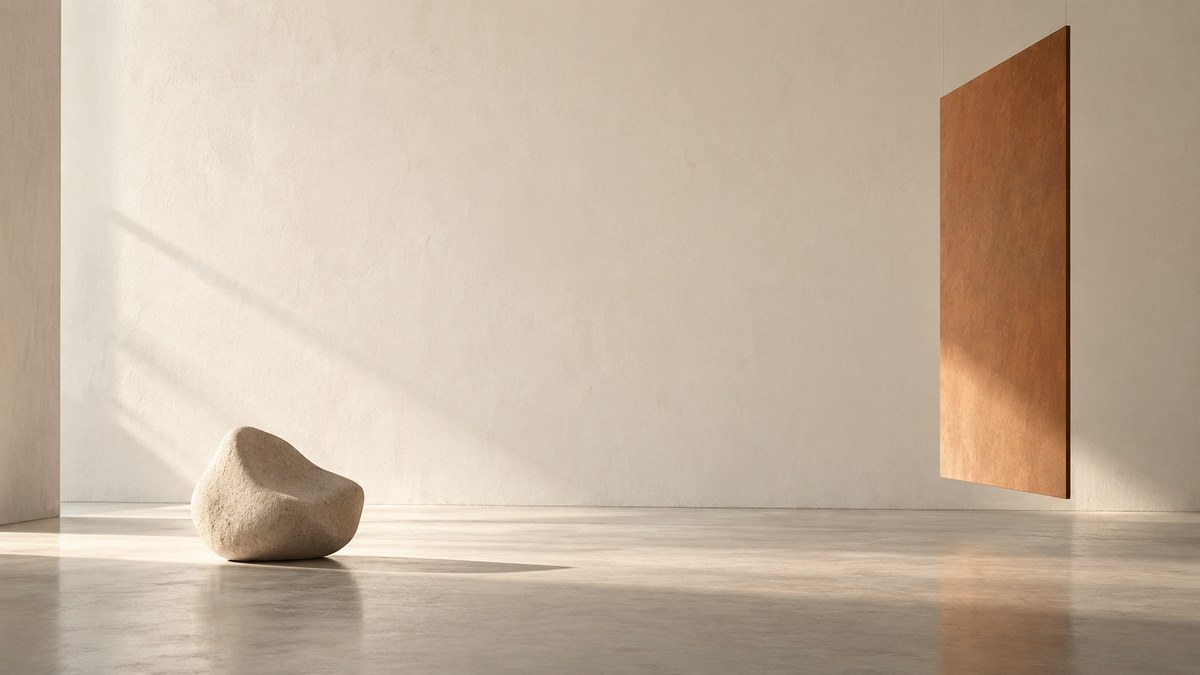
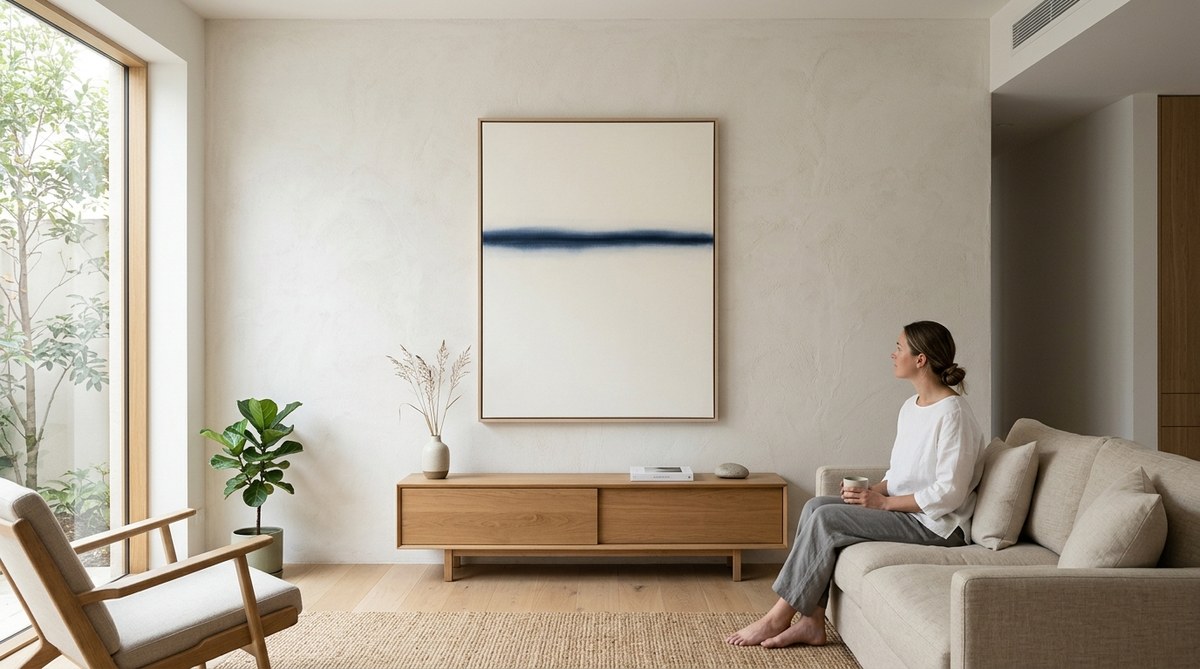
- Add one intentional element (or none). You can leave the corner completely bare. Or you can add a single element, like a low-profile floor lamp or a single piece of art on the wall. The key is restraint. Do not add a second thing.
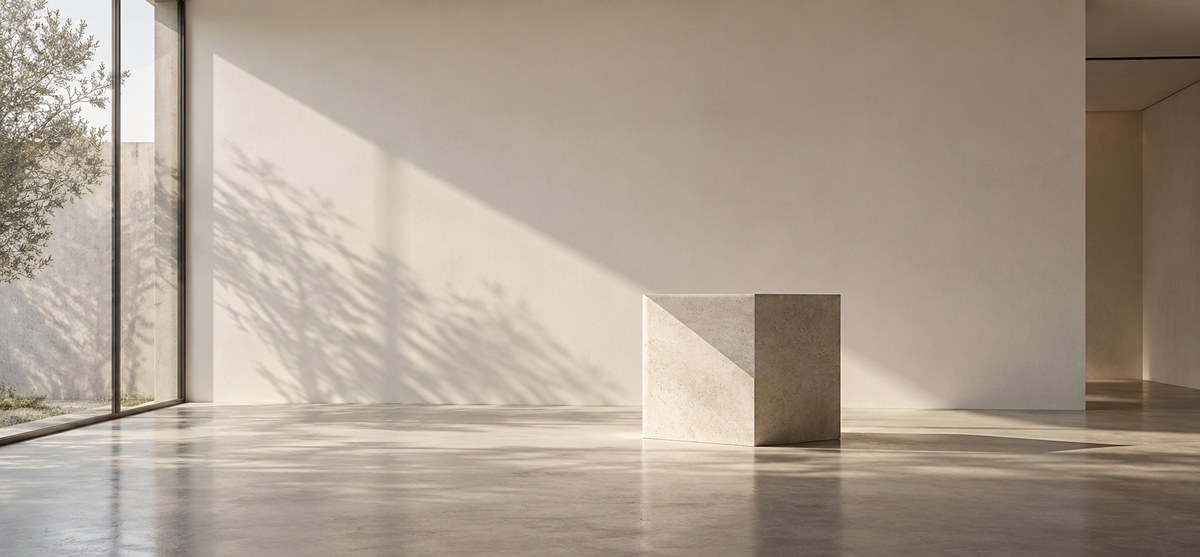
For those who want to go deeper, consider how light and shadow work together in these empty zones. A bare corner that catches the morning sun becomes a daily meditation spot without any furniture at all.
Techniques vs. Mistakes: A Quick Reference
Here is a table that breaks down what works and what does not when applying negative space interior design 2026.
| Technique | Common Mistake |
|---|---|
| Leave a corner completely bare for visual rest | Filling the corner with a large plant “just because” |
| Use one statement piece in a large empty area | Clustering multiple small objects in the same zone |
| Let natural light define the empty space | Adding artificial light that overpowers the quiet |
| Keep the floor clear for a clean sightline | Placing a rug that anchors the emptiness to one spot |
| Use negative space to frame a view or window | Blocking the window with furniture that crowds the light |
What the Experts Say
“The most common mistake I see is people treating empty space as a problem to solve. They rush to fill it with a chair or a table. But empty space is not a gap in your design. It is the design. In 2026, we are finally treating absence as an active ingredient, not a passive leftover.” — Salankar Pashine, Principal Designer at Salankar Pashine & Associates
This perspective shifts everything. Instead of asking “What should I put here?” you start asking “What if I put nothing here?” That question opens up a new way of seeing your home.
Common Mistakes to Avoid
Even with good intentions, it is easy to fall into traps. Here are the most common ones people make when trying to use negative space interior design 2026.
- Adding a single object that is too small. A tiny vase in the middle of a large empty corner looks accidental. It makes the space feel neglected rather than intentional. If you add something, make sure it has enough visual weight to hold the space.
- Using the empty corner as storage overflow. That bare corner should not become a dumping ground for bags, shoes, or boxes. Negative space must be protected. It is a sacred zone.
- Forgetting about scale. A large empty wall next to a tiny side table looks unbalanced. The empty space itself needs to feel proportional to the room. If the wall is huge, let it stay huge. Do not try to break it up with small decor.
- Ignoring the floor. The floor is part of the negative space. If the floor is cluttered with cords, toys, or pet bowls, the empty wall above does not matter. Keep the ground clear.
For a deeper look at how object placement affects the eye, consider how each item in your room either supports or disrupts the quiet zones.
The Role of Furniture in Negative Space
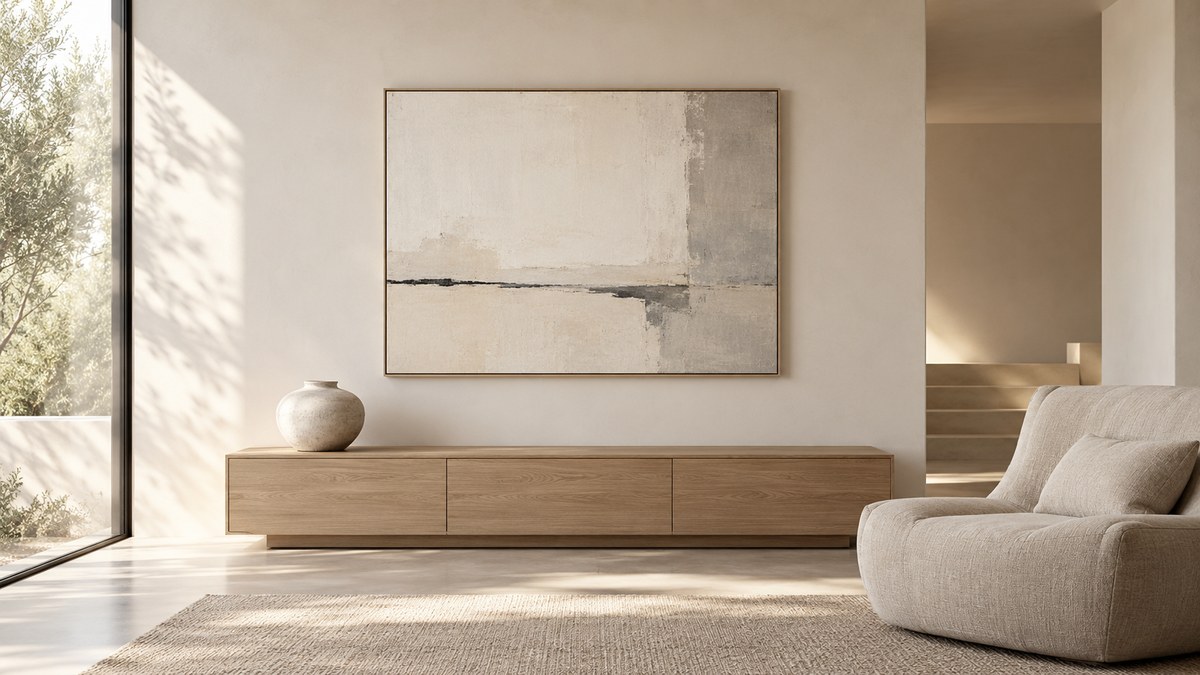
You might think that negative space means no furniture. That is not true. It means furniture that respects the emptiness around it. Choose pieces that have a light visual footprint. A sofa with exposed legs, for example, lets light pass underneath. That creates negative space below the furniture itself.
Here is a list of furniture characteristics that work well with negative space interior design 2026:
- Low-profile silhouettes that do not dominate the room
- Open bases that show the floor beneath
- Neutral colors that blend rather than shout
- Singular functions (a chair that is just a chair, not a storage unit)
- Natural materials like wood, linen, or stone that age gracefully
When you choose furniture this way, the empty corners feel like a natural extension of the design rather than an afterthought. You can see this principle in action when you transform your space with minimalist lighting ideas, where the light itself becomes the object and the corners remain quiet.
Why 2026 Is the Year of the Empty Corner
Several trends are converging to make negative space interior design 2026 a defining movement. First, the rise of remote work means people spend more time at home. They want those homes to feel restful, not chaotic. Second, the cost of living has encouraged people to buy less and choose better. Empty corners cost nothing. They are the most budget-friendly design element available. Third, there is a growing appreciation for Japanese and Scandinavian design philosophies, both of which treat empty space as essential.
Designers are also moving away from the “maximalist” trend that dominated the early 2020s. People are tired of stuff. They want clarity. An empty corner provides that clarity without any effort. It is a design choice that asks nothing of you except to be left alone.
How to Maintain Negative Space Over Time
Keeping a corner empty is harder than it sounds. Life creeps in. A bag gets dropped. A book gets set down. A child leaves a toy. Before you know it, the negative space is gone.
Here are a few habits to protect your intentional empty zones:
- Designate a “no drop” rule. That corner is not a surface. It is a space. Treat it like a gallery zone.
- Reset the room weekly. Every Sunday, walk through your home and remove anything that has migrated into the negative space zones.
- Photograph the room when it is clean. Keep a photo on your phone as a reminder of how the space should look. This makes it easier to notice when things drift.
For more guidance on maintaining a clear visual environment, look at how minimalist art cultivates mindful living spaces. The same principles apply to your empty corners.
The Quiet Luxury of Less
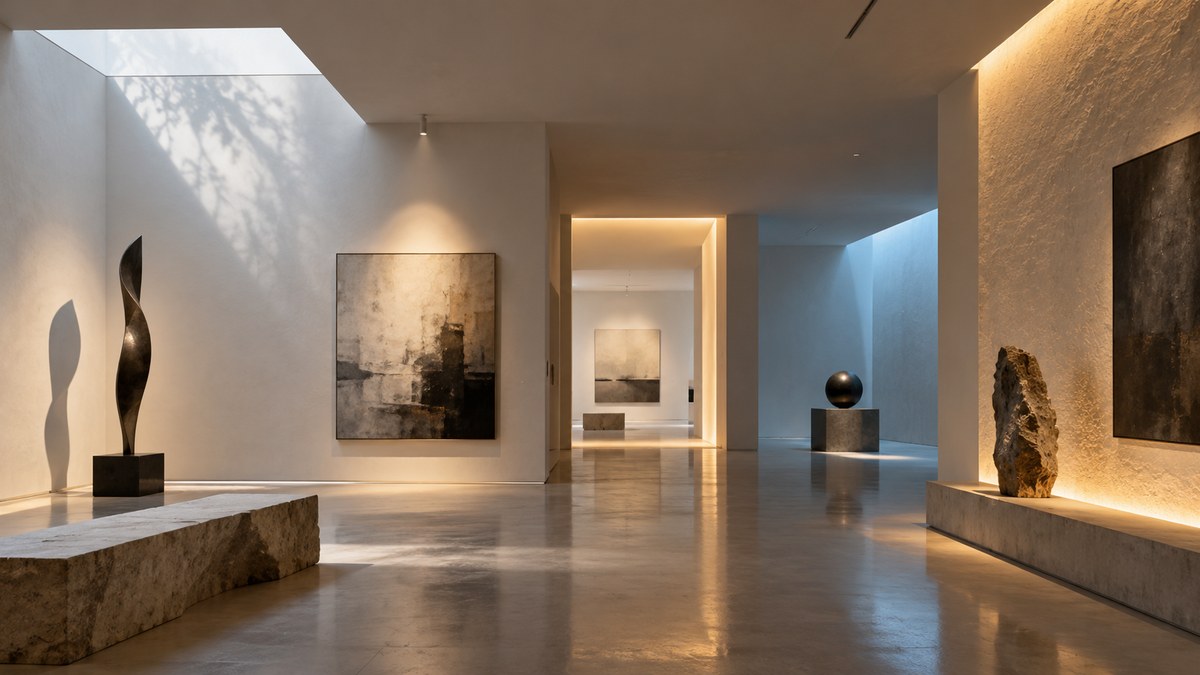
There is a reason why high-end hotels and galleries use negative space so effectively. It signals confidence. It says, “We do not need to impress you with things. The space itself is enough.” You can bring that same feeling into your own home. It does not require a big budget. It only requires discipline.
Start with one corner. Clear it. Leave it. Notice how it changes the way you feel when you walk into the room. That is the emotional weight of unoccupied space. It is not heavy. It is relieving.
Putting It All Together
Negative space interior design 2026 is not a trend you follow for a season. It is a mindset shift. It asks you to trust that less can be more. It asks you to see the absence as a presence. The next time you look at an empty corner in your home, do not reach for a catalog. Reach for the stillness. Let that corner be a reminder that you do not need to fill every gap. Some gaps are meant to stay open.
Take a walk through your home today. Find one corner that you have been ignoring. Clear it out. Leave it empty for one week. See how it feels. Then decide if you want to fill it again. You might be surprised by what you choose.

Leave a Reply