
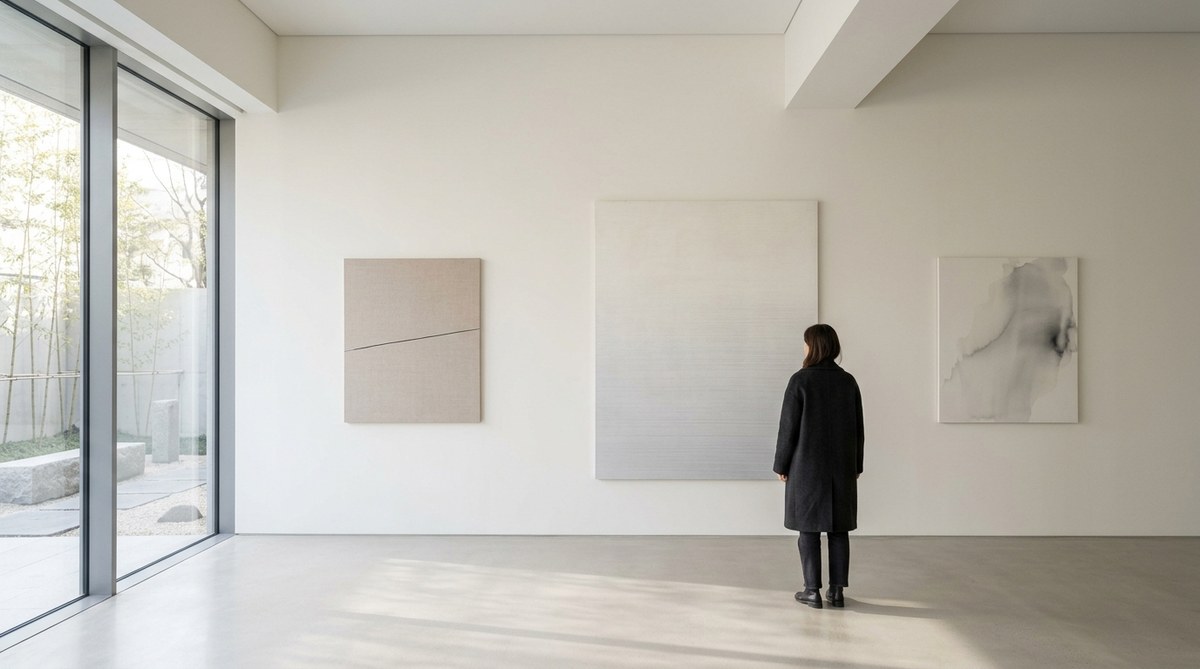
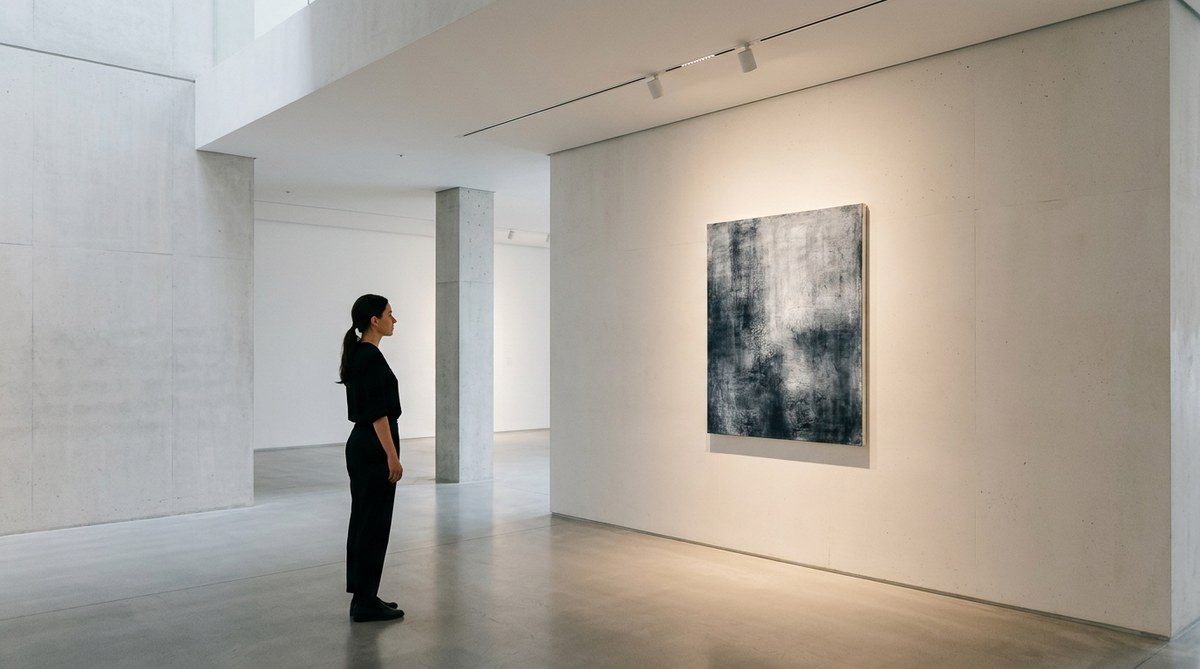
Picture this: you walk into a room with a single, large canvas of muted earth tones against a white wall. No clutter. No competing patterns. Just space. Your shoulders drop. Your breathing slows. That feeling is not accidental. Minimalist art has a unique ability to quiet the mind, and in 2026, as our lives grow louder and more digital, bringing that calm into our physical spaces has never been more valuable. Home decor enthusiasts and mindfulness seekers alike are turning to simple, intentional artwork to create sanctuaries of clarity. But what is it about a blank canvas, a single line, or a soft gradient that makes us feel so at ease?
Minimalist art calm works because it gives your brain a break from visual overload. By stripping away unnecessary details, it reduces cognitive load and frees mental space for reflection. This article covers the science behind that effect, practical steps to bring the look home, and common mistakes to avoid. You will learn how to choose pieces that support mindfulness and transform any room into a serene escape.
The Science Behind the Stillness
Your brain processes visual information constantly. Every pattern, color, and object demands a tiny piece of your attention. When a room is packed with decor, even if it looks stylish, your mind is working overtime. Minimalist art does the opposite. It reduces the number of elements your brain has to interpret, lowering what psychologists call cognitive load.
A study from Princeton University found that visual clutter can impair focus and increase stress hormones. When you remove the extraneous, your brain can relax. That is why minimalist art calm is not just a trend. It is a biological response. Think of it as a visual deep breath.
The principle of pareidolia also plays a role. Our brains are wired to find meaning in randomness. A simple abstract form allows you to project your own interpretation, which can be meditative. You stop trying to “figure out” the art and start experiencing it.
How Minimalist Art Reduces Mental Noise
We live in a world of constant notifications, open tabs, and busy schedules. Our homes should be the antidote, not an extension of the noise. Minimalist art acts as a visual anchor. It gives your eyes a place to rest.
Three Key Ways It Works
- Reduced sensory input: Fewer colors, shapes, and textures mean fewer distractions.
- Negative space as a pause: The empty areas in a composition are not wasted. They give your gaze a place to land, much like a rest in music.
- Unambiguous simplicity: When an artwork is stripped down, there is no narrative to decode. You can simply be with it.
This aligns with the Japanese concept of ma, or the space between things. The gap is not empty. It is full of potential. Learn more about discovering the power of negative space in minimalist art to see how intentional emptiness can reshape your environment.
What the Research Says
Neuroscientists at the University of California found that viewing minimalist compositions activates the default mode network, the part of the brain associated with daydreaming and self-reflection. This is the same network that lights up during meditation. In other words, sitting with a calm piece of art can be a form of mindfulness.
A 2025 study in the Journal of Environmental Psychology reported that participants in rooms with minimalist art scored 23% lower on self-reported anxiety scales compared to those in rooms with complex, busy artwork. The effect was strongest when the artwork used muted, earthy palettes.
Practical Steps to Create Your Own Calm Art Space
Ready to bring that feeling home? Follow these five steps to curate a space that supports clarity and peace.
-
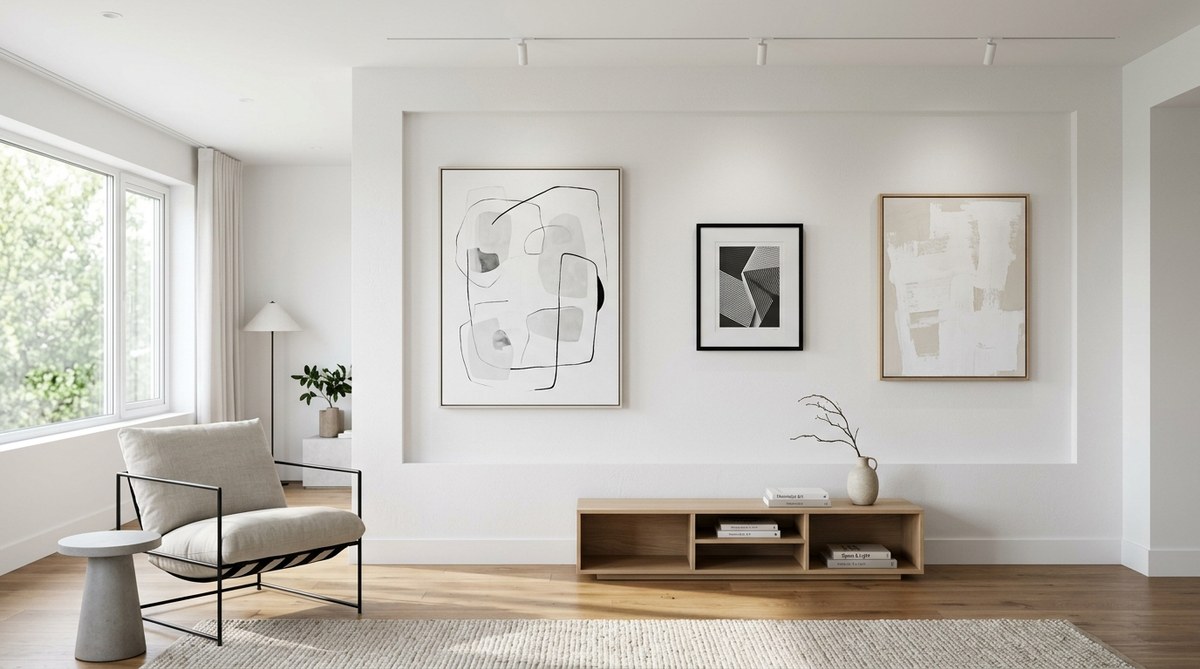
Start with a single focal point. Choose one piece of minimalist art that you truly love. Avoid the urge to fill the wall. Let the art breathe. A large canvas with a soft gradient or a single geometric shape works wonders.
-
Choose a neutral or tonal color palette. Colors affect mood. Soft whites, greiges, earthy ochres, and muted blues are known to lower heart rate. Stay away from high-contrast or screaming hues.
-
Consider the size and scale. Oversized art can feel bold and calming at the same time, because it eliminates the need for multiple pieces. A 48-inch horizontal piece above a sofa creates a strong, quiet statement.
-
Use natural light to your advantage. Position artwork where it catches indirect sunlight. The changing light throughout the day adds a living quality without clutter. For more ideas, read about the art of light and space in minimalist interior design.
-
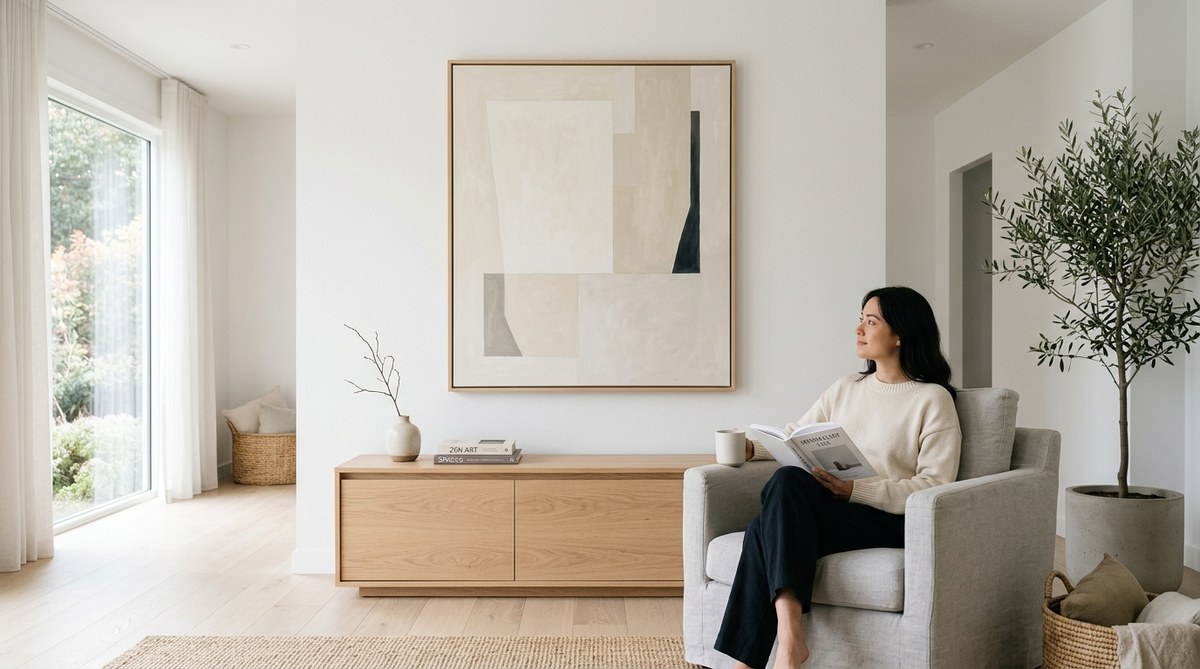
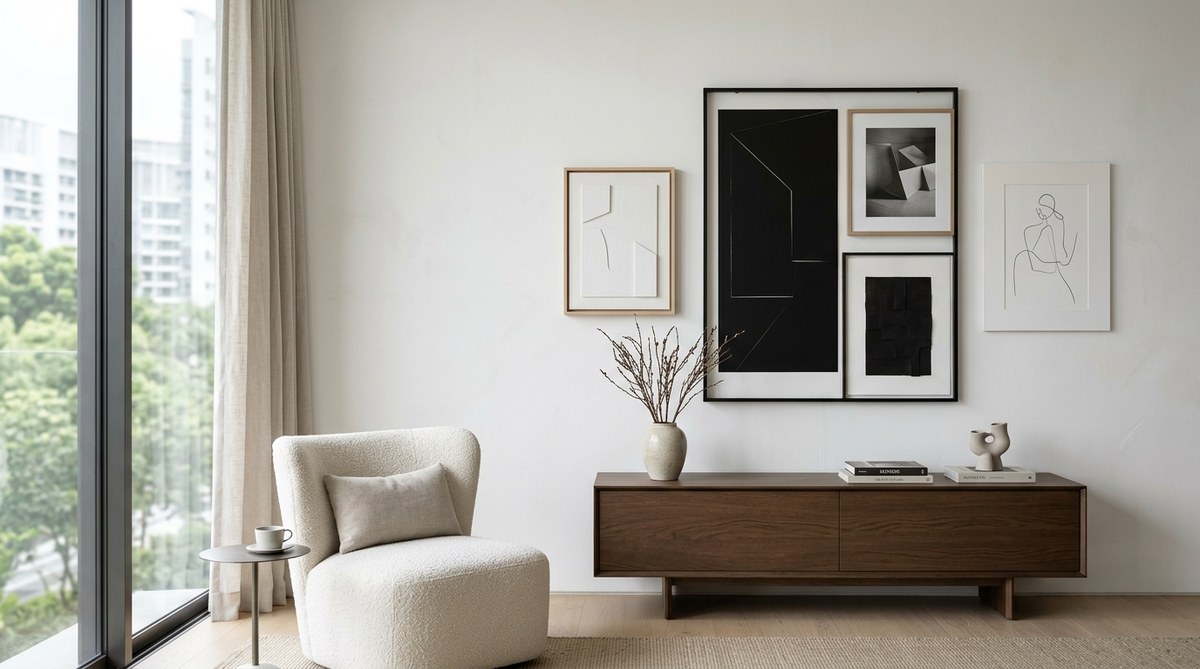
Edit everything else around it. The art is the star. Keep surrounding surfaces clean. A single plant or a small ceramic object can complement the work without stealing its stillness.
Common Pitfalls and How to Avoid Them
Even with good intentions, it is easy to slip into habits that undermine the calming effect. Here is a table of common mistakes and their solutions.
| Mistake | Why It Hurts Calm | Simple Fix |
|---|---|---|
| Hanging art too high | Forces the eye to look up, breaking the sense of ease | Center the piece at eye level (57-60 inches from floor) |
| Cluster of small frames | Creates visual noise, defeats the purpose | Use one large piece or a tight grid of 2-3 similar pieces |
| Bright, jarring colors | Stimulates the brain, increases alertness | Stick to muted, earthy, or monochromatic tones |
| Ignoring wall texture | Busy wallpaper or brick competes with the art | Paint walls a solid, light color; leave texture for accents |
| Overloading the room | Furniture and decor fight for attention | Limit the room to 3-5 functional items; let the art anchor |
Expert Advice: “A calm space is not about having nothing. It is about having only what matters. When you choose art, ask yourself: does this piece slow me down or speed me up? If it speeds you up, it is not minimalist art. It is just minimalistic decoration.”
– Lena Hart, interior psychologist and author of The Quiet Room
The Role of Negative Space and Texture
Minimalist art is not just about what is there. It is also about what is not. When you hang a piece that includes generous negative space, you invite your eyes to wander without pressure.
- Negative space allows your brain to fill in the blanks, which feels creative and restful.
- Subtle texture (like a brushstroke or raw canvas) adds warmth without complexity.
- Pairing smooth, matte surfaces with soft textiles creates a layered but uncluttered feel.
For a deeper look at how spatial harmony works in practice, check out mastering spatial harmony through minimalist art and design. It explains how to balance empty and filled areas for maximum calm.
How to Choose the Right Piece for Your Room
Not all minimalist art is the same. The right piece depends on the mood you want to support.
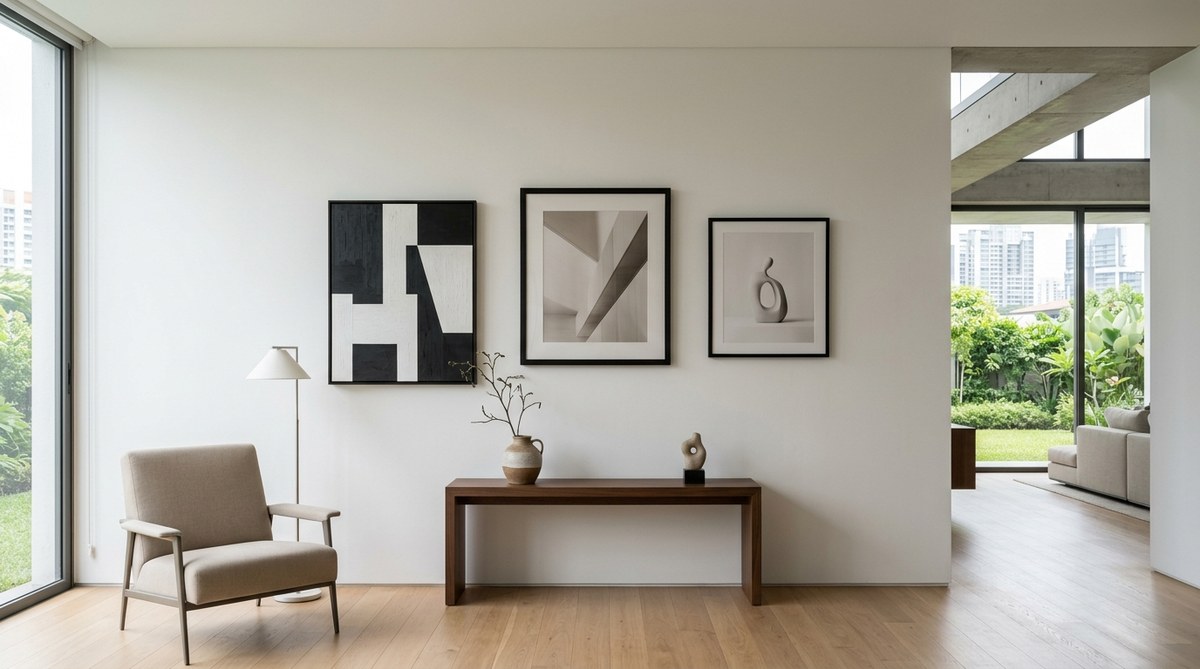
For a bedroom, go with ethereal, soft washes of color. Think pale lavender or dusty rose on canvas. Avoid sharp lines. For a living room, a strong geometric abstraction in charcoal and cream can ground the space. For a home office, a piece with a single bold vertical line on a blank field can symbolize focus and forward motion.
When in doubt, look for pieces that give you a sense of openness. If you feel your mind quieting when you look at it, that is your cue.
Bringing It All Together: A Space That Supports Your Wellbeing
Minimalist art calm is not a luxury. It is a tool for mental health. By intentionally choosing art that reduces cognitive load, you create a home that actively helps you unwind. The principles are simple: one piece, neutral tones, plenty of space, and nothing that demands constant interpretation.
Start small. Pick one corner of your home, maybe a reading nook or the wall opposite your bed. Hang a piece that speaks to you in its simplicity. Then live with it for a week. Notice how your body responds. Notice how your thoughts slow down.
That is the quiet power of minimalist art.
For more guidance on creating intentional spaces, read how minimalist art cultivates mindful living spaces. And if you are ready to curate a full gallery at home, the article how to curate a minimalist gallery at home offers step by step advice.

Leave a Reply