
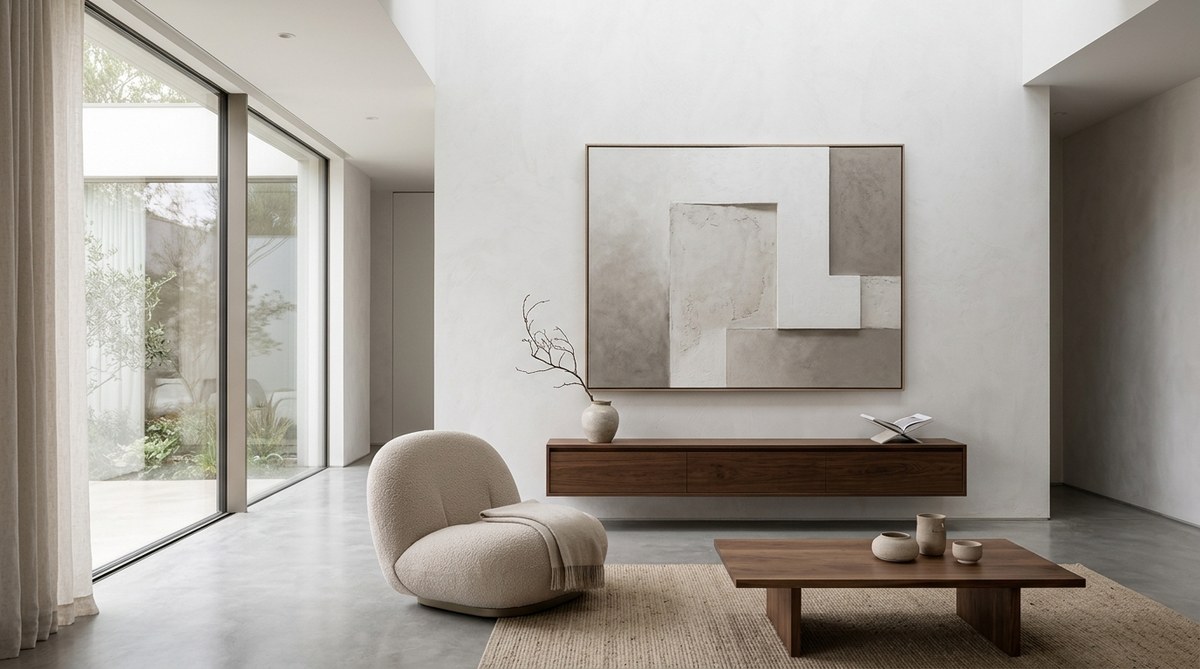
Picture a room that feels bigger than its walls. A space where your eyes rest, not race. That is the promise of minimalist art guiding the future of interior design. In 2026, more homeowners are turning away from cluttered decor and toward pieces that do more with less. Minimalist art is not just a style. It is a philosophy that pushes us to ask: what can I remove to make this room better? As the world gets louder, our homes become sanctuaries. And the art we choose sets the tone for that calm. This article shows how minimalist art directly shapes the future of interior design, with practical steps you can use today.
Minimalist art is shaping future interior design by shifting focus from decoration to intention. You will learn how negative space, natural materials, and honest forms create rooms that feel timeless and personal. For 2026 and beyond, the trend is less about following fads and more about curating pieces that breathe. This guide gives you a clear process to apply these ideas in your own home, starting with choosing one meaningful artwork and letting the room respond.
Why Minimalist Art Leads the Way
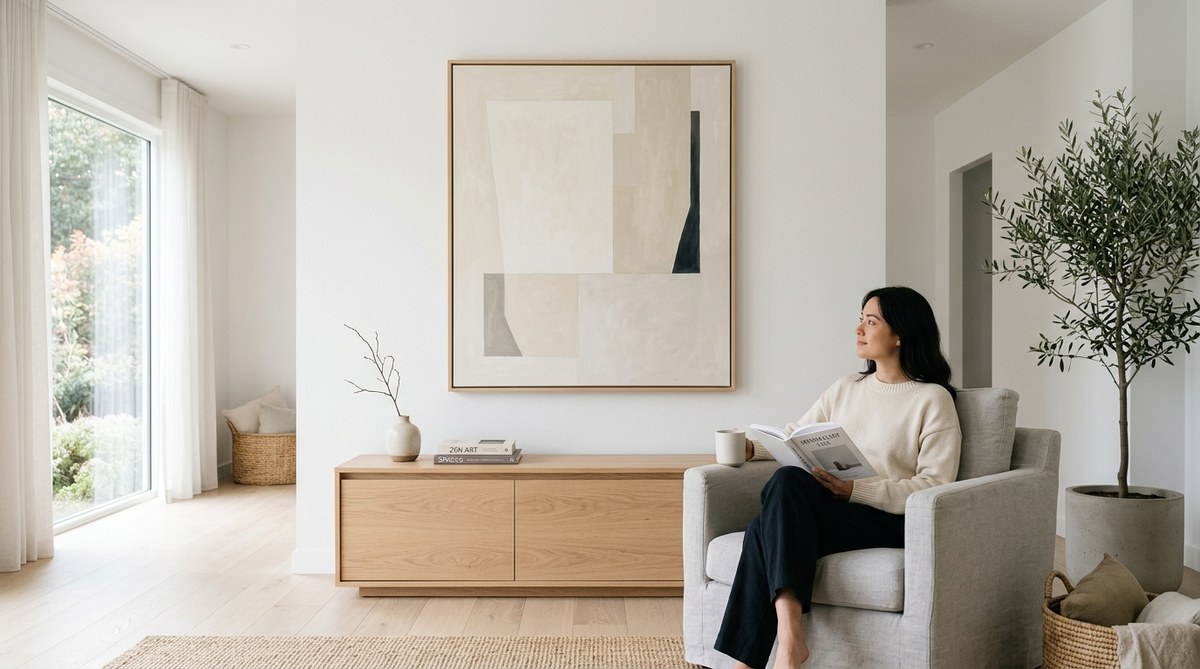
The future of interior design is rooted in mindfulness. People want homes that support mental clarity, not add visual noise. Minimalist art trains your eye to value emptiness. A single line drawing or a monochrome canvas can anchor a whole room. It does not compete with furniture or accessories. Instead, it creates a focal point that feels purposeful.
In 2026, we see three major shifts:
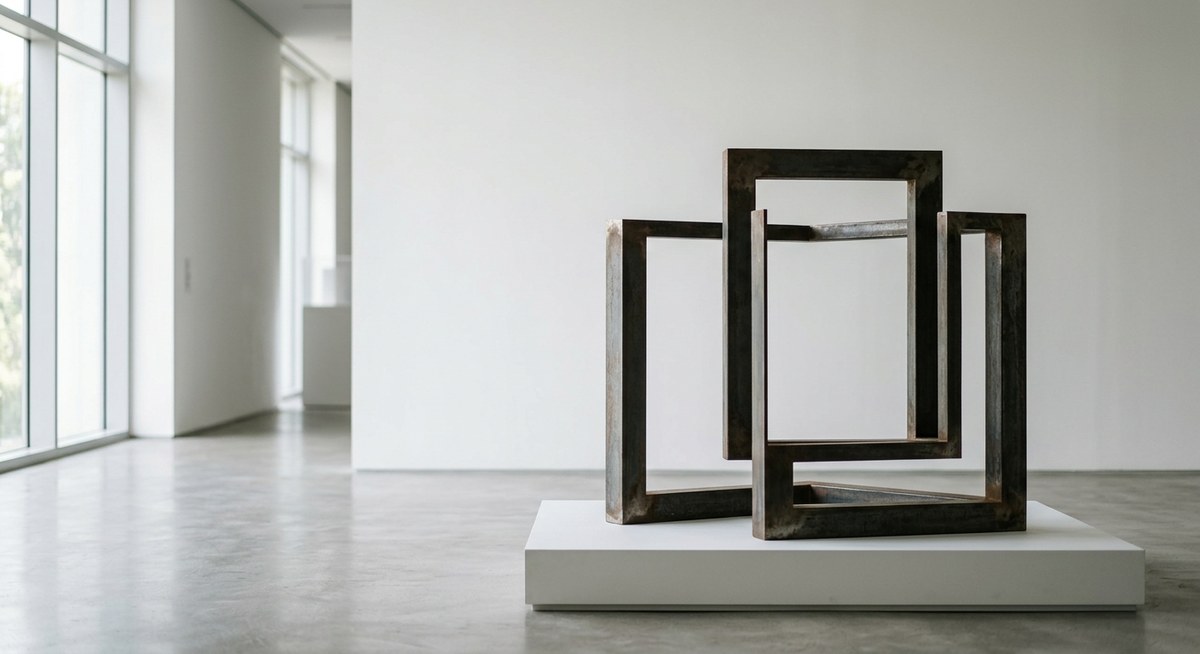
– Intentionality over quantity. Homeowners prefer one large sculptural piece over a gallery wall of small prints.
– Material honesty. Raw wood, concrete, and unpolished stone are celebrated.
– Fluid spaces. Furniture and art work together to allow the room to breathe.
These shifts are directly influenced by minimalist art principles: reduction to essence, respect for materials, and celebration of negative space. The result is an interior that feels both futuristic and deeply human.
How Minimalist Art Drives Future Trends
Minimalist art is not just a look. It is a method for designing spaces that adapt to how we live. Here are the key ways it influences what is coming next.
Negative Space Becomes Active Design
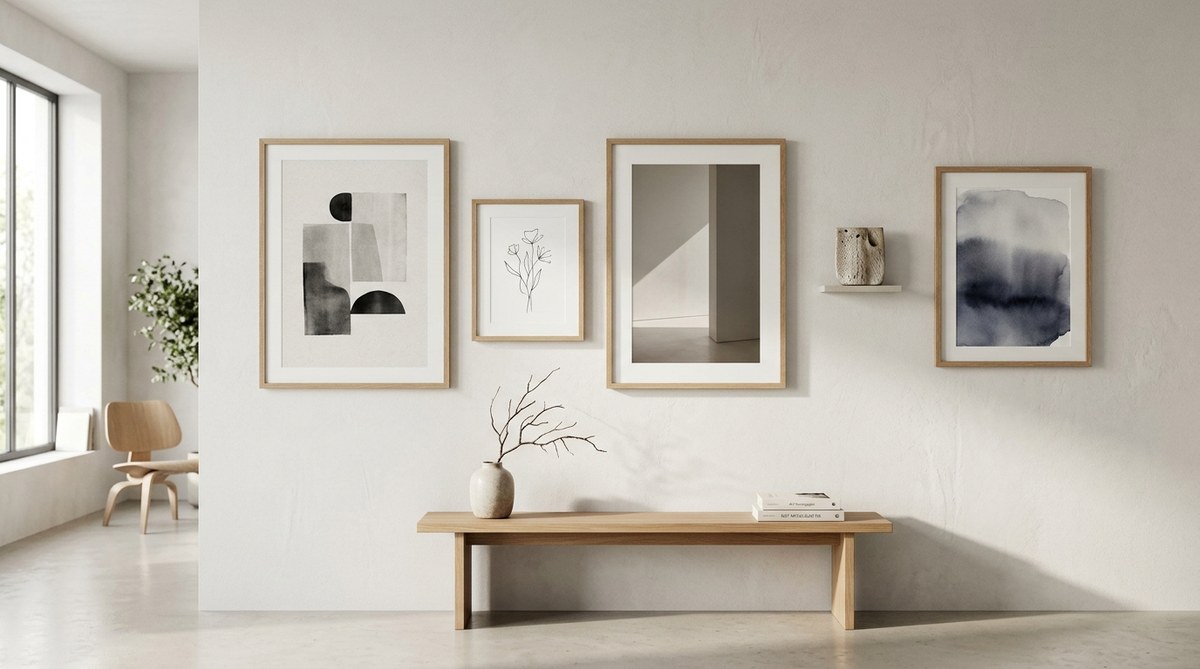
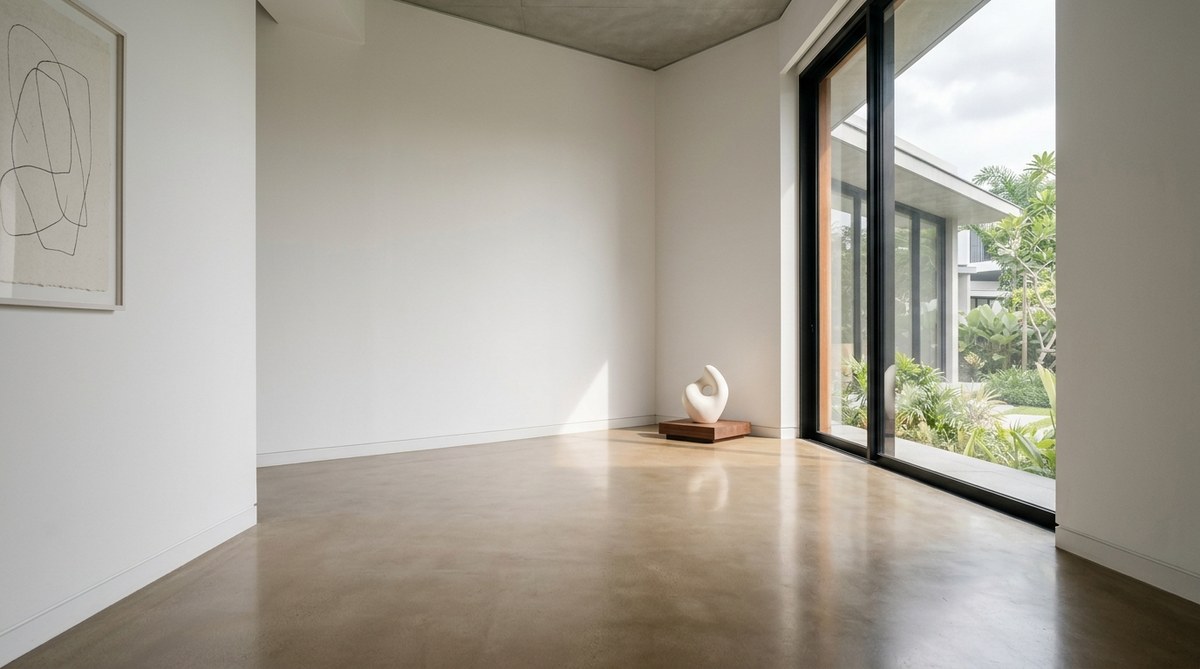
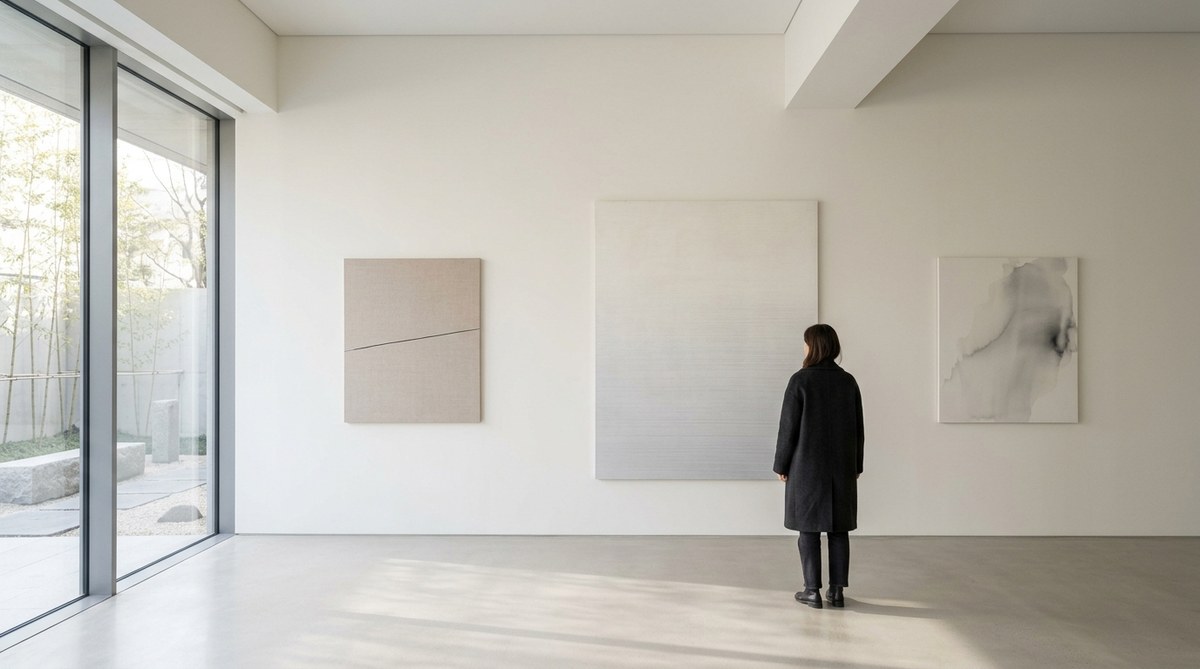
Traditionally, empty walls felt unfinished. Minimalist art flips that. A large blank wall with a single, small artwork becomes a statement about restraint. Future interiors will use negative space as a design element, not something to fill. This trend appears in:
– Wide hallways with one piece of art at the end.
– Living rooms where furniture placement leaves breathing room.
– Bedrooms that focus on a single feature, like a sculptural lamp or a textured canvas.
If you want to see this in action, consider how a simple charcoal drawing can define a dining area without a single sideboard. The room feels larger and more intentional.
Light and Space Become the Art
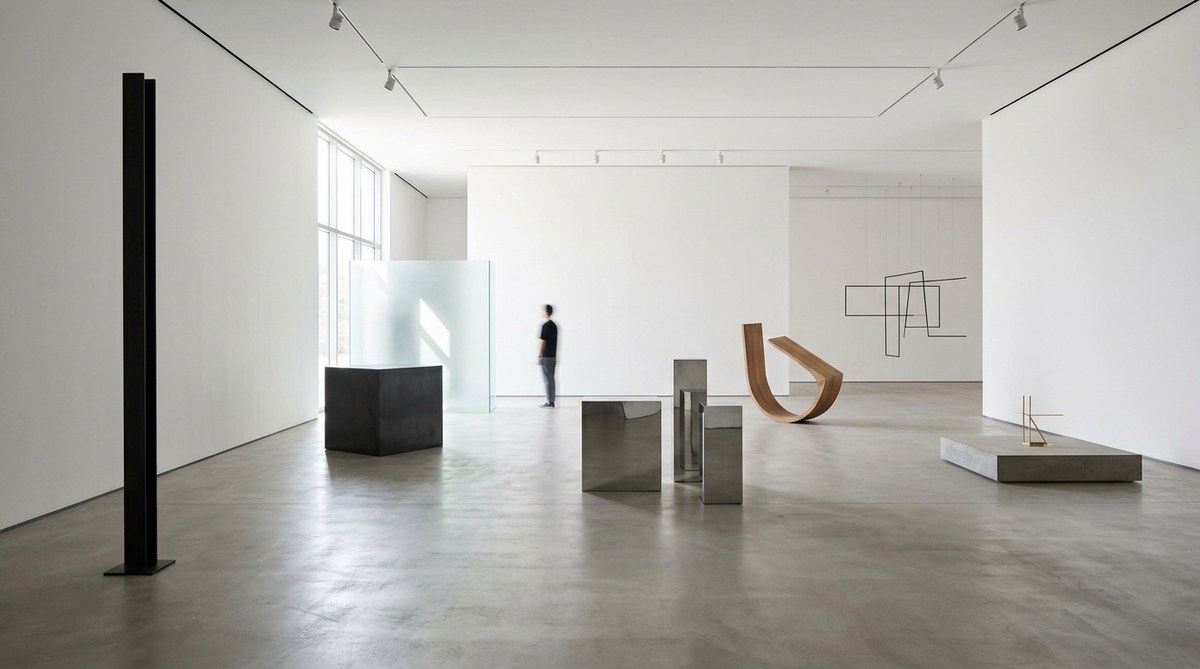
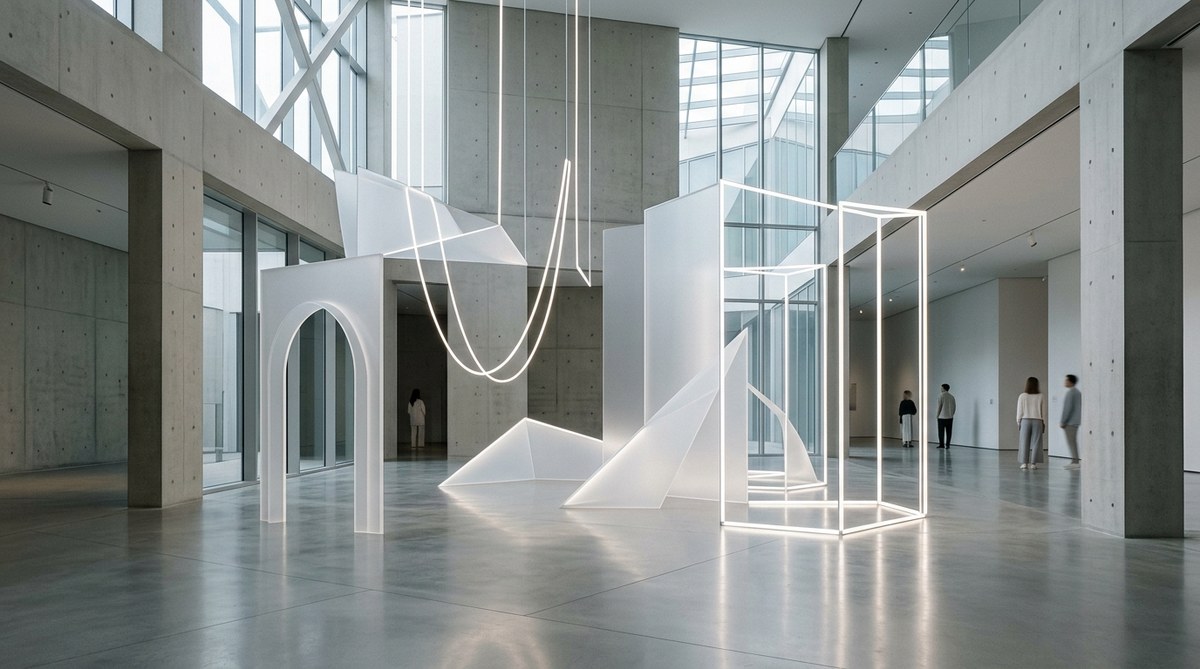
The interplay of light with minimalist objects is central to future design. Think of a slim bronze sculpture that catches afternoon sun, or a frosted glass partition that turns daylight into a soft glow. The future of interior design will treat lighting as its own artwork. This is why we wrote about the art of light and space in minimalist interior design as a key component of upcoming homes.
Texture Replaces Pattern
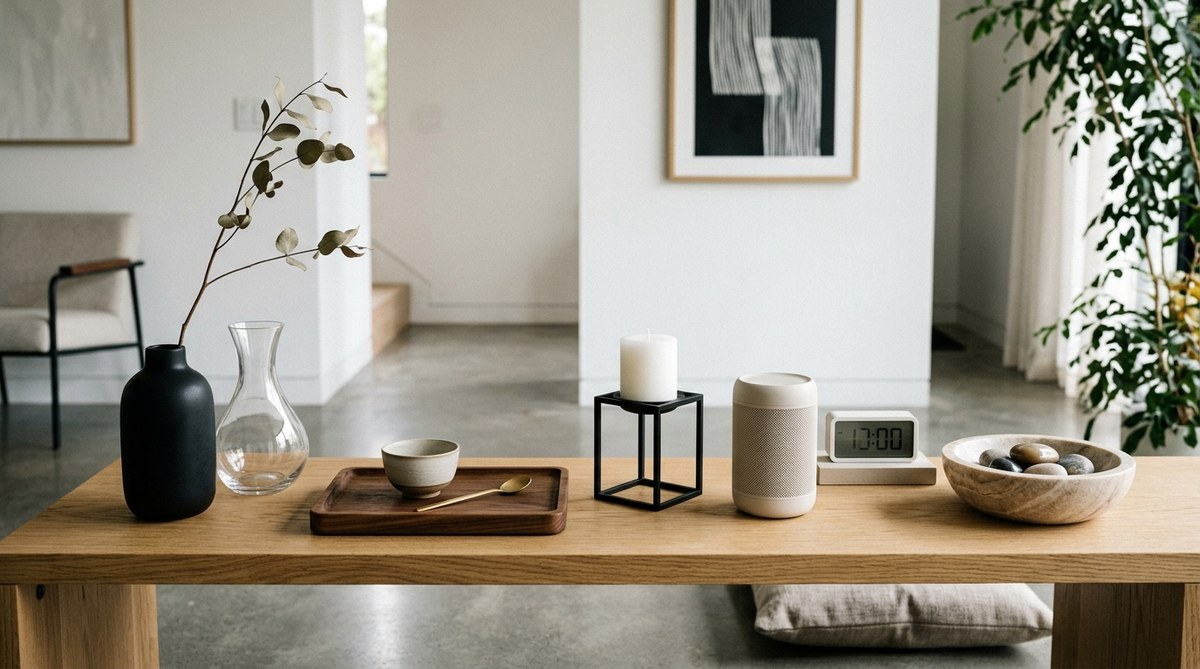
Wallpaper with busy patterns is on the way out. In its place, textured finishes like limewash plaster, hand-troweled concrete, and natural linen wall coverings are trending. Minimalist art that relies on texture rather than imagery fits perfectly. A rough-hewn ceramic vase or a painting with visible brushstrokes offers depth without chaos.
A Practical Process to Incorporate Minimalist Art for Future Trends
If you want to align your home with these trends, follow these steps. They will help you choose and place art that feels current in 2026 and beyond.
- Start with one anchor piece. Pick a single artwork that speaks to you. It could be a black-and-white photograph, a geometric oil painting, or a raw edge canvas. Avoid matching anything else in the room at first. Let the art lead.
- Edit the room around it. Remove at least three decorative items from the space. If the art is large, keep furniture low and simple. If the art is small, give it plenty of wall space. This step is hard but essential. Less really is more.
- Choose natural materials for frames and mounts. Wood, brushed aluminum, or no frame at all work best. Glossy plastic frames clash with the organic feel of minimalism. Consider a floating frame that lets the art breathe.
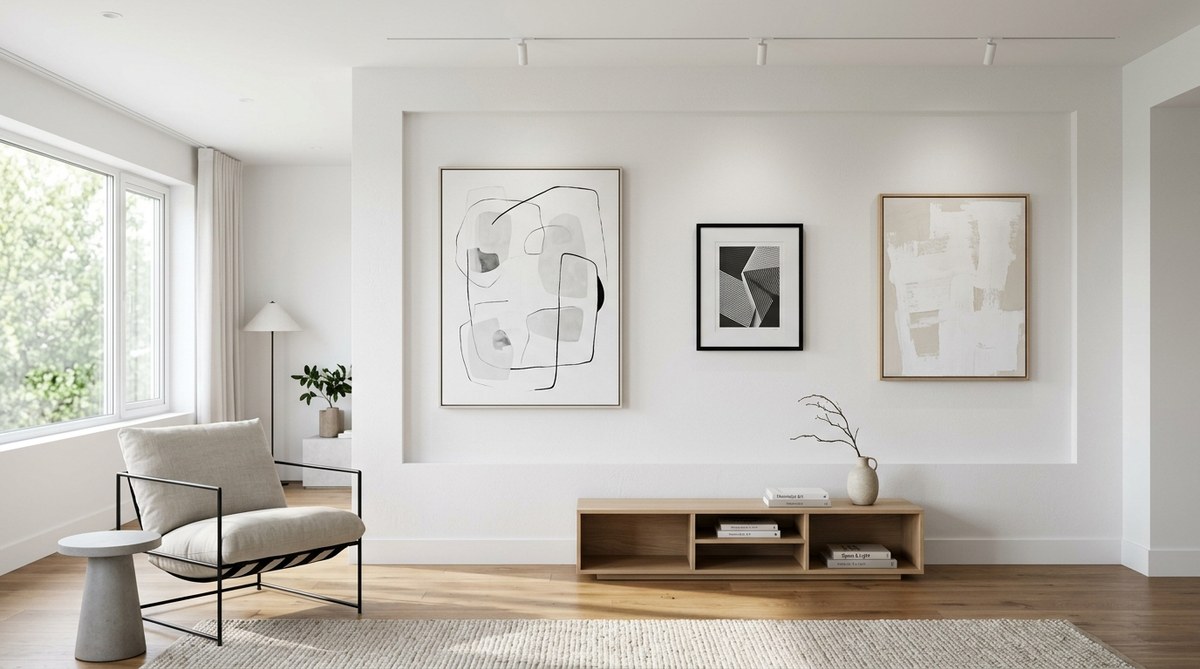
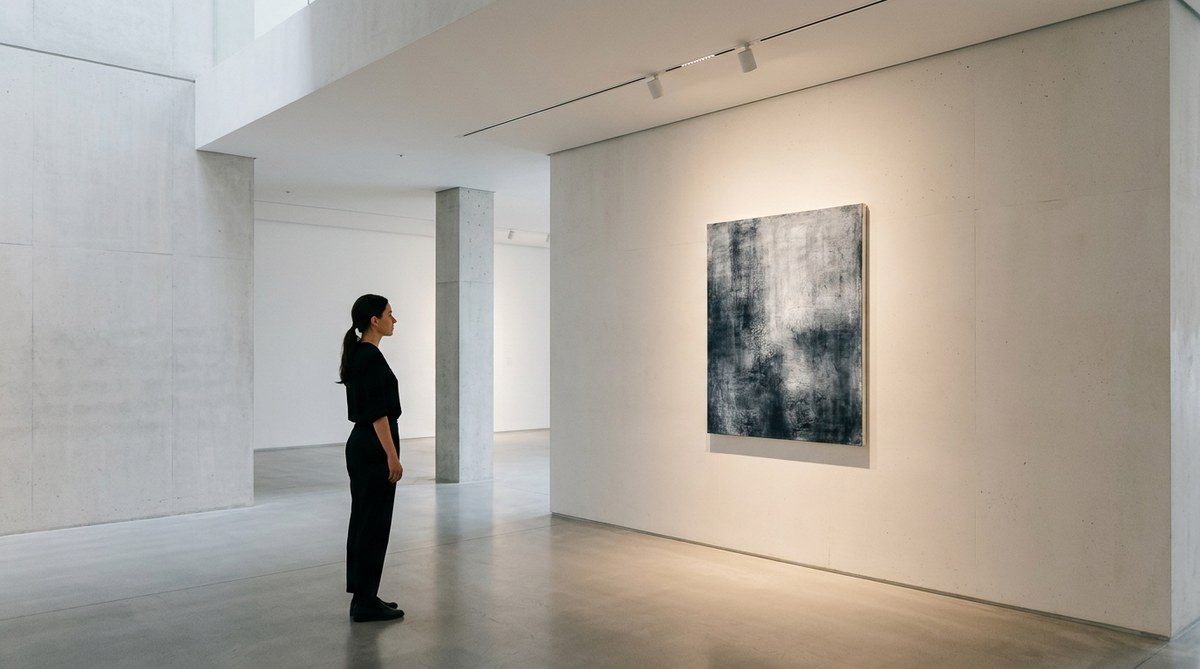
- Layer light to highlight the piece. Install a directional track light or a simple picture light above the artwork. Dimmable bulbs let you change the mood from bright to intimate. This is where the future of lighting meets minimalist art.
- Repeat the process in each room. Once you feel comfortable, apply the same workflow to other spaces. Each room gets one hero piece. The result is a home that feels curated, not cluttered.
Common Mistakes to Avoid
Even with good intentions, many homeowners fall into traps that weaken the minimalist effect. The table below outlines what to do instead.
| Mistake | Why It Hurts | Better Approach |
|---|---|---|
| Choosing art that matches your sofa | Makes the space feel like a showroom, not a home. | Pick art that contrasts with furniture colors for depth. |
| Hanging art too high or too low | Breaks visual flow. Center art at eye level (57–60 inches from floor). | Adjust based on seating height; in dining rooms, lower a few inches. |
| Using tiny art on a huge wall | Makes the piece feel lost. | Scale up. One large canvas works better than three small ones. |
| Adding too many accent pieces | Works against the minimalist goal. | Stick to one or two accessories near the art. |
| Ignoring the frame’s impact | A bulky gold frame can overpower a simple work. | Use thin, neutral frames or no frame for unframed canvases. |
Expert Advice on Building a Timeless Minimalist Home
We spoke with a residential interior designer who has been leading the shift toward art-focused interiors. They shared this insight:
“Minimalist art is not about being cold. It is about being deliberate. When a client says their home feels busy, I tell them to take everything off the walls except one piece. Then we look at the room together. Nine times out of ten, that single artwork is all they need. The space suddenly feels like them. Future design is not about adding more. It is about choosing better.”
That philosophy explains why many designers now start a room with art, not sofas. The art sets the emotional tone. Everything else supports it.
Linking Minimalist Art to Broader Home Design
Minimalist art does not exist in a vacuum. It connects to other elements that define future interiors. For example, creating harmonious art spaces with minimalist design principles ensures that your room feels balanced. Similarly, the use of negative space in art teaches you how to arrange furniture with room to breathe. You can see this in action through the impact of object simplicity on modern art installations, which translates directly to how you choose a single vase or a floor lamp.
Lighting also plays a pivotal role. Elevating spaces with minimalist light design techniques shows how to make a dark corner feel expansive with a single fixture. And if you are ready to transform an entire room, transforming spaces with minimalist art installations offers inspiration for larger projects.
What the Data Says About Future Trends
Industry reports from 2025 and early 2026 show a clear pattern. Searches for “minimalist interior design future trends” have risen 40% year over year. Pinterest data reveals that boards labeled “quiet luxury” and “intentional minimalism” are among the fastest growing home categories. Meanwhile, sales of large-scale abstract art have jumped 28% among homeowners aged 30 to 50. The message is clear: people want homes that reflect calm confidence, not trendy overload.
A Final Look at the Road Ahead
The future of interior design is not about more. It is about meaning. Minimalist art gives you a simple way to inject that meaning into every room. By choosing one piece, removing the excess, and lighting it with care, you create a space that will feel fresh for years. Trends come and go, but the principle of “less but better” is permanent.
Take a walk through your home today. Find one wall that feels noisy. Remove everything on it. Then place a single artwork you love. Let the room sit for a week. Notice how your mind feels. That quiet shift is the future you have been looking for.

Leave a Reply